1 hr ago
Supreme Court Orders Normal Services, Reviews Delhi Protest Restrictions

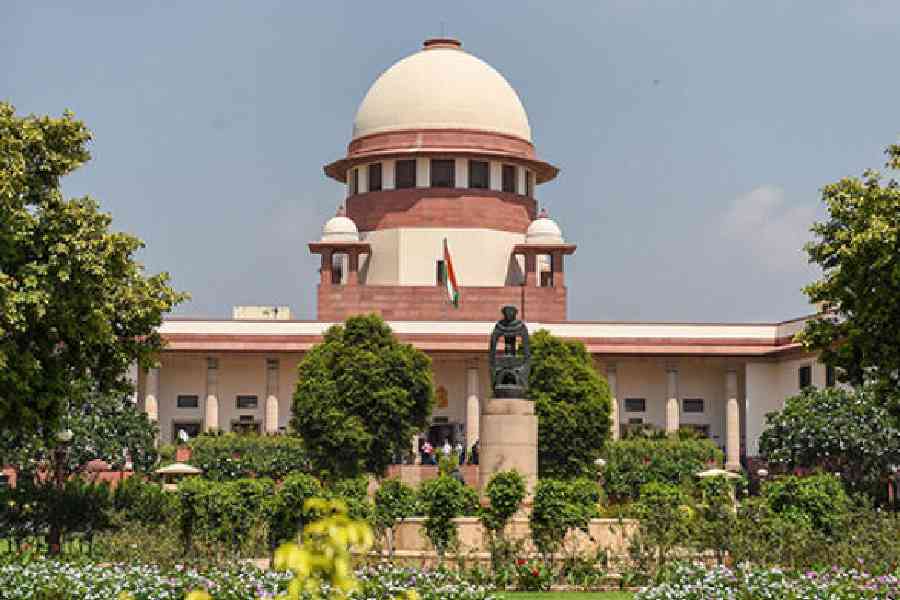
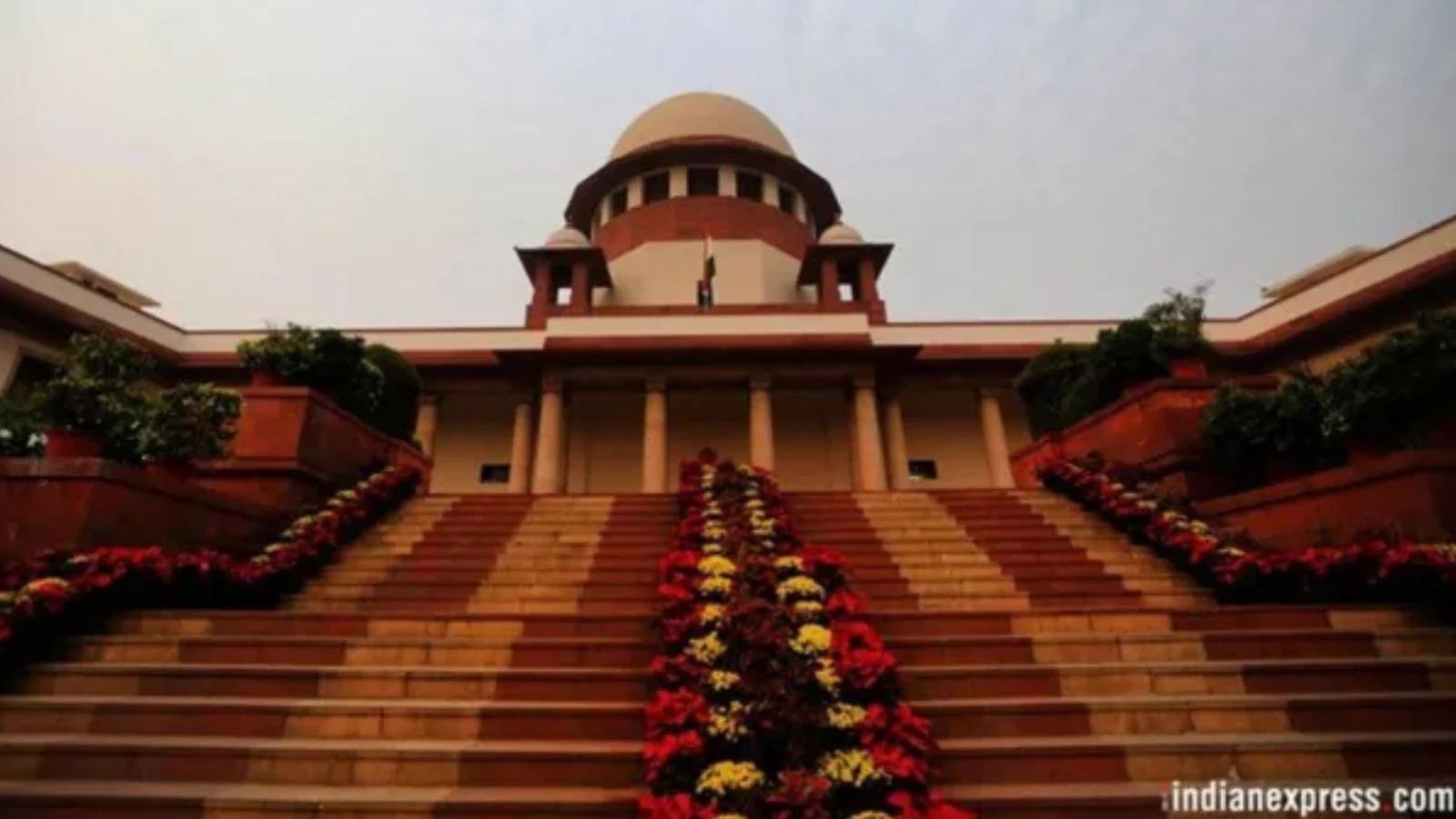
The Supreme Court heard complaints about how authorities handled a protest in Delhi.
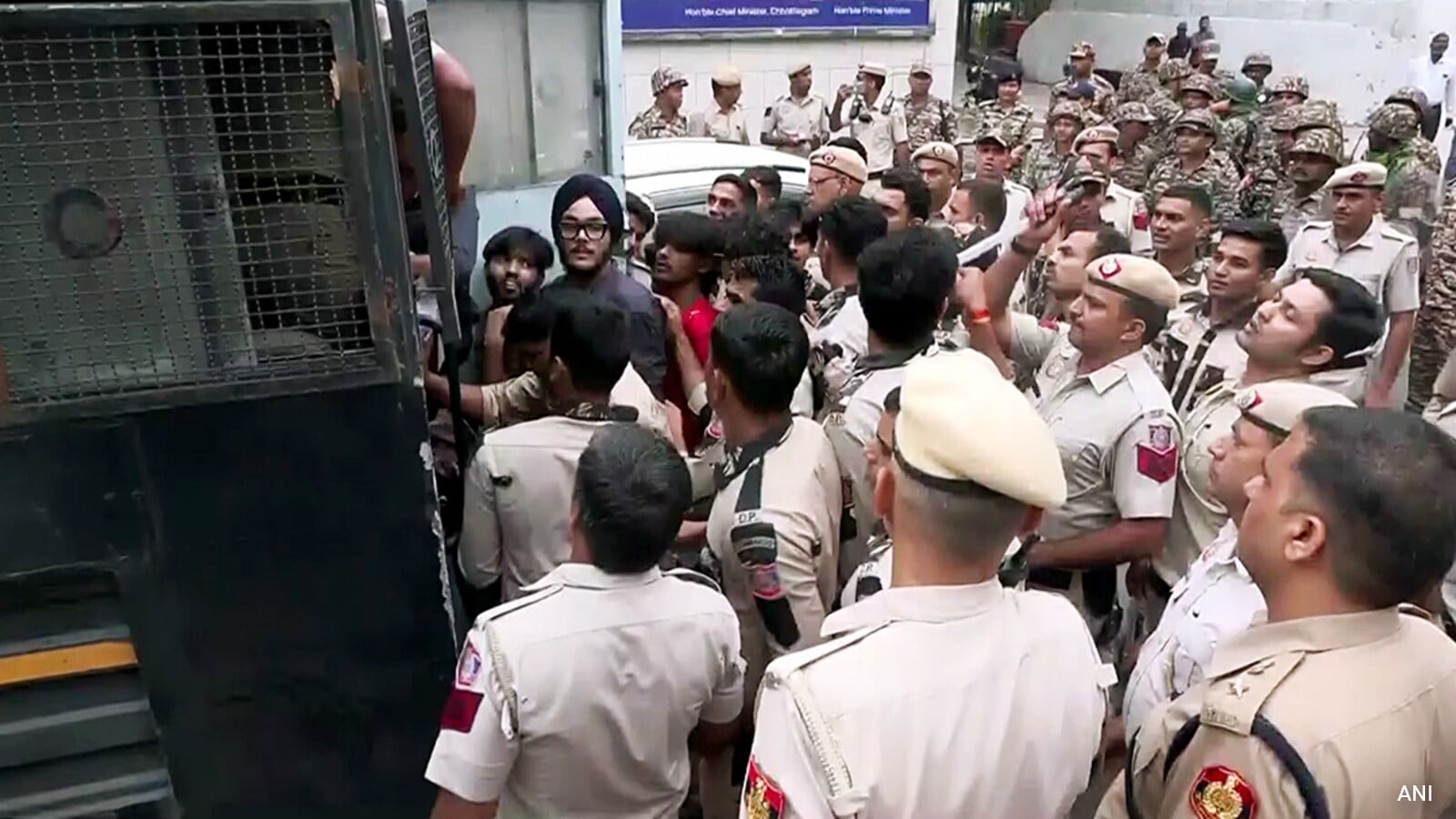
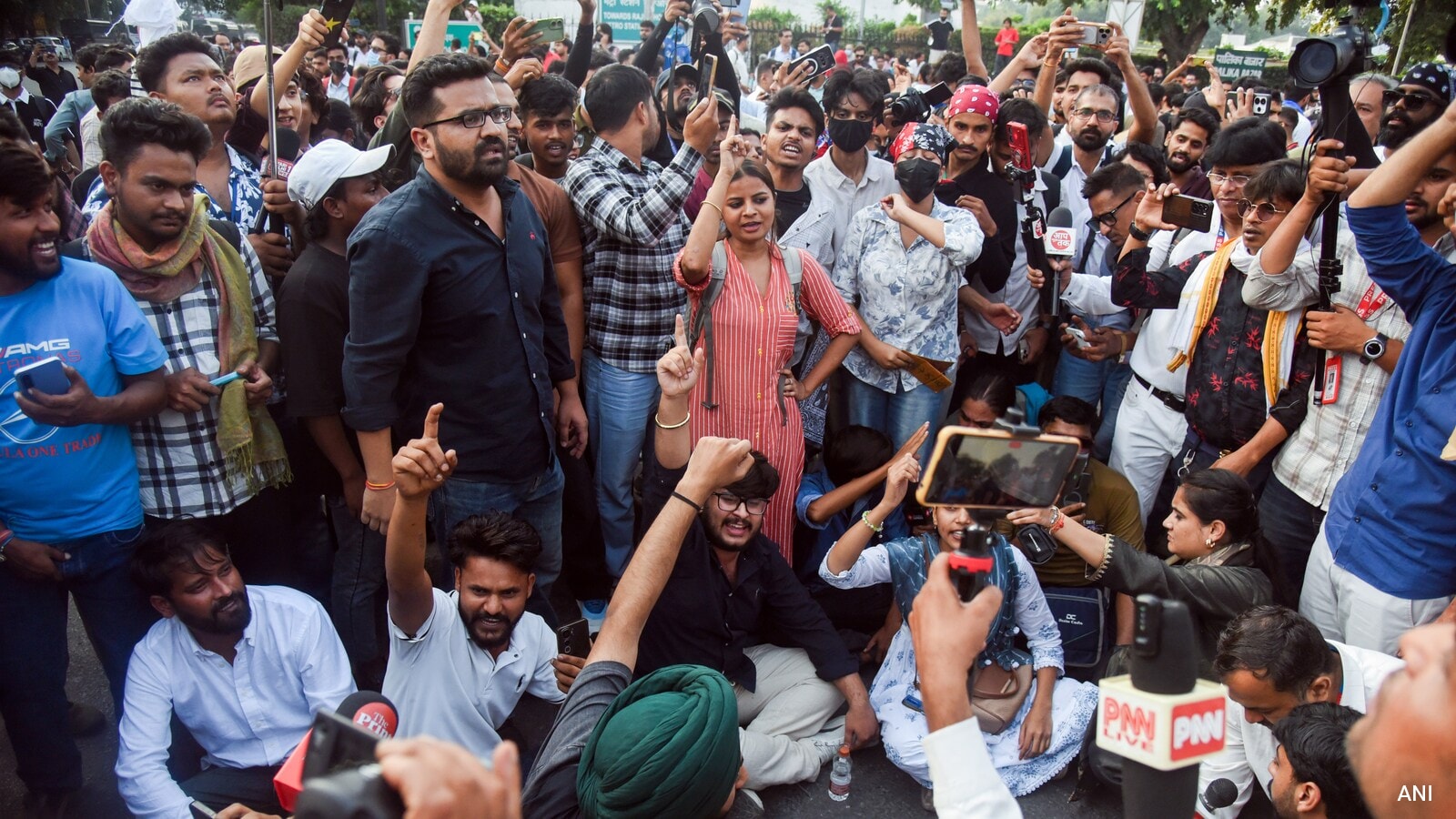
People said protesters were detained and that transport and internet services were disrupted.
The court said peaceful people must not be detained unless the law allows it.
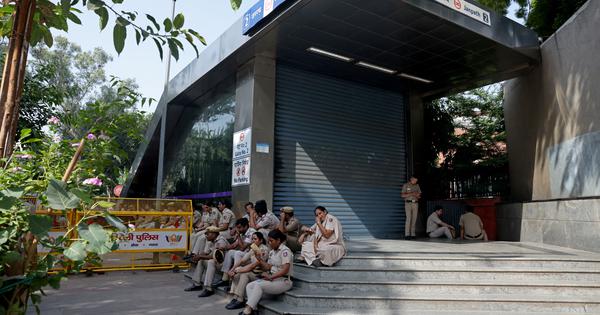
It directed authorities to review barricades and keep Metro and railway services running normally, subject to lawful public-safety limits.
Internet access should also continue subject to law and order.
People should be able to move around, and lawyers and journalists should be able to do their work.
The court also said notices restricting access near courts should be removed if they were still there.
Officials must answer the allegations, and the court planned to hear related cases on October 13.

On October 11, the Supreme Court directed that peaceful protesters not be illegally detained and ordered a review of barricades across Delhi.
The court called for normal Metro and railway services and uninterrupted internet access, subject to lawful public-order restrictions.
It said peaceful assemblies should be allowed where prohibitory orders are not in force and directed removal of Section 163 notices near courts, if still present.
The bench said lawyers, journalists and others must not be impeded in their professional duties and required free movement subject to traffic rules.
The court issued notice to the Centre and officials over contempt allegations; connected detention petitions were set to be heard with the main cases on October 13.
- Who
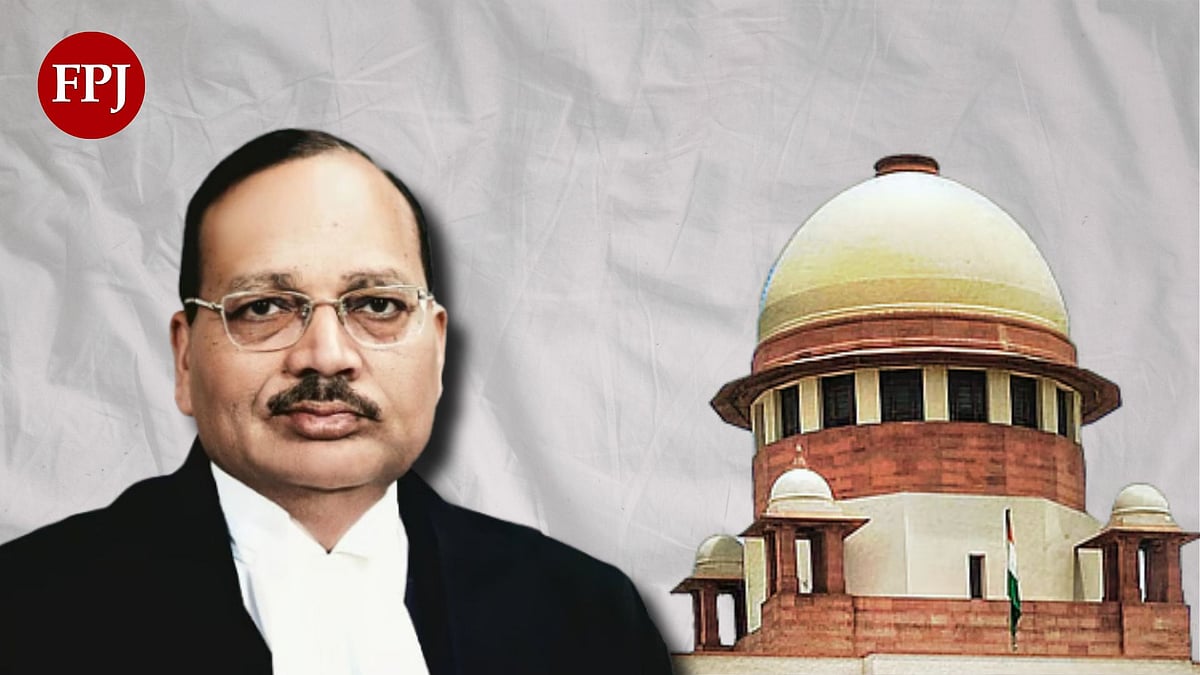
- The Supreme Court bench of Justices Joymalya Bagchi and V Mohana; the Centre and other authorities named in the proceedings.
- What
- The court issued directions on detentions, transport, internet access, movement, barricades and access to courts, and sought responses to contempt allegations.
- Where
- Delhi, including areas around the Supreme Court and other courts.
- When
- The special hearing took place on October 11, 2026; connected matters were scheduled for October 13.
- Why
- Petitions alleged illegal detentions, excessive force and restrictions on transport and internet services during the October 10 protest.
Petitioners and protesters
Authorities and government position
Detentions and police conduct
Petitioners and protesters
Petitioners and lawyers alleged illegal or mass detentions, excessive force and harassment of peaceful protesters; a lawyer described being picked up with colleagues.
Authorities and government position
The court sought responses from the authorities. The articles do not provide a detailed official rebuttal to these allegations.
Transport restrictions
Petitioners and protesters
Petitioners alleged that Metro and rail disruptions obstructed movement and violated the court's earlier direction.
Authorities and government position
Solicitor General Tushar Mehta said entry and exit had been restricted at 45 of 303 Metro stations; the court allowed restrictions where justified by public order and law.
Protest and public order
Petitioners and protesters
Petitioners argued that restrictions on movement and internet access impeded citizens' rights and peaceful assembly.
Authorities and government position
The court's directions allowed lawful restrictions for public order, required peaceful protests to comply with law, and said protests should not instigate others.
Key facts
- Hearing
- Special Supreme Court sitting on October 11, 2026.
- Bench
- Justices Joymalya Bagchi and V Mohana.
- Protest date
- October 10, 2026.
- Protest issue
- Alleged irregularities in the functioning of the Election Commission, including concerns raised against Chief Election Commissioner Gyanesh Kumar.
- Public services
- Normal Metro and railway services and uninterrupted internet access were directed, subject to lawful public-order restrictions.
- Movement and access
- Authorities were told to review barricades, allow movement subject to traffic rules, and remove Section 163 notices near courts if still in place.
- Next hearing
- Habeas petitions alleging mass detentions and connected matters were to be heard with the main cases on October 13.
Quotes
Supreme Court bench of Justices Joymalya Bagchi and V Mohana
The Supreme Court bench that heard the urgent applications concerning the protest.
“In view of the urgent applications alleging violation of our earlier order dt. October 9, 2026, and also alleging illegal detention of large number of individuals at Delhi on October 10, 2026 this court had assembled for an urgent hearing.”
 rediff.com
“We are deeply grateful to the Supreme Court of India for passing an order that restores the faith of the Indian people, as well as the faith of professionals, in the justice system of this country.”
 theprint.in
Sources
CJP protest: SC orders barricade review, normal Metro services, bars illegal detentions

Delhi Protest: SC directs no illegal detention of peaceful protesters, normal metro-rail services, free movement, internet

CJP stir: Ensure Metro, Internet; no illegal detentions, SC tells Centre
‘Restores people’s faith in justice system’: Sibal after SC’s directions to govt on protests
Protests in Delhi: SC passes slew of directions, directs no illegal detention
Related news
Supreme Court Orders Easing Delhi Curbs During CJP Protest
Supreme Court Orders Delhi Barricades Removed, Internet Restored
Supreme Court Bars Blanket Delhi Metro Shutdown Ahead of Protest
Supreme Court to Hear Contempt Pleas Over Delhi Protest
Supreme Court to Hear Metro Closure and Protest Detention Petitions
Supreme Court Seeks Regulated Delhi Metro Services Ahead of Protests
Congress to Take Madhya Pradesh OBC Quota Fight to Supreme Court

CJI Surya Kant Intervenes After Lawyers Detained During Delhi Protest

SCBA Seeks CJI Intervention After Lawyers Detained During Protest