

26 mins ago
India Secures BRICS Consensus on Trade Amid West Asia Rift

India helped the BRICS countries agree on a shared statement.
The agreement was reached at the summit on Saturday.
The countries were worried about tariffs and other trade restrictions made by one country alone.
They said these actions can go against WTO rules.
They also rejected coercive measures that violate international law.
The declaration called for safer trade, energy supplies and supply chains.
It also called for an end to the blockade against Cuba.
Negotiators worked through the night to find wording that both Iran and the United Arab Emirates could accept about the conflict in West Asia.

India secured agreement among all 11 BRICS members on the New Delhi Declaration.
The declaration criticizes unilateral tariff and non-tariff measures that conflict with WTO rules.
It condemns unilateral coercive measures as violations of international law.
The statement calls for protecting global trade, energy flows and supply chains, and ending the blockade against Cuba.
Negotiators bridged disagreements between Iran and the United Arab Emirates over the West Asia conflict without naming specific countries directly.
- Who
- India and the other 10 BRICS member nations, including Iran and the United Arab Emirates.
- What
- They reached consensus on the New Delhi Declaration covering trade, coercive measures, Cuba and tensions in West Asia.
- Where
- At the BRICS Summit; the declaration is called the New Delhi Declaration.
- When
- At the BRICS Summit on Saturday; the summit is identified as the 2026 summit.
- Why
- To address concerns about unilateral trade measures, protect global trade and respond to regional tensions while maintaining agreement among members.
Key facts
- Agreement
- All 11 BRICS member nations agreed on a joint declaration.
- Declaration
- The statement is called the New Delhi Declaration.
- Trade
- The declaration voices concern over unilateral tariff and non-tariff measures contrary to WTO rules.
- Coercive measures
- It condemns unilateral coercive measures as violations of international law.
- Global systems
- It calls for protecting trade, energy flows and supply chains.
- Cuba
- It demands an end to the blockade against Cuba.
- Negotiations
- Negotiators worked through the night to bridge differences between Iran and the United Arab Emirates.
Sources
Related news
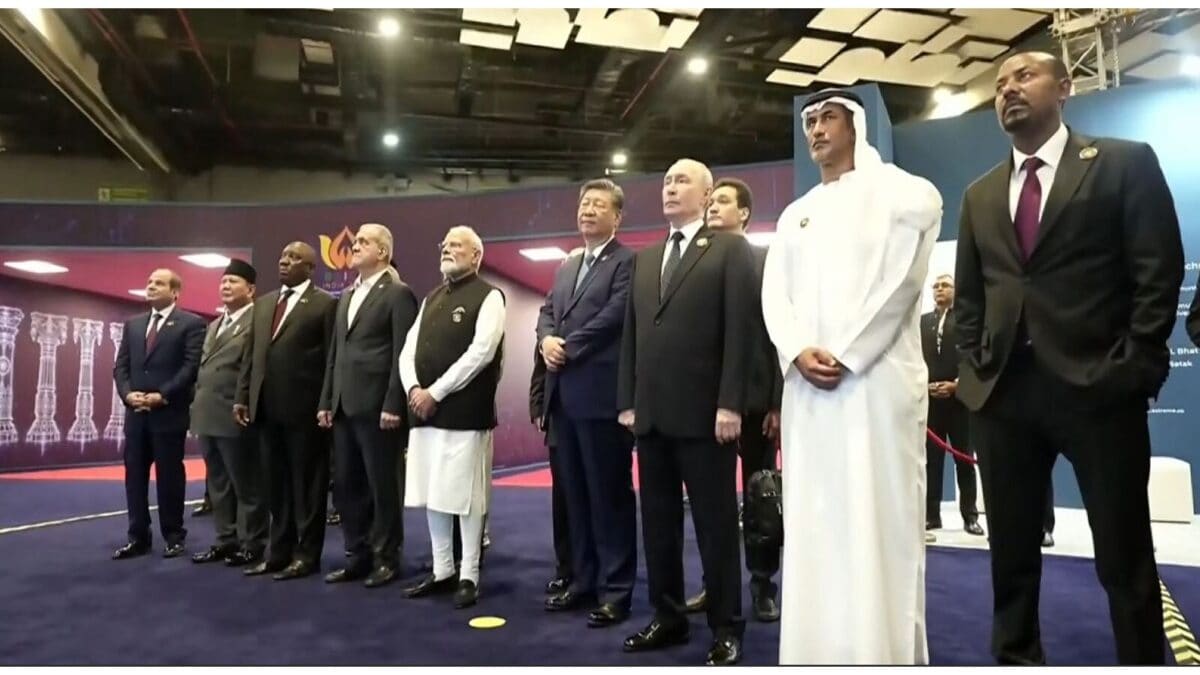
India Secures Unanimous BRICS Declaration After Overnight Diplomacy

BRICS Adopts New Delhi Declaration Despite West Asia Divisions
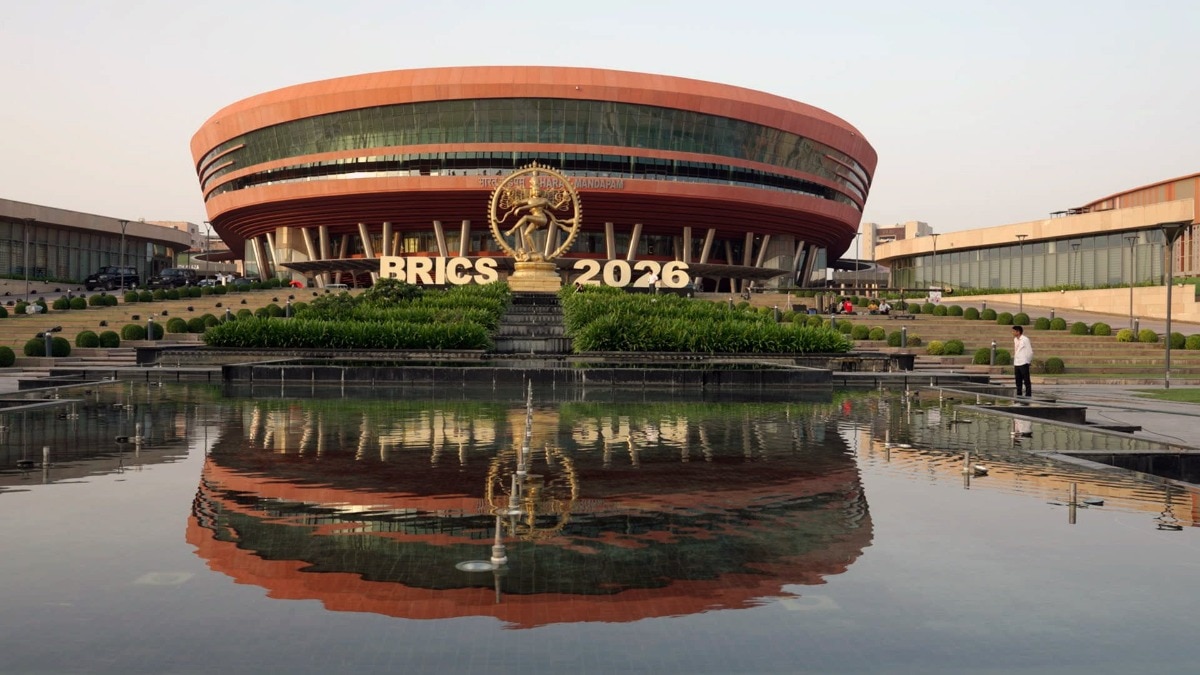
BRICS Declaration Flags Trade Barriers Amid Global Economic Tensions
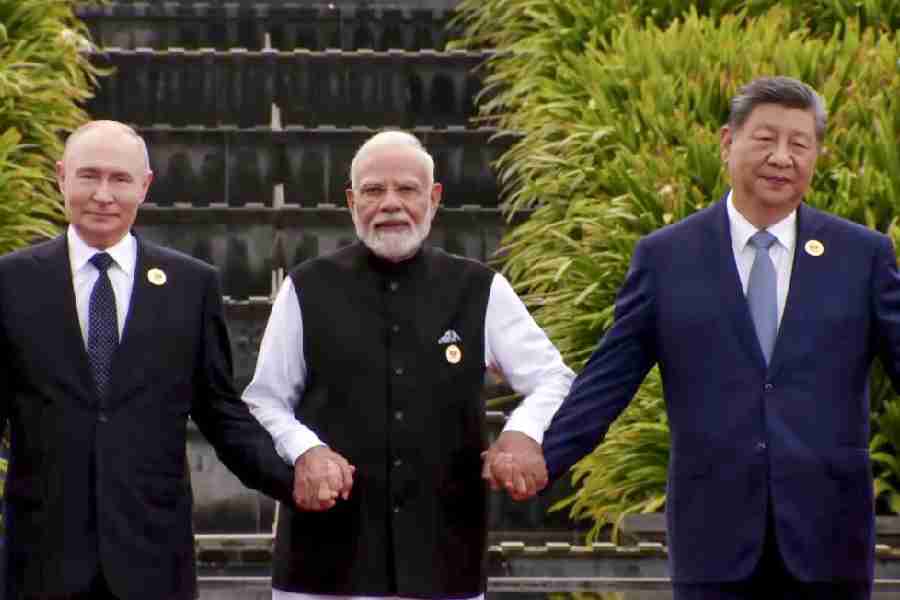
BRICS Reaches New Delhi Consensus Despite Iran-UAE Divisions

BRICS Adopts New Delhi Declaration, Rejects Tariffs and Sanctions
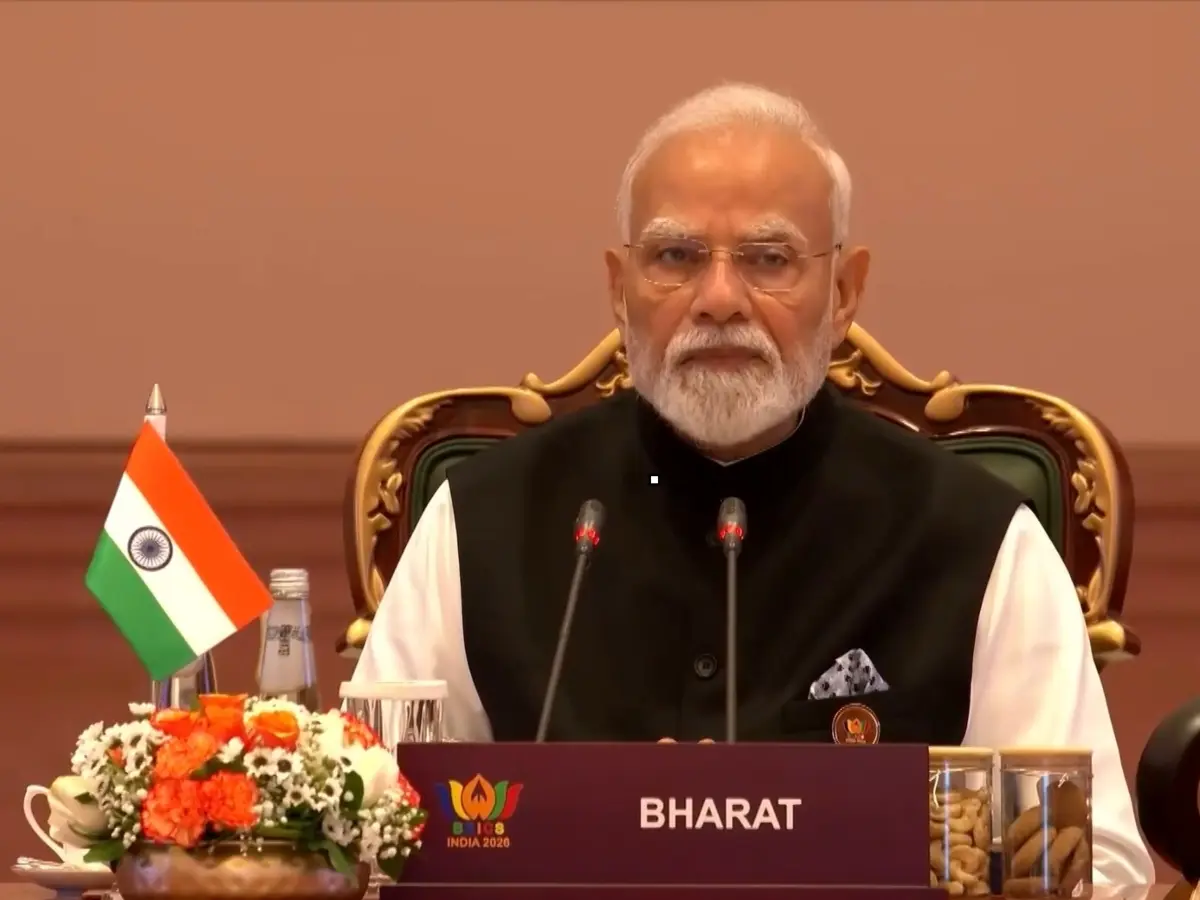
BRICS Unanimously Adopts New Delhi Declaration 2026 at 18th Summit
Iran, Iraq and Turkey Urge Restraint Amid West Asia Tensions
Xi urges BRICS to help bring peace to West Asia
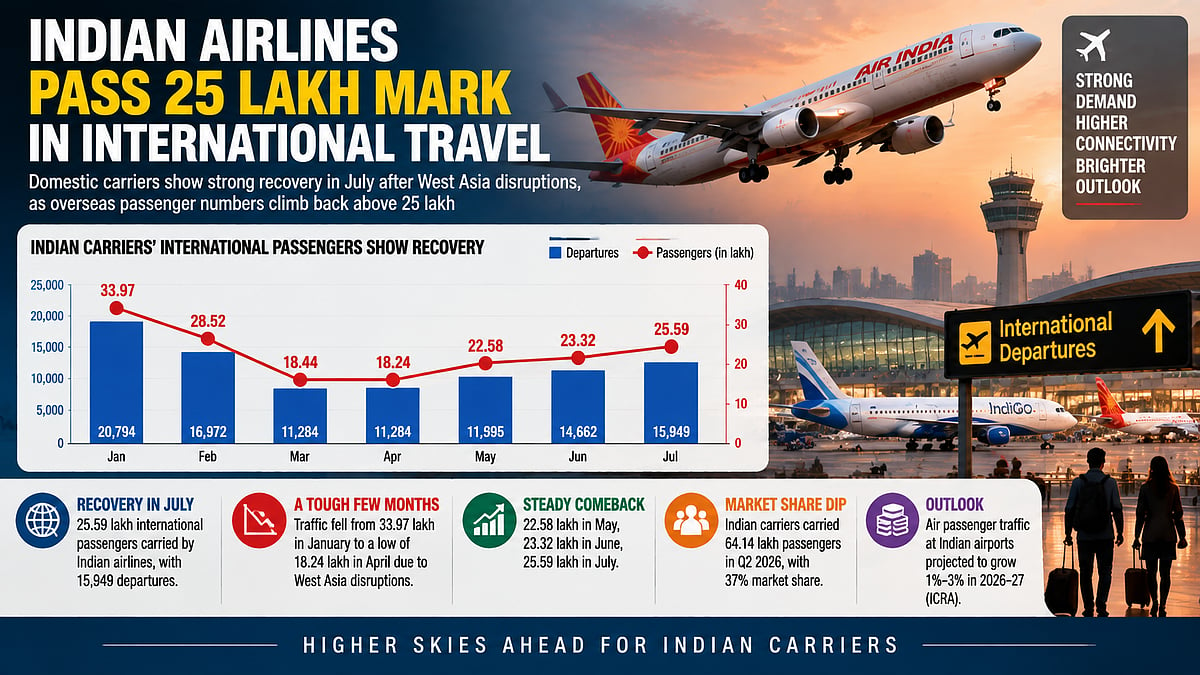
Indian Airlines Recover International Traffic, Crossing 25 Lakh Passengers