59 mins ago
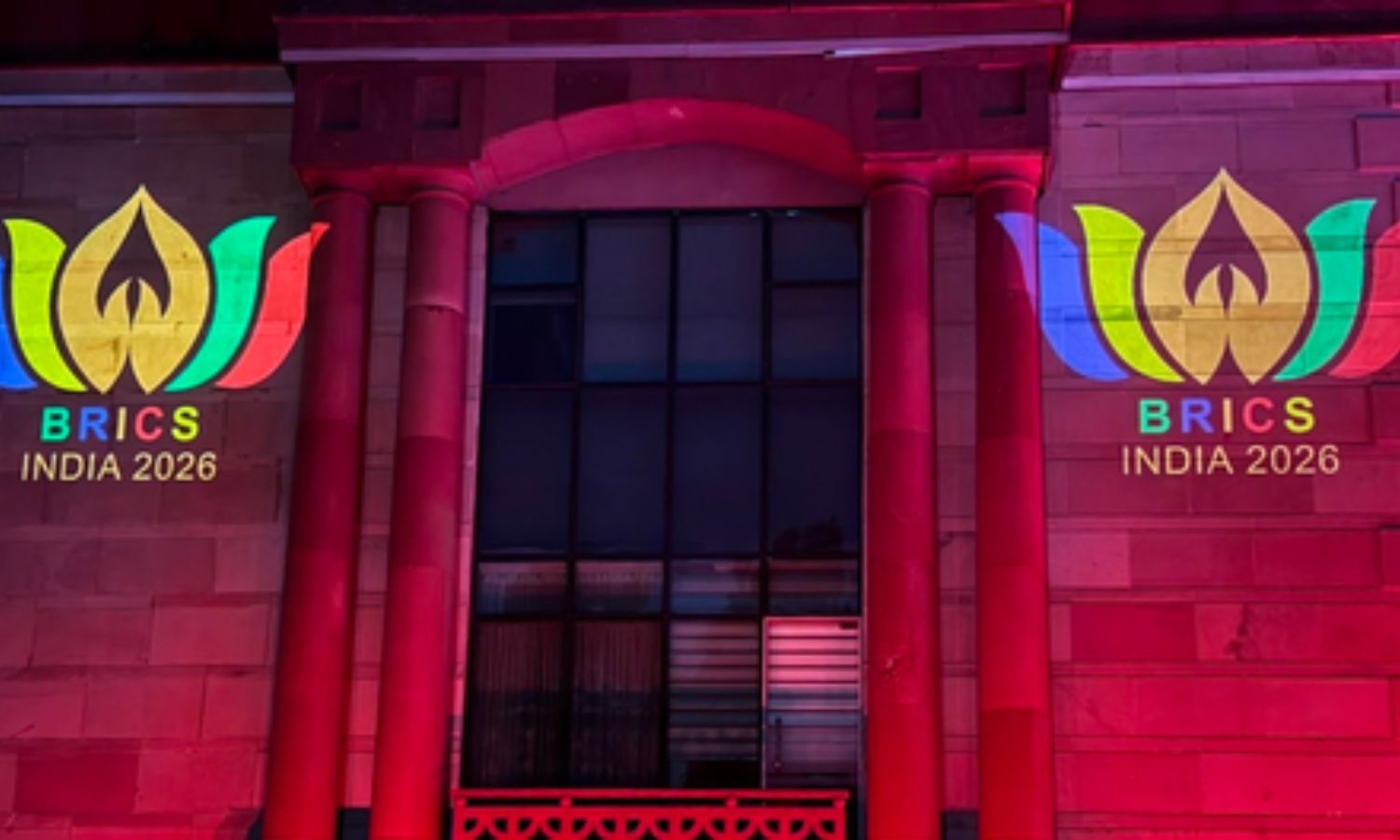
BRICS Adopts New Delhi Declaration Amid Global Divisions
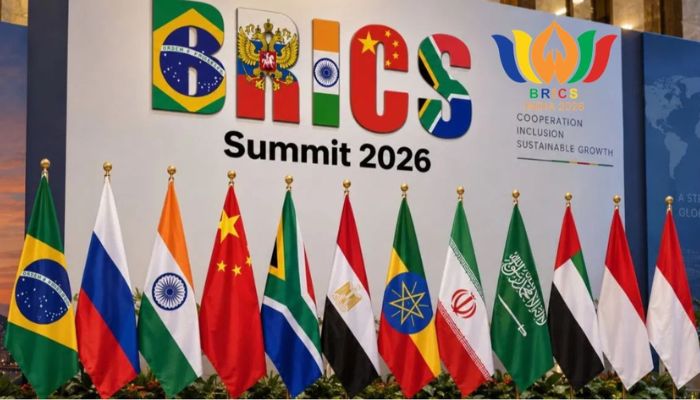
BRICS countries agreed on a shared plan called the New Delhi Declaration.
They reached the agreement after difficult talks about wars and other disagreements.
The countries called for peace, aid for people in Gaza and protection for civilians.
They also supported creating a Palestinian state alongside Israel.
BRICS members condemned terrorism and want countries to cooperate more against terrorist groups and financial crimes.
They said developing countries should have a bigger voice in organizations such as the United Nations and the World Bank.
The group also wants easier trade and more use of local currencies.
Members plan to work together on food, energy, technology, health and climate problems.
India presented the agreement as evidence that it can bring countries with different views together.

BRICS members approved the New Delhi Declaration after lengthy negotiations over West Asia and Ukraine.
The declaration calls for a Gaza ceasefire, humanitarian access, a two-state solution and protection of civilians.
Leaders condemned the April 22, 2025 terrorist attack in Jammu and Kashmir and urged stronger action against terrorism and organized crime.
BRICS demanded greater representation for developing countries in global institutions and promoted trade, local-currency payments and development financing.
The declaration expands cooperation on food and energy security, artificial intelligence, healthcare, climate change and digital infrastructure.
- Who
- The BRICS member countries, led by India as the group’s chair, approved the declaration.
- What
- They adopted a joint declaration covering diplomacy, security, economic cooperation, technology, health, climate and the role of developing countries.
- Where
- The summit is being held in New Delhi, India.
- When
- The agreement was reached ahead of the 18th BRICS Summit, scheduled for September 12–13; China is due to chair BRICS in 2027.
- Why
- The members sought to coordinate despite differences over West Asia, Ukraine and the changing global order, while strengthening the voice of the Global South.
Supporters of the Declaration
Areas of Concern and Difference
Diplomatic consensus
Supporters of the Declaration
India and the participating countries presented the agreement as a diplomatic achievement showing that BRICS can cooperate despite major geopolitical disagreements.
Areas of Concern and Difference
Members retain sharply different positions on West Asia, Ukraine and the global order, making continued unity and implementation challenging.
Global governance reform
Supporters of the Declaration
BRICS supports giving Africa, Asia, Latin America and the Caribbean greater representation in the United Nations and financial institutions.
Areas of Concern and Difference
The declaration calls for broad institutional changes, but it does not specify when or how those reforms will be achieved.
Local currencies and trade
Supporters of the Declaration
Supporters say local-currency payments and improved cross-border systems could make transactions faster, cheaper and more accessible.
Areas of Concern and Difference
The declaration recognizes that members will proceed at different speeds according to their national priorities, limiting uniform adoption.
Key facts
- Summit theme
- Building for Resilience, Innovation, Cooperation and Sustainability
- Main cooperation areas
- Political and security cooperation; economic and financial cooperation; cultural and people-to-people ties
- Gaza position
- Support for continuing the ceasefire, unrestricted humanitarian access, civilian protection and a two-state solution
- Terrorism
- Condemnation of the April 22, 2025 attack in Jammu and Kashmir and calls to combat terrorist financing, safe havens and cross-border movement
- Global institutions
- Calls for reform of the United Nations Security Council, International Monetary Fund, World Bank and Bretton Woods institutions
- Trade and finance
- Support for a more predictable WTO-centered trading system, local-currency settlements and increased New Development Bank financing
- Future priorities
- Food and energy security, artificial intelligence, digital connectivity, healthcare, climate action and disaster preparedness
Quotes

Narendra Modi
Prime Minister of India
“India’s G20 Presidency has been the most ambitious in the history of G-20. With 112 outcomes and presidency documents, we have more than doubled the substantive work from previous presidencies.”
 opindia.com
“I congratulate my ministers, Sherpa, all officials who worked hard for it and made it possible.”
opindia.com
Sources
Related news
BRICS Reaches New Delhi Consensus Despite Iran-UAE Divisions

BRICS Declaration to Emphasize Terrorism, Reform and Global South
BRICS New Delhi Declaration Urges Restraint Amid West Asia Tensions

BRICS Summit Adopts New Delhi Declaration After Overnight Consensus
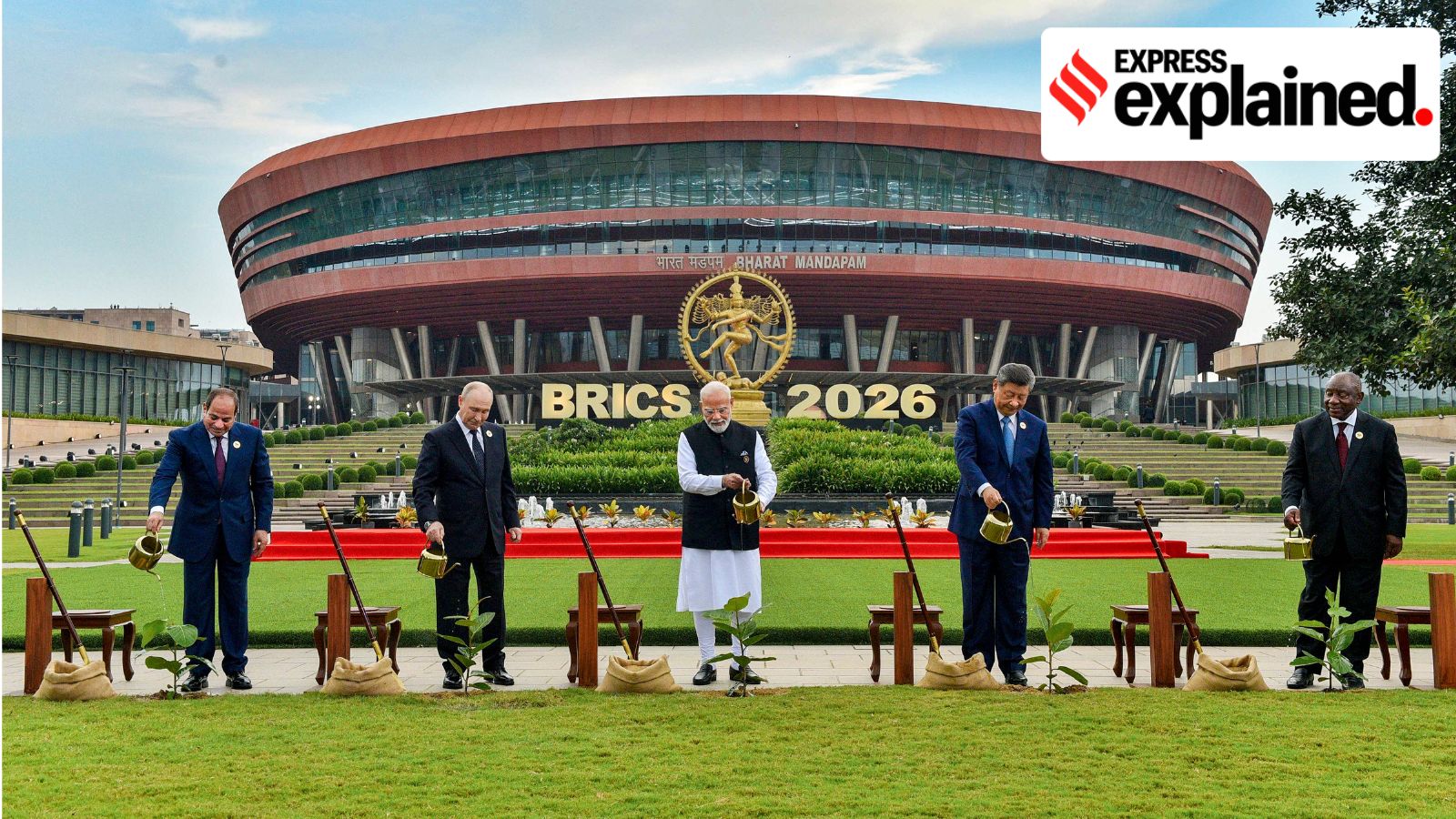
BRICS Declaration Rejects Tariffs, Condemns Terrorism, Addresses West Asia
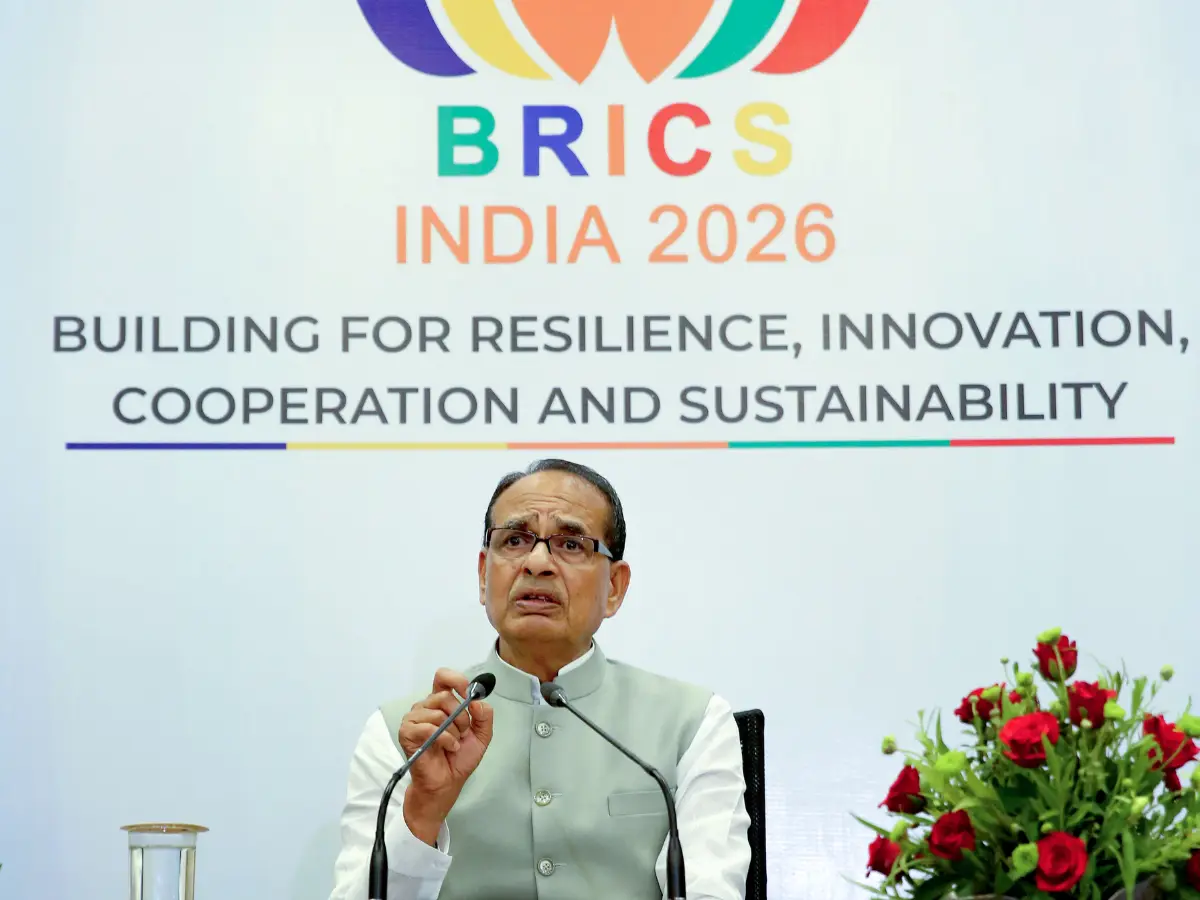
India Seeks Consensus Before Expanded BRICS New Delhi Summit

PM Modi Hosts All-Vegetarian BRICS Dinner Showcasing India's Culinary Traditions
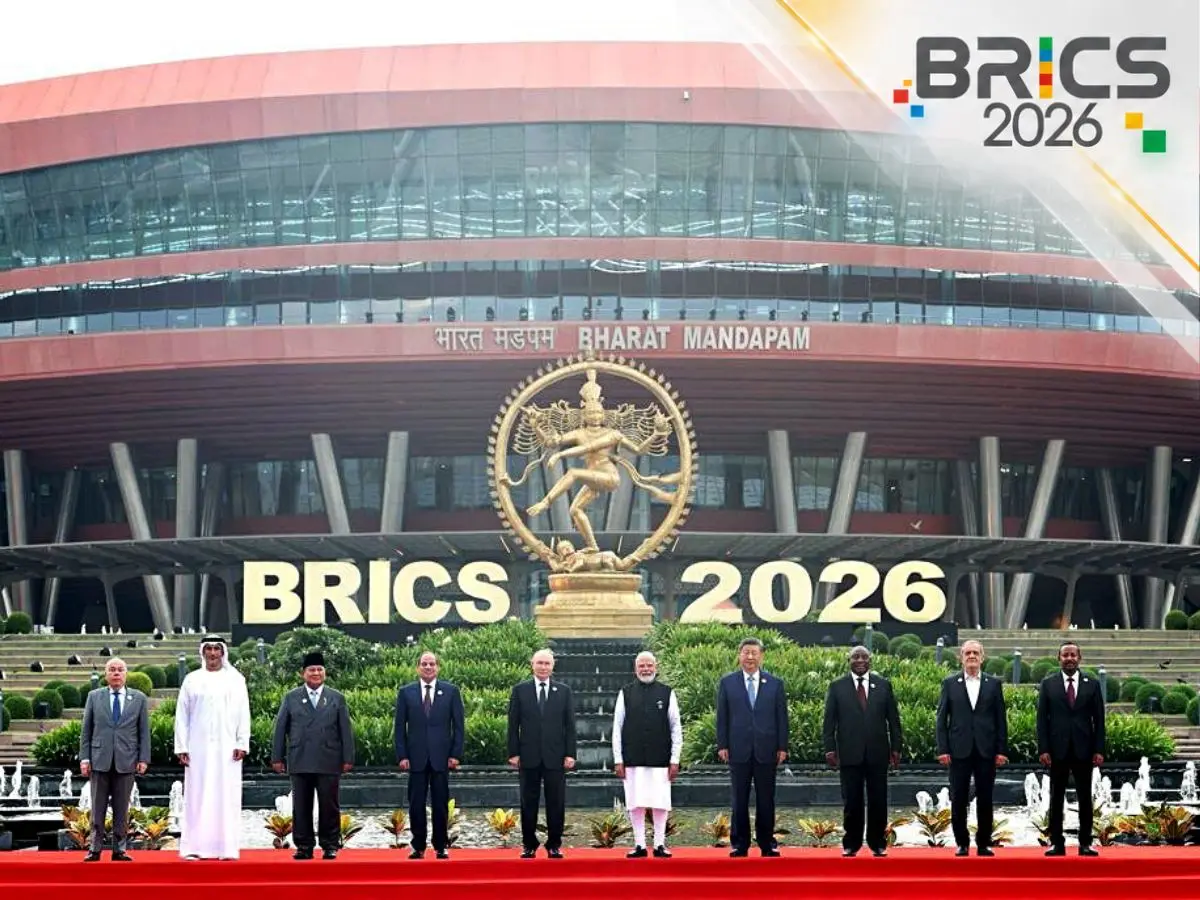
What’s on the menu for Modi’s BRICS gala dinner
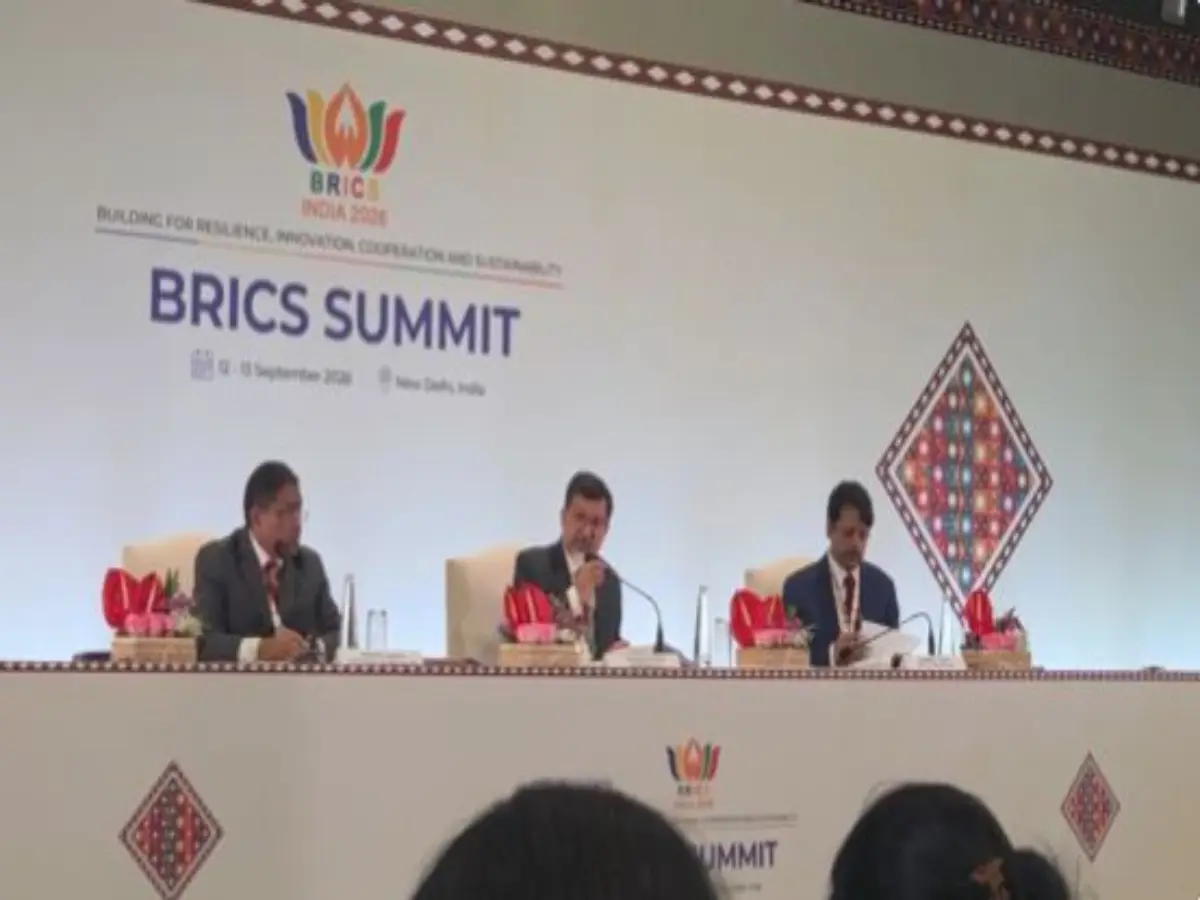
BRICS Adopts New Delhi Declaration With Consensus on West Asia
Indian Leaders Send Rosh Hashanah Greetings to Israel
Yogi Announces Uttar Pradesh Campaign Honoring Modi’s 25-Year Leadership Journey