2 weeks ago
Pune SIR: 28.68 Lakh Voters Uncollectable as Digitisation Reaches 68.4%
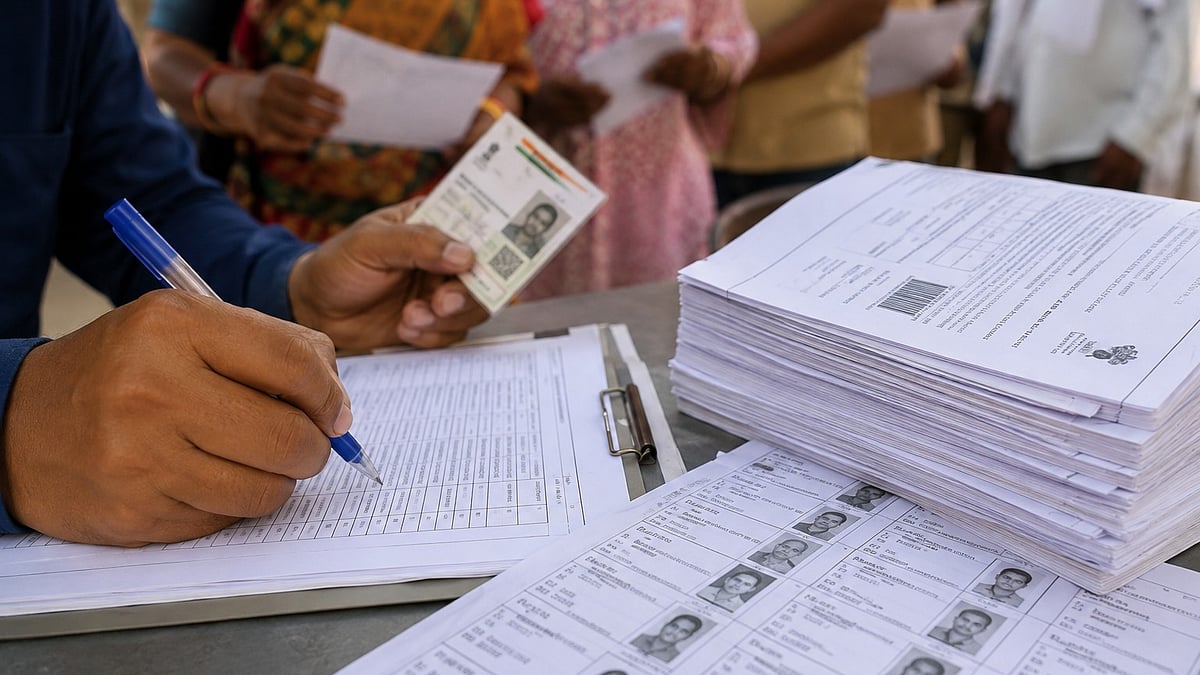
Officials are checking Pune’s voter list through a process called the Special Intensive Revision.
They have digitised forms for about 68.4% of the district’s voters.
Forms for more than 28 lakh voters could not be collected or digitised.
This label does not automatically mean those voters will be removed.
Some voters were also flagged because their records had unusual differences or could not be linked to the 2002 voter list.
These voters can receive notices and attend hearings to explain or correct their records.
A draft voter list will be published on August 24.
The final voter list is expected on October 27.

Pune has 90,80,173 electors across 21 Assembly constituencies.
Enumeration forms for 62,11,856 voters, or 68.4%, have been digitised.
Another 28,68,317 voters are classified as “uncollectable” in the latest report.
Hadapsar, Khadakwasala and Chinchwad have the highest numbers of uncollectable voters.
The draft roll is due August 24, with the final roll scheduled for October 27.
- Who
- Pune district’s 90,80,173 electors, district election officials and voters whose records were flagged.
- What
- The Special Intensive Revision has digitised 62,11,856 enumeration forms and classified 28,68,317 voters as “uncollectable.”
- Where
- Pune district, covering 21 Assembly constituencies in Maharashtra.
- When
- The latest status was reported as of 9am on Wednesday; the draft roll is due August 24 and the final roll on October 27.
- Why
- Officials are revising and verifying electoral-roll records, including forms that could not be collected and records with anomalies or no links to the 2002 roll.
Concerns About Uncollectable Records
Officials’ Clarification and Safeguards
Meaning of the classification
Concerns About Uncollectable Records
The 28,68,317 uncollectable voters are a major concern because their enumeration forms were not collected and digitised.
Officials’ Clarification and Safeguards
Officials state that being classified as uncollectable does not by itself mean a voter will be removed from the final electoral roll.
Flagged voter records
Concerns About Uncollectable Records
Data anomalies and missing links to the 2002 electoral roll can place voters’ eligibility records under scrutiny.
Officials’ Clarification and Safeguards
Officials say such discrepancies do not automatically prove a record is incorrect and may result from age differences, name errors or mapping problems.
Opportunity to respond
Concerns About Uncollectable Records
The proposed deletion of voters in earlier Absent, Shifted, Dead or Duplicate categories raises the importance of reviewing affected records.
Officials’ Clarification and Safeguards
Deputy Collector and District Election Officer Minal Kalaskar said notices will be issued through Booth Level Officers and voters can use hearings to establish eligibility and correct records.
Key facts
- Total electors
- 90,80,173 across 21 Assembly constituencies
- Digitised forms
- 62,11,856 Elector Forms, representing about 68.4% of electors
- Uncollectable voters
- 28,68,317, or 31.6% of the electorate
- Highest number
- Hadapsar has 2,98,391 uncollectable voters
- Highest share
- Khadakwasala has about 46.6% of voters classified as uncollectable
- Earlier ASDD figure
- 28,79,728 voters were earlier marked Absent, Shifted, Dead or Duplicate and proposed for deletion
- Hearing cases
- 15,43,447 voters were identified for hearings, including 7,25,049 data anomalies and 8,18,398 cases with no links to the 2002 roll
- Revision timeline
- Claims and objections run until September 23; hearings continue until October 22; the final roll is scheduled for October 27
Quotes
Minal Kalaskar
Deputy Collector and District Election Officer, Pune
“"Hearings will be conducted and anomalies resolved, with notices being issued to voters through Booth Level Officers (BLOs). Thus, voters flagged during the SIR will still have an opportunity to establish their eligibility and correct their records."”
 freepressjournal.in
Sources
Related news

Pune SIR Verification Ends With 68.34% Forms Digitised, 31.65% Uncollectable
Maharashtra SIR Leaves Over Two Crore Voter Forms Uncollected

Pune SIR Draft Roll Excludes 28.66 Lakh Names; Claims Open
Nashik Digitises 79.82% SIR Voter Applications; 10.3 Lakh Pending
Pune Voter Roll: 25 Lakh Marked Absent, Shifted, Dead, Duplicate
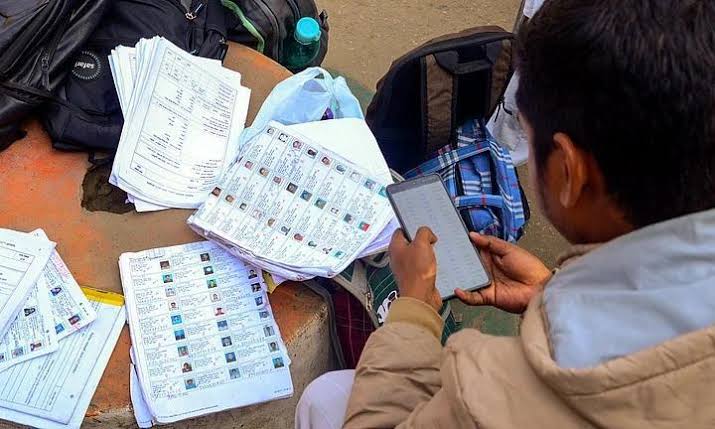
1.87 Crore Maharashtra Voters Fall Under 'Uncollectable EF' Category

Excess Flower Supply Crashes Pune Prices Ahead of Ganpati

Pune Sons Allegedly Beat Father Over Land Sale Dispute
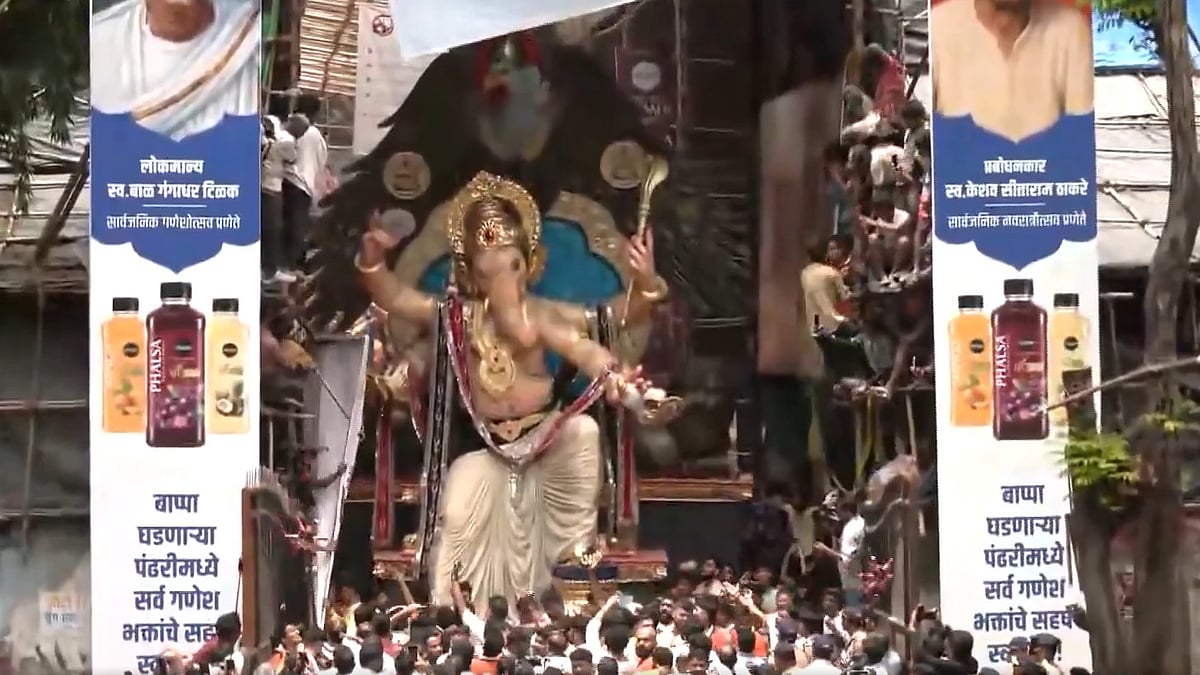
Ganesh Mandals to Promote Maharashtra Public Services Awareness

Ex-serviceman accused in wife’s murder found hanging near Bhima River
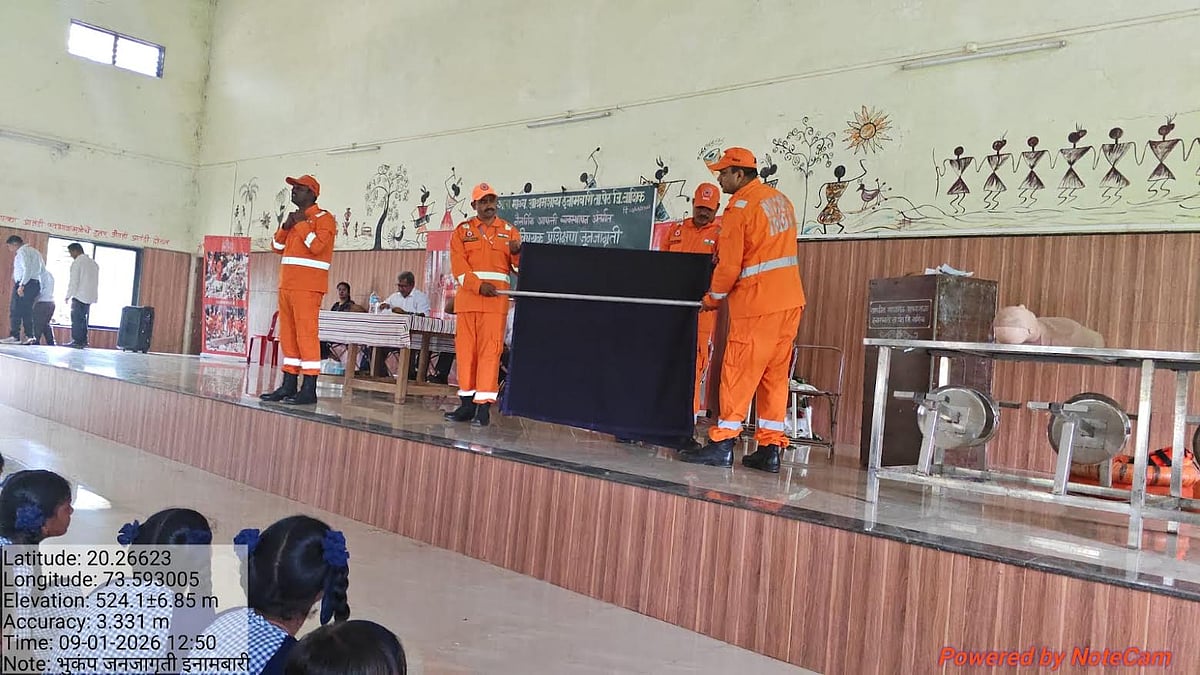
Nashik NDRF Conducts Disaster Training After Earthquake Incidents