2 hrs ago
Maharashtra SIR Flags Discrepancies, Tightens Rules Against Arbitrary Objections
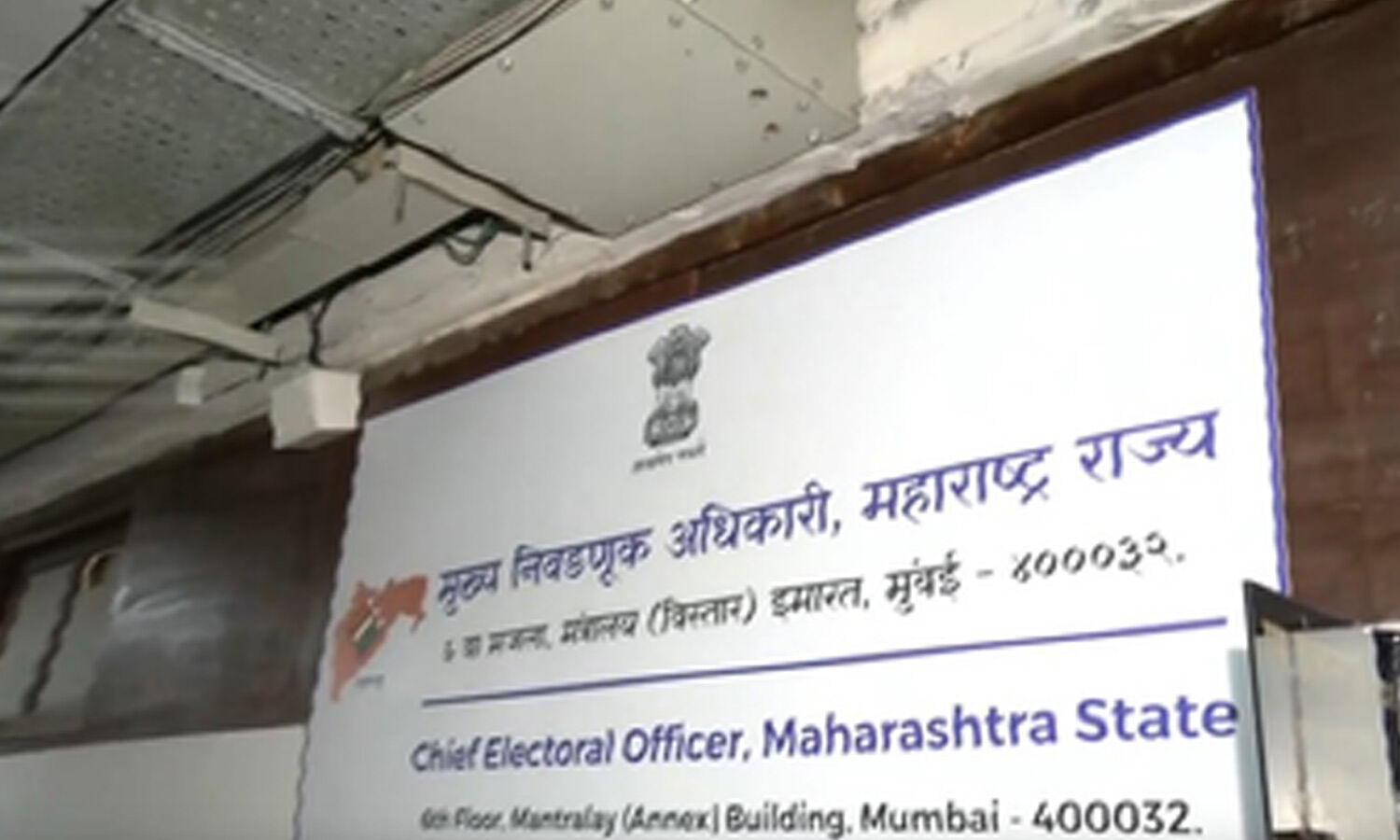
Maharashtra is checking its voter list to make sure it is accurate.
The draft list kept about 7.71 crore voters out of nearly 9.79 crore previously registered voters.
About 2.07 crore names were left out of the draft list.
Officials said many removed names belonged to people who had died or appeared more than once.
They also found information problems in the forms of more than 1.22 crore voters who remain on the draft list.
These voters will receive notices and may need to show documents.
The state election chief wants to stop people from making unfair, mass objections against voters.
Only registered voters from the same Assembly constituency can file such objections.
Challenged voters must get a chance to explain their case before a final decision is made.

Maharashtra’s Special Intensive Revision flagged data discrepancies in enumeration forms for 1,22,24,000 draft-roll voters.
The draft electoral roll retained 7,71,65,562 of the earlier 9,78,54,049 registered voters.
About 2,06,88,487 voters were excluded, including approximately 34 lakh deceased voters and 17 lakh duplicate entries.
Affected voters will receive notices and must provide documentary evidence to confirm their eligibility.
State CEO S. Chockalingam restricted objections to registered voters within the same Assembly constituency and required proof and hearings.
- Who
- The Maharashtra election authorities, State Chief Electoral Officer S. Chockalingam, and voters listed in the draft electoral roll.
- What
- A Special Intensive Revision of Maharashtra’s voter database found discrepancies, removed millions of entries from the draft roll, and introduced safeguards for objections.
- Where
- Maharashtra, including constituencies in Mumbai, Pune, Solapur, Nagpur, and other districts.
- When
- The draft electoral roll was published on August 31; the SIR exercise and verification process are ongoing.
- Why
- To clean up the voter database, identify deceased and duplicate entries, verify questionable records, and prevent targeted or arbitrary voter deletions.
Election Authorities’ Position
Concerns Over Targeted Objections
Purpose of the SIR drive
Election Authorities’ Position
Authorities say the revision is needed to remove deceased and duplicate entries and verify discrepancies in voter records.
Concerns Over Targeted Objections
Political parties have raised concerns that objections could be used to target and remove voters belonging to specific communities.
Handling voter objections
Election Authorities’ Position
The State CEO has limited objections to registered voters within the same Assembly constituency and requires documentary proof.
Concerns Over Targeted Objections
The safeguards were introduced because of fears that partisan representatives could submit systematic mass applications to delete selected names.
Status of flagged voters
Election Authorities’ Position
Authorities say affected voters must provide additional evidence before their voter status is confirmed.
Concerns Over Targeted Objections
Voters and political parties are concerned about possible wrongful exclusions, which is why the challenged voter must be given a hearing.
Key facts
- Previous voter base
- 9,78,54,049 registered voters before the SIR drive.
- Draft-roll electorate
- 7,71,65,562 voters were retained, or 78.86% of the previous total.
- Excluded voters
- 2,06,88,487 voters, or 21.14% of the previous roll, were excluded from the draft list.
- Discrepancy cases
- Technical discrepancies were flagged in the records of 1,22,24,000 retained voters.
- Main deletion factors
- Approximately 34 lakh deceased voters and 17 lakh duplicate entries were removed.
- Objection requirement
- Form-7 objections must come from registered voters in the same Assembly constituency and include proof of ineligibility.
- Due process
- Challenged voters must receive a hearing and an opportunity to submit evidence before removal.
Sources
Related news
Maharashtra Draft Roll Excludes Over 2.06 Crore Voters
Maharashtra SIR Leaves Over Two Crore Voter Forms Uncollected
Maharashtra SIR Draft Roll Excludes 2.07 Crore, Claims Open
Maharashtra SIR Roll Falls Below 2024 Votes Cast
1.8 crore Maharashtra voters likely deleted from draft electoral roll

Maharashtra Congress Seeks More Time for SIR Voter Claims
Shakti Pumps Secures ₹235.92 Crore Order For 10,000 Solar Pumps
Ujjain Temple Draws 12,000 Devotees Amid Idol Relocation Row

Bipasha Basu Raises Concern Over Worms In Isopure Product
Nitin Gadkari Skips Mumbai-Goa Highway Inauguration After Delays
Pune Announces Toll-Free Passes for Konkan Ganesh Devotees