

6 days ago
Nepal Floods Raise Concerns Over Infectious Disease Risks
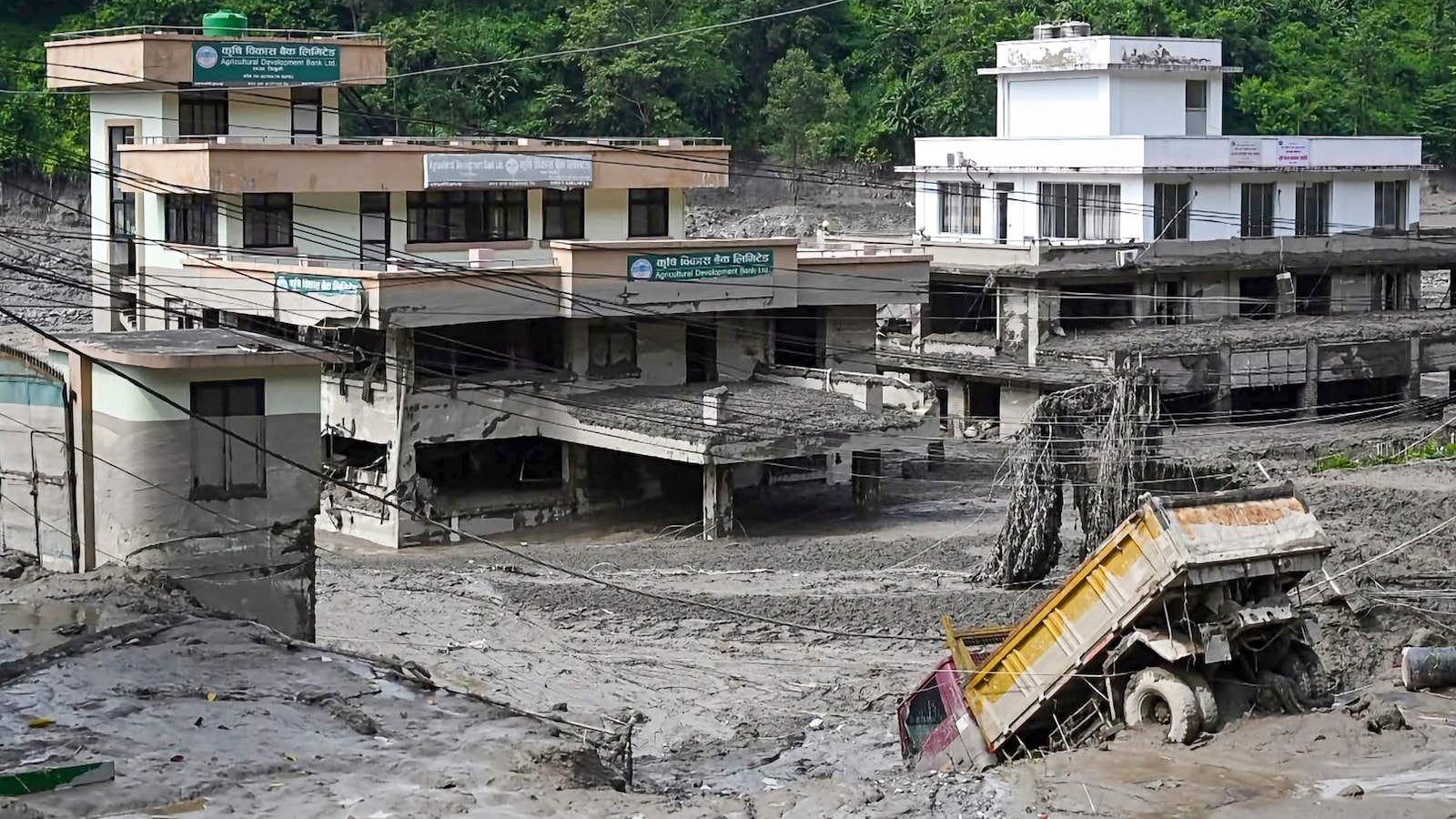
Nepal has been hit by a powerful flood near the Nepal-Tibet border.
The flood carried water, ice, rocks and debris into areas where people live.
Homes, roads and bridges were damaged, and many people died or are missing.
Rescue workers are still looking for survivors.
Floodwater can contain germs, sewage, animal waste and chemicals.
These dangers can make people sick if they drink the water, eat contaminated food or touch it through cuts.
People should use bottled, boiled or treated water and stay away from floodwater.
They should wash their hands, cover wounds and throw away food touched by floodwater.
Anyone who becomes seriously or persistently ill should contact a healthcare professional.

A sudden flash flood struck Nepal near the Nepal-Tibet border on August 26, reportedly after part of a Himalayan glacier collapsed.
Floodwater destroyed homes, roads and bridges, while many people were killed or remain missing.
Sewage, human and animal waste, chemicals and debris in floodwater can spread infections and cause injuries.
Potential health threats include diarrhoeal illnesses, typhoid, hepatitis A, skin infections, leptospirosis and tetanus.
People should avoid floodwater, use safe water, protect wounds, wash hands and seek care for persistent or severe symptoms.
- Who
- People in flood-affected areas, injured residents and rescue teams searching for survivors.
- What
- A flash flood caused deaths, missing people and widespread damage while creating risks of infectious diseases.
- Where
- The Nepal-Tibet border and downstream areas of Nepal.
- When
- The disaster struck on August 26; health risks may continue after floodwater recedes.
- Why
- The flooding was reportedly triggered by the collapse of part of a Himalayan glacier, sending water, ice, rocks and debris downstream.
Key facts
- Disaster type
- Sudden flash flood emergency
- Date
- August 26
- Reported trigger
- Collapse of part of a Himalayan glacier
- Damage
- Homes, roads and bridges were destroyed
- Contamination risks
- Floodwater may contain sewage, human and animal waste, chemicals, dirt and debris
- Possible illnesses
- Diarrhoeal infections, typhoid, hepatitis A, skin infections, leptospirosis and tetanus
- Key precautions
- Avoid floodwater, use safe water, care for wounds and maintain hand hygiene
Sources
Related news

Nepal Floods Raise Infectious Disease Risks and Safety Measures
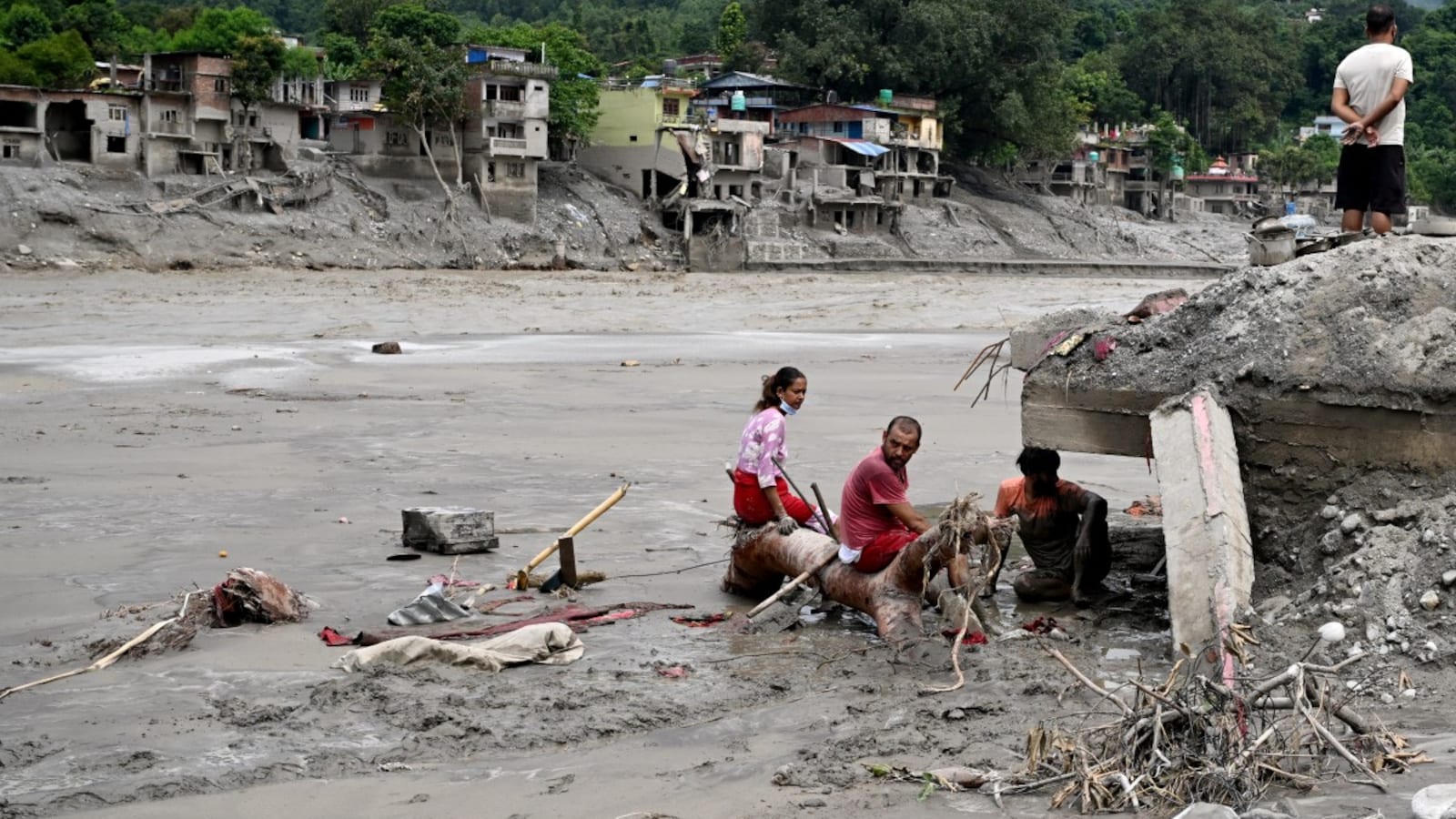
Nepal Flood Health Risks Can Persist Long Afterwaters Recede
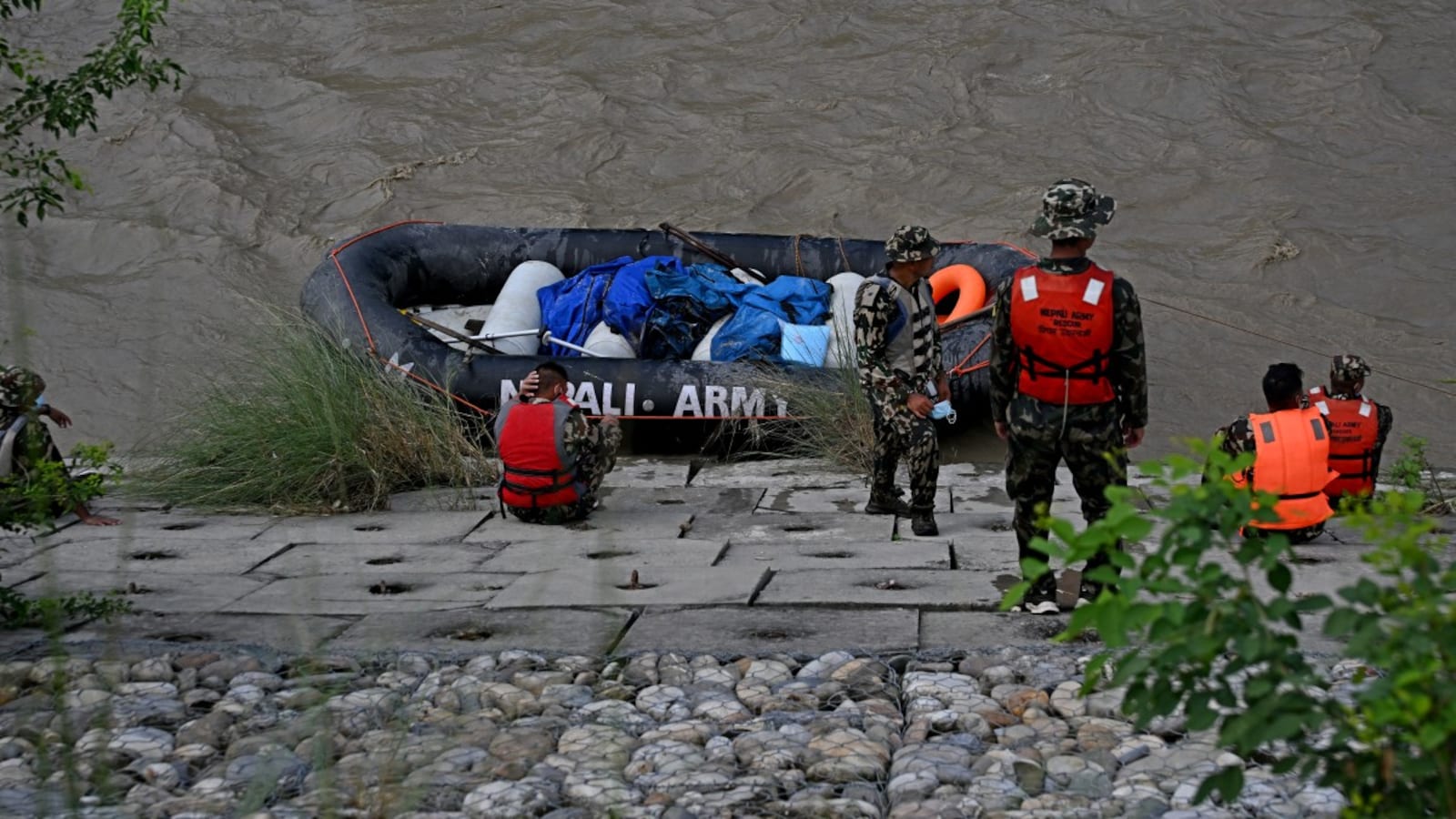
Nepal Floods Send Contamination Downstream, Threatening Bihar's Health

Bihar Warns Against Unknown Fish Carried By Nepal Floodwaters

Nepal Flash Floods Leave Dead and Missing as Salvage Video Spreads
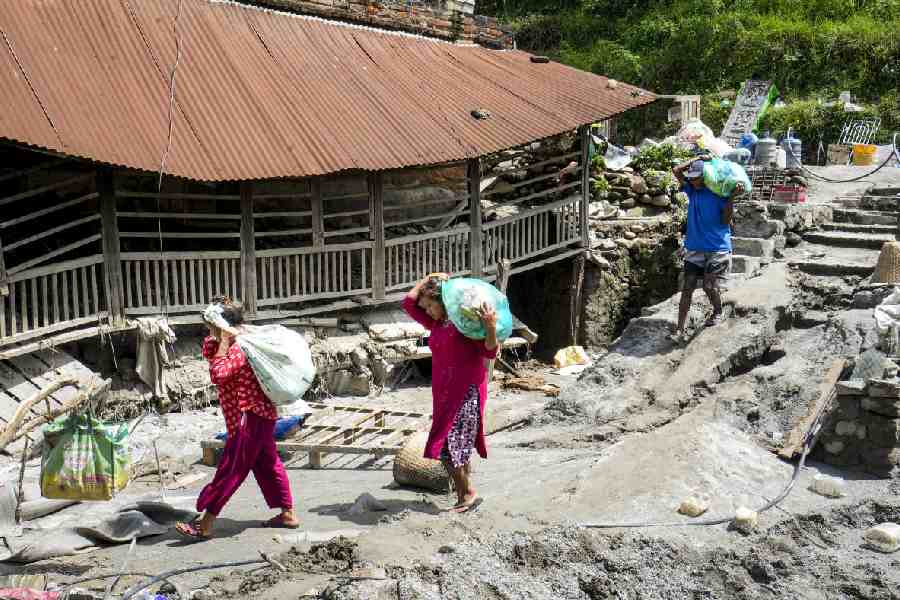
Nepal Flood Survivors Struggle for Food, Water and Shelter

Nepal Thanks India as Glacial Disaster Rescue Efforts Continue
Nepal Warns of Heavy Rain After Deadly Floods
Nepal Flood Exposes Delayed Alerts and Cross-Border Warning Gaps
India to Rebuild Nepal School After Principal Saves 1,600
Maharashtra Mountaineers Join Search for Missing Nepal Trekkers