1 hr ago
Australian Partner Urges Tech Firms to Share Nepal Data

Rishab Iyer and his family went missing during a disaster in Nepal.
They had been visiting Mount Kailash with a tour group.
Rishab’s partner, Sarada Viswanathan, is trying to find clues about where they went.
Phone and tracking information might help rescuers search the right places.
Apple, Optus and Life360 have not given her all the information she requested.
The companies said privacy, security or permission rules limited what they could share.
Australia has sent workers to help with the search and plans to share some telecommunications data with Nepal.
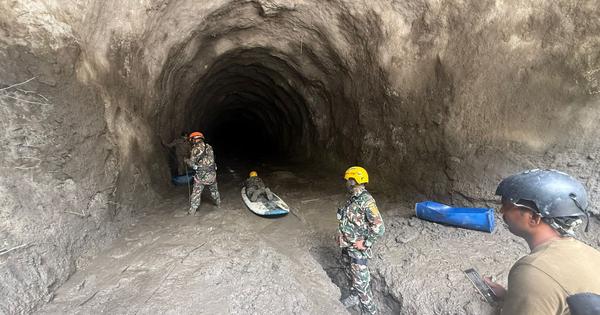
Rescue teams have searched the area where the tour group disappeared.
Sarada says she will continue looking for answers.

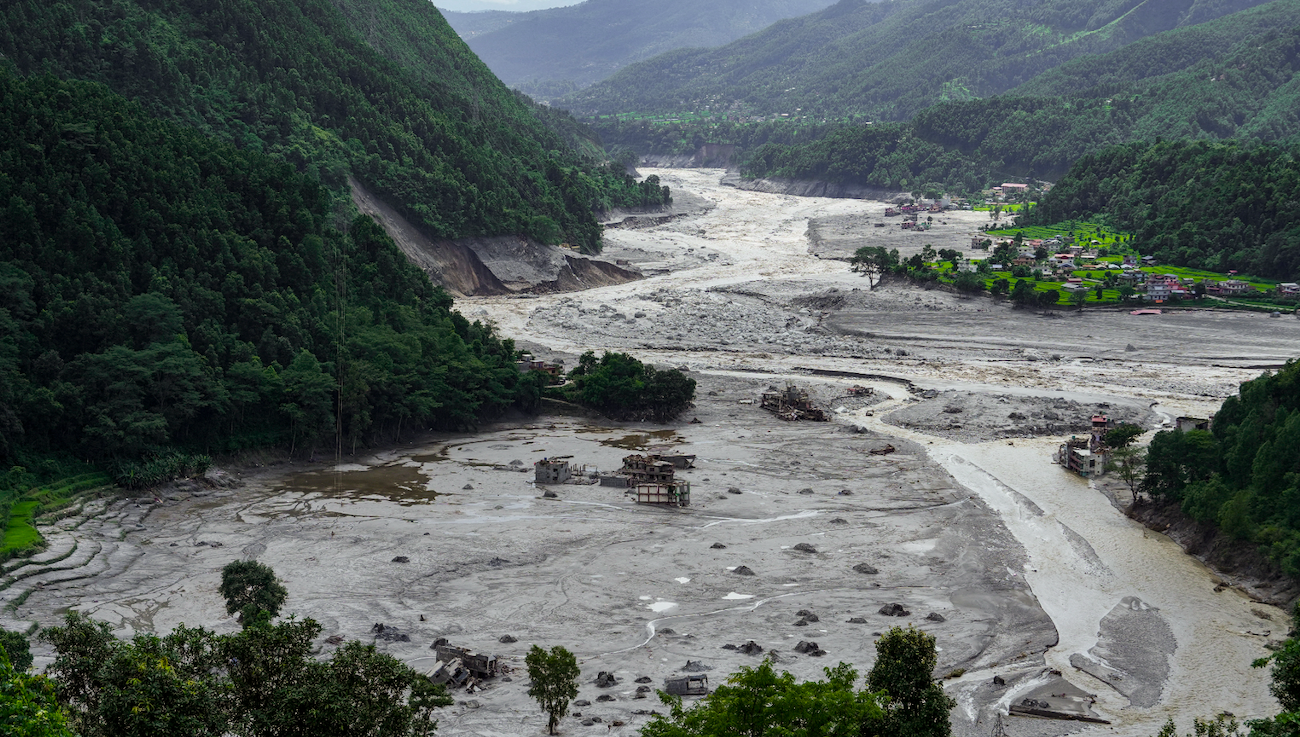
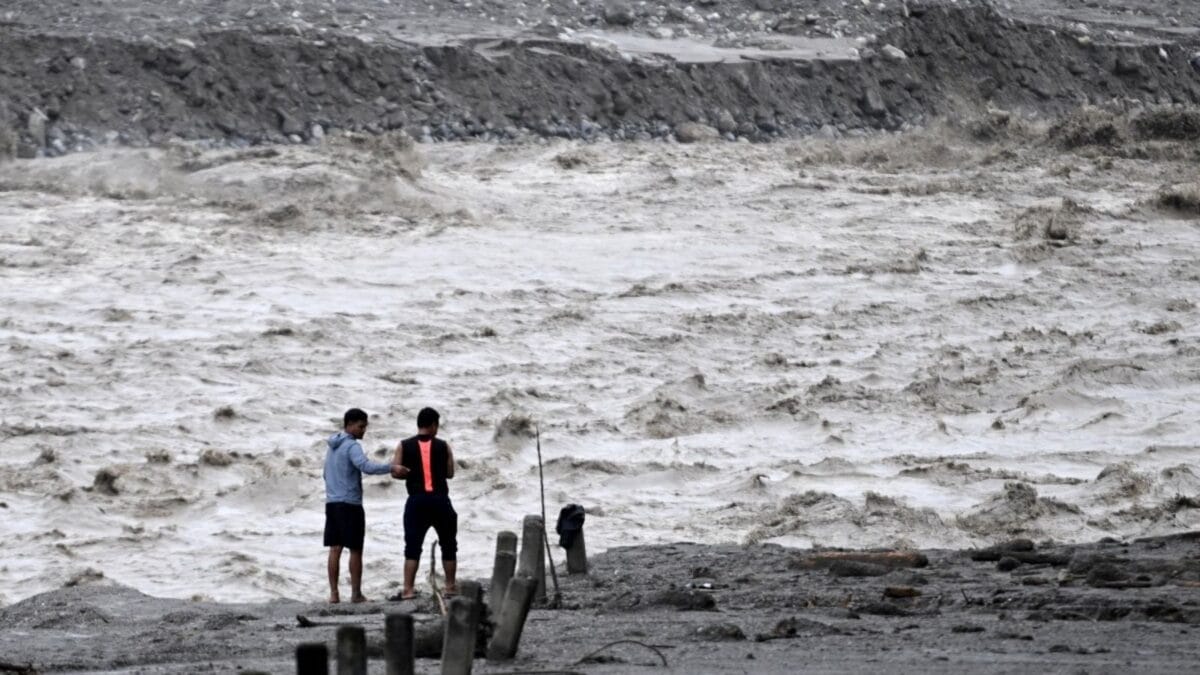
Sarada Viswanathan is seeking information about her missing partner, Rishab Iyer, and his family after floods near Nepal’s border with Tibet.
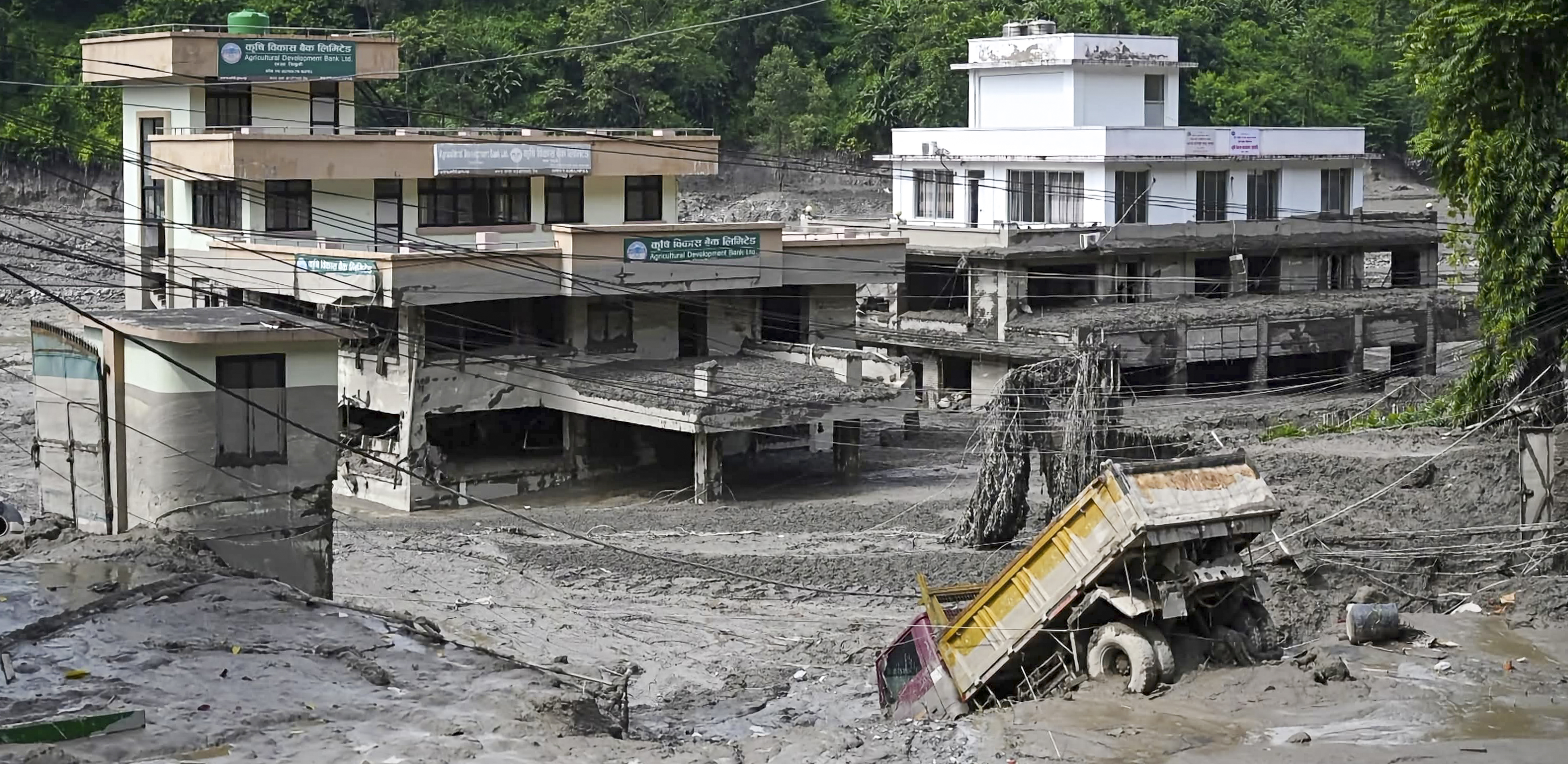
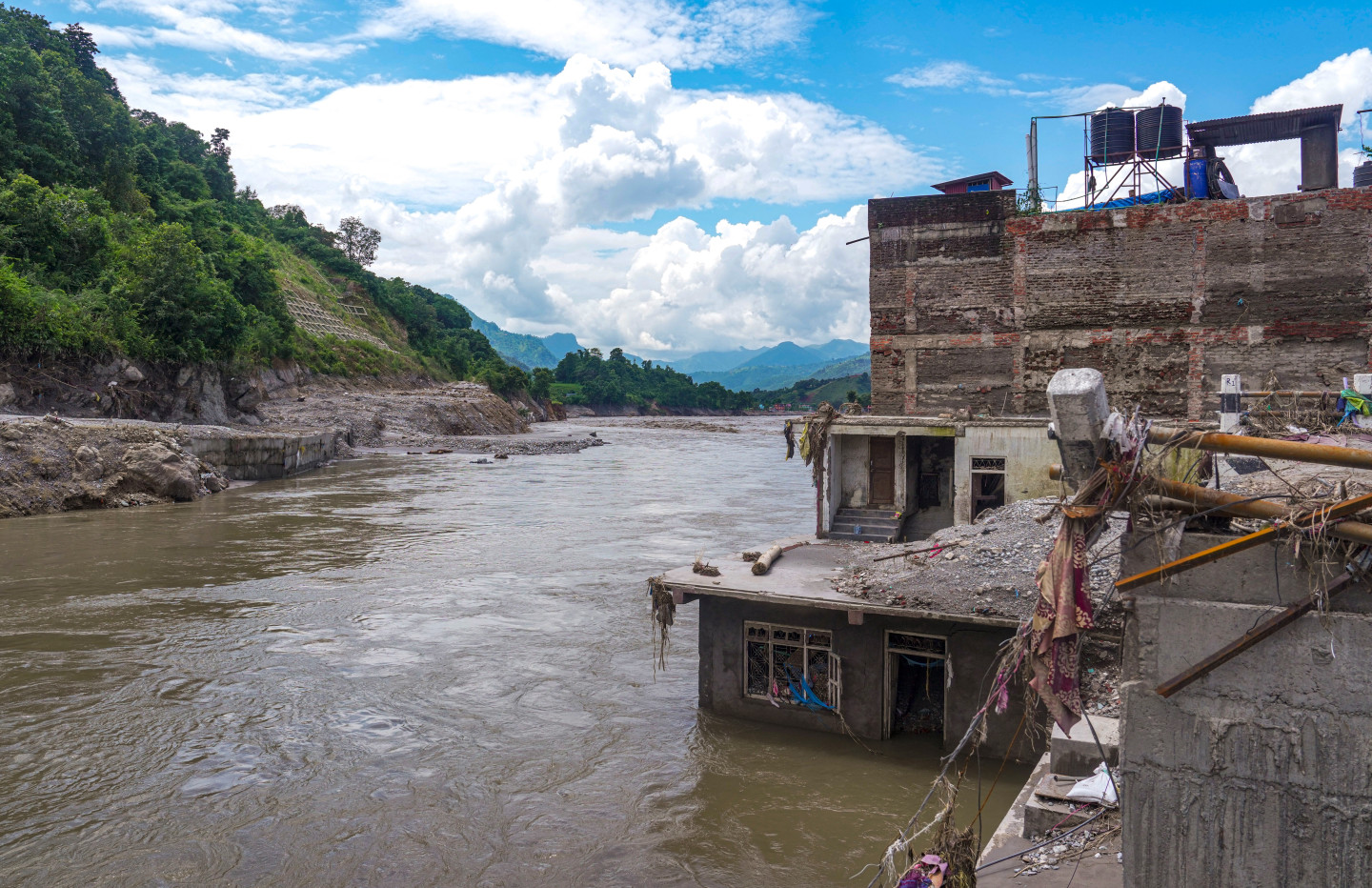
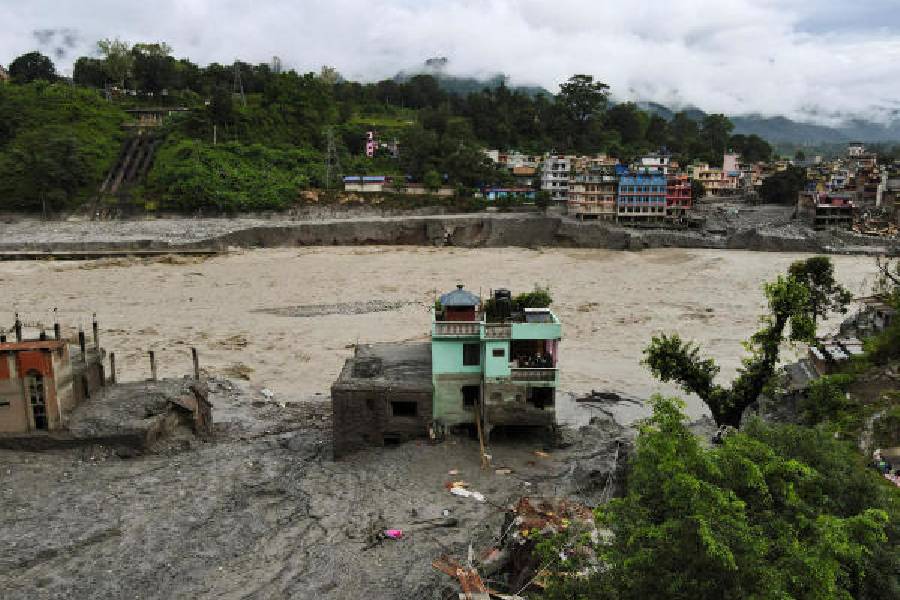
Iyer and his family disappeared after a glacier collapse triggered destructive flooding on August 26.
Apple, Optus and Life360 have not provided Viswanathan with additional location data, citing privacy, security or authorization concerns.
Australia has deployed personnel to Nepal, while Foreign Minister Penny Wong said telecommunications data would be shared with Nepali authorities.
More than 1,200 people have died and over 4,200 remain missing, including 38 Australians, according to the report.
- Who
- Sarada Viswanathan is seeking information about her missing partner, Rishab Iyer, his family and other people missing in the disaster.
- What
- Viswanathan is urging technology companies and the Australian government to provide telecommunications and location data to support rescue efforts.
- Where
- They disappeared near the Nepal-China border, close to Tibet and Mount Kailash.
- When
- Iyer and his family were last heard from on August 26; the report was published on September 3 after eight days of searching.
- Why
- Viswanathan believes additional phone and tracking data could help rescuers identify their movements and narrow the search area.
Family and rescue advocates
Technology companies and privacy safeguards
Access to location data
Family and rescue advocates
Viswanathan says every available phone signal could help save lives and narrow the search, especially because the family’s phones are likely no longer working.
Technology companies and privacy safeguards
Life360 says people outside a user’s authorized circle must request location information through local authorities, while companies cited privacy, security or customer-authorization concerns.
Urgency of disclosure
Family and rescue advocates
Viswanathan argues delays could reduce the family’s chances of survival and says some data may be released too late to be useful.
Technology companies and privacy safeguards
The companies have not provided the requested information directly; Optus said it could not comment on individual customers, and Life360 said it was inappropriate to comment on the ongoing situation.
Government role
Family and rescue advocates
Viswanathan has petitioned Australia to send more people to assist with the search and wants stronger efforts to obtain relevant data.
Technology companies and privacy safeguards
Australia has already deployed personnel to Nepal, and Foreign Minister Penny Wong said telecommunications data would be shared with Nepali authorities.
Key facts
- Disaster date
- August 26
- Reported deaths
- More than 1,200 people
- People still missing
- More than 4,200, including 38 Australians
- Missing group
- Rishab Iyer, his parents and younger brother
- Last known location
- Near their hotel close to the Nepal-Tibet border
- Companies contacted
- Apple, Optus and Life360
- Australian response
- Drone specialists, consular officers, police and defence personnel were deployed to Nepal
Quotes
Sarada Viswanathan
Australian medical student and partner of missing traveler Rishab Iyer
“Our efforts have not dimmed at all. I think a lot of people think that they would have by now because we would have lost some kind of hope. But I think if anything, we’re still working harder than ever.”
 theprint.in
“We want every single signal we can possibly get after the flood hit. We know where they were before, but we have no idea within that 30-minute period of before the flood hit to now.”
theprint.in
Sources
Related news

Singapore Couple Missing After Nepal Floods, Daughters Appeal

Thane Family Awaits News Of Pilgrim Missing After Nepal Floods
Centre Seeks States’ Details on Indians Missing After Nepal Floods

Odisha NRI Couple Missing After Nepal Flash Floods, Officials Say
Family Awaits News of Woman Missing After Nepal Floods
Families Seek Help as Indians Go Missing in Flood-Hit Nepal
Survivors Recount Nepal’s Deadly Flash Floods and Miraculous Escapes
Nepal’s ‘Miracle’ Green House Survives Devastating Himalayan Floods

Brother Search Intensifies After Nepal-Tibet Flash Floods Leave Hundreds Missing
Nepal Flood Exposes Hydropower Project Climate Risk Failures