3 days ago
Nepal Flood Survivors Struggle for Food, Water and Shelter
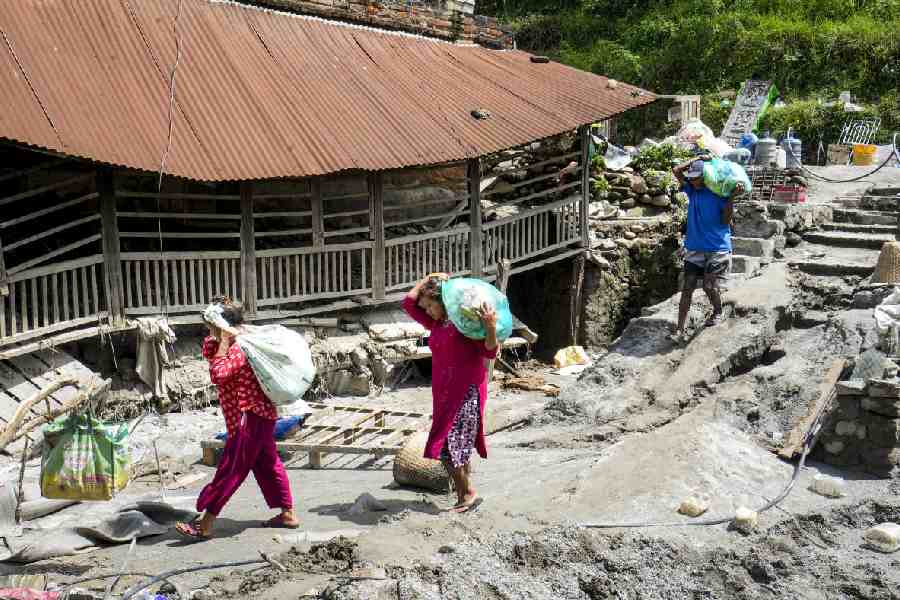
Large floods hit Nepal on August 26 and destroyed homes, roads and water systems.
More than 700 people were reported dead, and about 2,500 were still missing.
Thousands of survivors moved into temporary shelters.
Some stayed in schools, halls and other public buildings.
Many shelters did not have enough clean water, medicine or toilets.
Doctors warned that crowded and dirty conditions could spread disease.
Some people were also searching hospitals for missing family members.
Broken roads and water pipes made it harder for rescuers and aid workers to help.
Survivors now need food, water, medicine and safe homes while their communities recover.

Floods that began on August 26 devastated northern and central Nepal along the Bhotekoshi and Trishuli river system.
The death toll reportedly exceeded 700, while about 2,500 people remained missing.
About 3,500 displaced people were housed in relief camps, schools and public buildings.
Shelters faced shortages of clean water, sanitation, medicines, clothing and other basic necessities.
Damaged roads, canals and pipelines complicated rescue and relief efforts and increased concerns about disease.
- Who
- Thousands of flood survivors, displaced residents, rescuers, medical workers and local authorities in Nepal.
- What
- The August 26 floods caused widespread destruction, deaths, disappearances and displacement, leaving survivors in temporary shelters with shortages of essential supplies.
- Where
- Across northern and central Nepal, particularly in Rasuwa and Nuwakot, including shelters around Trishuli Hospital.
- When
- The floods occurred on August 26; the report was dated August 30 and cited figures reported on Saturday and Sunday.
- Why
- Floodwaters damaged homes, roads, canals and pipelines, forcing people into temporary accommodation and complicating rescue and relief operations.
Key facts
- Reported death toll
- More than 700 people
- People still missing
- About 2,500
- Displaced people accommodated
- About 3,500 in camps, schools and public or community buildings
- Relief camps
- Three in Rasuwa and 15 in Nuwakot
- Nuwakot holding centres
- About 1,000 people in nine centres
- Trishuli Hospital-area camps
- About 1,000 people across three camps
- Key shortages
- Clean drinking water, sanitation, medicines, food, clothing and money
Quotes
Kopila Pariyar
A flood survivor caring for her asthmatic mother at a camp in Kolani, Nepal
“We have not been able to get all of them.”
 telegraphindia.com
 theprint.in
Sources
Related news

Nepal Flash Floods Kill At Least 270, Overwhelm Hospitals

Nepal Floods Leave Hundreds Dead as Search for Survivors Continues
Nepal Floods Kill At Least 160 As Medical Teams Respond
Nepal Floods Overwhelm Response Capacity as Rescue Efforts Intensify

Nepal Flood Survivors Rescued as Families Search for Missing Relatives

Nepal Flood Death Toll Tops 1,200 as Climate Risks Rise
Bihar on Alert as Rivers Swell, Sone Barrage Gates Open
Satellite Radar May Strengthen Nepal's Flood Warning Systems
Nepal Plans New Landslide Warning System Along China Border

Nepal Thanks India as Glacial Disaster Rescue Efforts Continue