4 hrs ago
Nepal Floods Send Contamination Downstream, Threatening Bihar's Health
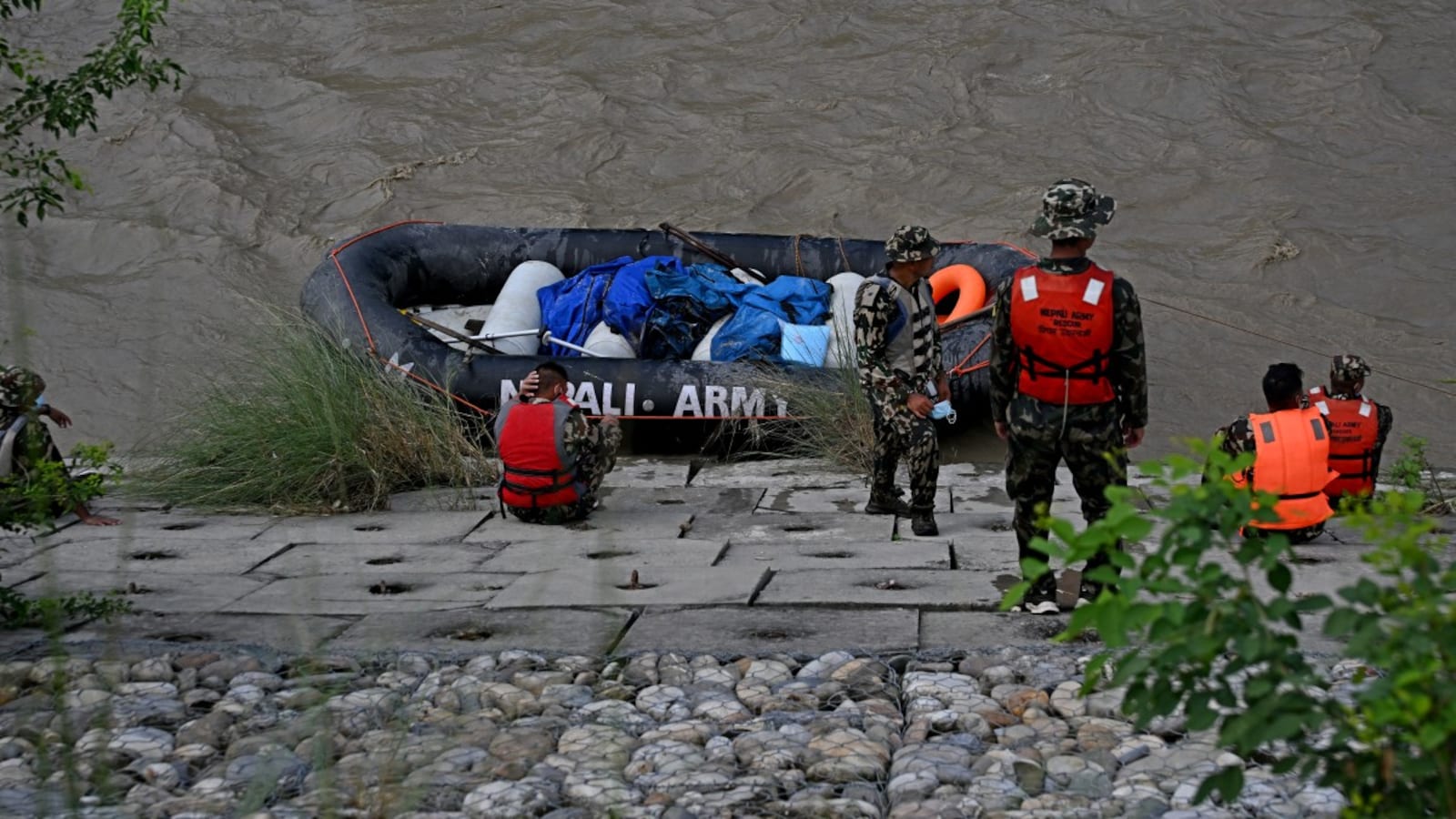
Heavy floods in Nepal have moved dirty water and debris into Bihar.
The debris includes human and animal remains.
Experts say the remains themselves are not the biggest danger.
The main concern is contaminated water.
Dirty water can spread infections.
Floods can also create conditions where mosquitoes become a bigger problem.
Healthcare services may be disrupted during the flooding.
This means people downstream may face health risks even after the water travels away from Nepal.

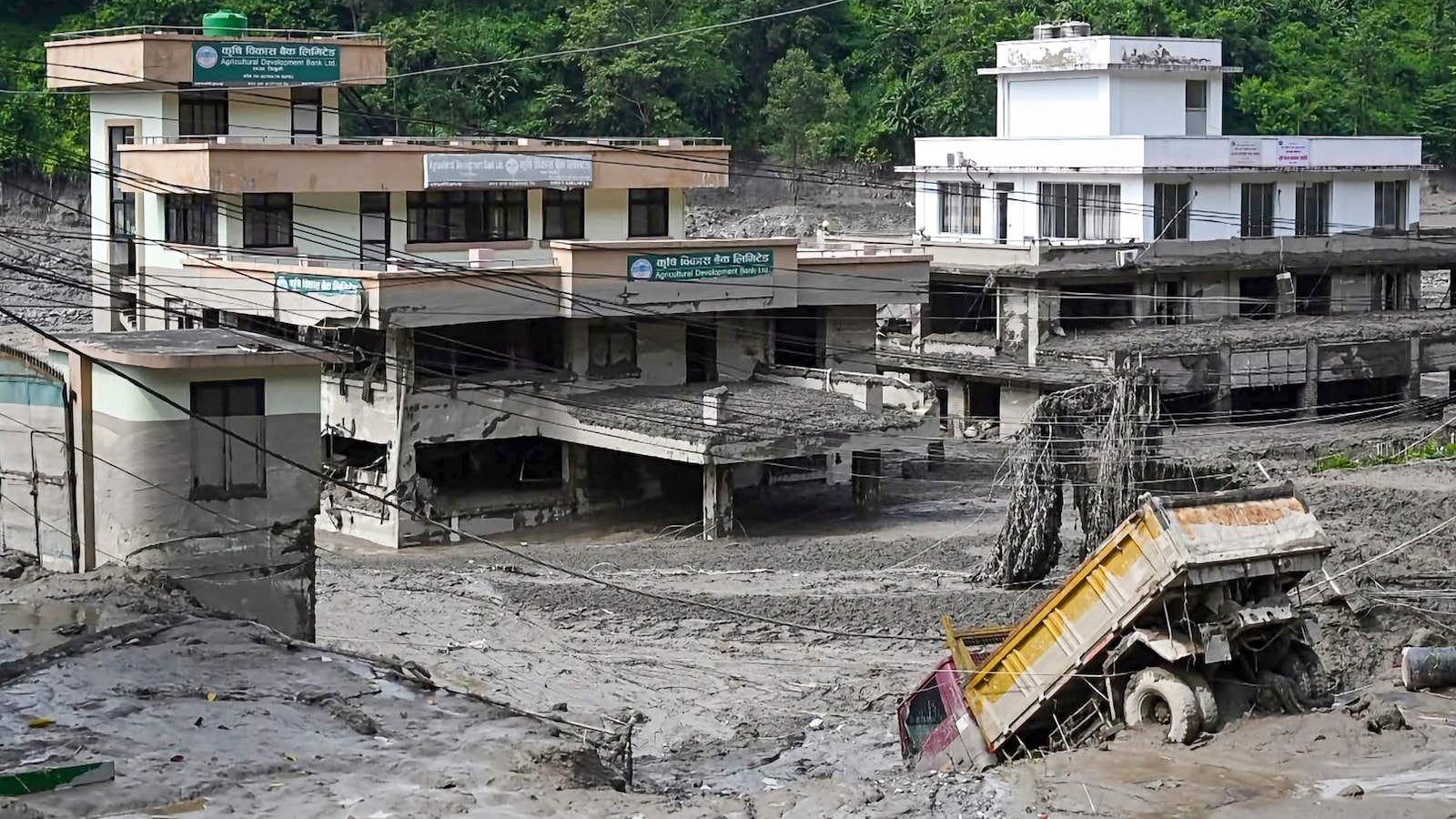
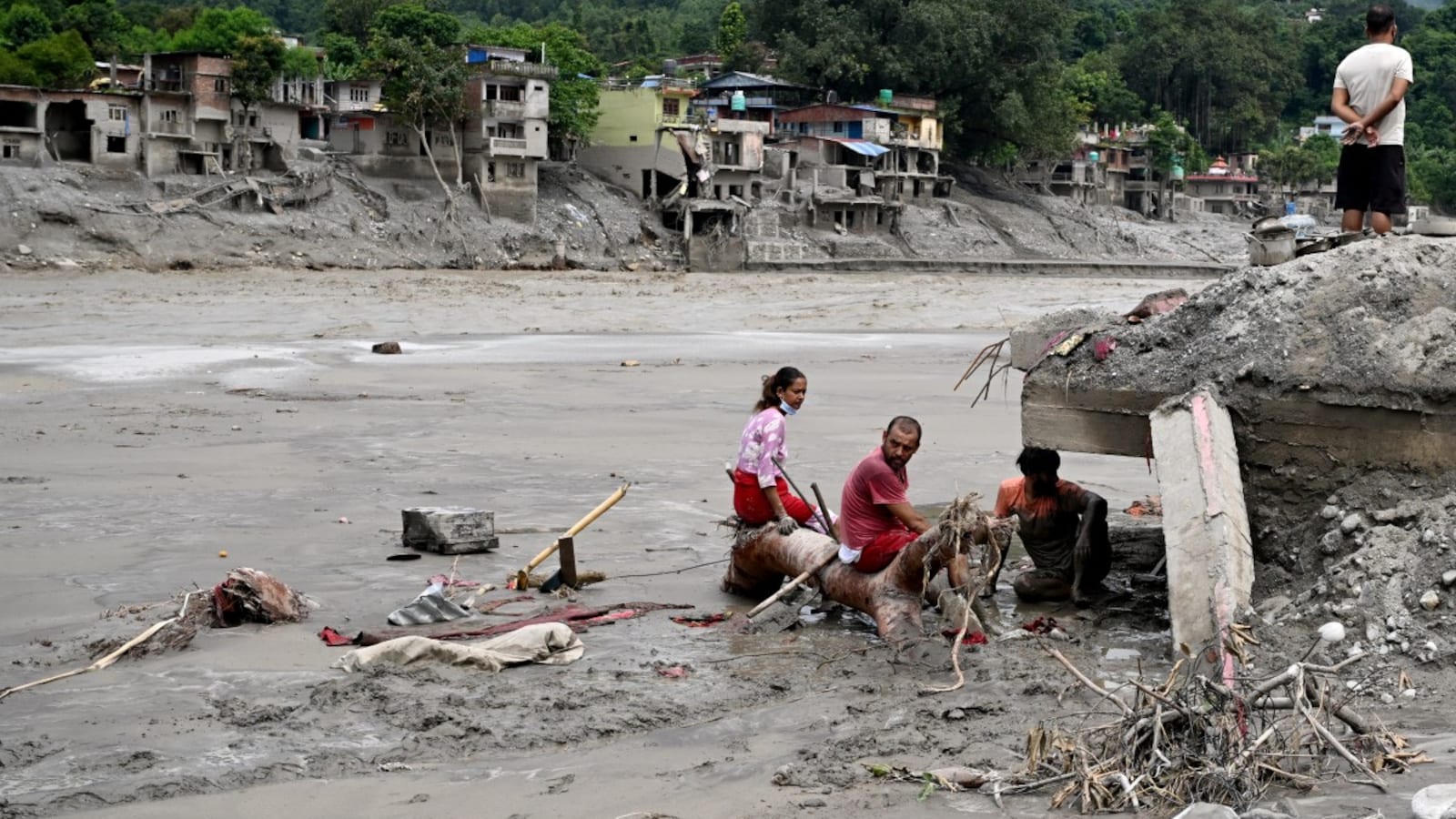
Floodwaters in Nepal have carried contaminated water, debris, and human and animal remains downstream into Bihar.
Experts say contaminated water poses a greater health threat than the bodies themselves.
Potential dangers include infections, mosquito-related risks, and unsafe water exposure.
Flooding can disrupt healthcare services and make it harder for people to receive treatment.
The downstream movement of flood pollution connects Nepal’s disaster to health risks in Bihar.
- Who
- People in Bihar and experts discussing the health risks from Nepal’s floods.
- What
- Floodwaters have carried contamination downstream, creating risks from unsafe water, infections, mosquitoes, and disrupted healthcare.
- Where
- From flood-affected Nepal downstream into Bihar.
- When
- September 2, 2026, according to the article date.
- Why
- The floods pushed contaminated water, debris, and human and animal remains downstream.
Key facts
- Source date
- September 2, 2026
- Origin of flooding
- Nepal
- Affected downstream area
- Bihar
- Materials carried downstream
- Contaminated water, debris, and human and animal remains
- Main health concern
- Contaminated water
- Other risks
- Infections and mosquitoes
- Healthcare impact
- Flooding can disrupt healthcare
Sources
Related news
Nepal Floods Raise Concerns Over Infectious Disease Risks
Bihar Flood Threat Grows as Rivers Swell After Nepal Floods
Nepal Flood Health Risks Can Persist Long Afterwaters Recede

Bihar Warns Against Unknown Fish Carried By Nepal Floodwaters

Nepal Flash Flood Prompts High Alerts Across Bihar, Uttar Pradesh

Nepal Families Perform Last Rites as Flood Bodies Remain Unidentified
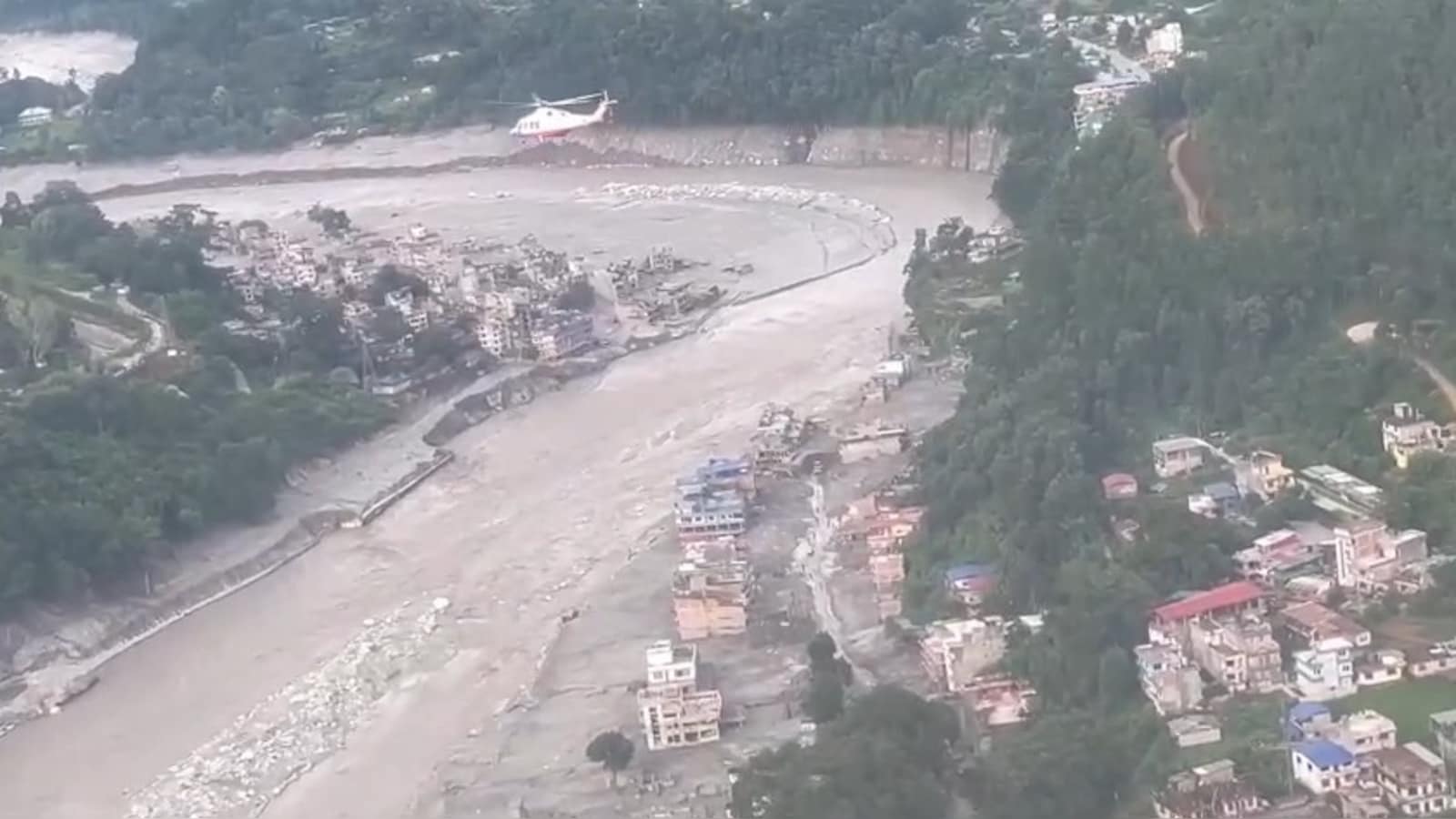
Helicopter Journey Reveals Nepal's Valley of Flood Devastation
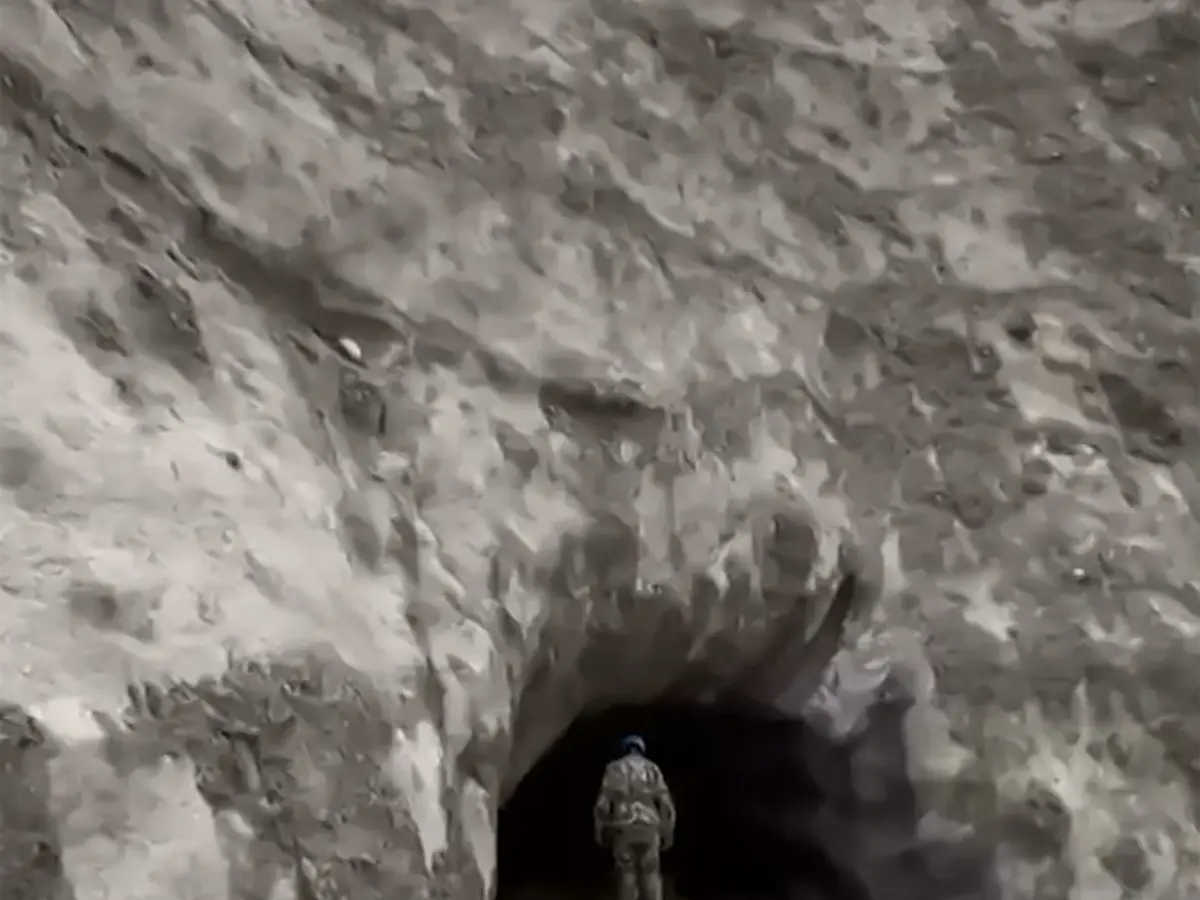
Nepal Tunnel Survivor Alleges Chinese Supervisor Abandoned Workers During Flood
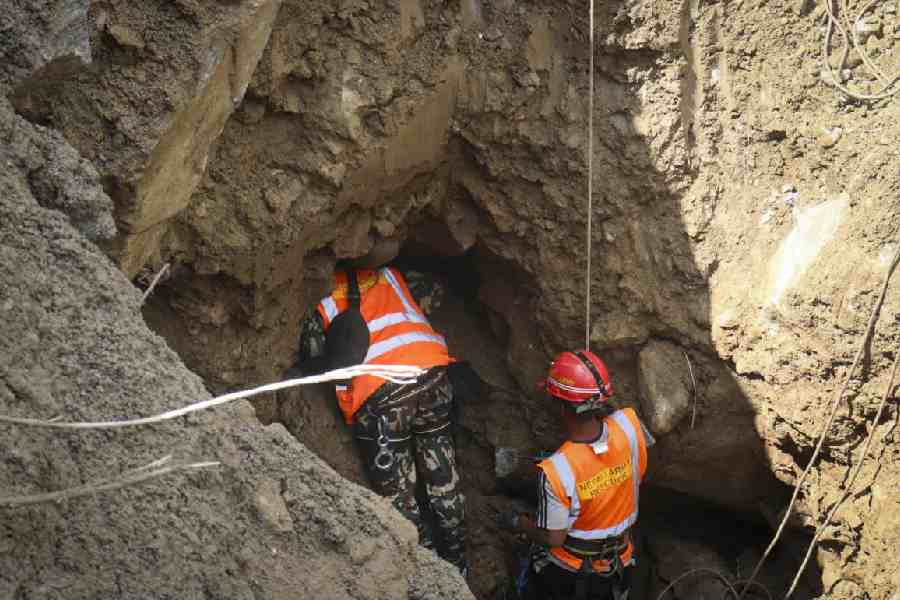
Hope Rises for Workers Trapped in Nepal Hydropower Tunnel
Bhotekoshi Flood Crisis: Nepal PM Shah Calls for Courage