

5 days ago
Nepal Floods Raise Infectious Disease Risks and Safety Measures

Floodwater can make people sick by spreading germs.
Only drink water that is known to be safe.
If you are unsure about tap water, use bottled or properly treated water.
Use safe water when brushing your teeth, preparing food, and making ice.
Throw away food that touched floodwater.
Wash your hands often, especially before eating and after using the toilet.
Keep cuts clean and covered with waterproof dressings.
Ask a medical professional for help if a wound becomes more painful, swollen, red, or produces pus.

Use bottled or properly treated water if tap-water safety is uncertain.
Use safe water for drinking, brushing teeth, cooking, and making ice.
Discard food that has come into contact with floodwater.
Wash hands before eating, preparing food, after using the toilet, and after cleaning contaminated areas.
Keep wounds covered and seek medical care if they become painful, swollen, red, or produce pus.
- Who
- People affected by flooding in Nepal.
- What
- Floodwater may spread infectious diseases, so health authorities advise water, food, hand-washing, and wound-care precautions.
- Where
- Nepal; specific locations are not stated.
- When
- During and after flooding; the article does not specify dates.
- Why
- Floodwater and contaminated supplies can create risks of infection and illness.
Key facts
- Safe drinking water
- Use bottled or appropriately treated water when tap-water safety is uncertain.
- Water uses
- Safe water should be used for drinking, brushing teeth, preparing food, and making ice.
- Flood-exposed food
- Food that has come into contact with floodwater should generally be discarded.
- Hand hygiene
- Wash hands before eating or preparing food, after using the toilet, and after cleaning contaminated areas.
- Wound care
- Keep wounds clean and covered with waterproof dressings.
- Warning signs
- Increasing pain, swelling, redness, or pus from a wound should prompt medical attention.
Sources
Related news
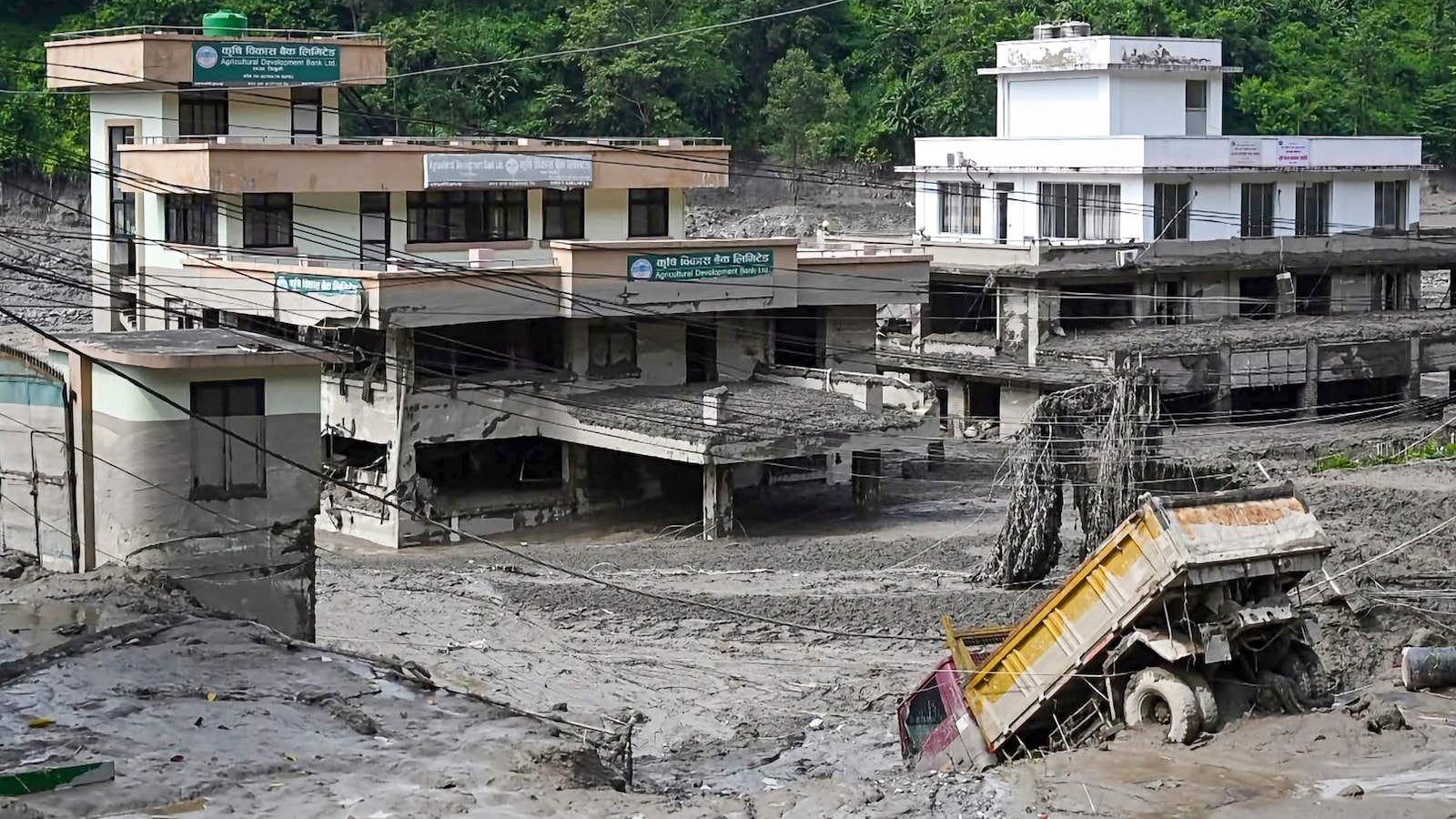
Nepal Floods Raise Concerns Over Infectious Disease Risks
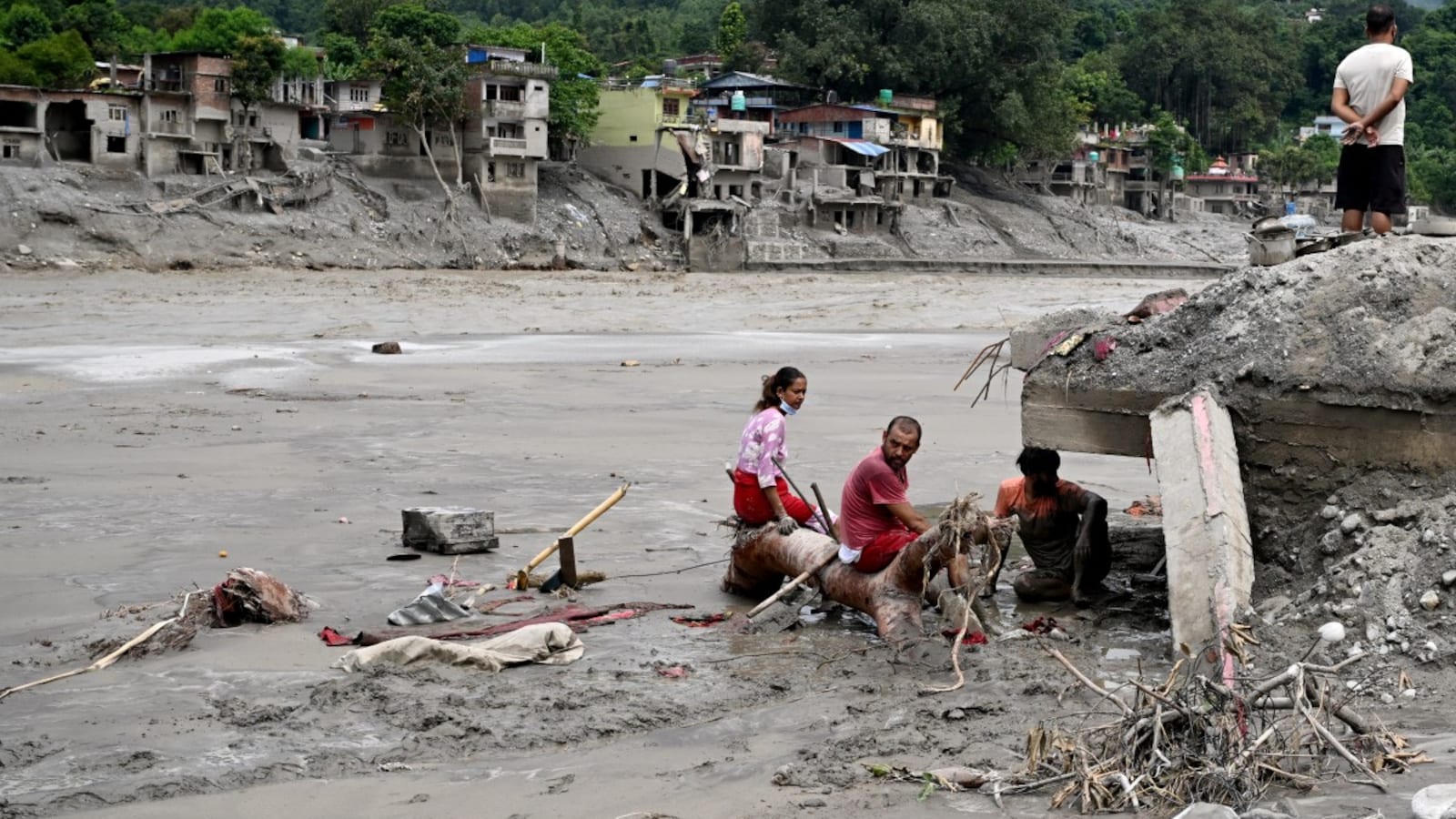
Nepal Flood Health Risks Can Persist Long Afterwaters Recede

Bihar Warns Against Unknown Fish Carried By Nepal Floodwaters

Nepal Floods: Tourists Urged to Follow Safety Guidance
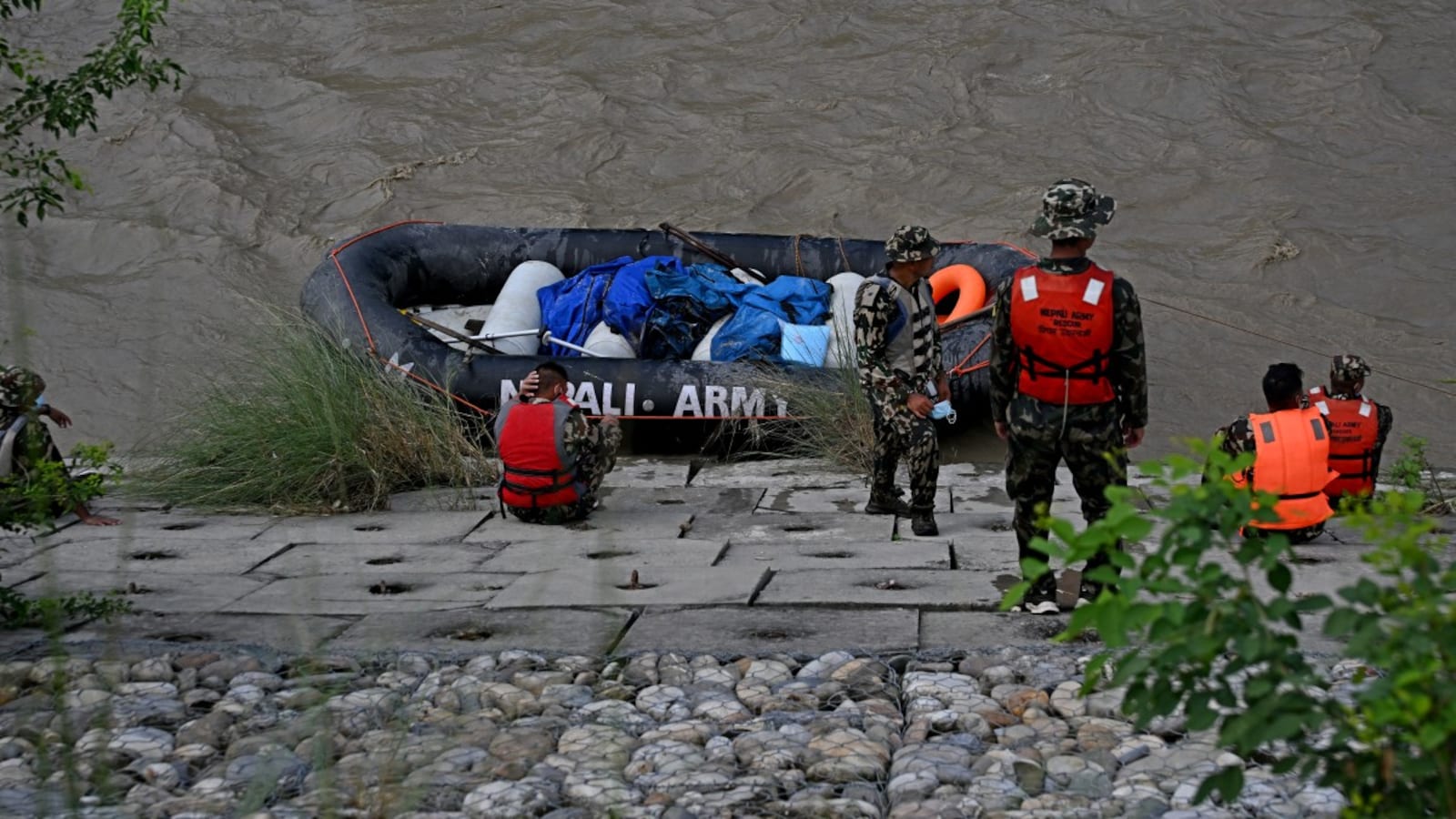
Nepal Floods Send Contamination Downstream, Threatening Bihar's Health
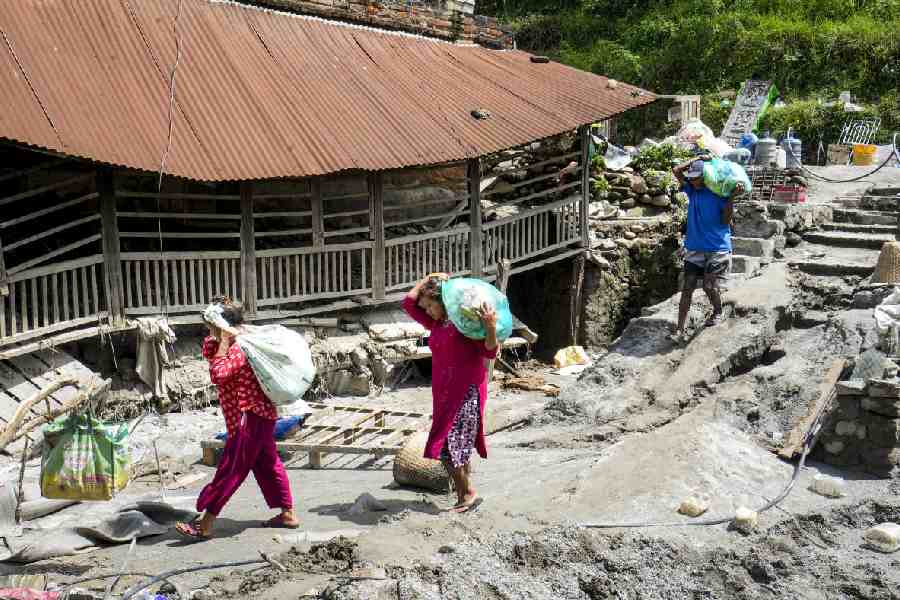
Nepal Flood Survivors Struggle for Food, Water and Shelter

Nepal Thanks India as Glacial Disaster Rescue Efforts Continue
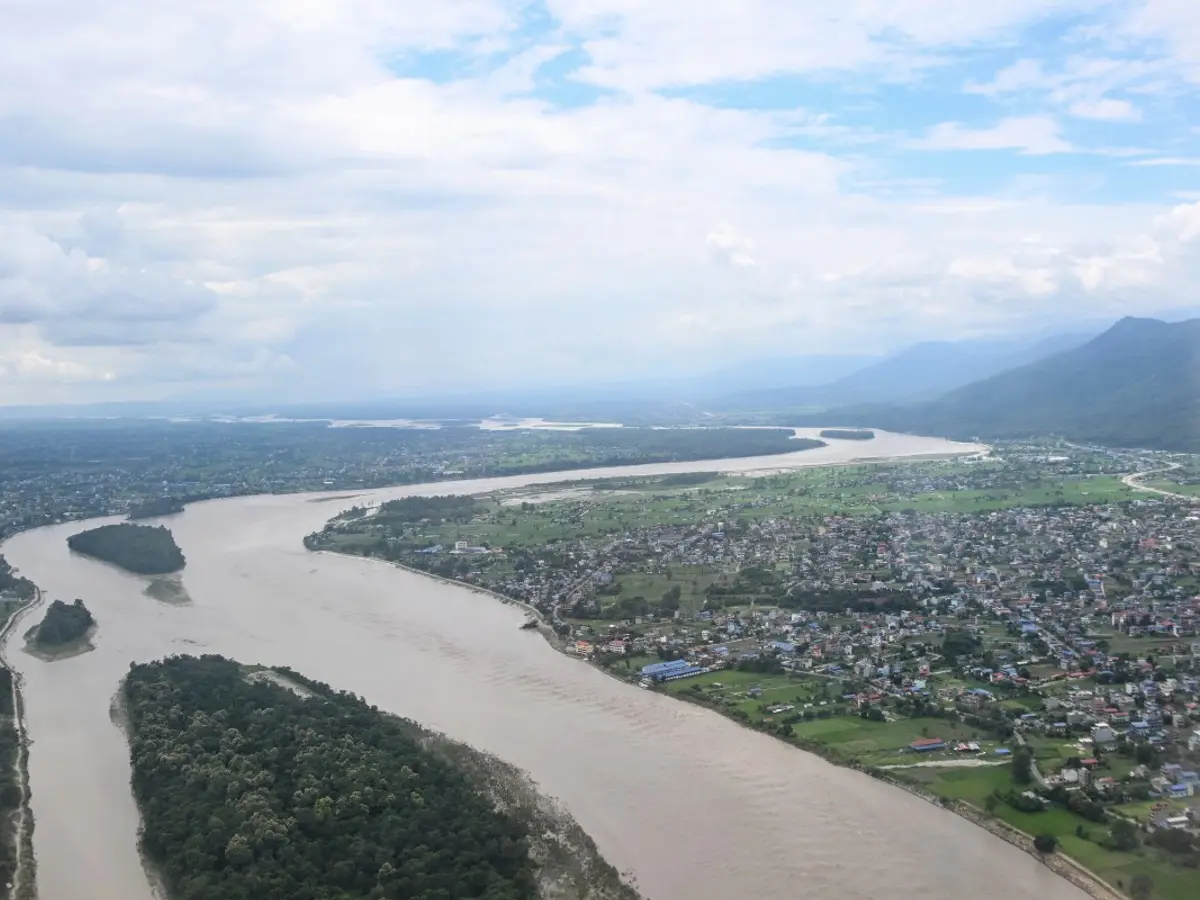
Nepal Warns of Heavy Rain After Deadly Floods
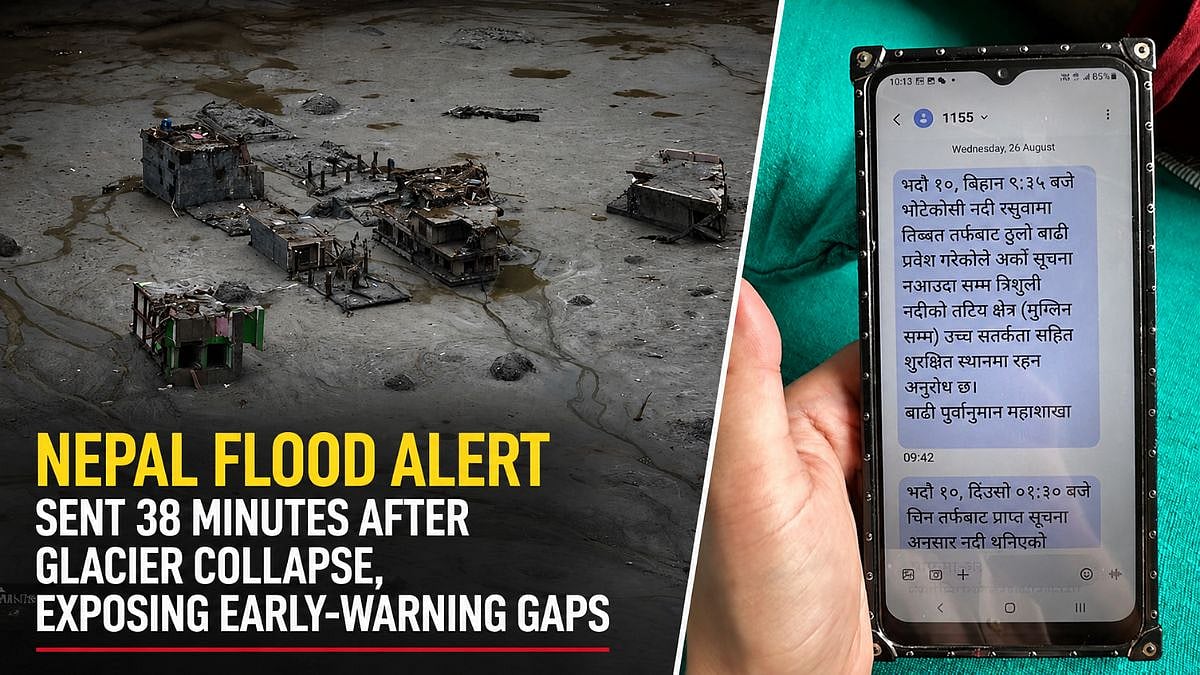
Nepal Flood Exposes Delayed Alerts and Cross-Border Warning Gaps
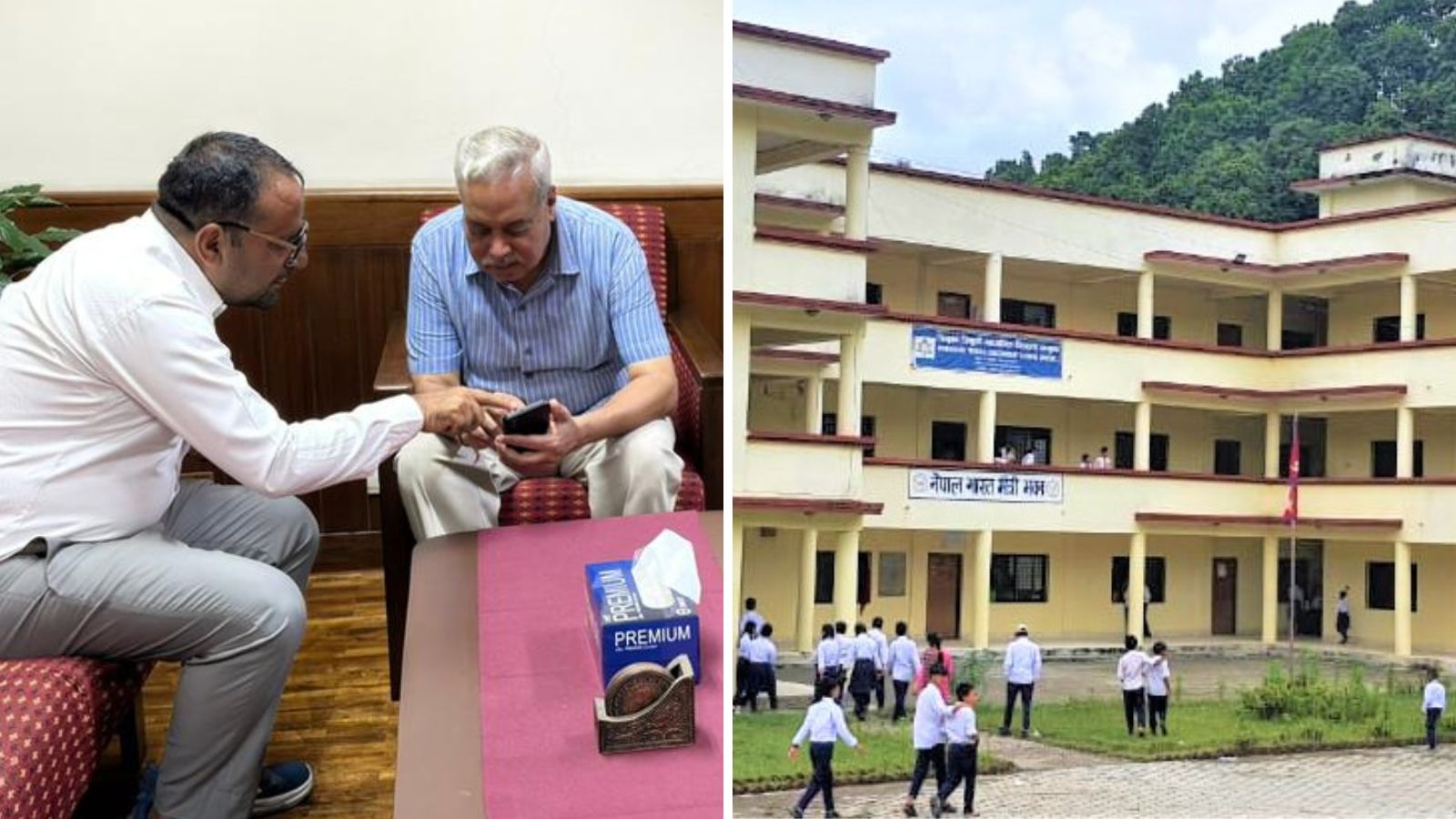
India to Rebuild Nepal School After Principal Saves 1,600
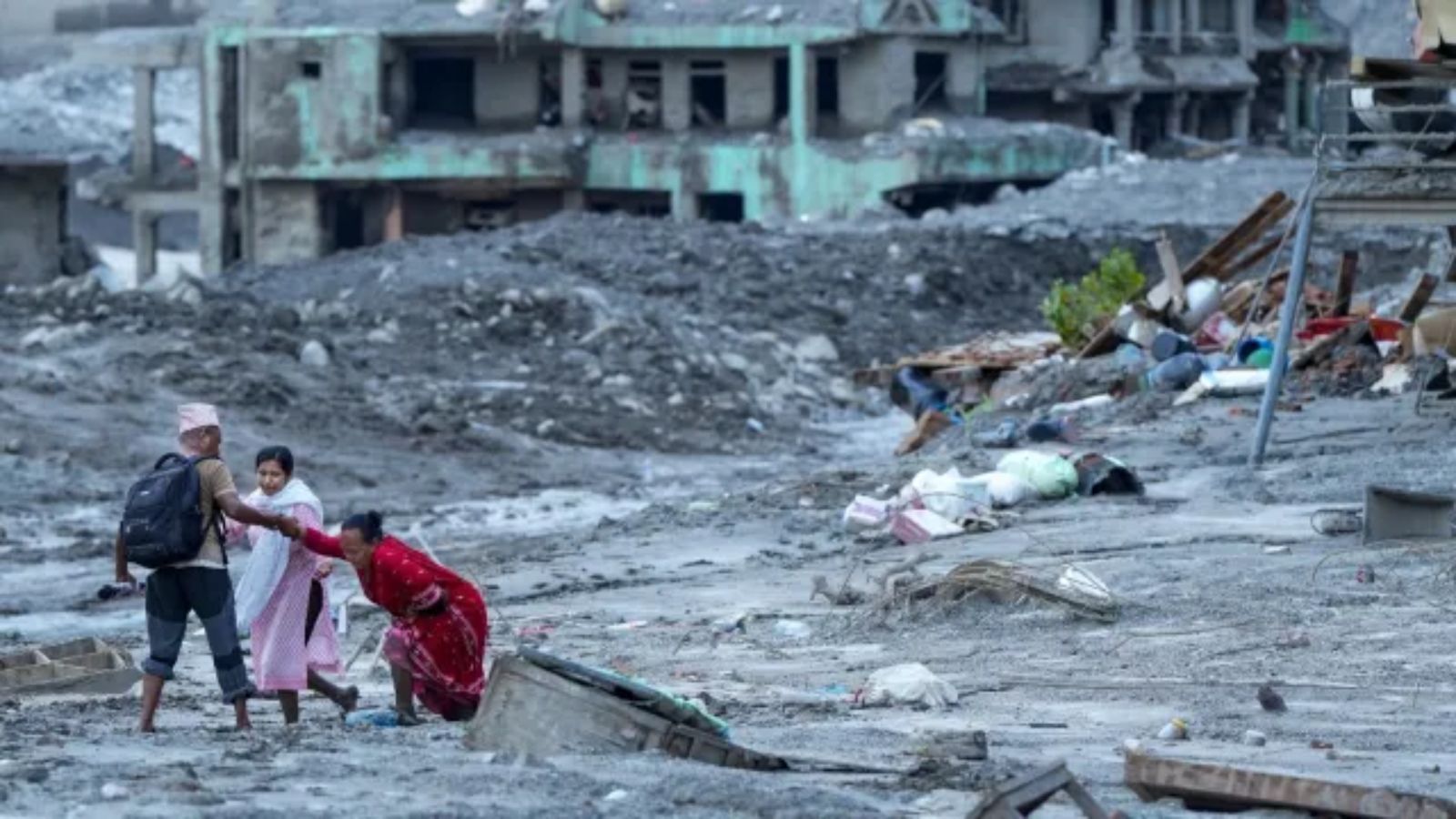
Maharashtra Mountaineers Join Search for Missing Nepal Trekkers