1 hr ago
How Bone Signals May Connect to Blood Sugar Control
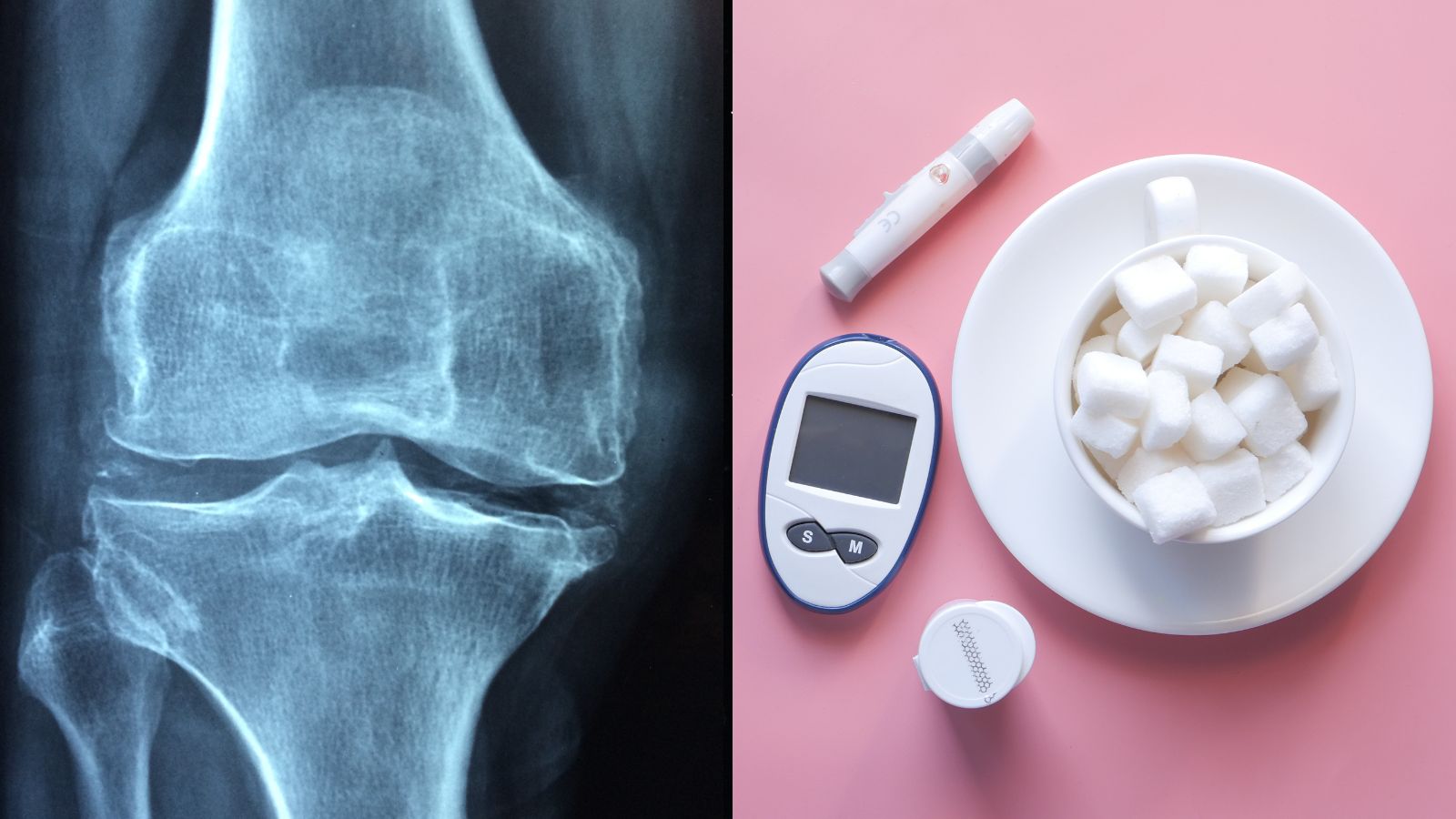
Bones do more than hold up the body.
They are active and constantly renew themselves.
Some bone cells make a protein called osteocalcin.
Scientists are studying whether it helps the body manage insulin and blood sugar.
Early studies in animals and cells suggest it might, but the evidence in people is not yet clear.
Diabetes can also affect bone strength, even when a bone-density test looks normal.
Shared factors such as age, activity, diet, and body weight may affect both bones and blood sugar.
Exercise that loads bones, good nutrition, and blood sugar management can support both.
Osteocalcin is still being studied and is not an established blood sugar treatment.

Bone-forming cells produce osteocalcin, which researchers have proposed may affect insulin secretion and sensitivity.
Animal and cell studies suggest osteocalcin could influence glucose metabolism, but evidence in humans is less definitive.
The clinically relevant form of osteocalcin and how it should be measured remain uncertain.
People with type 2 diabetes can face higher fracture risk, even when bone mineral density is normal or relatively high.
Exercise, adequate nutrition, healthy weight management, and good blood sugar control can support both bone and metabolic health.
- Who
- Dr Raju Vaishya, senior consultant orthopaedic and joint replacement surgeon at Indraprastha Apollo Hospitals, explains the research.
- What
- The article examines possible links between bone metabolism, osteocalcin, and glucose regulation.
- Where
- New Delhi is identified as Dr Vaishya's location.
- When
- Why
- Researchers are investigating whether signals from bone communicate with systems involved in glucose regulation.
Key facts
- Bone signal discussed
- Osteocalcin, a protein produced by bone-forming osteoblasts.
- Proposed effects
- The undercarboxylated form may influence pancreatic beta-cell function, insulin secretion, and insulin sensitivity.
- Evidence status
- Animal and cellular research is suggestive; evidence in humans is less definitive.
- Research uncertainties
- The relevant form of osteocalcin and how to measure it clinically remain uncertain.
- Diabetes and fractures
- People with type 2 diabetes have higher fragility-fracture risk, even with normal or relatively high bone mineral density.
- Shared health habits
- Resistance and weight-bearing exercise, adequate nutrition, healthy weight management, and good glucose control support both systems.
- Treatment caveat
- Osteocalcin should not be presented as an established treatment for lowering blood sugar.
Quotes

Dr Raju Vaishya
Senior consultant orthopaedic and joint replacement surgeon at Indraprastha Apollo Hospitals, New Delhi.
“Experimental studies suggest osteocalcin can increase insulin production and improve glucose uptake, while insulin signalling in osteoblasts may, in turn, affect osteocalcin activation—creating a potential bone–pancreas feedback loop.”
 indianexpress.com
“Bones are not just structural tissue; they also act as an endocrine organ.”
indianexpress.com
Sources
Related news
Recurring Muscle Cramps May Signal Blood Sugar Problems

Study links romantic meals to lower post-meal glucose levels

Women’s Hormonal and Metabolic Health Changes Across Aging

Post-Meal Walks Offer Practical Blood Sugar and Metabolic Benefits

What HbA1c Results Mean When Blood Sugar Looks Similar

AIIMS Study Links Metabolic Health to Fat Around Kidneys

Prepuberty Symptoms May Predict Risk of Painful Periods
Why Brain Haemorrhage Recovery Can Take Months After Survival
Infected Pacemaker Replaced With Leadless Device, Helping Patient

Foods and Drinks That Can Interfere With Antibiotics