

2 hrs ago
What HbA1c Results Mean When Blood Sugar Looks Similar

HbA1c is a blood test that shows average blood sugar over time.
Sometimes it does not match the blood sugar readings you see at home.
This mismatch does not always mean something is seriously wrong.
You should not panic, but you should discuss it with a doctor.
Fasting and after-meal readings can show what your blood sugar is doing directly.
A test called fructosamine can show average sugar levels over the previous two to three weeks.
A continuous glucose monitor can track sugar during the day.
Treating anaemia or a deficiency may make future HbA1c results more dependable.

An HbA1c result may not always match fasting or post-meal blood glucose readings.
People should neither panic nor ignore an HbA1c result that does not fit the wider picture.
Fasting, post-meal, and home glucose readings provide direct information about sugar levels.
Fructosamine measures average glucose over about two to three weeks and is not affected by red blood cell lifespan.
Continuous glucose monitoring and treatment of underlying anaemia or deficiency may help clarify or improve future results.
- Who
- People whose HbA1c results do not match their other blood sugar readings.
- What
- Guidance on understanding mismatched HbA1c, glucose readings, and possible alternative tests.
- Where
- Not specified in the article.
- When
- Fructosamine reflects average glucose over about two to three weeks; no publication date is specified.
- Why
- To help clarify blood sugar levels when HbA1c may not fit the rest of the results.
Key facts
- Issue
- HbA1c may not match fasting, post-meal, or home glucose readings.
- Direct readings
- Fasting and post-meal glucose tests, plus home logs, show sugar levels directly.
- Alternative test
- Fructosamine reflects average glucose over about two to three weeks.
- Fructosamine distinction
- Fructosamine does not depend on red blood cell lifespan.
- Additional monitoring
- Continuous glucose monitoring tracks sugar levels through the day.
- Potential factor
- Underlying anaemia or deficiency may affect the reliability of future HbA1c results.
Sources
Related news
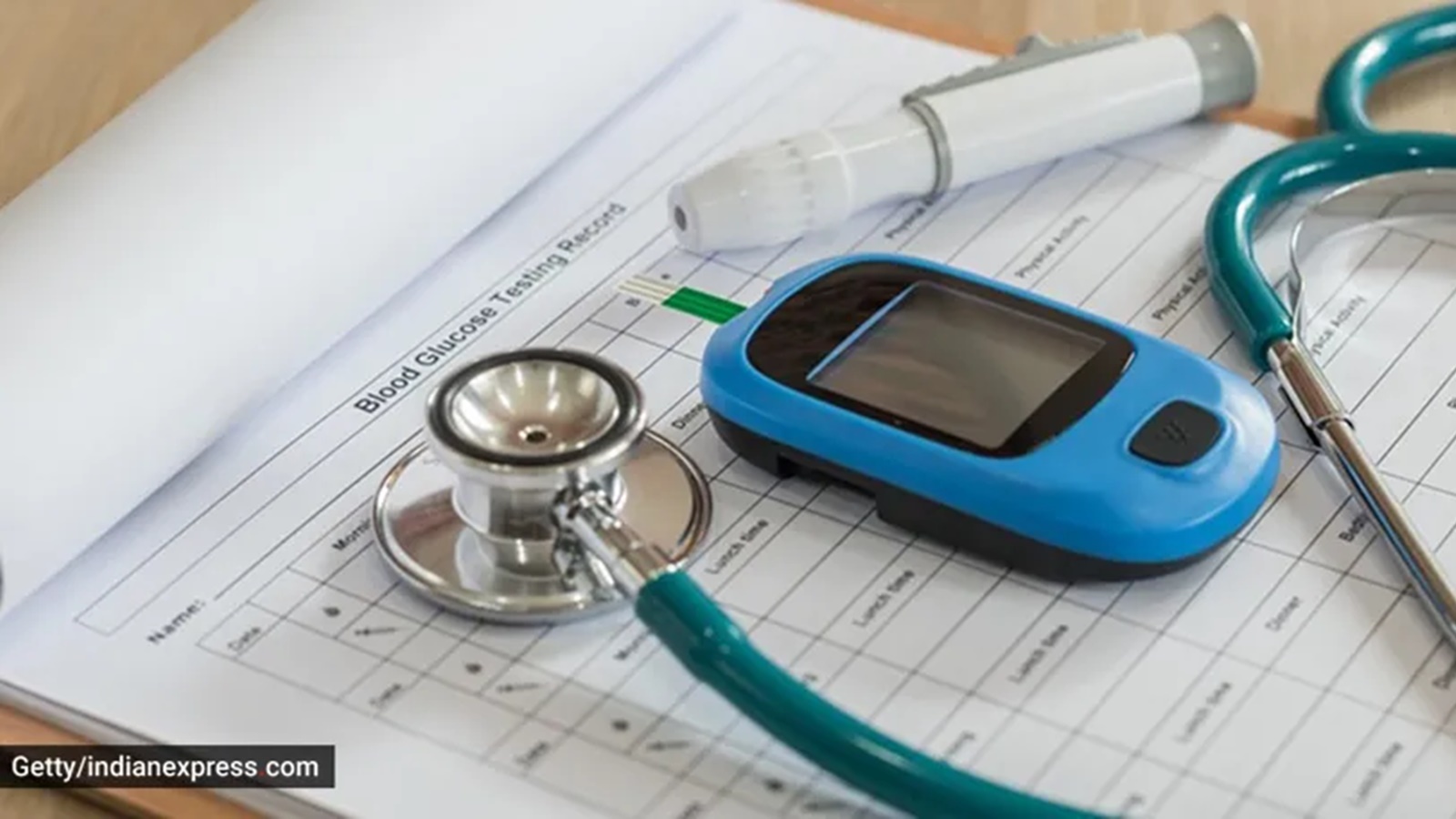
High Glucose With Low HbA1c Requires Medical Evaluation
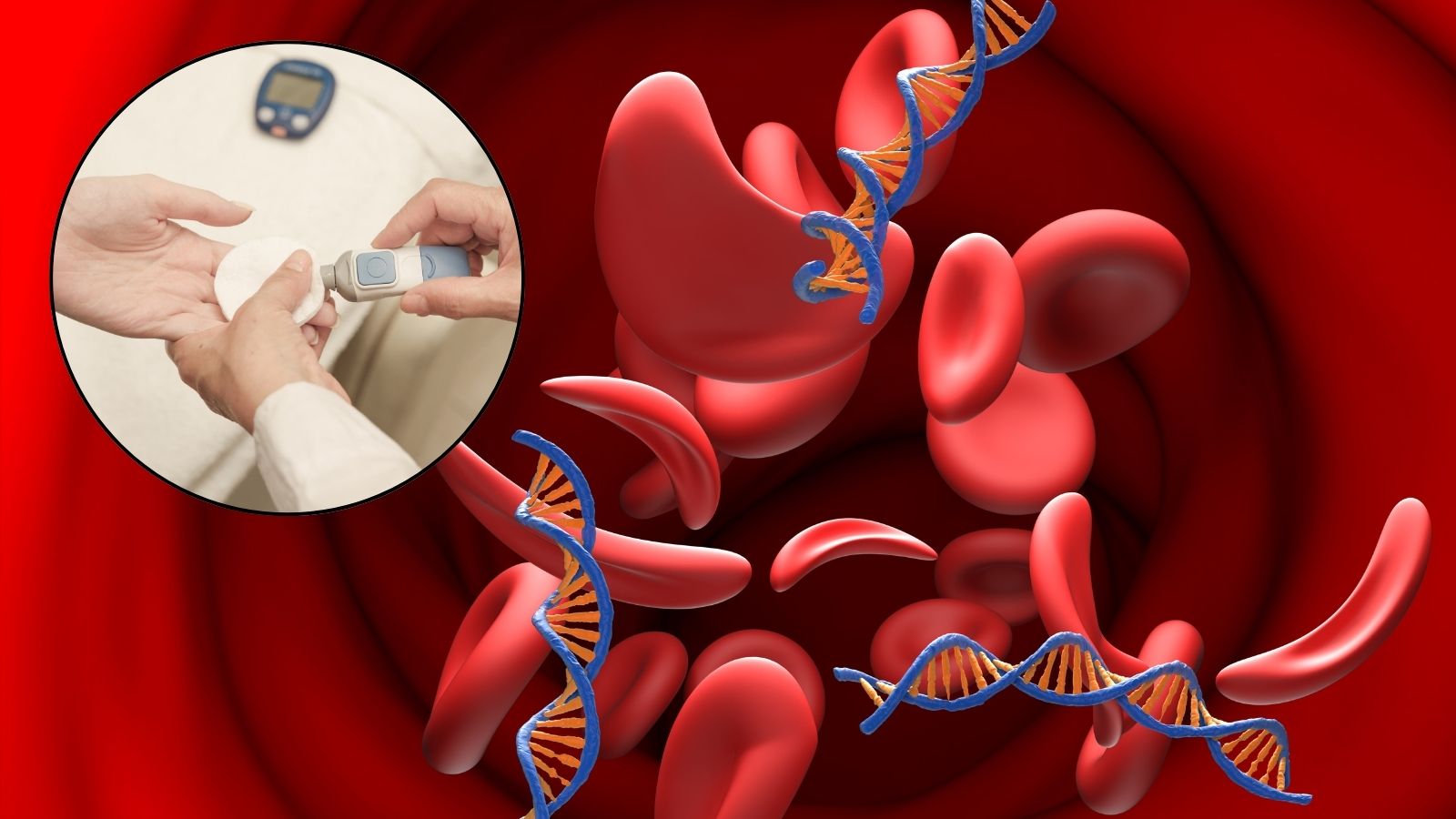
Why Anaemia May Affect What Your HbA1c Test Shows

Why HbA1c Below 7% May Not Mean Diabetes Control
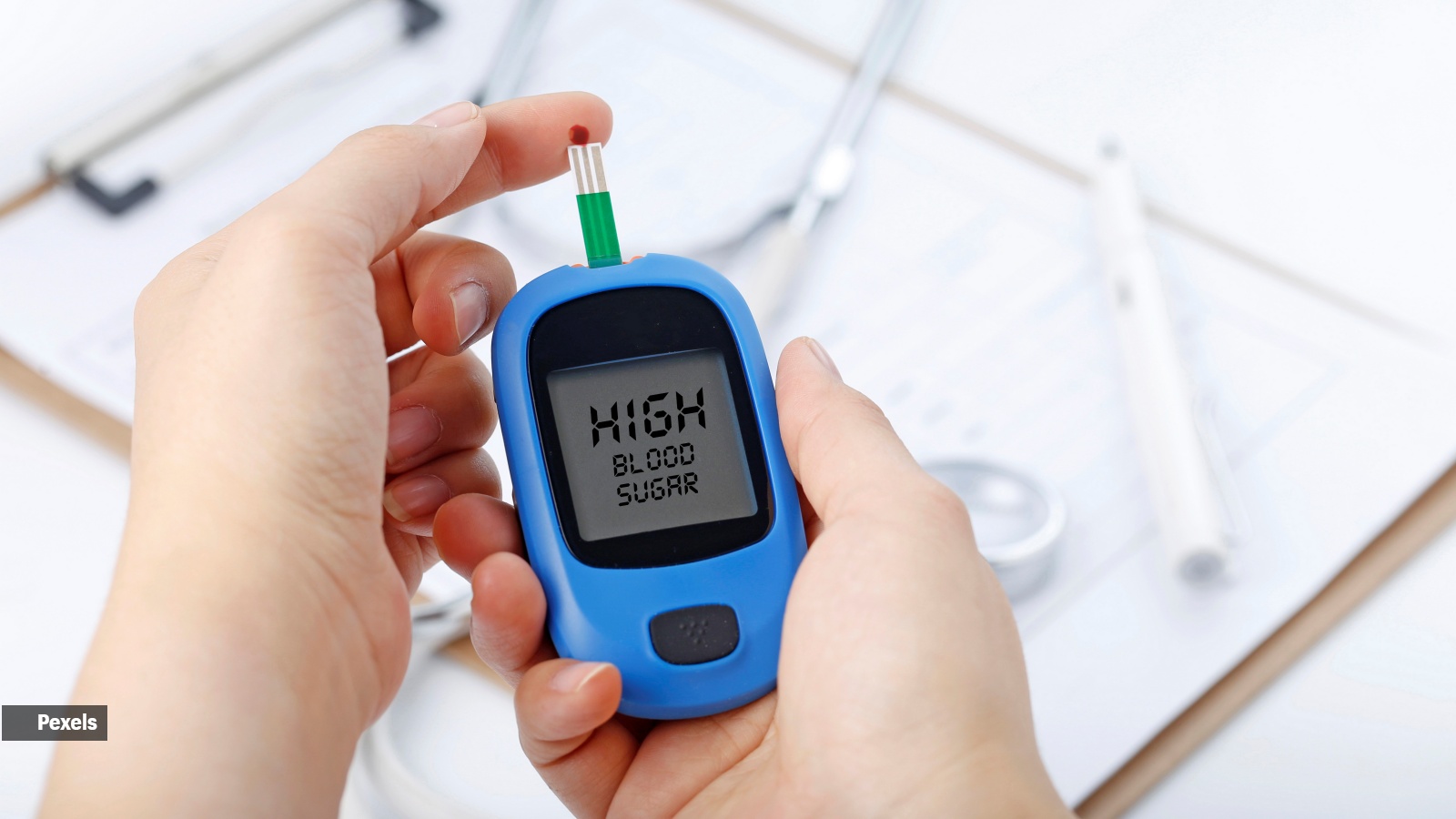
HbA1c of 10.6% Requires Lifestyle Changes and Medical Review
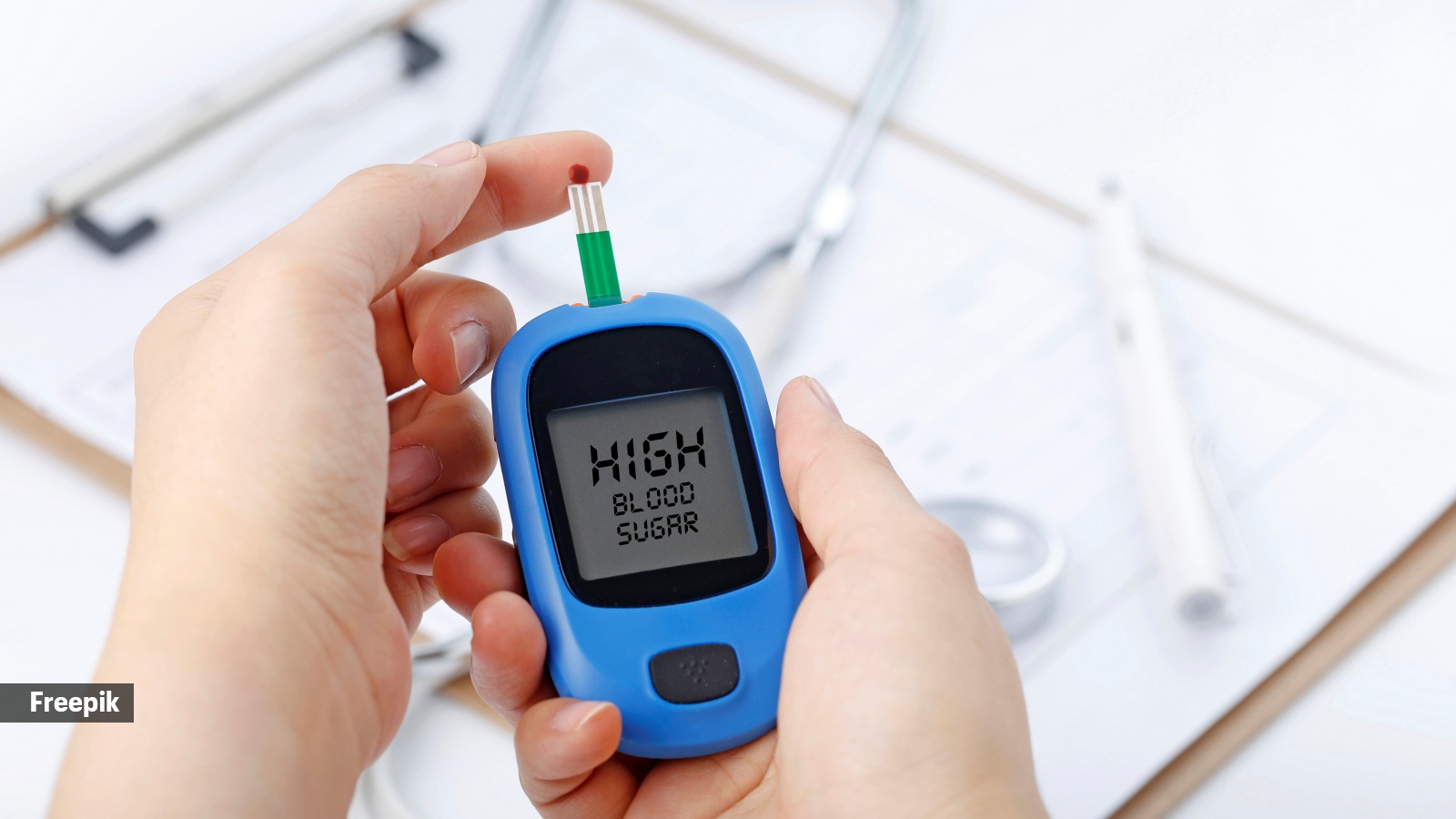
Rising HbA1c Linked to Sugar and Missed Metformin
