1 hr ago
UK, EU Deals Could Open India’s $220 Billion Apparel Market
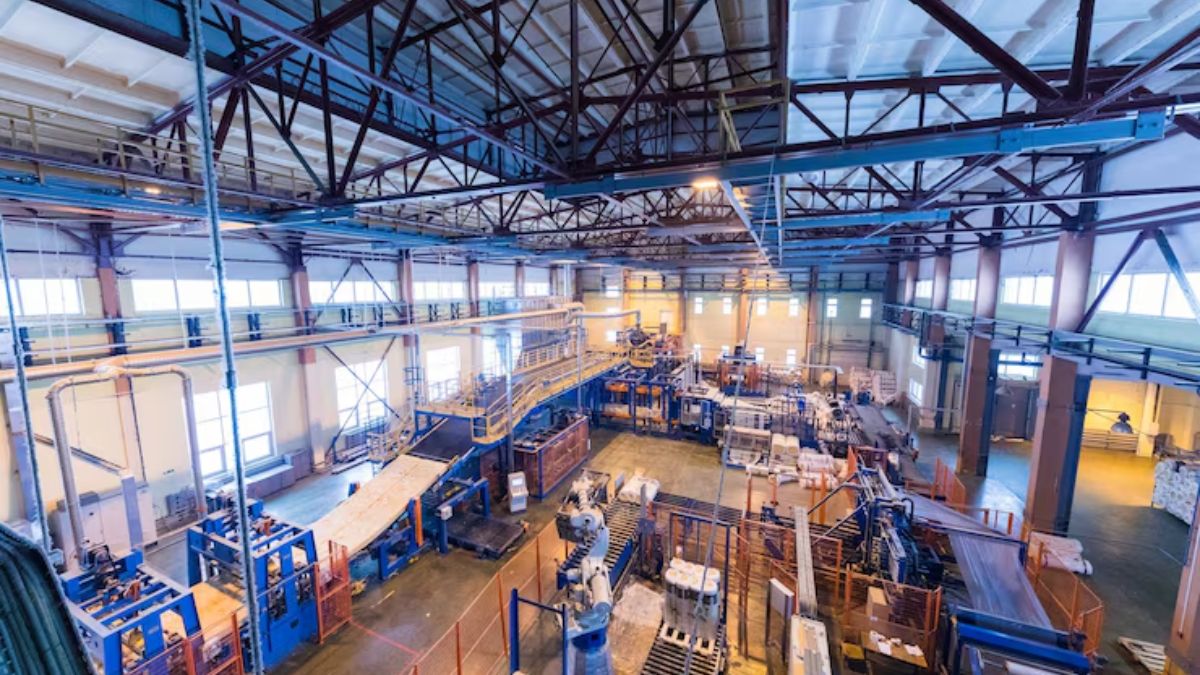
India makes many clothes, but it sells a smaller share overseas than some competing countries.
One reason is that Indian clothes often face higher import taxes in Europe.
Deals with the United Kingdom and possibly the European Union could reduce those taxes to almost zero.
The UK deal is expected to take effect in July 2026, while the EU deal is still being discussed.
Together, the markets import about $220 billion worth of apparel each year.
Bangladesh may lose some of its special duty-free benefits as it leaves the least developed country category.
This could give Indian exporters a chance to win more orders.
Government programs are also helping companies build factories and make more advanced products.
However, India must still improve its scale, shipping costs, compliance and production of man-made-fibre clothing.

India’s apparel exports total about $16 billion, but the country holds only 4–5% of global apparel trade.
Indian exporters face a 10–12% tariff disadvantage in Europe compared with suppliers from Bangladesh, Pakistan and Turkey.
A UK trade agreement is scheduled to reduce tariffs on Indian textile products to near zero from July 2026.
A proposed EU agreement could take effect from 2027, giving India access to combined UK and EU apparel markets worth about $220 billion.
Tariff relief, Bangladesh’s eventual loss of trade preferences and China+1 sourcing could create opportunities, though India still faces scale, cost and product-mix challenges.
- Who
- Indian apparel exporters, competing suppliers such as Bangladesh, Pakistan, Turkey and Vietnam, and major retailers and manufacturers.
- What
- Potential UK and EU trade agreements could reduce tariffs on Indian textile and apparel exports and expand access to a combined market worth about $220 billion.
- Where
- The United Kingdom and European Union apparel markets.
- When
- The UK agreement is scheduled to take effect in July 2026; a similar EU agreement could begin from 2027, according to the report.
- Why
- To remove India’s 10–12% tariff disadvantage, support supply-chain diversification and help exporters capture more apparel orders.
Opportunity Case
Caution Case
Effect of tariff reductions
Opportunity Case
Near-zero UK tariffs and a possible EU agreement could remove much of India’s cost disadvantage and put its exporters on more equal terms with competitors.
Caution Case
The agreements would create tariff parity, not a special advantage, because Bangladesh, Pakistan and Turkey already have preferential or duty-free access.
Bangladesh’s changing trade status
Opportunity Case
As Bangladesh gradually loses its least developed country preferences, some sourcing could be redirected to India.
Caution Case
India would have to compete with Vietnam and other countries for that reallocated business, and the report does not guarantee that India will capture it.
India’s readiness
Opportunity Case
Government incentives, integrated textile parks and China+1 sourcing could help Indian companies expand capacity and attract large retailers.
Caution Case
Indian exporters still face smaller garmenting scale, higher logistics and compliance costs, limited trade-agreement coverage and an overreliance on cotton while demand shifts toward man-made fibres, sportswear and athleisure.
Key facts
- India’s apparel exports
- About $16 billion, representing roughly 43% of India’s textile and apparel exports.
- India’s global apparel share
- Approximately 4–5% of world apparel trade.
- Current tariff disadvantage
- Indian exporters face a 10–12% duty disadvantage in Europe versus several competing suppliers.
- UK agreement
- Scheduled for July 2026, with Indian textile tariffs falling from 4–12% to near zero.
- Potential EU agreement
- Under discussion and potentially effective from 2027.
- Combined market opportunity
- The UK and EU together import roughly $220 billion of textile and apparel products.
- Textile PLI scheme
- Total outlay of Rs 10,683 crore, including Rs 1,148 crore allocated for FY26.
- PM MITRA Parks
- An initiative with Rs 4,445 crore in outlay; seven parks have been approved.
Sources
Related news
Jefferies Sees Three Shifts Unlocking India’s Textile Export Growth

India’s Textile Industry Prepares for Expected EU FTA Gains
India’s Apparel Industry Faces Scale Challenge in Export Push
US sanctions bill threatens India's textile exports, CITI urges talks

India-EU Trade Deal Moves Toward Final Approval
India-EU Trade Deal Advances, Promising Tariff Cuts for Consumers

Bangladesh Arrests Awami League Leader in Anti-Terrorism Case
India Rout Bangladesh 48-25 to Reach Asian Games Semifinals

Tamirabarani River Gains Legal Rights, But Nature Needs More

India's Kabaddi Teams Crush Iran, Bangladesh at Asian Games