

3 weeks ago
Exercise May Help Ageing Brain Clear Waste, Review Suggests
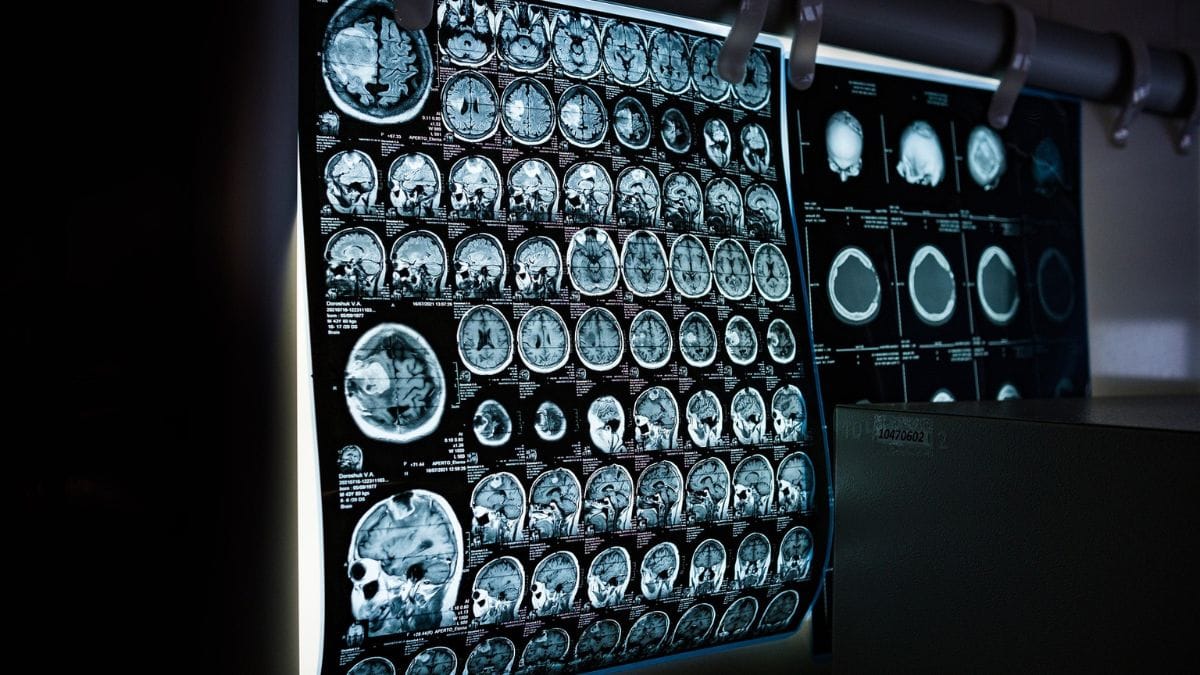
Your brain works very hard all day and makes waste, just like a busy kitchen.
It has a special cleaning system called the glymphatic system that washes the waste away with clear fluid.
The brain does its best cleaning while you sleep, especially during deep sleep.
Scientists at Victoria University studied many earlier studies about this cleaning system.
They found that exercise may help the brain clean itself in several ways.
Moving your body improves blood flow, reduces swelling and helps you sleep better.
In one 2025 study, people who cycled for 12 weeks showed changes in brain scans linked to the cleaning system.
Walking, cycling, swimming and strength training all help, as long as you do them regularly.
But exercise is not a magic cure — it does not guarantee you will never get dementia.
Still, what is good for your heart and blood vessels is often good for your brain.

A review by Victoria University researchers, led by Dr James R. Broatch, suggests regular exercise may help the brain's glymphatic system clear metabolic waste.
The glymphatic system is a network of fluid-filled spaces where cerebrospinal fluid (CSF) carries waste away from brain tissue, aided by aquaporin-4 channels.
Exercise may support waste clearance through better sleep, decreased inflammation, decreased blood pressure and decreased vascular stiffness.
A 2025 human study using brain scans found changes in glymphatic-system measurements after a 12-week cycling programme.
Researchers say the findings do not prove exercise prevents dementia, and questions remain about how much and which types of exercise are best.
- Who
- Researchers at Victoria University, led by Dr James R. Broatch, with expert commentary from Dr Biplab Das, director of Neurology at Batra Hospital, Delhi.
- What
- A review of human and animal studies examining how regular physical activity may help the brain's glymphatic system clear waste products and support healthy brain ageing.
- Where
- The research was conducted by Victoria University; the articles were reported from New Delhi, with commentary from Batra Hospital, Delhi.
- When
- The review was published online on June 30, 2026; it cites a 2025 human study involving a 12-week cycling programme.
- Why
- To explore whether physical activity can support the brain's natural waste-clearance processes, which may help explain the protective effects of exercise and inform dementia prevention.
Key facts
- Subject
- Exercise and the brain's glymphatic waste-clearance system
- Research conducted by
- Victoria University
- Lead researcher
- Dr James R. Broatch
- Publication
- Paper 'Exercise as a regulator of glymphatic function' in Trends in Neurosciences
- Published online
- June 30, 2026
- Expert commentary
- Dr Biplab Das, director, Neurology, Batra Hospital, Delhi
- Human study cited
- 2025 study with a 12-week cycling programme and brain scans
- Reported exercise benefits
- Better sleep, decreased inflammation, decreased blood pressure, decreased vascular stiffness
Quotes
Dr James R. Broatch
Victoria University researcher and study lead
“"The brain is highly metabolically active and produces waste products as part of its normal functioning. The glymphatic system acts somewhat like a clearance mechanism, helping remove these substances, particularly during sleep. As we age, processes involved in maintaining brain health can become less efficient, which is why understanding ways to support this system is important."”
 indianexpress.com
“If we don’t have opportunities for the brain to essentially clean out the junk from the day, we know that build‑up is damaging, especially as we age.”
 theprint.in
Sources
Related news
Regular cardio exercise may lower Alzheimer's and dementia risk

How Daily 30-Minute Walks Can Improve Mental Health

6 Low-Impact Morning Exercises to Beat Sluggishness and Boost Focus

Your Lymphatic System: Movement, Hydration And Healthy Habits Matter
Could Strength Training Help You Sleep Better at Night?

Delhi Traffic Police Announces Rajghat Restrictions For September 3

Kharge Credits Congress Food Policies, Questions Modi Government’s Record
India, Canada Advance Dialogue and Trade Agreement Negotiations

AIIMS Panel Probes Conflicting Accounts of Teenager’s Death

President Murmu to Present 2024 Adventure Awards Alongside Sports Honours
