2 days ago
Your Lymphatic System: Movement, Hydration And Healthy Habits Matter
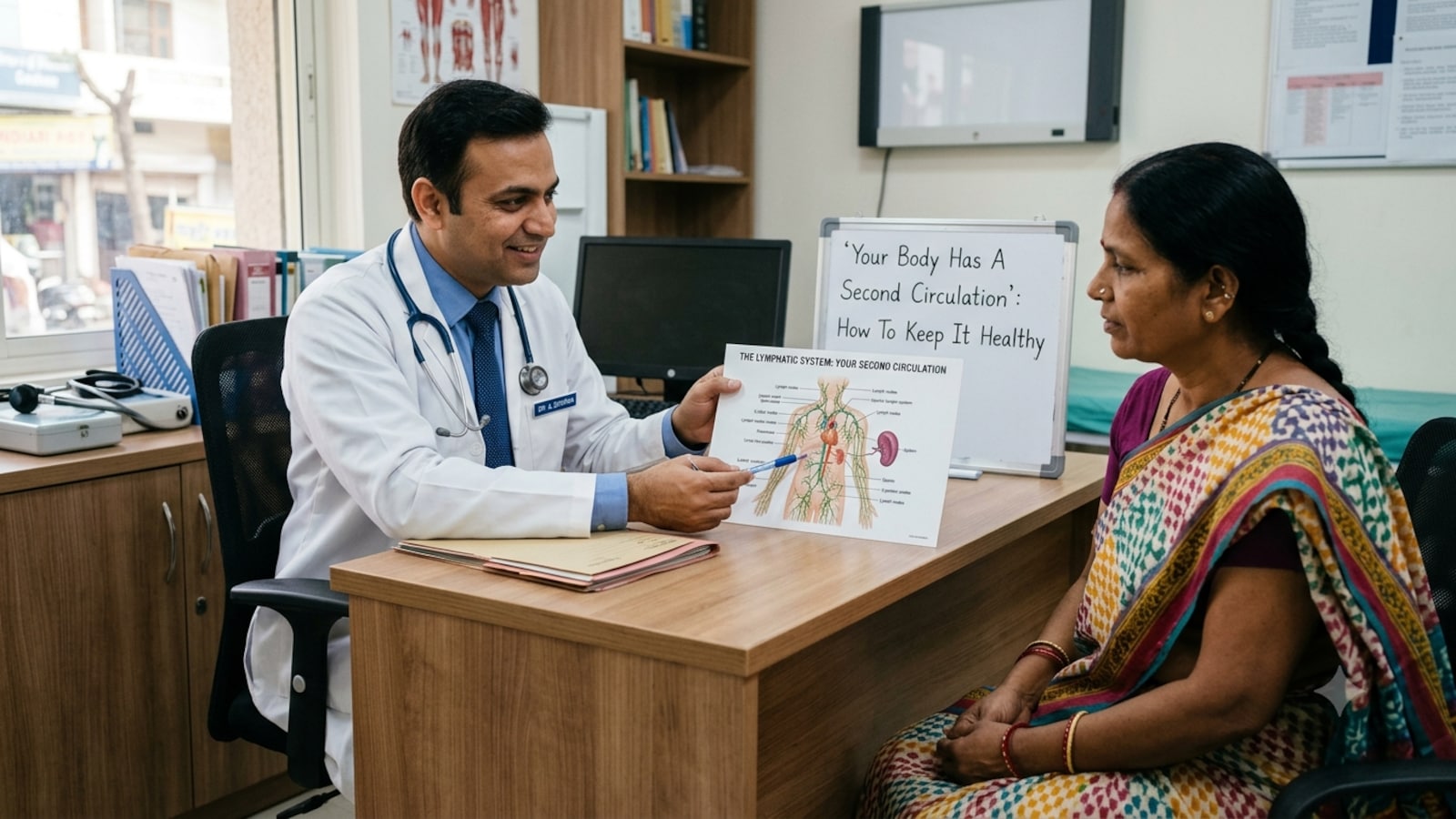
Your body has a system called the lymphatic system that works alongside your blood circulation.
It helps move extra fluid away from tissues and supports your immune system.
It also helps carry some fats from food.
Unlike blood, lymph does not have a heart-like pump to move it around.
Muscle movement and deep breathing help push lymph through its vessels.
Walking, stretching, swimming and avoiding long periods of sitting can support this process.
Drinking enough water and eating a balanced diet also help your body work normally.
Healthy people usually do not need special lymphatic detox drinks, cleanses or supplements.
Swelling that lasts, enlarged lymph nodes or repeated infections should be checked by a doctor.

The lymphatic system collects excess tissue fluid, transports some dietary fats and supports immune defence.
Unlike blood circulation, lymph movement has no central pump and depends largely on muscles, breathing and activity.
Walking, cycling, swimming, stretching and regular movement can support lymph flow.
Adequate hydration and a balanced diet help maintain normal fluid balance, tissue health and immune function.
Persistent swelling, enlarged lymph nodes or recurrent infections may require medical evaluation; detox cleanses are not routinely necessary.
- Who
- The lymphatic system and people seeking to support its normal function; Dr Chirag Tandon provides the medical guidance cited.
- What
- The article explains the lymphatic system’s functions and ways to support lymph movement and overall health.
- Where
- Throughout the body, in lymphatic vessels, lymph nodes and organs including the spleen and thymus.
- When
- As part of everyday health habits; no specific event date is given.
- Why
- To maintain fluid balance, support immune defence, transport certain fats and identify symptoms that may need medical attention.
Key facts
- Main functions
- The lymphatic system returns excess tissue fluid to the bloodstream, transports certain dietary fats and supports immune defence.
- Movement mechanism
- Lymph movement depends largely on muscle contractions, breathing and everyday physical activity rather than a central pump.
- Helpful activities
- Walking, cycling, swimming, stretching and other regular movement can support lymph flow.
- Hydration
- Adequate fluid intake supports normal tissue and fluid balance because lymph is largely made of fluid.
- Diet
- A balanced diet with vegetables, fruits, whole grains and adequate protein supports immune and tissue health.
- Detox products
- Healthy people generally do not need specialised lymphatic detoxes, cleanses, teas or supplements.
- Warning signs
- Persistent swelling, unexplained enlarged lymph nodes, recurrent infections or swelling in an arm or leg may require medical evaluation.
Quotes
Dr Chirag Tandon
Director of Internal Medicine at ShardaCare-HealthCity
“When we think about circulation, we usually think about the heart and blood vessels. However, the body also has another important transport network the lymphatic system, sometimes referred to as the body's 'second circulation.' Unlike the cardiovascular system, which is powered by the heart, the lymphatic system does not have a central pump. It relies largely on muscle movement, breathing and body activity to move lymph throughout the body.”
 NDTV
NDTV
“Unlike blood circulation, there is no routine need for 'lymphatic detoxes' or specialised cleanses. The body has its own mechanisms for maintaining lymphatic function.”
NDTV
Sources
Related news

Lymphatic Drainage Gains Wellness Fame, But Experts Urge Caution
Exercise May Help Ageing Brain Clear Waste, Review Suggests

Standing too long can damage veins, doctors warn
Why a Regulated Nervous System Is an Underrated Health Goal
Two Hours of Exercise Cannot Undo Five Days of Sitting