4 days ago
ICRIER Urges Flexible Ethanol Policy While Retaining Long-Term E20 Goal

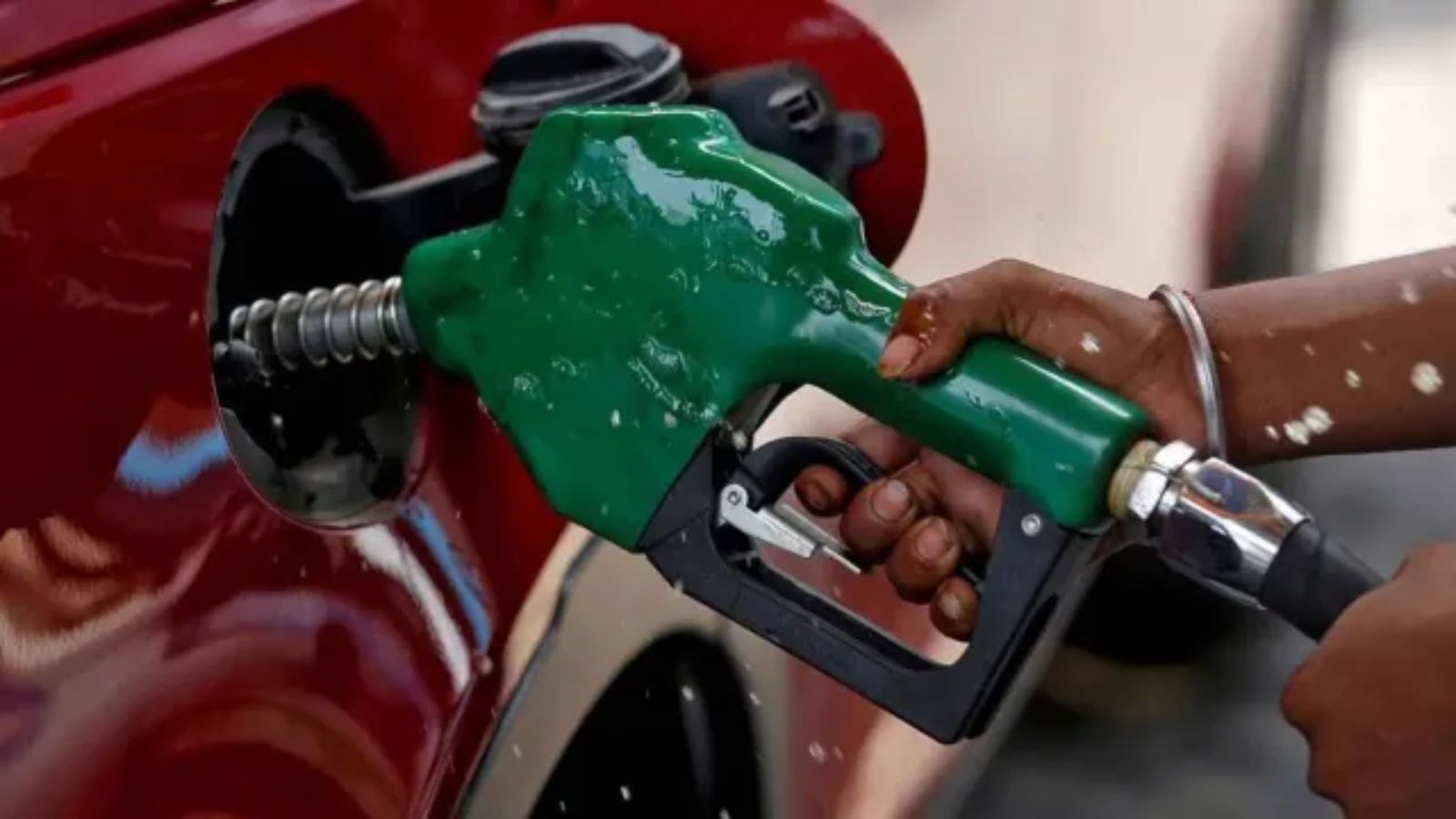
India mixes ethanol, a fuel made from crops, into petrol.
The government wants petrol to contain up to 20 percent ethanol, known as E20.
An ICRIER paper says this should remain the long-term goal.
However, it suggests temporarily lowering the mixture to E15 if there is not enough ethanol or food prices rise too much.
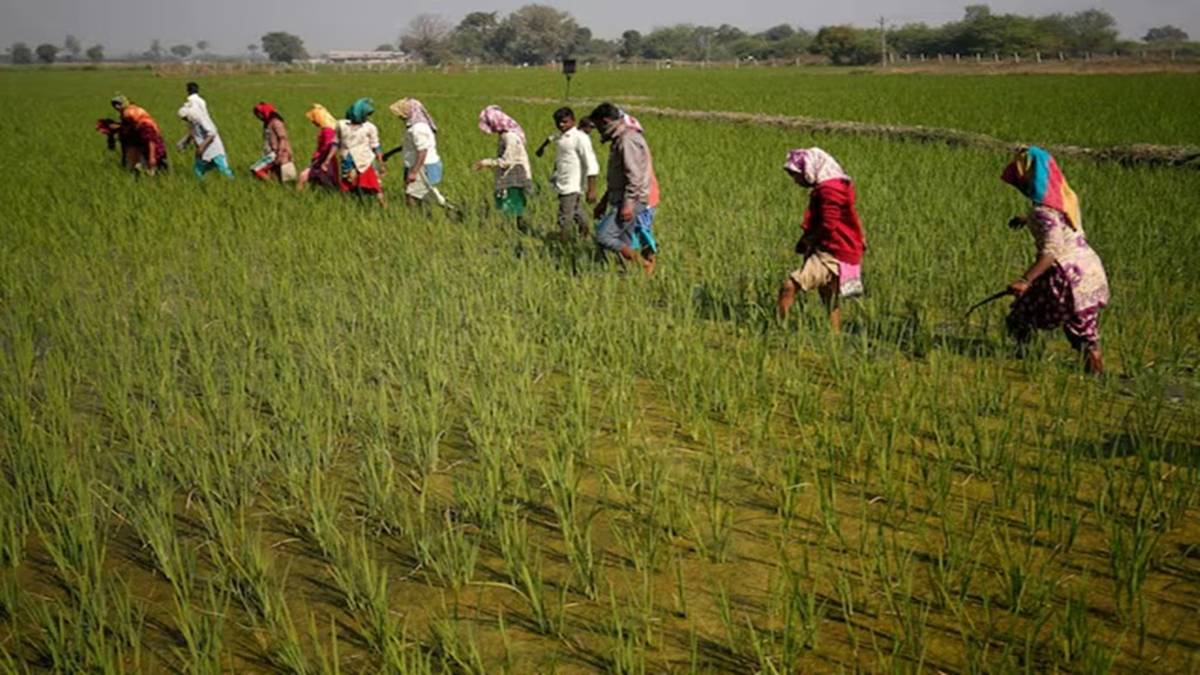
The paper says ethanol can be made from sugarcane, maize and surplus rice.
It recommends using more maize when supplies improve and using rice only when there is a genuine surplus.
This is because crops used for fuel may otherwise become more expensive as food.
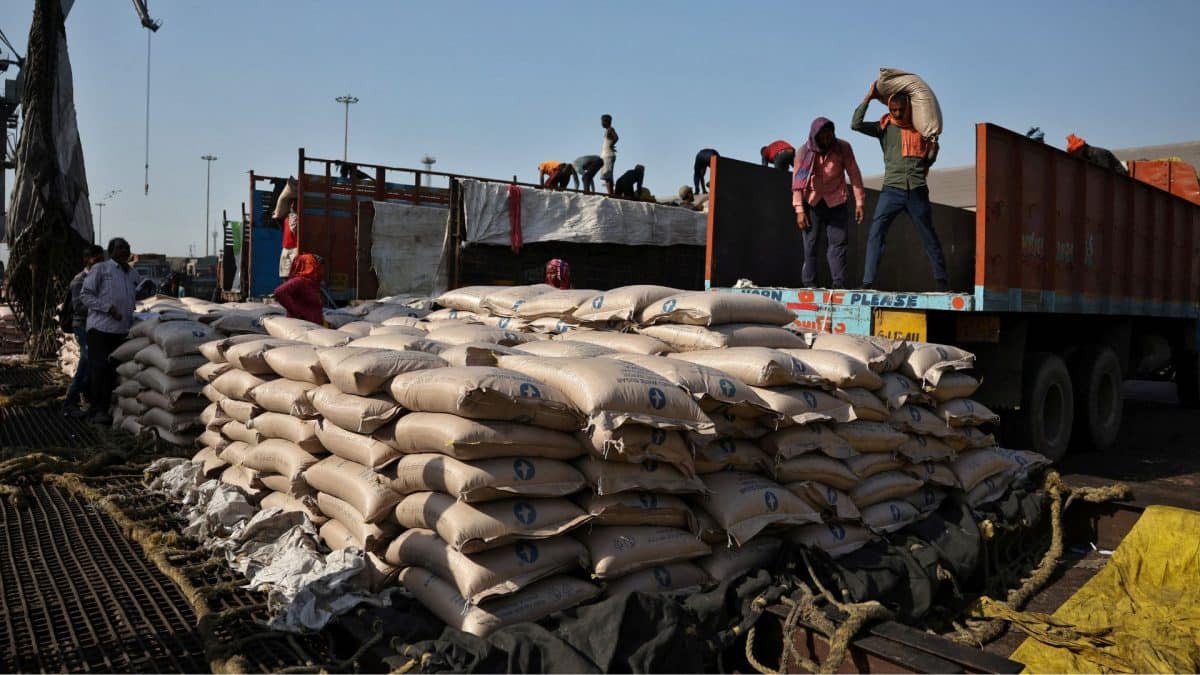
The paper also says India could consider importing sugar or ethanol during shortages.

An ICRIER paper recommends keeping E20 as India’s long-term ethanol-blending goal while allowing temporary reductions to E15.
It says the choice among E20, ethanol imports and lower blending should reflect prevailing economic costs.
The paper warns that rapidly rising ethanol demand is increasing pressure on sugar, maize and rice supplies.
It recommends moderating sugar diversion, expanding maize use and limiting Food Corporation of India rice to genuine surpluses.
India’s ethanol supplied to oil marketing companies rose from 1.73 billion litres in 2019–20 to a projected 12 billion litres in 2025–26.
- Who
- The Indian government, ICRIER researchers including agricultural economist Ashok Gulati, and oil marketing companies are central to the issue.
- What
- ICRIER recommends a more flexible Ethanol Blended Petrol Programme that retains E20 as a long-term goal but permits temporary E15 blending when necessary.
- Where
- India.
- When
- The recommendations concern the current programme, including Ethanol Supply Years 2025–26 and earlier years from 2019–20 onward.
- Why
- Ethanol demand has grown faster than the agricultural supply of sugarcane, maize and rice, creating concerns about food, feed and fuel prices.
Flexible, Market-Responsive Blending
Maintaining E20 Continuously
Blending rate during shortages
Flexible, Market-Responsive Blending
The ICRIER paper supports temporarily reducing blending to E15 when domestic ethanol is insufficient or E20 places excessive pressure on food and feed prices.
Maintaining E20 Continuously
Maintaining E20 prioritizes the government’s long-term target and continued expansion of domestically produced renewable fuel.
Food versus fuel
Flexible, Market-Responsive Blending
A flexible rate and greater openness to ethanol imports could reduce pressure on agricultural commodities used for food and fuel.
Maintaining E20 Continuously
Continuing E20 could sustain demand for domestic ethanol and help reduce dependence on imported fossil fuels, although the paper identifies risks to food and feed prices.
Feedstock allocation
Flexible, Market-Responsive Blending
The paper recommends shifting more demand toward maize as its productivity and supply improve, moderating sugar diversion when stocks are tight, and using Food Corporation of India rice mainly for genuine surpluses.
Maintaining E20 Continuously
Sugar-based ethanol can remain important when sugar supplies are abundant, while the programme continues to use available domestic feedstocks to support E20.
Key facts
- Long-term target
- E20, meaning petrol containing up to 20 percent ethanol by volume.
- Suggested temporary rate
- E15 when domestic ethanol is insufficient or maintaining E20 causes disproportionately high food or feed prices.
- Target achievement
- India achieved the E20 target in Ethanol Supply Year 2025–26, five years ahead of the original schedule.
- Ethanol procurement
- Oil marketing companies procured 6.79 billion litres in 2023–24 and 10.33 billion litres in 2024–25.
- Projected 2025–26 supply
- Ethanol supplied to oil marketing companies is projected to reach 12 billion litres, compared with 1.73 billion litres in 2019–20.
- Feedstock growth
- From 2019–20 to 2025–26, maize production grew at an 11.4 percent CAGR, rice at 4.4 percent and sugarcane at 5.1 percent.
- Sugar prices
- The paper said modal retail sugar prices rose 44 percent, from Rs 45 per kg in July to Rs 65 per kg by 29 August.
Quotes
ICRIER research paper
Research paper on recalibrating India’s ethanol blending strategy, co-authored by agricultural economist Ashok Gulati
“The 20 per cent target can remain the long-term objective, while a temporary reduction to E15 could be considered in years when domestic ethanol availability becomes insufficient, or the cost of maintaining E20 becomes disproportionately high in terms of food and/or feed prices.”
 deccanchronicle.com
“Sugar-based ethanol can remain important when sugar supplies are abundant, but sugar diversion should be moderated when stocks become tight.”
deccanchronicle.com
Sources
Related news
India’s Ethanol Push Shifts From Sugarcane Toward Grain Feedstocks

India’s Sugar Prices Rise as Ethanol Policy Strains Food Security
India Plans Ethanol Blending Beyond E20 with Flex-Fuel Vehicles

India’s Ethanol Push Raises Questions About Sugar Supplies
India Approves Sugar Imports Amid E20 Fuel and Crop Shortfalls
Centre Explores E10 Return Amid E20 Vehicle Concerns
India’s Sugar Prices Surge Amid Supply Crunch, Speculation
India’s Sugar Prices Rise as Production Falls, Policies Lag

India's honey economy diversifies after US tariff shock