

1 week ago
India Approves Sugar Imports Amid E20 Fuel and Crop Shortfalls
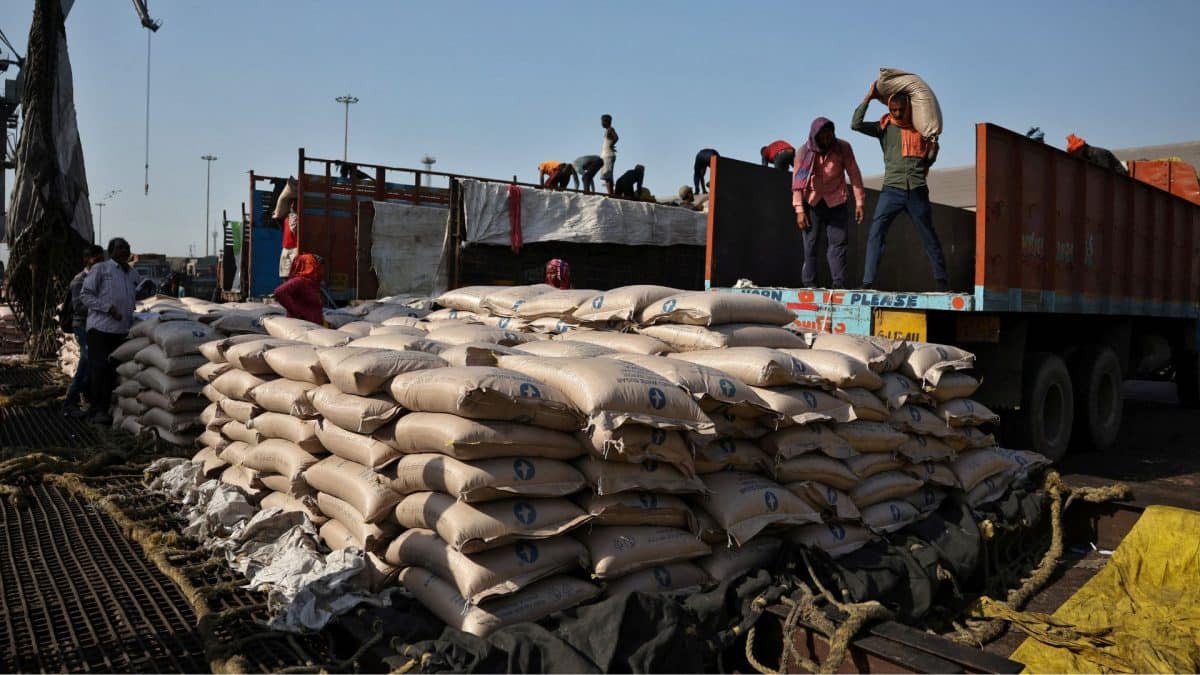
India usually grows enough sugar for its people and sometimes exports the extra.
This year, bad weather and crop diseases reduced the expected harvest.
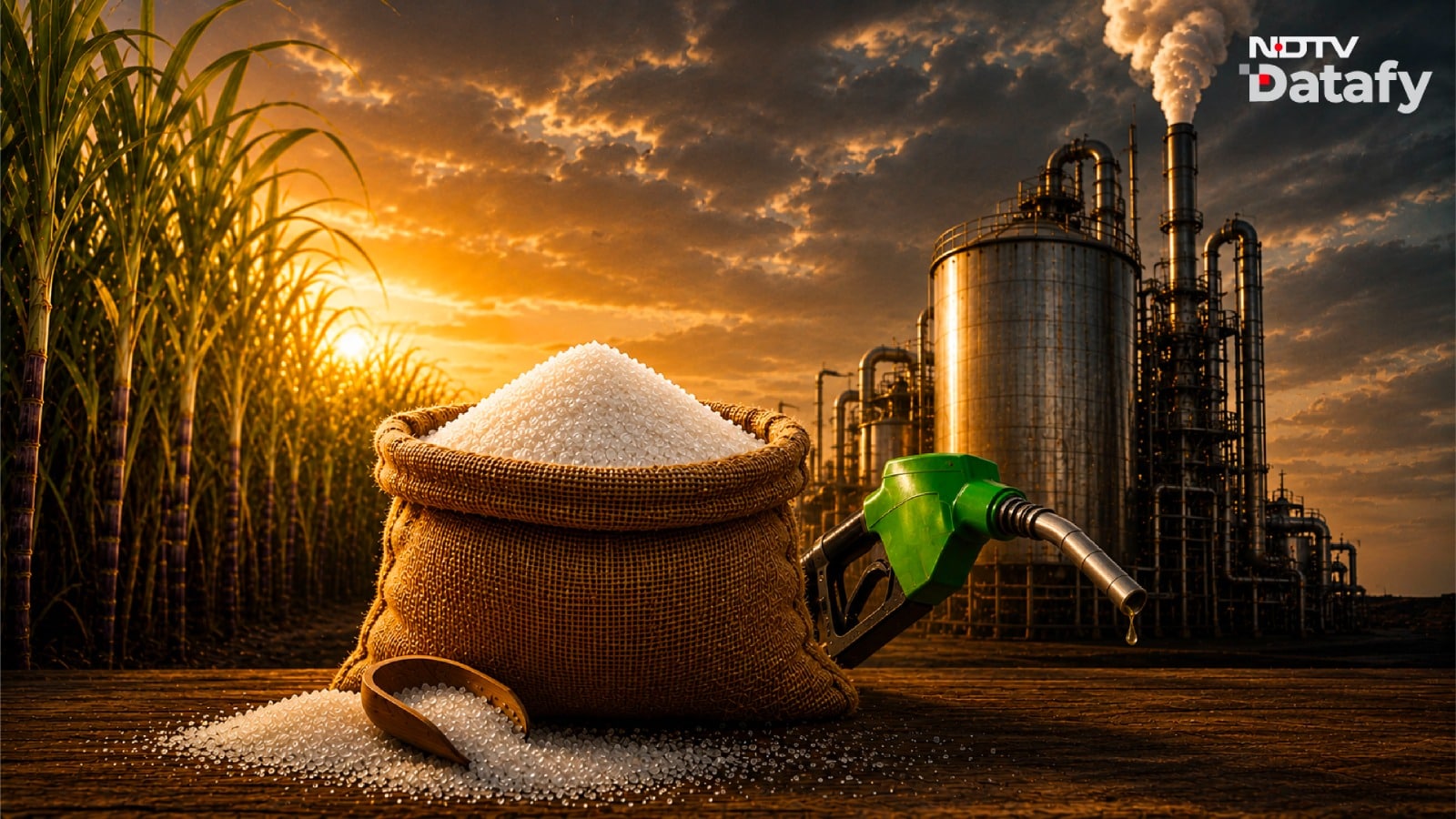
At the same time, some sugarcane was used to make ethanol for E20 petrol.
That left less sugar in storage before major festivals, when people buy more sweets.
Sugar prices therefore went up.
The government approved duty-free imports of 1 million tonnes of raw sugar to increase supplies.
Sugar mills and refiners will have to process the imports and sell the refined sugar in India.
Supporters say the imports can stop hoarding and calm prices.
Critics say the E20 fuel policy helped create the shortage by using sugar for fuel instead of food.

India authorized duty-free imports of 1 million metric tonnes of raw sugar through October 31, 2026.
The move is the country’s first sugar import decision in nearly a decade, since the 2016-17 season.
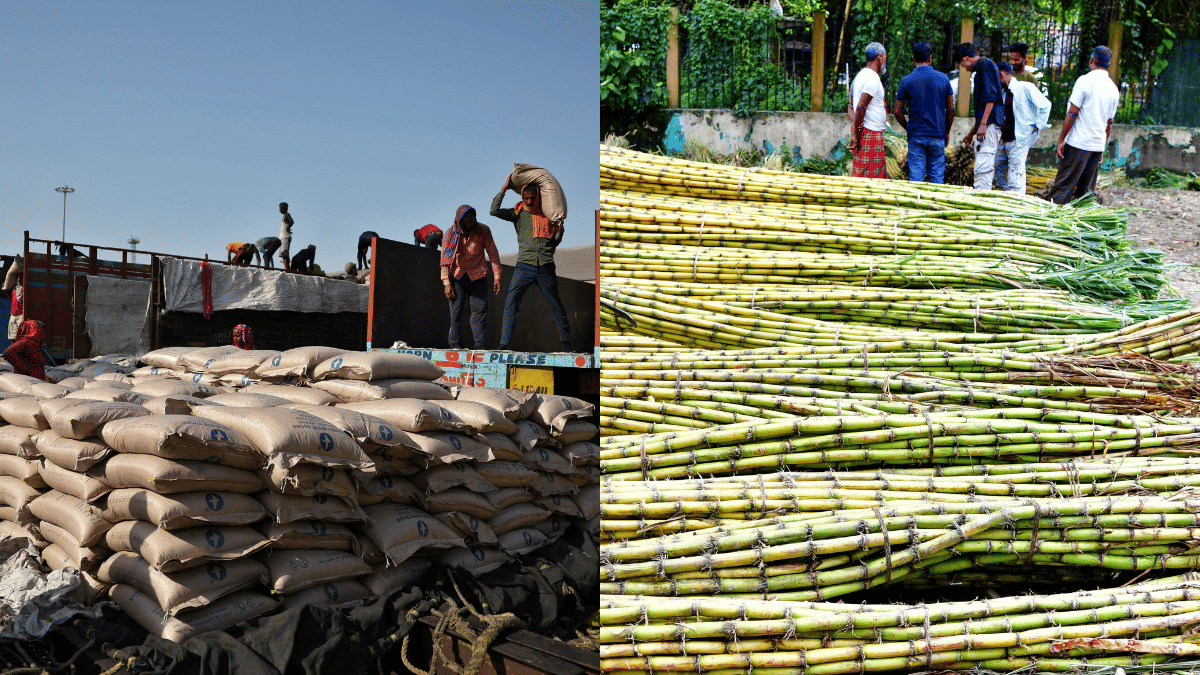
Retail sugar prices rose about 16% in one month as stocks fell below the preferred buffer level.
Expected sugar output was cut from 34.3 million tonnes to about 30.6 million tonnes because of weather disruptions and crop diseases.
Critics say diverting about 3 million tonnes of sugar equivalent to ethanol for E20 contributed to the supply squeeze, while the government calls imports a precautionary step.
- Who
- The Government of India, sugar mills and refiners, ethanol producers, traders, and consumers are involved.
- What
- India approved a duty-free Tariff Rate Quota for 1 million metric tonnes of raw sugar.
- Where
- The policy applies across India, with sugar production and price impacts reported in Maharashtra, Uttar Pradesh, and Karnataka.
- When
- The import decision was issued on August 20, 2026; applications opened August 21 and the quota is valid through October 31, 2026.
- Why
- The government cited rising prices, falling stocks, crop losses, and the need to maintain supplies before the festive season.
Critics of the E20 impact
Government and ethanol-industry view
Cause of the sugar shortage
Critics of the E20 impact
Experts argue that diverting nearly 3 million tonnes of potential sugar to ethanol reduced edible stocks and helped turn a manageable crop shortfall into a deficit.
Government and ethanol-industry view
The government says ethanol diversion was not solely responsible for higher prices and describes the import quota as a precautionary intervention against speculative hoarding.
Effect of E20
Critics of the E20 impact
Critics say the mandatory 20% ethanol-blending policy created tension between fuel production and food security during a weak sugar harvest.
Government and ethanol-industry view
The government and ethanol industry say E20 has reduced crude-oil imports, saved foreign exchange, and improved sugar-mill cash flow, helping mills pay more than 98% of cane dues promptly.
Import decision
Critics of the E20 impact
The need to import sugar is viewed as evidence that current production and ethanol policies have left domestic supplies too tight.
Government and ethanol-industry view
The Indian Sugar & Bio-energy Manufacturers Association supports the imports, saying existing stocks, the quota, and an early crushing season should stabilize supplies and prices.
Key facts
- Import quota
- 1.0 million metric tonnes of raw sugar, duty-free under a Tariff Rate Quota.
- Quota deadline
- The quota is valid through October 31, 2026.
- Price increase
- Average retail sugar prices rose from Rs 48.18 per kilogramme in late July to Rs 55.70 by August 20, an increase of about 16%.
- Projected stocks
- Ending stocks were expected to fall to 3.5-4.0 million tonnes, below the preferred 6.0-million-tonne buffer.
- Expected production
- Estimated 2025-26 sugar output was revised down from 34.3 million tonnes to approximately 30.6 million tonnes.
- Ethanol diversion
- About 3.0 million tonnes of sugar equivalent was converted into ethanol rather than crystal sugar in the 2025-26 season.
- Domestic consumption
- Annual domestic food consumption is approximately 28.0-28.5 million tonnes, with 0.8 million tonnes also committed for exports.
Sources
Related news
Why India Suddenly Needs Sugar Imports as Prices Rise
India’s Sugar Prices Surge Amid Supply Crunch, Speculation

India’s Sugar Prices Surge as Demand, Weather and Speculation Weigh
Government Rejects Ethanol Link, Blames Hoarding for India Sugar Surge
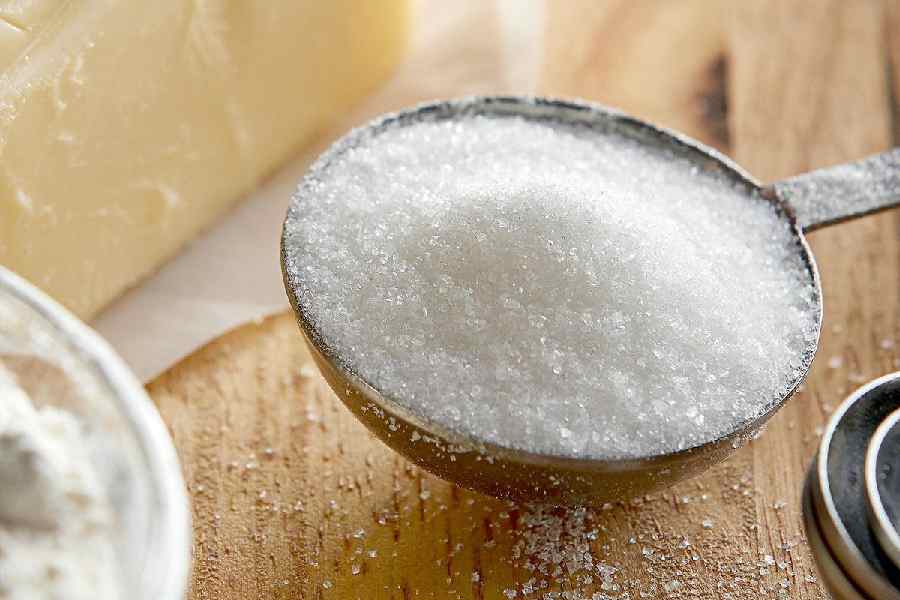
India Allows Duty-Free Sugar Imports as Prices Surge

India May Import Sugar After Nearly A Decade

Government shifts raw sugar imports to daily quota allocation

DGFT Automates Certificate Issuance to Speed Exporter Approvals
US China Cotton Curbs Push Indian Yarn Prices Higher

India Enhances Bank Guarantee Tracking to Streamline Export Procedures
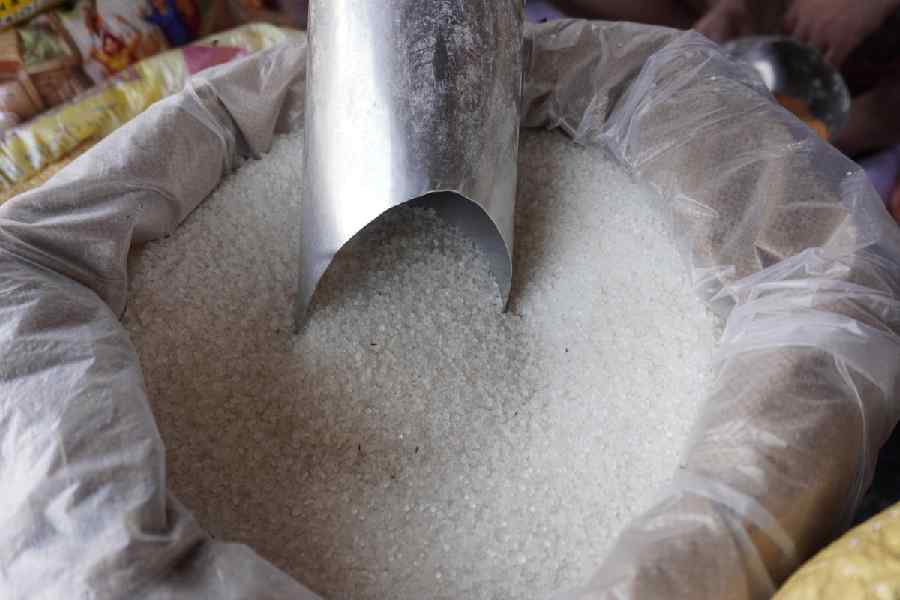
Centre Extends Sugar Import Processing Deadline as Prices Diverge
