1 week ago
India’s Sugar Prices Rise as Production Falls, Policies Lag
Sugar has become more expensive in India because less sugar is being produced.
Sugarcane crops were damaged by bad weather, pests and diseases.
Some sugarcane also flowered unusually, which reduced the amount of sugar that could be extracted.
Prices increased by more than 15% in one month.
The government says lower production, stronger demand, global supply pressures, hoarding and speculation all contributed.
Economist Ashok Gulati says the government should have acted earlier after seeing signs of falling production.
An industry association says there is enough sugar overall, but some traders and buyers stored extra supplies.
The government is importing sugar and limiting stocks in the hope that prices will ease when the new crushing season begins.

Sugar prices rose more than 15% in one month, from ₹48.18 to ₹55.70 per kilogram.
Expected sugar production fell to about 30.6 million tonnes from an initial estimate of 34.5 million tonnes.
Crop damage from adverse weather, pests, diseases and mass flowering reduced sugarcane yields in major producing states.
Ashok Gulati said the government acted too late and maintained an excessively high 100% import duty on sugar.
The government approved duty-free imports, imposed stock limits and urged states to begin crushing the new crop from October 15.
- Who
- Indian consumers, the Union government, sugar producers and traders are affected; agricultural economist Ashok Gulati and industry representatives provided differing assessments.
- What
- Sugar prices have risen sharply amid falling production, crop damage, stockpiling and policy disputes.
- Where
- India, particularly the major sugar-producing states of Maharashtra, Karnataka, Tamil Nadu and Uttar Pradesh.
- When
- Prices rose between July 20 and August 20; government measures were announced on August 21, with new crushing expected from October 15.
- Why
- Lower-than-expected production, crop damage, increased demand, global supply pressures, speculation and hoarding reduced available supplies and raised prices.
Government and Industry Assessment
Critics’ Assessment
Main cause of the price rise
Government and Industry Assessment
The Union Ministry of Consumer Affairs, Food and Public Distribution attributed the increase to lower production, crop damage, tighter global supplies, festive-season demand, speculation and hoarding. The Indian Sugar and Bioenergy Manufacturers Association said speculative stocking and weather-related production losses were the main drivers.
Critics’ Assessment
Ashok Gulati described the situation as a “perfect storm” caused by falling production, depleted stocks and policy miscalculations. A former sugar-sector administrator said policies were based on production estimates that proved too high.
Role of ethanol policy
Government and Industry Assessment
The government rejected a connection between ethanol diversion and the current price rise, saying the share of sugar diverted to ethanol had declined from about 12% in 2022-23 to about 9% in 2025-26, and that nearly three-fourths of Indian ethanol comes from grains, especially maize.
Critics’ Assessment
Gulati said the government could have reduced pressure on sugar supplies by importing ethanol or using more rice for ethanol instead of relying on sugarcane. A former administrator said even the smaller share diverted to ethanol matters when sugar production falls.
Whether there is a shortage
Government and Industry Assessment
The industry association said there was no actual sugar shortage and estimated closing stocks at about 3.5 million tonnes. It expects prices to ease as speculative stocking declines and the new crushing season supplies the market.
Critics’ Assessment
Critics argue that falling production and depleted stocks created a genuine supply risk, and that the government had enough warning to act earlier, including by lowering the 100% import duty.
Key facts
- Price increase
- Sugar rose from ₹48.18 per kilogram on July 20 to ₹55.70 on August 20, a rise of more than 15%.
- Production estimate
- Expected production was revised to about 30.6 million tonnes from an initial estimate of about 34.5 million tonnes.
- Earlier production
- Production fell from 35.9 million tonnes in 2021-22 to 32 million tonnes in 2023-24.
- Retail prices
- Agency reports said sugar reached ₹70 per kilogram in some cities.
- Import measure
- The government approved duty-free imports of 1 million tonnes of raw sugar.
- Stock limits
- A 400-tonne stock limit for sugar dealers was imposed until November 30, while bulk consumers were limited to 15 days of consumption from September 1.
- Industry stocks
- The Indian Sugar and Bioenergy Manufacturers Association estimated closing stocks at around 3.5 million tonnes.
Quotes
Govind Prathap Rao
Emeritus scientist at the Indian Agricultural Research Institute in New Delhi
“This is the result of miscalculations by the government on the supply side — and waking up too late.”
 telegraphindia.com
“Mass flowering lowers the proportion of extractable juice and the extractable sugar.”
telegraphindia.com
Sources
Related news
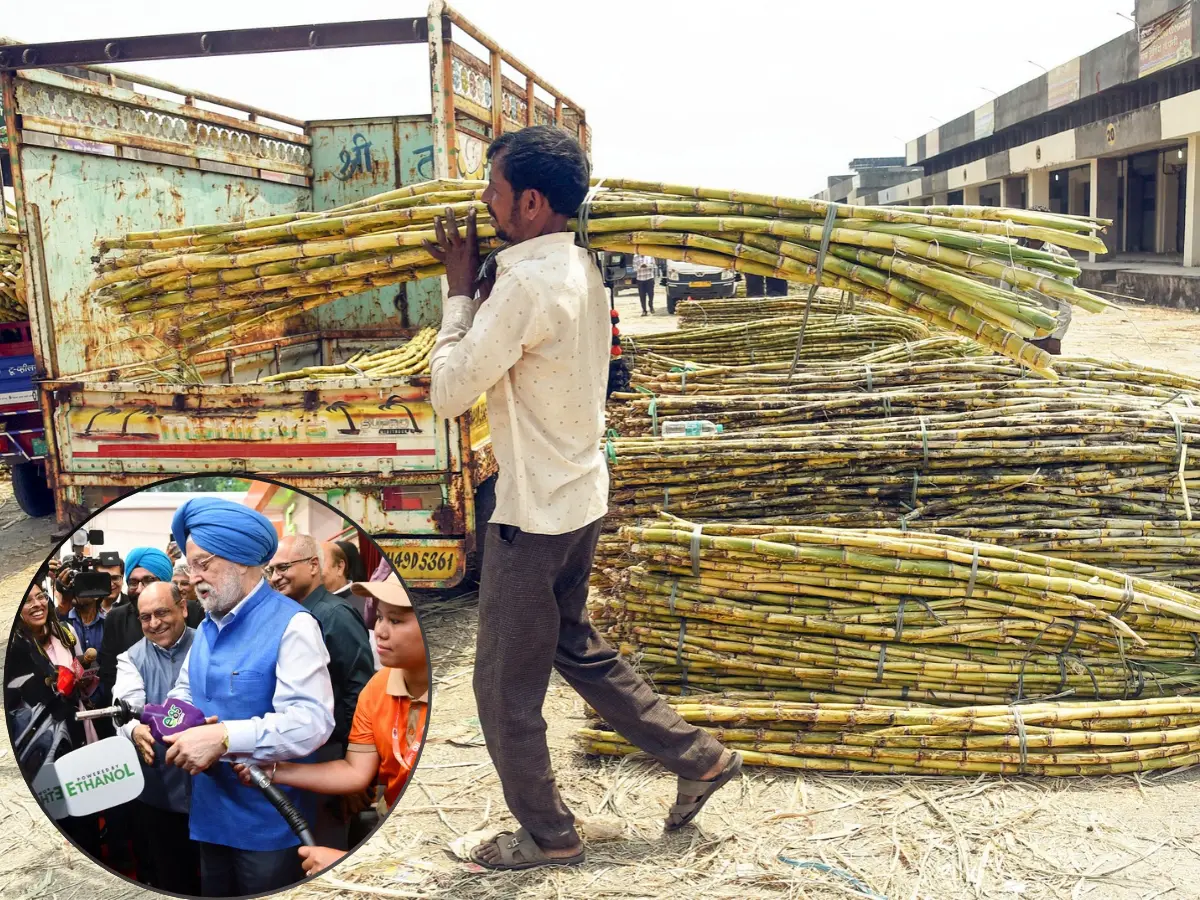
India Sugar Prices Rise as Government Rejects Ethanol Link
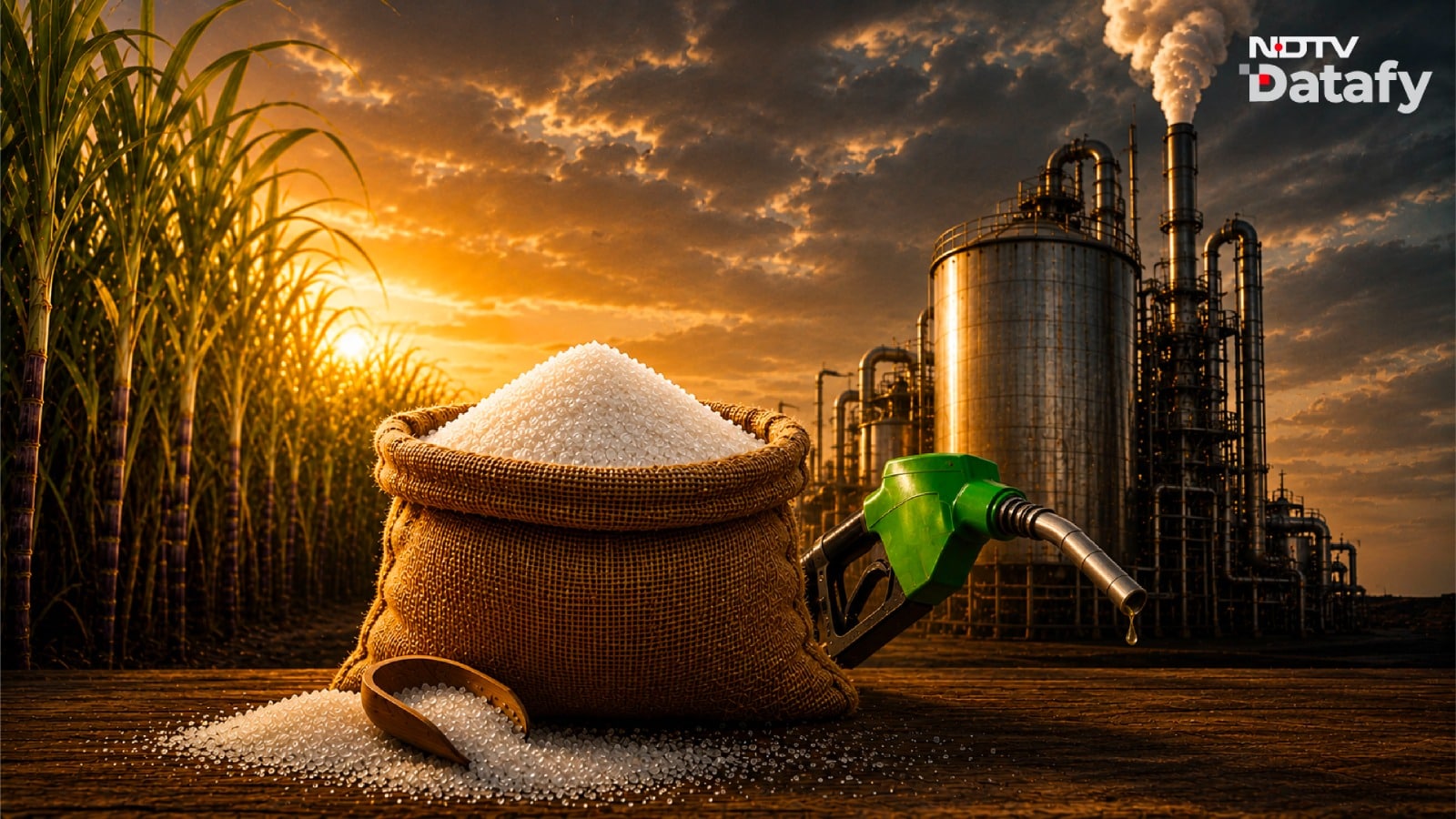
Why India Suddenly Needs Sugar Imports as Prices Rise

India’s Sugar Prices Surge as Demand, Weather and Speculation Weigh
Government Rejects Ethanol Link, Blames Hoarding for India Sugar Surge
Experts Reject Ethanol Link to India’s Rising Sugar Prices

Policy Delays, Not Ethanol, Drive India’s Sugar Price Rise

Cabinet Approves GOBARdhan Bioenergy Scheme and Guwahati-Tezpur Highway