

1 week ago
India’s Sugar Prices Surge Amid Supply Crunch, Speculation
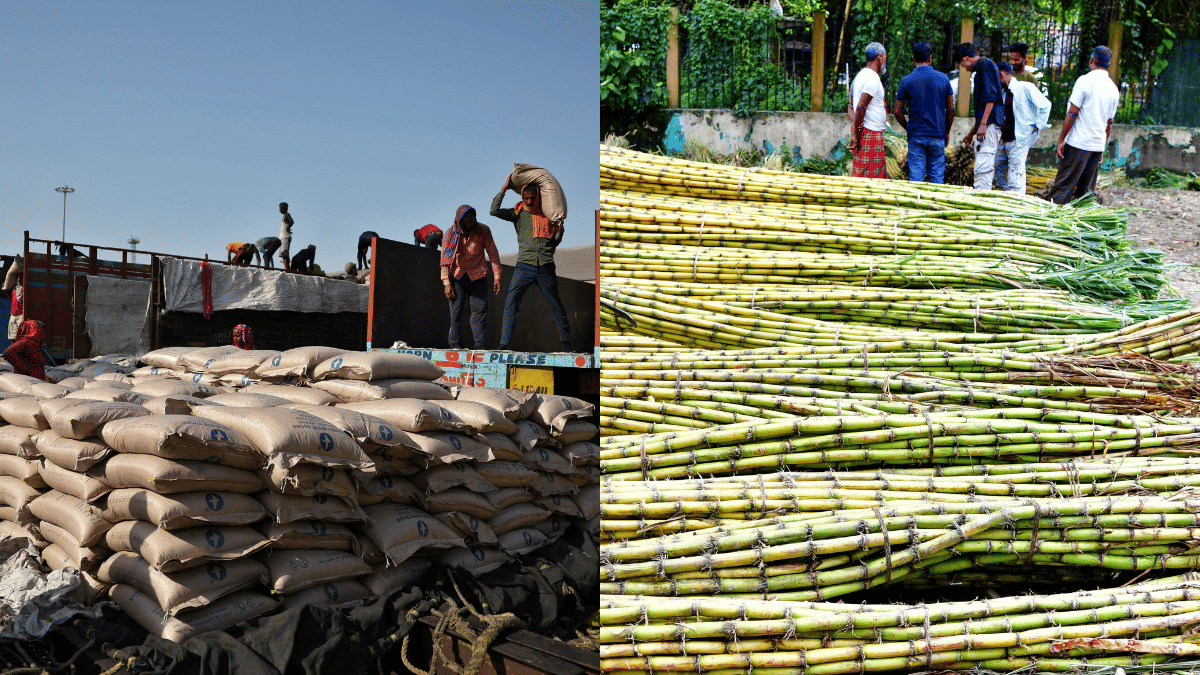
Sugar prices in India have risen quickly because there is less sugar available than expected.
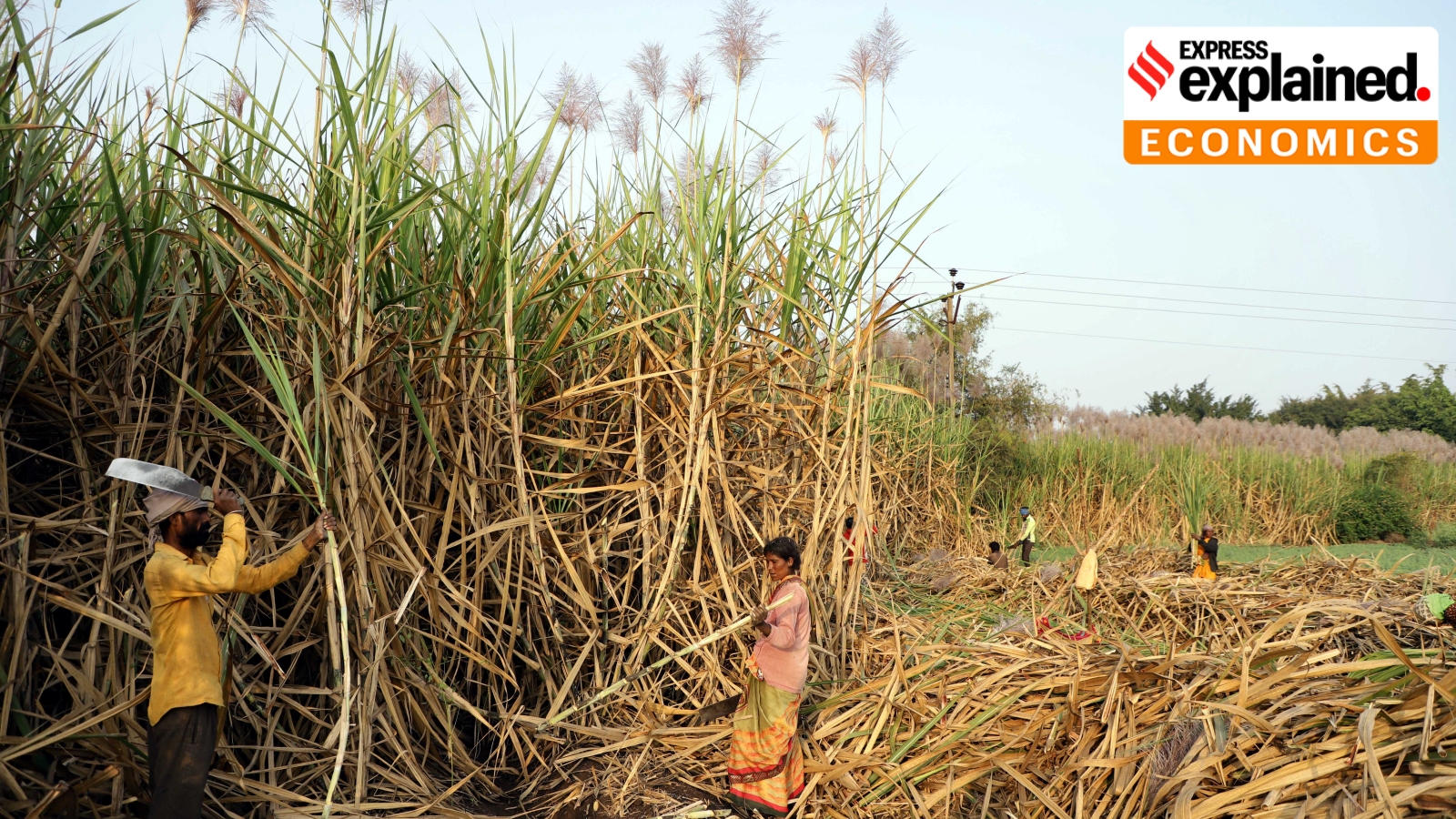
Bad weather and crop diseases damaged sugarcane in important farming states.
People and businesses are also buying extra sugar before the festival season.
This extra buying can make supplies look even tighter.
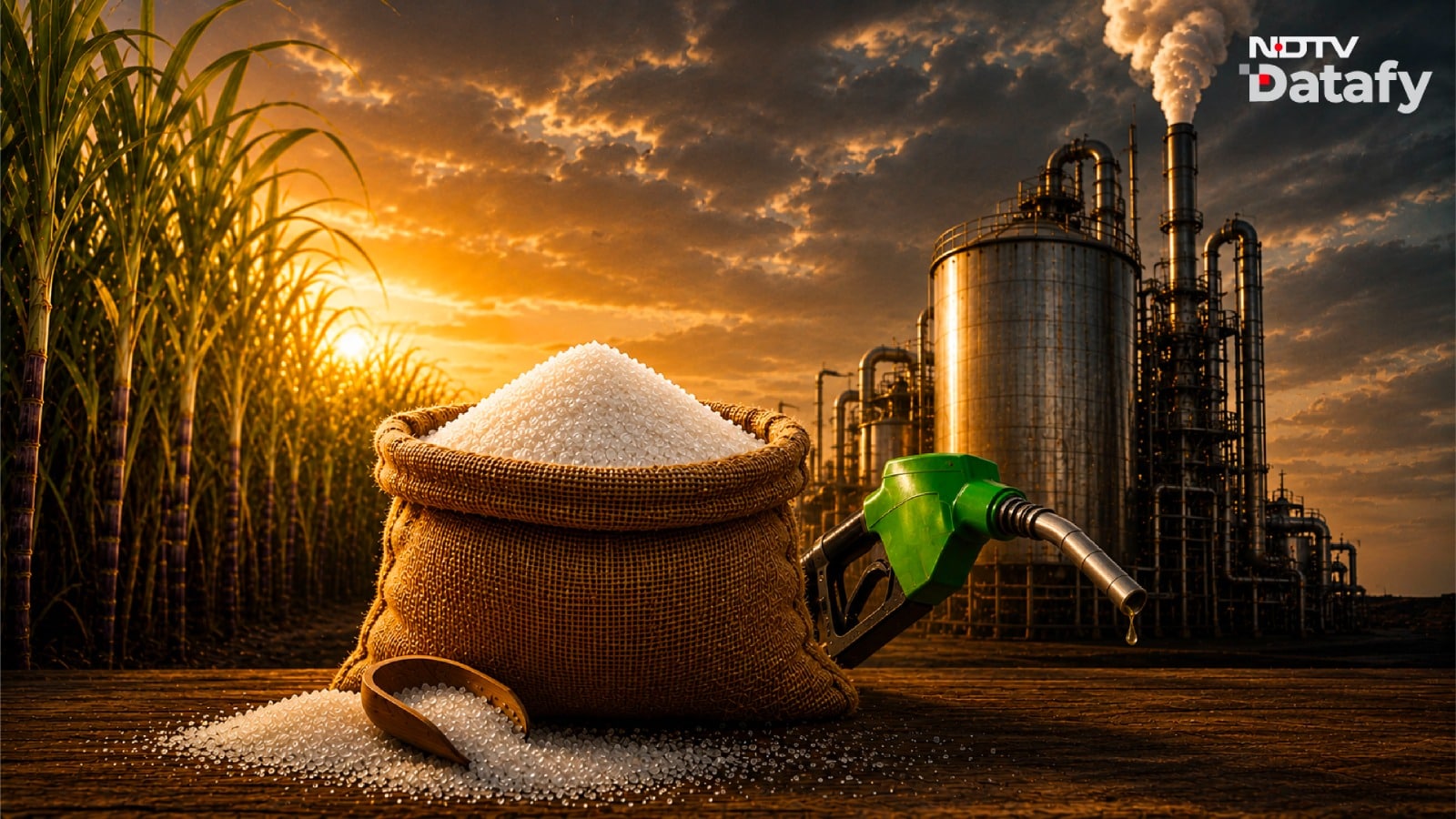
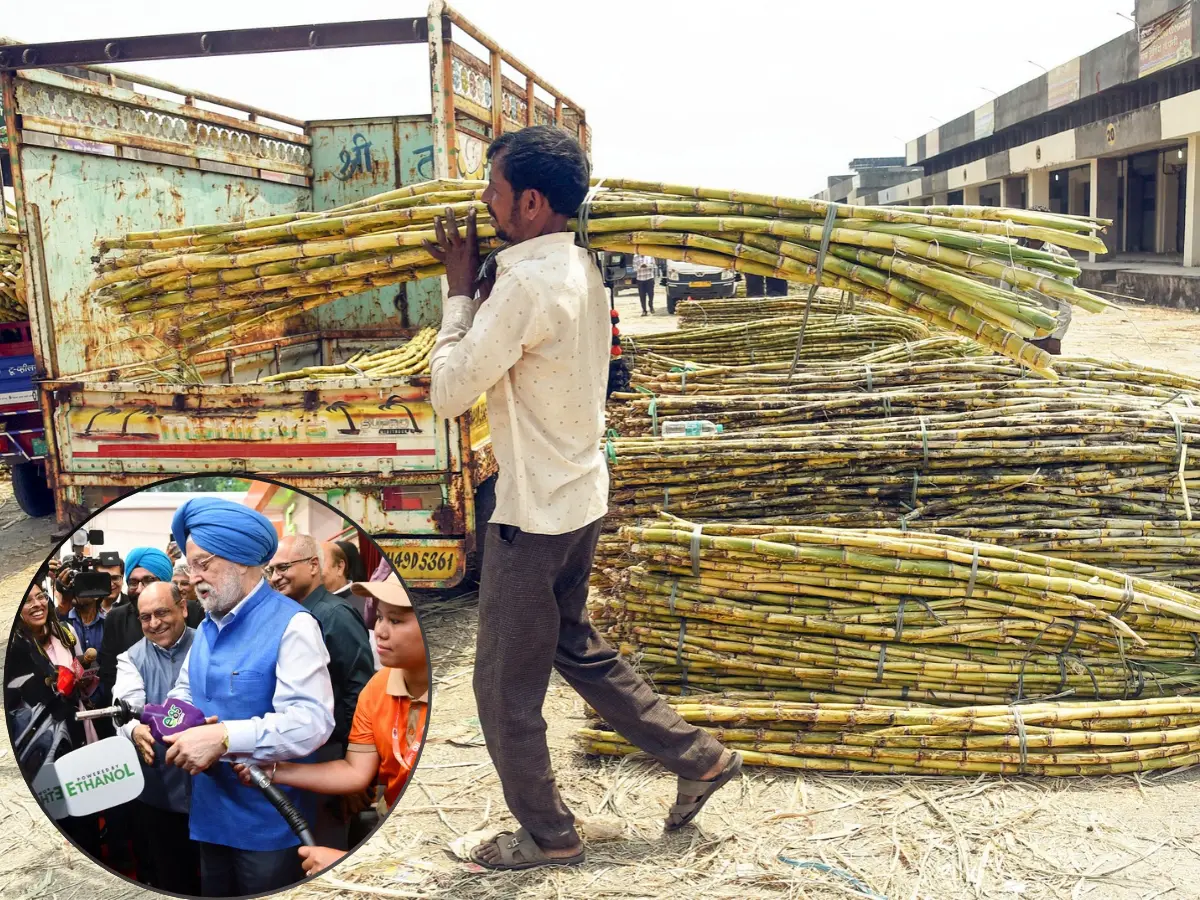
Some sugarcane is used to make ethanol, a fuel ingredient, but officials and industry experts say ethanol is not the main cause of the price increase.
The government expects new sugar production to begin increasing in October.
It has also allowed imports and placed limits on how much sugar dealers and large buyers can store.
These steps are meant to keep enough sugar available until the new harvest arrives.

Average retail sugar prices reached Rs 63.05 per kg on 24 August, up 22 percent in a week and 37 percent year-on-year.
The government expects 2025-26 sugar production at about 306 lakh metric tonnes, below its initial estimate of 343 lakh metric tonnes.
Crop diseases, excessive rainfall, festive demand and speculative stockpiling have tightened available supplies.
The government says sugar diverted to ethanol fell to about 9 percent of production in 2025-26, with nearly three-fourths of ethanol now made from grains.
India has allowed duty-free imports, advanced crushing, imposed stock limits and banned sugar exports until 30 September to improve availability.
- Who
- Indian consumers, sugar mills, bulk buyers, ethanol producers and the central government are involved; experts from the Indian Sugar Mills Association, Observer Research Foundation and Indian Council for Research on International Economic Relations offered assessments.
- What
- Indian sugar prices have surged because production is below expectations while festive demand, higher global prices and speculative stocking have tightened supplies.
- Where
- The price increase is occurring in India, with production problems reported in major sugar-producing states including Uttar Pradesh and Maharashtra.
- When
- Prices reached Rs 63.05 per kg on 24 August; the government’s import permission runs until 31 October, and its export ban runs until 30 September.
- Why
- Lower sugarcane yields, crop disease, excess rainfall, festive buying, stockpiling and higher international prices have combined to reduce available supplies.
Ethanol and diversion are significant
Supply problems and speculation are primary
Role of ethanol
Ethanol and diversion are significant
Sugarcane diverted to ethanol leaves less cane available for sugar production. About 2.7 million tonnes were diverted to ethanol last year, so ethanol affects overall availability.
Supply problems and speculation are primary
The government says sugar diversion to ethanol declined from about 12 percent in 2022-23 to about 9 percent in 2025-26. Industry and policy experts say ethanol diversion was not the primary trigger of the current price rise.
Nature of the shortage
Ethanol and diversion are significant
Lower sugar output and ethanol diversion have reduced the amount of sugar entering the market.
Supply problems and speculation are primary
Indian Sugar Mills Association president Niraj Shirgaokar said the rise does not reflect an actual fundamental shortage. He attributed the tightness to lower output, festive buying, higher global prices and speculative stocking by bulk buyers.
Main policy response
Ethanol and diversion are significant
Imports can add supply, but shipments from Brazil may take 40-45 days and Thailand is also facing a shortfall.
Supply problems and speculation are primary
The government is combining imports with earlier crushing, stock limits, inspections and an export ban to improve domestic availability before the new crushing season gathers pace.
Key facts
- Average retail price
- Rs 63.05 per kg on 24 August
- Weekly increase
- 22 percent
- Year-on-year increase
- 37 percent
- Expected 2025-26 production
- About 306 lakh metric tonnes, compared with an initial estimate of about 343 lakh metric tonnes
- Duty-free imports
- 10 lakh tonnes of raw sugar allowed until 31 October
- Expected closing stocks
- Industry estimates range from roughly 35 lakh tonnes to 35-40 lakh tonnes by 30 September
- Stock limits
- Sugar dealers face a 400-tonne limit from 1 August to 30 November; bulk consumers may hold no more than 15 days of consumption from 1 September
Quotes
Niraj Shirgaokar
President of the Indian Sugar Mills Association
“At current sugar prices, mills may find it more commercially attractive to produce sugar. If the present price scenario continues, ethanol production from sugarcane juice and B-heavy molasses could become uneconomical.”
 theprint.in
“Globally, lower estimated sugar production in Brazil has tightened supplies and pushed international prices from around $ 474 a ton in June to around $ 552 a ton in August.”
theprint.in
Sources
Related news
Why India Suddenly Needs Sugar Imports as Prices Rise
Centre Rejects Ethanol Diversion Link to Rising Sugar Prices
Government Rejects Ethanol Link, Blames Hoarding for India Sugar Surge

India’s Sugar Prices Surge as Demand, Weather and Speculation Weigh
India Sugar Prices Rise as Government Rejects Ethanol Link
India's Sugar Prices Rise as Centre Rejects Ethanol Link

Maharashtra Land Bank Aims to Speed Infrastructure Projects

Ganesh Mandals to Promote Maharashtra Public Services Awareness

ED Raids 12 Locations Across Four States in Parimatch Probe

Tukaram Mundhe Warns Indians About Food Safety Risks

Maharashtra Family Welcomes First Daughter in Nearly 200 Years
