

2 weeks ago
Centre Explores E10 Return Amid E20 Vehicle Concerns
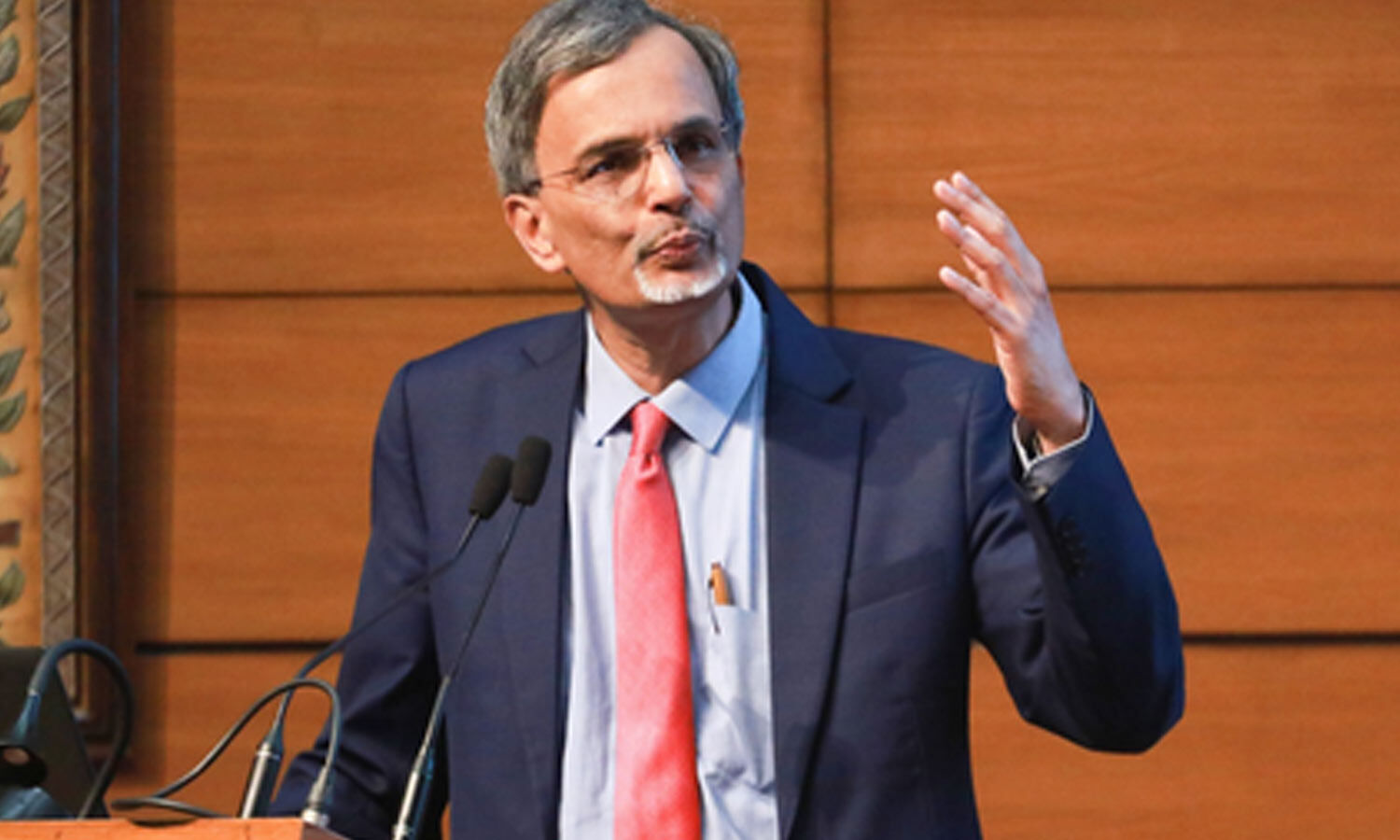
The government is thinking about offering two kinds of petrol.
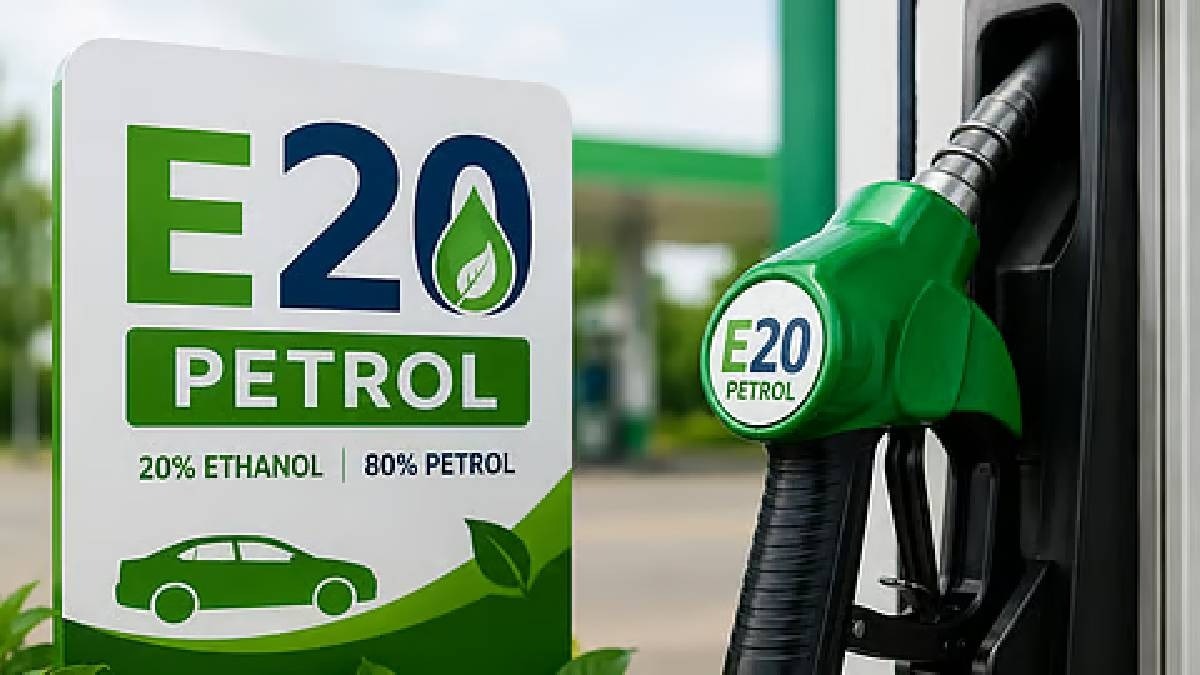
E10 has 10% ethanol, while E20 has 20% ethanol.
Some people with older cars and scooters worry that E20 may reduce mileage or not work well with their vehicles.
They want E10 to remain available until older vehicles are replaced.
Government officials say there is no evidence that E20 damages engines.
The government has started talking with car companies and fuel businesses about the idea.
Selling both fuels could require separate tanks, supplies, and delivery systems.
The government has not decided whether E10 will return.

The Central government is holding preliminary discussions on offering E10 petrol alongside E20.
E10 contains 10% ethanol, while E20 contains 20% ethanol and 80% petrol.
Talks with automobile and fuel industries are examining technical, consumer, and supply-chain feasibility.
Owners of older vehicles have raised concerns about E20’s mileage, compatibility, and possible engine-component damage.
Separate storage and distribution systems could increase costs and reduce efficiency, and no final decision has been made.
- Who
- The Central government, automobile and fuel industries, older-vehicle owners, Chief Economic Adviser V Anantha Nageswaran, and critics including Akhilesh Yadav.
- What
- Preliminary discussions are examining whether E10 petrol can be offered alongside E20.
- Where
- Across India’s fuel retail and distribution network.
- When
- The discussions are at an early stage; Nageswaran backed additional fuel choices on August 17, while the latest talks were reported on Wednesday.
- Why
- To assess whether older vehicles can receive a lower-ethanol fuel option without creating unmanageable costs and logistical problems.
Supporters of an E10 Option
Supporters of E20 and Distribution Simplicity
Older-vehicle compatibility
Supporters of an E10 Option
Owners of older cars and two-wheelers say E10 could address concerns about compatibility and mileage, particularly because many pre-2023 vehicles are described as not E20-compliant.
Supporters of E20 and Distribution Simplicity
The government says E20 is safe and that there is no evidence it damages engine components.
Consumer choice
Supporters of an E10 Option
Chief Economic Adviser V Anantha Nageswaran and advocates of the option support offering consumers a lower-ethanol alternative until older vehicles are phased out.
Supporters of E20 and Distribution Simplicity
The government had previously argued that maintaining multiple fuel grades nationwide would create an enormous logistical challenge.
Policy and political criticism
Supporters of an E10 Option
Critics, including Akhilesh Yadav, have questioned the E20 rollout and highlighted the apparent change after the adviser backed E10.
Supporters of E20 and Distribution Simplicity
The government’s stated rationale for E20 includes reducing crude-oil imports, cutting emissions, and increasing farmers’ income.
Key facts
- E10 composition
- Petrol containing 10% ethanol.
- E20 composition
- Petrol containing 20% ethanol and 80% petrol.
- Decision status
- No final decision has been taken.
- Vehicle concerns
- Owners of older, including pre-2023, vehicles have raised concerns about mileage, compatibility, and possible damage to engine components.
- Government position
- Officials maintain that there is no evidence E20 damages engine components.
- Distribution challenge
- Offering both grades could require separate supplies, storage, and distribution systems, increasing costs and reducing efficiency.
- Blending milestone
- The government said India achieved 20% average ethanol blending in 2025-26; another report described the 20% target as being reached five years ahead of schedule.
Quotes
Samajwadi Party chief Akhilesh Yadav
Political leader and party chief
“"Who is right? The government or the adviser?"”
 thehansindia.com
Sources
Related news
BPCL Explores E10 Option Alongside E20 for Older Vehicles
E10 Petrol May Return Through Premium Fuel Amid E20 Concerns

Akhilesh Yadav challenges Centre over E20 petrol concerns

BPCL Says E10 Supply Is Feasible Alongside E20

Former NITI Official Says India’s E20-Only Rollout Came Early
Why E10 Could Return Through Premium Fuel Dispensers
India's 7.8% GDP Growth Sparks Questions Over Economic Reality

Congress Questions Haryana’s Falling Sex Ratio Despite Beti Bachao
Three Killed, Several Injured in Rewa Bus Collision

West Bengal Plans Mega Durga Puja Show at Eden Gardens
NVIDIA CEO urges Indian startups to build local AI economy