

2 weeks ago
Andhra Assembly Approves Direct Election Of Urban Leaders

Andhra Pradesh’s Assembly approved a new rule for choosing some city leaders.
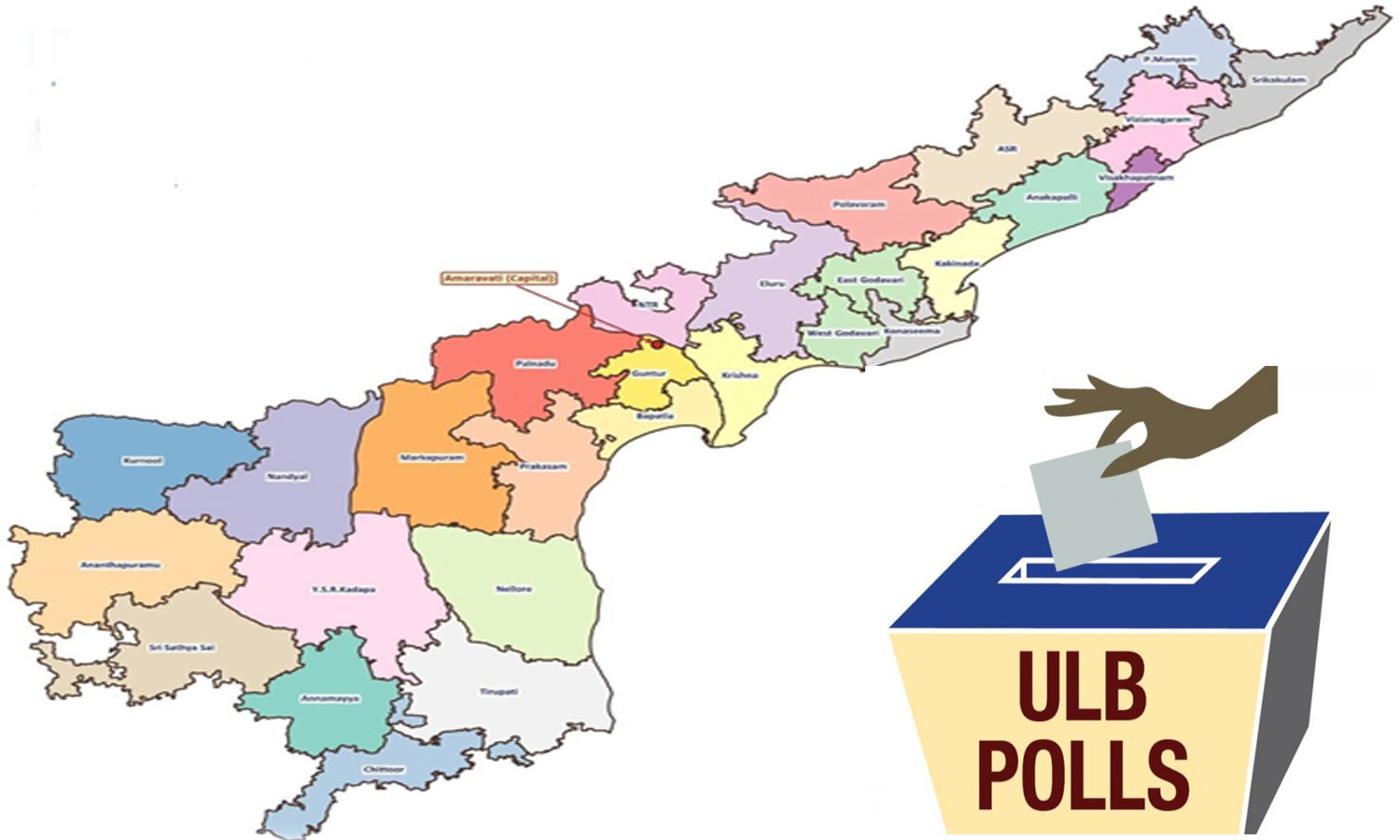
People would directly vote for mayors and municipal chairpersons.
Currently, councillors and corporators help choose these leaders.
The government says direct voting would give leaders a stronger mandate from residents.
It also says leaders would be less dependent on councillors to keep their positions.
Supporters believe this could help cities make decisions faster.
They say it could improve work on roads, drainage, water, transport and waste management.
The Bill was passed after a debate in the Assembly.

The Andhra Pradesh Legislative Assembly approved a Bill for direct elections of mayors and municipal chairpersons.
Municipal Administration Minister P Narayana said the reform would make urban leaders directly accountable to voters.
The government said direct elections could reduce political bargaining and delays in civic projects.
Supporters said the system would give mayors and chairpersons a clearer mandate for long-term urban planning.
The Bill passed after TDP legislators backed the reform and raised concerns about conflicts within elected bodies.
- Who
- The Andhra Pradesh Legislative Assembly, Municipal Administration Minister P Narayana and supporting TDP legislators.
- What
- The Assembly approved a Bill providing for the direct election of mayors and municipal chairpersons.
- Where
- Andhra Pradesh, with the Assembly proceedings reported from Amaravati.
- When
- Wednesday; the articles do not specify the date.
- Why
- The government said direct elections would strengthen public accountability, reduce political bargaining and enable faster decisions on urban projects.
Supporters Of Direct Elections
Concerns About Elected-Body Functioning
Political accountability
Supporters Of Direct Elections
Supporters said direct elections would give mayors and municipal chairpersons a clear mandate from voters and reduce their dependence on councillors.
Concerns About Elected-Body Functioning
The articles do not identify an opposition to direct elections, but TDP MLA Gorantla Butchaiah Chowdary raised concerns that conflicts over positions can affect the functioning of elected institutions.
Speed of urban decisions
Supporters Of Direct Elections
Minister P Narayana said the reform would reduce political bargaining and delays in implementing civic projects.
Concerns About Elected-Body Functioning
The articles do not report a specific opposing view on whether direct elections would speed up decisions.
Role of councillors
Supporters Of Direct Elections
Supporters argued that under the indirect system, leaders may focus on retaining councillors’ support instead of broader public issues and residents’ interests.
Concerns About Elected-Body Functioning
Chowdary emphasized the need for healthy conventions among elected representatives to prevent institutional conflicts.
Key facts
- Legislative body
- Andhra Pradesh Legislative Assembly
- Bill
- A Bill for direct elections of mayors and municipal chairpersons
- Current system
- Mayors and chairpersons are selected through an indirect system involving elected councillors or corporators.
- Government rationale
- Directly elected leaders would have a clear public mandate and be directly accountable to voters.
- Expected administrative effect
- The government said the reform could reduce delays and political bargaining over civic projects.
- Urban policy areas
- Roads, drainage, water supply, public transport, waste management and urban development
- Outcome
- The Assembly passed the Bill after debate.
Quotes
TDP MLA Kalva Srinivasulu
Member of Legislative Assembly for the Telugu Desam Party
“"Urban administration often falls short of public expectations" under such a system.”
 thehansindia.com
Sources
Related news
Andhra Pradesh Mayors, Chairpersons Likely to Face Direct Elections

Direct Urban Local Body Elections Raise Expense Concerns

CPM Rejects Direct Elections for Local Body Top Posts
Andhra Pradesh Begins Process For 100 Municipal Elections
Andhra Pradesh Cabinet Approves BC Quotas, October Local Elections

Andhra Pradesh Assembly to Convene August 17, Key Bills Tabled
Andhra Pradesh Sanctions Rs 400 Crore Visakhapatnam Road Development Plan

Kondapalli Municipality Receives Rs 96 Crore Development Allocation
Andhra Pradesh Cuts Building Checks to Three Levels
Andhra Pradesh launches major plans to address Visakhapatnam water woes

Telugu Desam Ticket Tussle Grows Ahead of Nellore Polls
