2 hrs ago
Government Rejects Foreign Influence Claims Over UPI MDR Changes
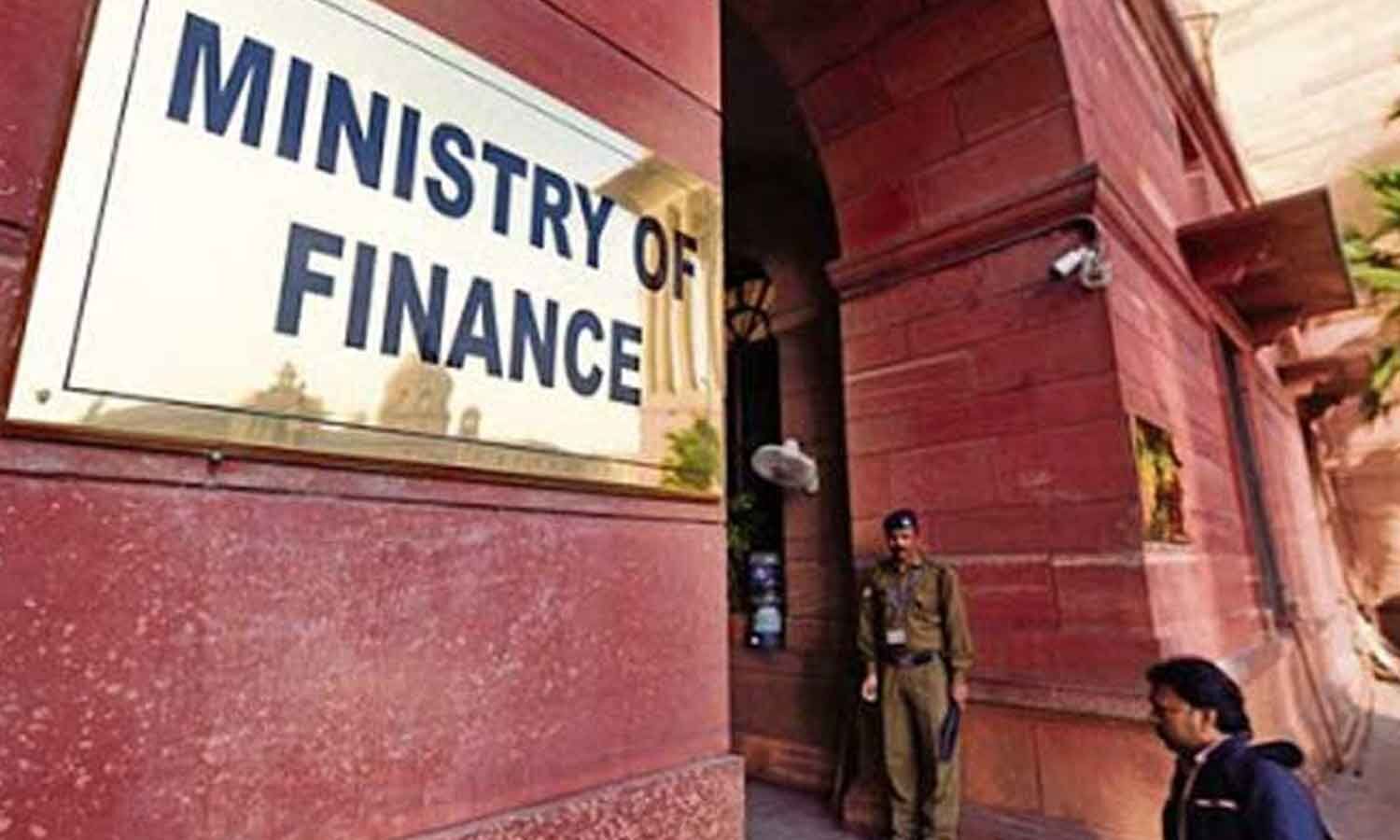
The government says India decides its UPI rules on its own.
It rejected claims that another country influenced the latest fee changes.
UPI lets people send money and pay businesses digitally.
Customers can still use UPI without paying a fee.
Person-to-person payments will remain free.
Small merchants earning up to Rs 1 lakh per month through UPI QR codes will also pay nothing.
Larger merchant payments above Rs 2,000 will have a small fee paid by the merchant.
The government says this money will help improve security and support smaller businesses.
Merchants are not allowed to add this fee to customers’ bills.

The Finance Ministry rejected claims that foreign influence drove changes to UPI merchant discount rates.
The ministry said India independently determines UPI policies to build a self-sustaining and inclusive payments system.
UPI processed 24.5 billion transactions in August 2026, according to the government.
A 0.4% fee will apply to larger merchant transactions above Rs 2,000, while customers remain charged nothing.
The government said MDR revenue will support infrastructure, cybersecurity, small merchants and wider UPI adoption.
- Who
- The Finance Ministry announced the clarification concerning UPI users, merchants and payment platforms.
- What
- The government rejected foreign-influence claims and explained revised merchant discount rate charges for some UPI transactions.
- Where
- The policy applies across India’s UPI ecosystem.
- When
- The clarification was issued on Wednesday; the ministry cited UPI transaction data for August 2026.
- Why
- The government said the changes are intended to help fund infrastructure, cybersecurity, small-merchants support and wider UPI adoption.
Government Position
Critics’ Claim
Reason for MDR changes
Government Position
The Finance Ministry says the changes are independent Indian policy decisions designed to make UPI self-sustaining and fund infrastructure, cybersecurity and small-business support.
Critics’ Claim
The claims rejected by the government suggest that foreign influence was responsible for the changes.
Effect on users and merchants
Government Position
The government says customers remain unaffected, most merchant payments remain free, and only larger transactions carry a merchant-paid fee.
Critics’ Claim
The articles do not provide further details from those making the foreign-influence claims or explain their specific objections.
Key facts
- UPI transactions
- UPI processed 24.5 billion transactions in August 2026.
- Customer charges
- Customers continue to use UPI without charges, including for person-to-person transfers.
- Large merchant payments
- Merchant transactions above Rs 2,000 attract a 0.4% fee.
- Small merchants
- Vendors earning up to Rs 1 lakh per month through UPI QR codes continue to pay zero charges.
- Lower-value payments
- More than 95% of merchant payments are below Rs 2,000 and remain free.
- Specified sectors
- Railways, fuel, telecom, bill payments and insurance have a Rs 5 fee above Rs 2,000; mutual fund and securities payments incur 0.02%, capped at Rs 300.
- Fee restrictions
- Merchants cannot pass MDR costs to customers, and UPI apps cannot impose platform charges.
Quotes

Finance Ministry
India’s government ministry responsible for finance and economic policy
“Such claims are “false. India’s UPI policy decisions are made independently, with the clear goal of building a self-sustaining, inclusive, and affordable digital payments ecosystem,””
 thehansindia.com
“The new framework ensures resources from higher-value merchant transactions are reinvested to support small businesses and strengthen digital payments across the country”
thehansindia.com
Sources
Related news
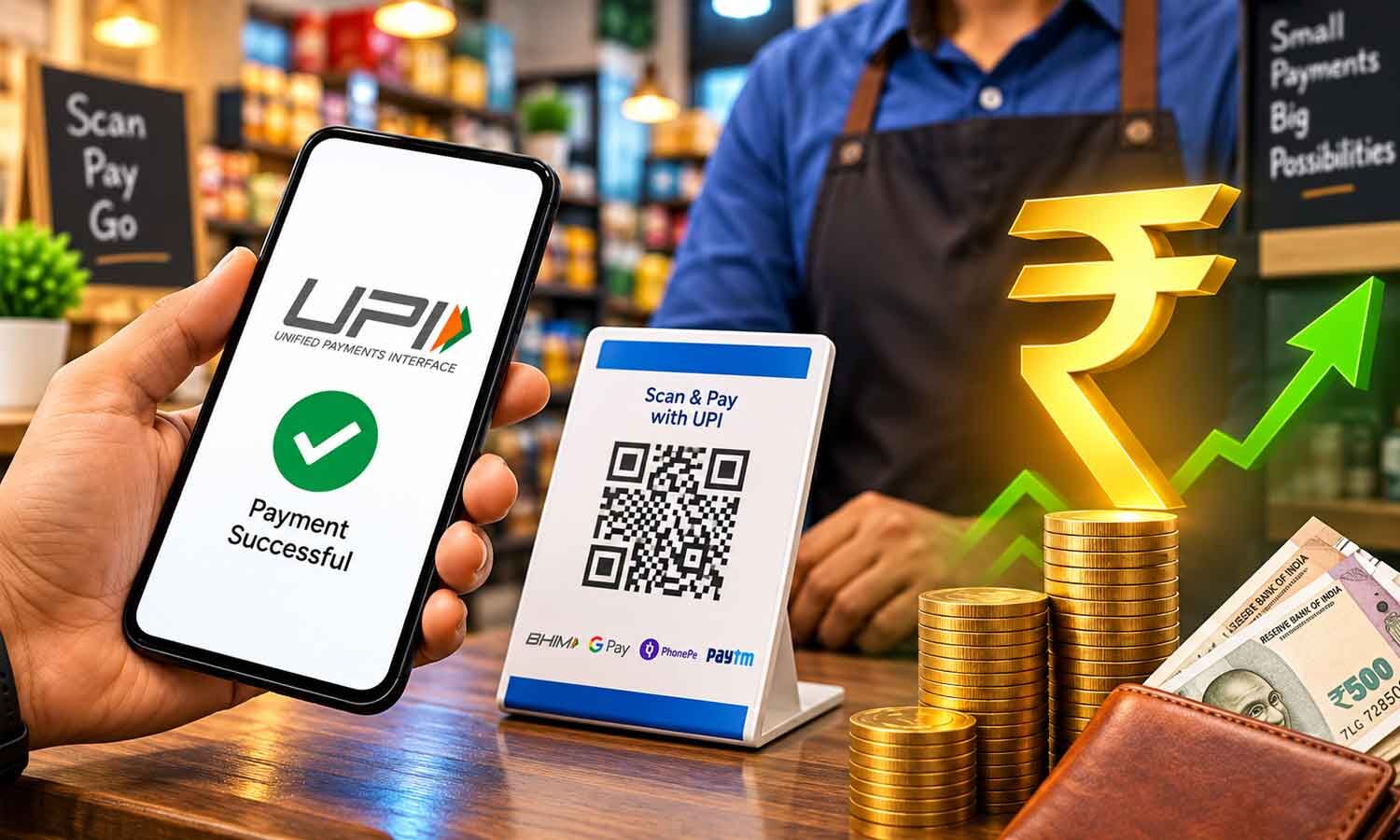
India Adds UPI Merchant Fees Above ₹2,000

UPI Sets 0.4% MDR on High-Value Merchant Payments
RBI Backs MDR on Large UPI Transactions for Sustainability

UPI Charges Debate Grows as MDR Framework Opens Higher Payments

Panel to Decide UPI MDR Charges Above ₹2,000 Soon

Paytm CEO Supports Charges on Large UPI Payments

India’s UPI Fee Reversal Sparks Questions Over Earlier Denial

Finance Ministry Says UPI Users Avoid Fees, Merchants Face Charges
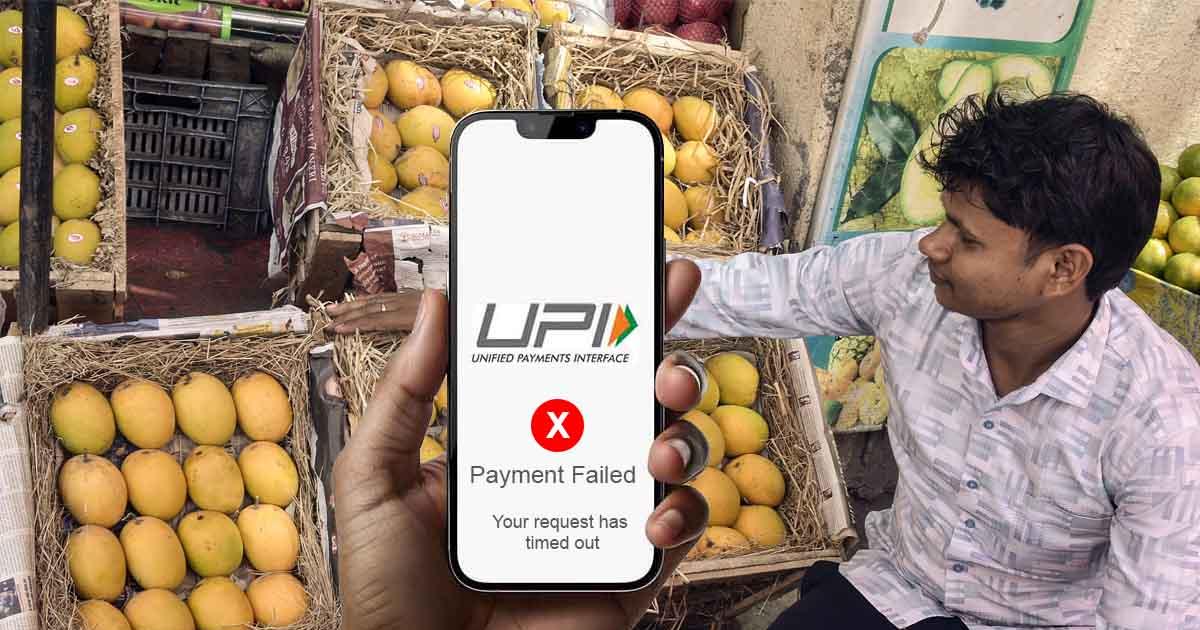
New UPI Merchant Fee Sends Fintech Shares Into Volatility

UPI Charges Draw Criticism Over India’s Industrial Policy Approach