2 hrs ago
Anantapur Launches First Batch of Electric Garbage Autos
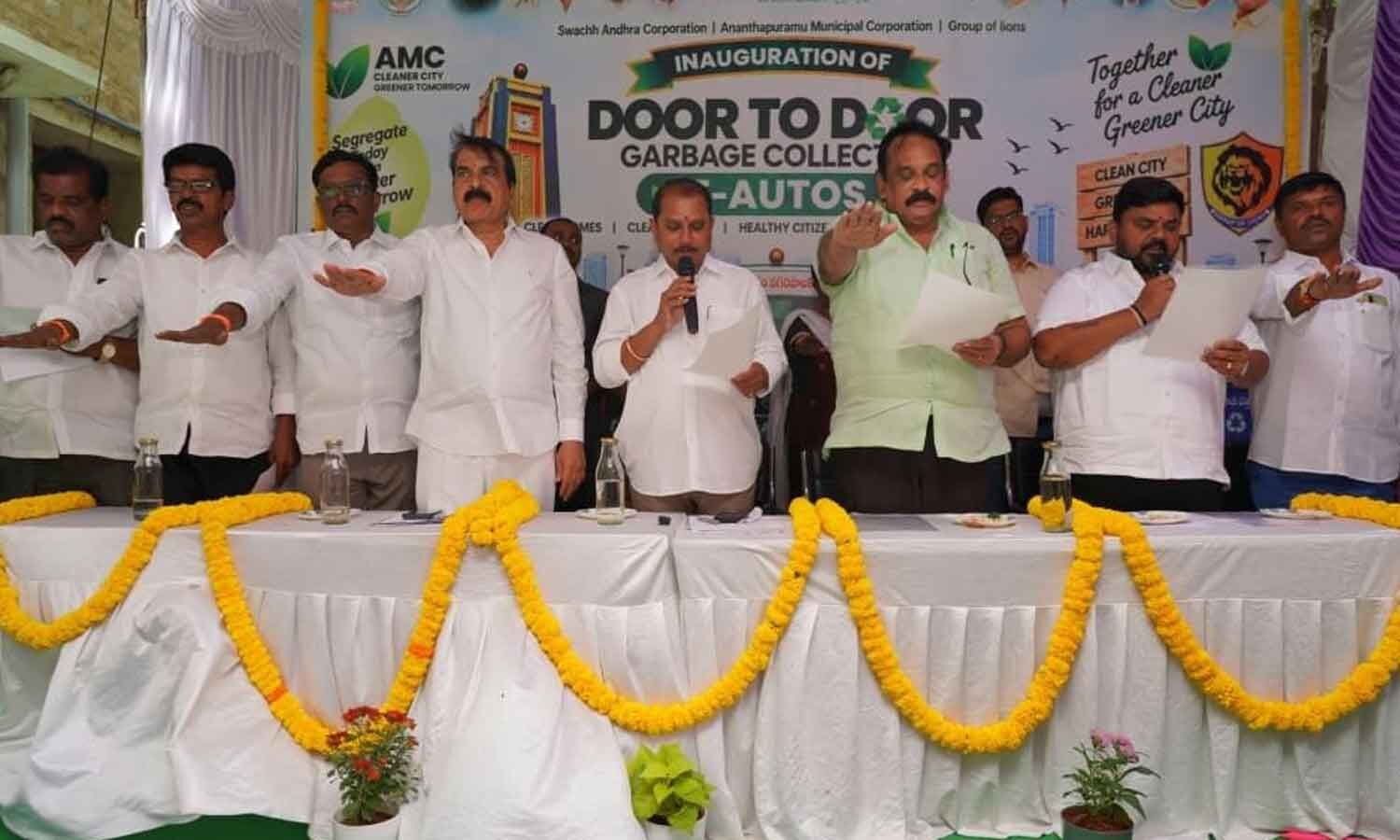
Anantapur has started using electric vehicles to collect household garbage.
The first group has 15 vehicles, and 62 have been approved in total.
These smaller vehicles can enter narrow streets and distant parts of the city.
Officials asked people to give their waste directly to the collection vehicles.
They said a large amount of waste had built up at the city dumping yard.
About 200,000 tonnes of the 300,000 tonnes there has reportedly been cleared.
A new plant will turn separated waste into fertilizer and provide material to cement industries.
A public park is also planned at the site.

Anantapur Municipal Corporation inaugurated 15 electric garbage-collection autos, the first batch of 62 vehicles sanctioned by the government.
MLA Daggupati Prasad and MP Ambica Lakshminarayana launched the vehicles in Anantapur.
Officials said the e-autos will serve remote and narrow lanes and urged residents to hand over household waste to them.
Of 300,000 tonnes of waste at the Anantapur dumping yard, 200,000 tonnes have reportedly been removed.
A Rs. 15 crore waste-management plant and a public park are planned for the dumping-yard site.
- Who
- Anantapur Urban MLA Daggupati Prasad, MP Ambica Lakshminarayana, and Anantapur Municipal Corporation officials.
- What
- The first batch of 15 electric garbage-collection autos was inaugurated from a government-sanctioned total of 62 vehicles.
- Where
- Anantapur, Andhra Pradesh, including the Anantapur dumping yard.
- When
- The date is not specified in the article.
- Why
- To improve pollution-free waste collection, reach narrow and remote lanes, and support wider waste-management efforts.
Key facts
- First batch
- 15 electric garbage-collection autos
- Total allocation
- 62 vehicles sanctioned for Anantapur Municipal Corporation
- Dumping-yard waste
- 300,000 tonnes had accumulated
- Waste removed
- 200,000 tonnes reportedly cleared
- Planned plant cost
- Rs. 15 crore
- Planned processing
- Segregated waste will be processed into fertilizer and supplied to cement industries
- Additional development
- A public park is planned at the dumping-yard site
Sources
Related news

Bapatla Villages Receive Battery Autos for Cleaner Communities

MCD Flags Off 176 Electric Sanitation Vehicles in South Delhi
Kurnool Plans Rs 330 Crore Solid Waste Plant

Asansol Launches City Watch Cars to Catch Littering Violators
Officials Order Legacy Waste Removal in Penamaluru Dump Yard

Nellore Deputy Mayor Rebuts YSRC Waste Management Allegations
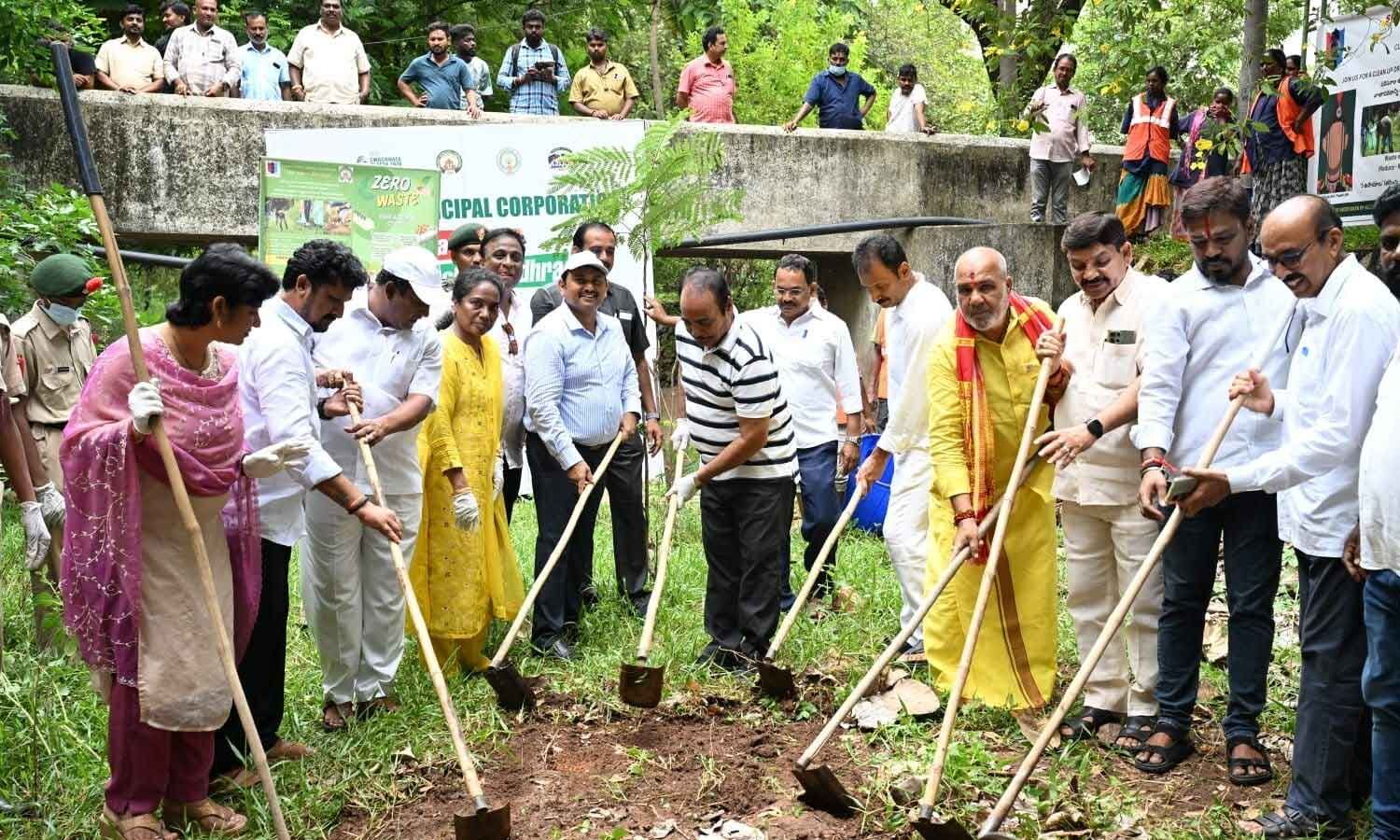
MLA Srinivas Leads Tirupati Cleanliness Drive Under Swachh Andhra Campaign
Balavardhana Rao likely selected as Vijaya Dairy chairman
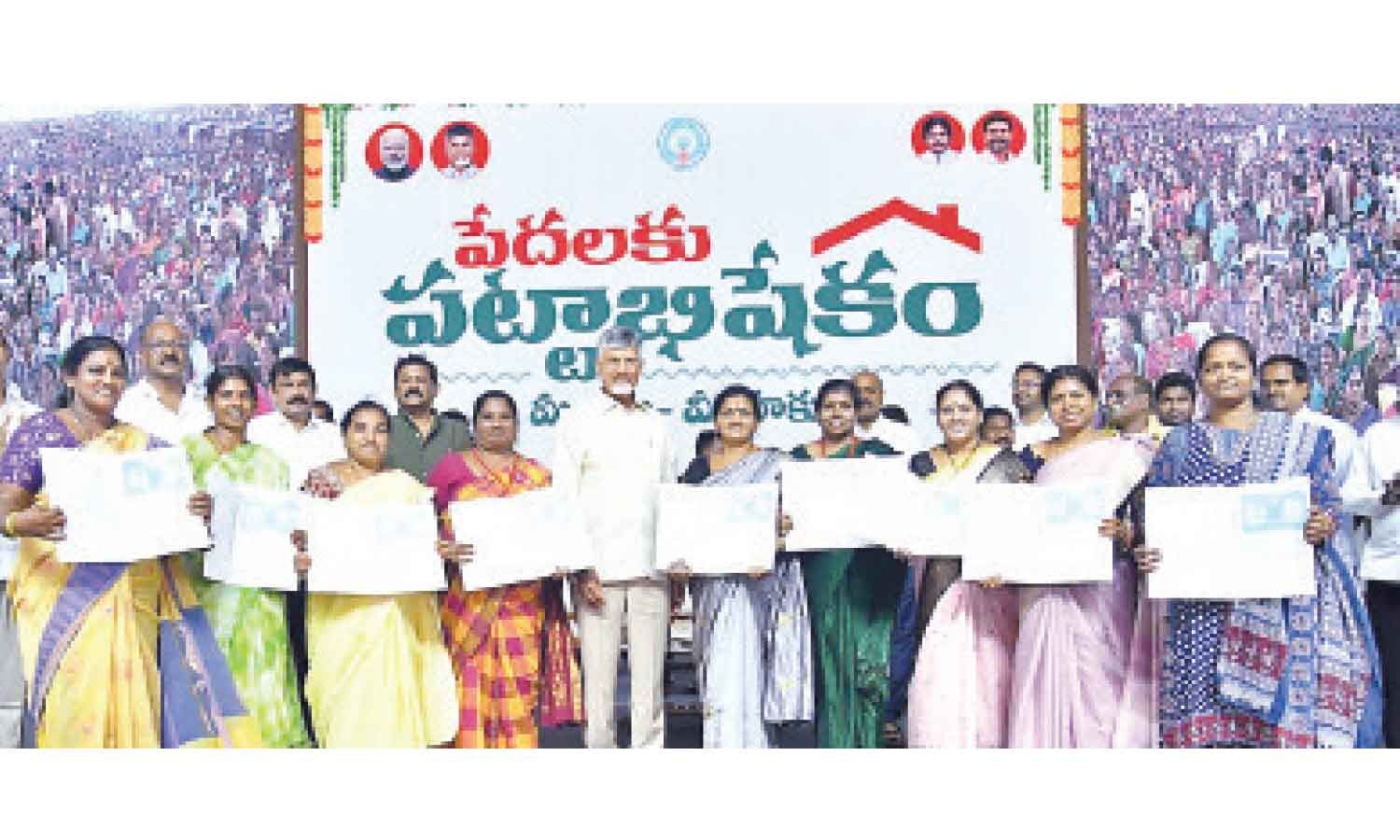
Naidu Gives Ownership Rights to 28,445 Visakhapatnam Beneficiaries
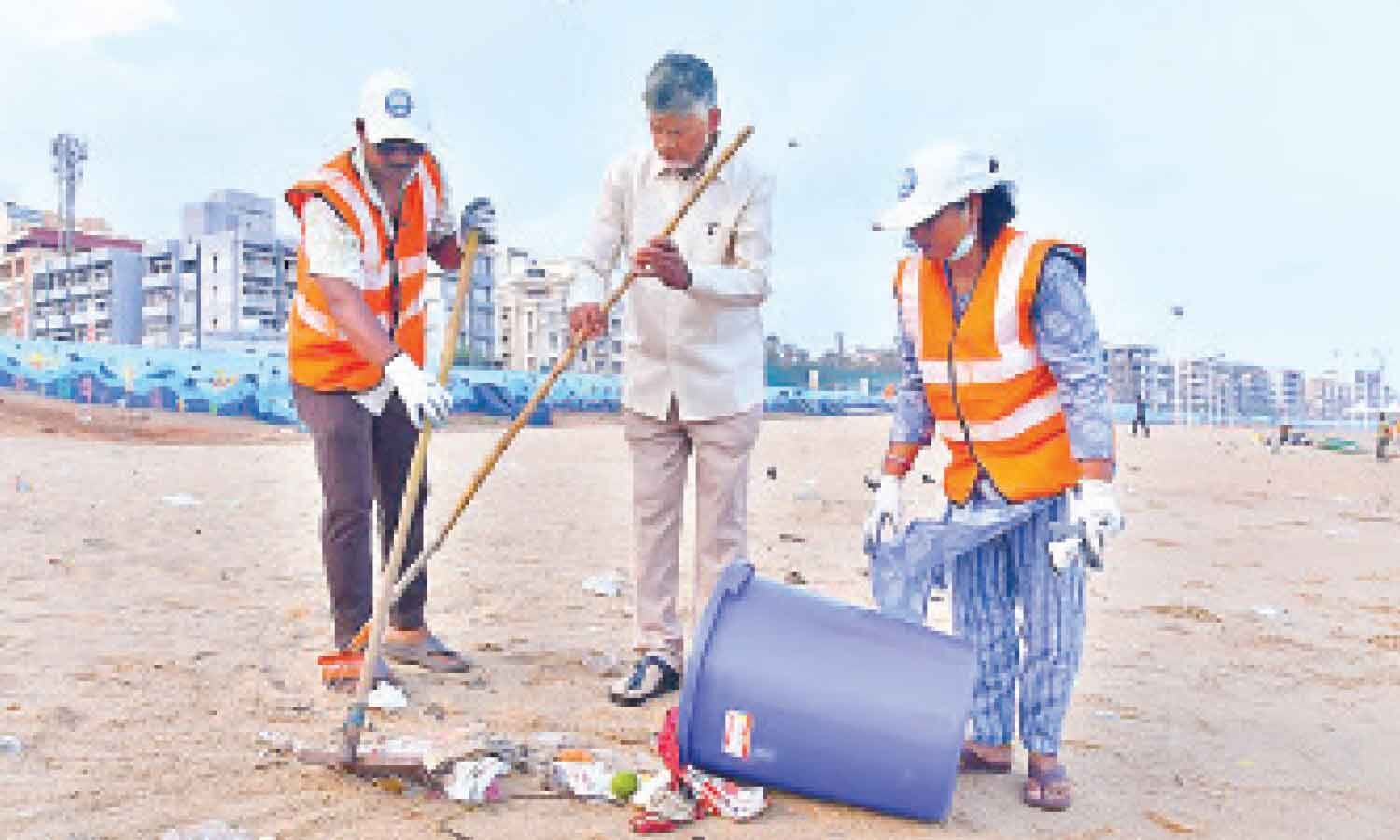
Naidu Reviews Coastal Cleanup, Inaugurates Plastic Recovery Centre