

2 hrs ago
UNEP Warns Irreversible Climate Damage as 1.5°C Nears
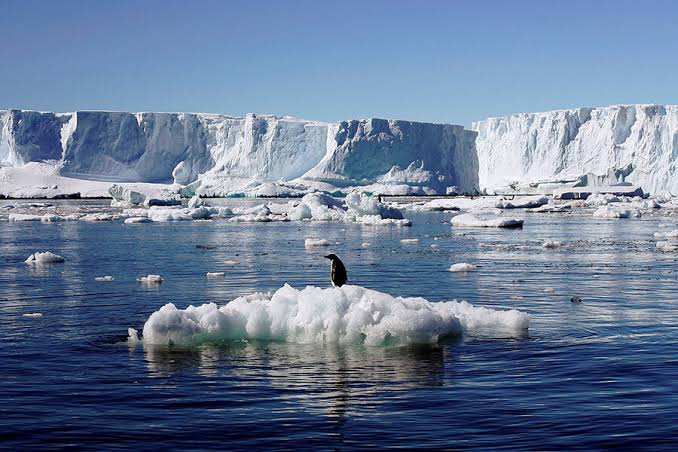
A new United Nations report says Earth may soon become more than 1.5°C warmer than before large-scale industrialization.
This could make extreme weather and damage to nature worse.
Some effects might improve if warming slows, but others may last for a very long time.
For example, glaciers may not return even if temperatures later fall.
Rising seas and the extinction of species can also be difficult or impossible to reverse.
Climate change is already forcing some farming families in India to move or change jobs.
Poorer countries often suffer the most even though they caused less of the historical pollution.
Balakrishna Pisupati said countries that have emitted the most should help vulnerable countries respond.
He said promises must become real action to protect people and communities.

A UNEP report warns global temperatures could temporarily exceed the 1.5°C threshold within the next few years.
UNEP India head Balakrishna Pisupati said some climate damage may be irreversible despite technological progress.
The report links warming to more extreme weather, ecosystem loss and risks to small island nations.
Pisupati said South Asia faces overlapping pressures including inequality, demographic change and limited technology access.
He urged historically high-emitting countries to help fund mitigation, adaptation, technology transfer and loss-and-damage efforts.
- Who
- The United Nations Environment Programme and its India head, Balakrishna Pisupati, are warning about the risks; historically high-emitting countries are urged to provide greater support.
- What
- A UNEP report warns that temperatures may temporarily exceed 1.5°C and that some climate damage could become permanent.
- Where
- The risks are global, with South Asia and vulnerable farming communities in India highlighted as examples.
- When
- The report was released on Wednesday, and the 1.5°C threshold could be exceeded within the next few years.
- Why
- Immediate and sustained greenhouse-gas cuts, along with finance, technology transfer and support for adaptation and loss and damage, are needed to limit impacts.
Key facts
- Report
- UNEP's “Limiting Overshoot” report
- Warming threshold
- Global temperatures are expected to temporarily exceed 1.5°C above pre-industrial levels within the next few years.
- Irreversible impacts
- The report discussion highlights biodiversity loss, glacier retreat and sea-level rise as changes that may not fully reverse.
- South Asian pressures
- Demographic pressures, income inequality, unequal technology access and the need for a just transition.
- Climate responsibility
- Pisupati said countries with greater historical emissions, resources and technology should shoulder more responsibility.
- Support sought
- Mitigation, adaptation, technology transfer, financing and assistance for loss and damage.
- Key principle
- Common But Differentiated Responsibilities and Respective Capabilities, or CBDR-RC.
Quotes
Balakrishna Pisupati
UNEP India head who discussed the report’s climate risks and equity implications
“South Asia is challenged by a number of overlapping problems -- demographic pressures, income inequality, unequal access to technology, and a just transition. Like many developing countries, South Asia is largely at the receiving end of global warming.” He told PTI, “Many of these changes don't respect political boundaries, which is why we have multilateral processes, negotiations, and frameworks like the UN Framework Convention on Climate Change (UNFCCC).”
 deccanchronicle.com
Sources
Related news
UN Report Says 1.5°C Breach Near, Return Still Possible
UNEP Report Says 1.5°C Breach Is Now Inevitable

UN Report Urges Limiting Climate Warming Beyond 1.5 Degrees
UN Reports Warn Climate Crisis Threatens Humanity’s Future

Nepal Seeks Climate Compensation After Deadly Floods
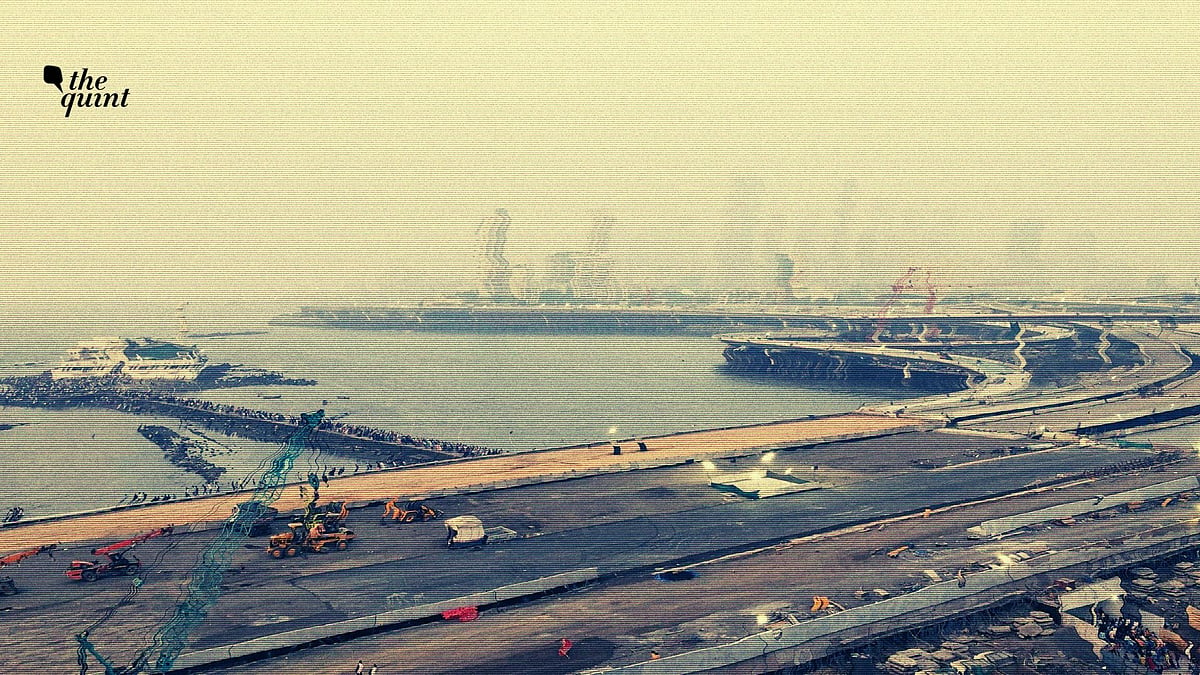
UN Warns of Rising Sea Levels Threatening India
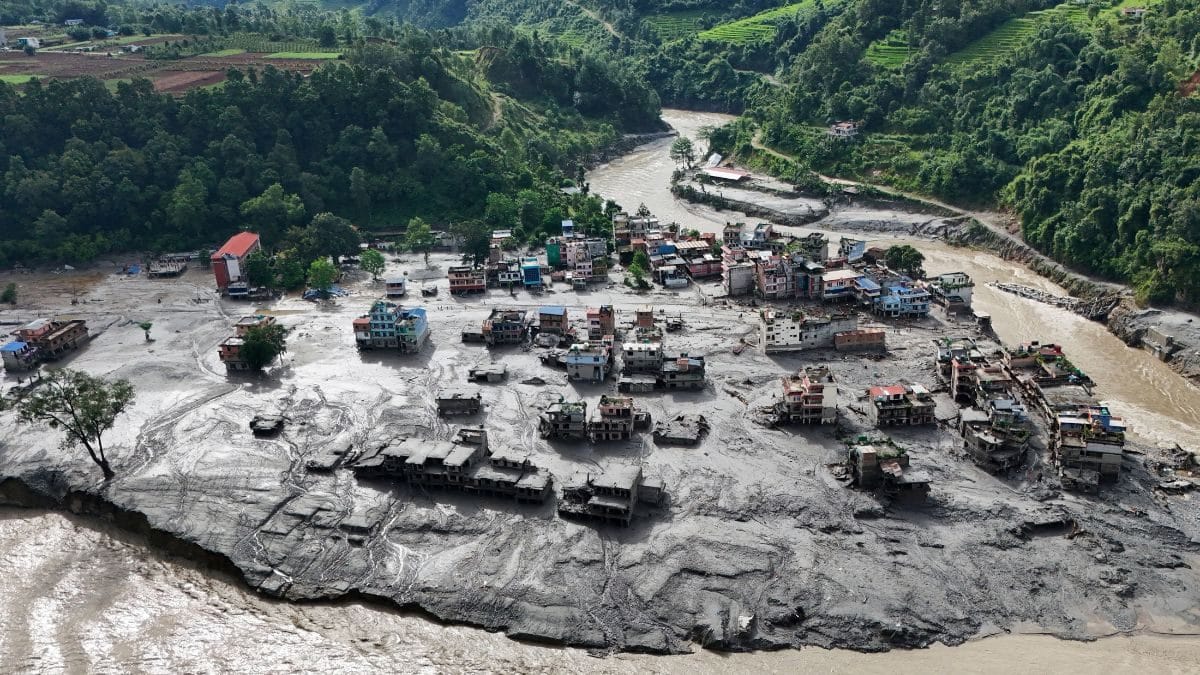
Nepal’s Climate Compensation Call Tests UN Loss Fund
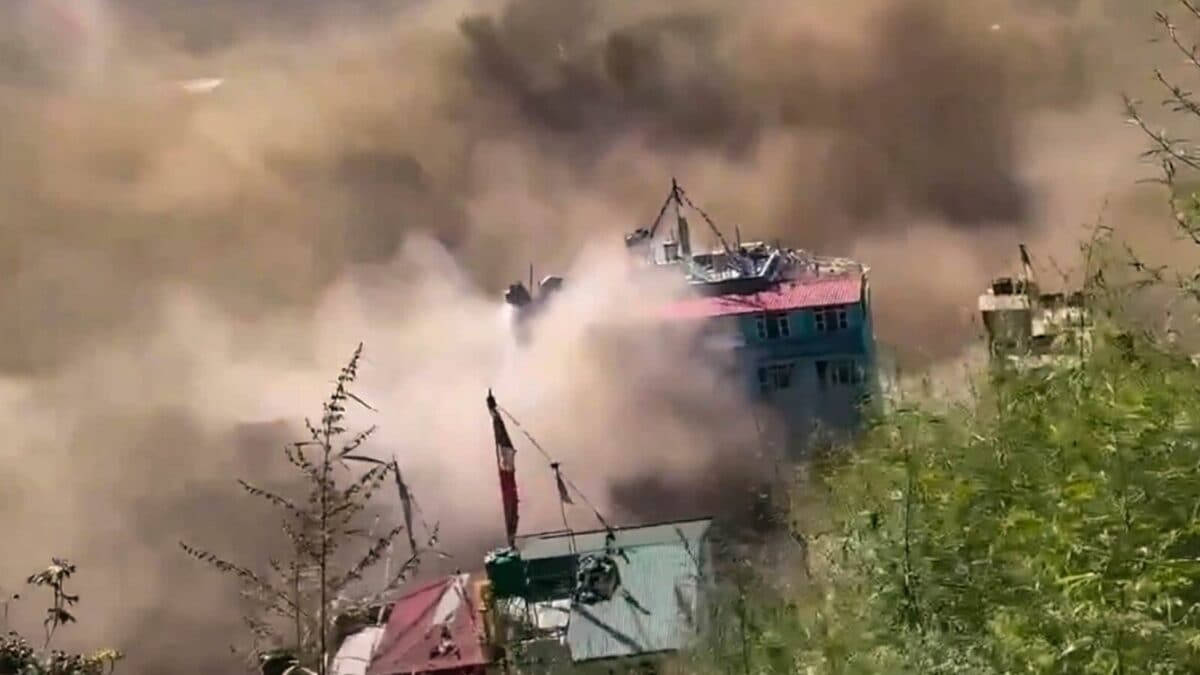
Nepal Floods Prompt LDCs to Demand Urgent Climate Finance

Nepal Seeks Climate Compensation as Flood Rescue Operations Continue

Nepal Flood Disaster Highlights Hindu Kush Himalayas Fragility
