1 hr ago
UN Report Says 1.5°C Overshoot, Return Remains Possible
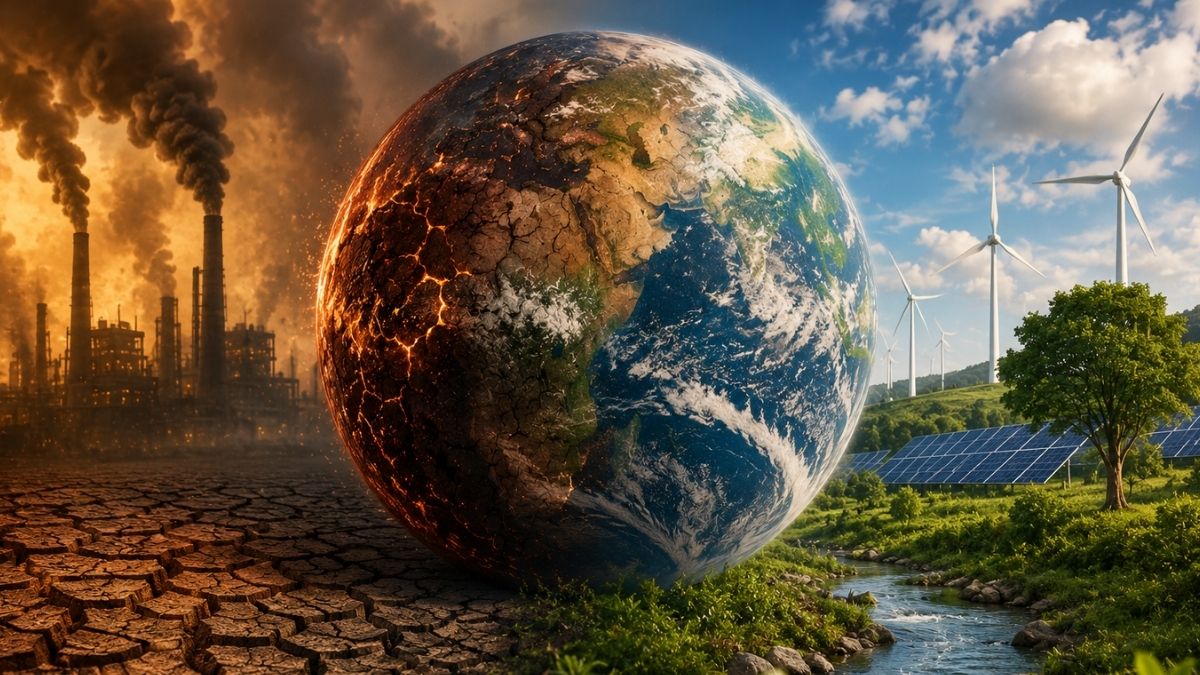
The Earth is getting warmer because people release greenhouse gases.
A United Nations report says the world will probably pass the 1.5°C warming goal soon.
This goal comes from the Paris Agreement.
Passing it would not cause everything to change suddenly, but higher temperatures would make many dangers worse.
Countries could still try to bring temperatures below 1.5°C later.
They would need to cut pollution quickly and remove some carbon dioxide from the air.
Planting trees can help, but trees alone would not be enough.
The longer temperatures stay high, the more damage could happen to people, nature, food, water and homes.
Governments must also prepare communities for changes that cannot be avoided.

A United Nations Environment Programme report says the world will likely cross 1.5°C of warming within the next few years.
It proposes an “overshoot, peak and decline” pathway in which temperatures later return below 1.5°C.
The most optimistic scenario reaches about 1.8°C, while current policies could produce median warming of about 2.6°C by 2100.
Returning below the threshold would require rapid emissions cuts, methane reductions and large-scale carbon dioxide removal.
UNEP warns that each additional fraction of warming increases extreme-weather risks, ecosystem damage, social disruption and possible irreversible tipping points.
- Who
- The United Nations Environment Programme, governments, climate scientists and countries worldwide.
- What
- A report warns that global warming will likely exceed 1.5°C but says temperatures could eventually return below that level.
- Where
- Worldwide, including low-lying coastal cities, Small Island Developing States, ecosystems and vulnerable communities.
- When
- The threshold is likely to be crossed within the next few years; returning below it would require action over decades.
- Why
- To limit the height and duration of warming above 1.5°C and reduce climate damage and irreversible risks.
A Manageable but Urgent Overshoot
A Dangerous and Uncertain Overshoot
Meaning of Crossing 1.5°C
A Manageable but Urgent Overshoot
UNEP and climate scientists say crossing the threshold would not be a sudden climate cliff, and substantial action could still limit warming and eventually restore temperatures below 1.5°C.
A Dangerous and Uncertain Overshoot
The report says every year above 1.5°C increases risks, and returning below the threshold would not undo all damage or reverse every climate change.
Role of Carbon Removal
A Manageable but Urgent Overshoot
Carbon dioxide removal could help lower temperatures after emissions are sharply reduced, using forests and technologies that remove carbon directly from the air.
A Dangerous and Uncertain Overshoot
Carbon removal is uncertain and faces questions about cost, scale, reliability and environmental integrity; forests alone would not be sufficient.
Climate Responsibility
A Manageable but Urgent Overshoot
The report calls for stronger international cooperation, finance and faster action by countries that bear greater responsibility for climate change.
A Dangerous and Uncertain Overshoot
Communities with fewer resources could face disproportionate heat, floods, droughts, relocation and livelihood changes, raising difficult questions about justice and political legitimacy.
Key facts
- Report
- “Limiting Overshoot: How to Navigate Exceedance,” published by the United Nations Environment Programme.
- Likely threshold breach
- Global warming is expected to cross 1.5°C within the next few years.
- Current warming
- Global temperatures are already about 1.4°C above pre-industrial levels.
- Best-case peak
- The most optimistic scenario reaches about 1.8°C above pre-industrial levels.
- Current-policy projection
- Under current policies, median warming is projected at about 2.6°C by 2100.
- Required pathway
- Rapid greenhouse-gas cuts, methane reductions, carbon dioxide removal and stronger adaptation.
- Carbon-removal limit
- Tree planting could reduce global temperatures by only about 0.1°C at most, according to UNEP.
- Potential tipping points
- Risks include changes involving major ice sheets, the Amazon rainforest and Atlantic Ocean circulation.
Quotes

António Guterres
United Nations Secretary-General
“There are no good outcomes if we remain above 1.5°C. Across the globe, extreme heatwaves are already proving that climate impacts will strike faster, hit harder, and last longer, costing more lives and causing deeper disruption.”
 freepressjournal.in
“This summer's scorching heat, raging wildfires and deadly floods are a warning of what lies ahead. We must make the overshoot above 1.5 degrees as small and short as possible. That demands an overshoot of ambition.”
freepressjournal.in
Sources
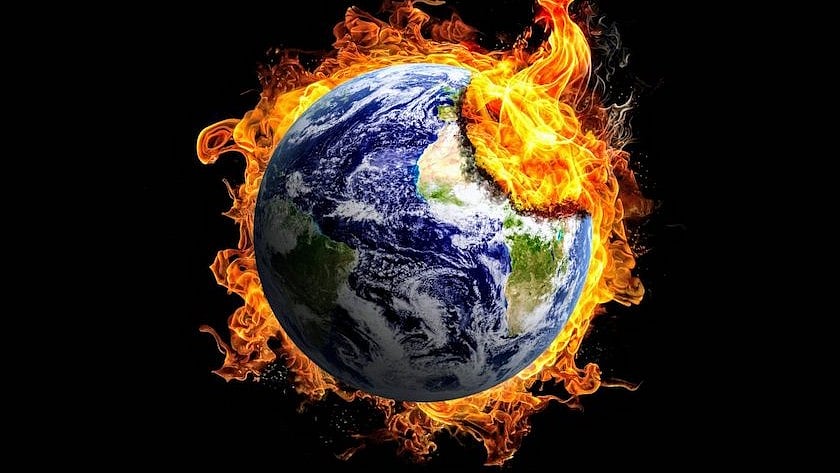
Related news
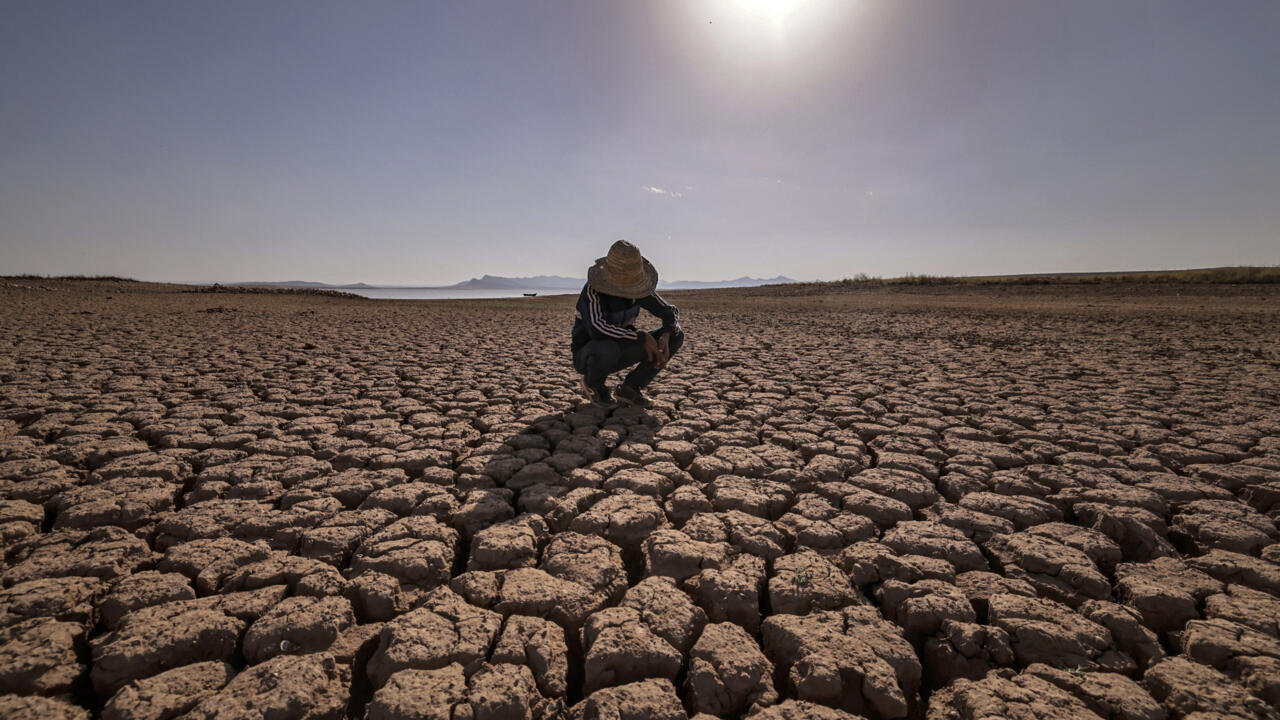
UN Says World Will Exceed Paris Warming Limit
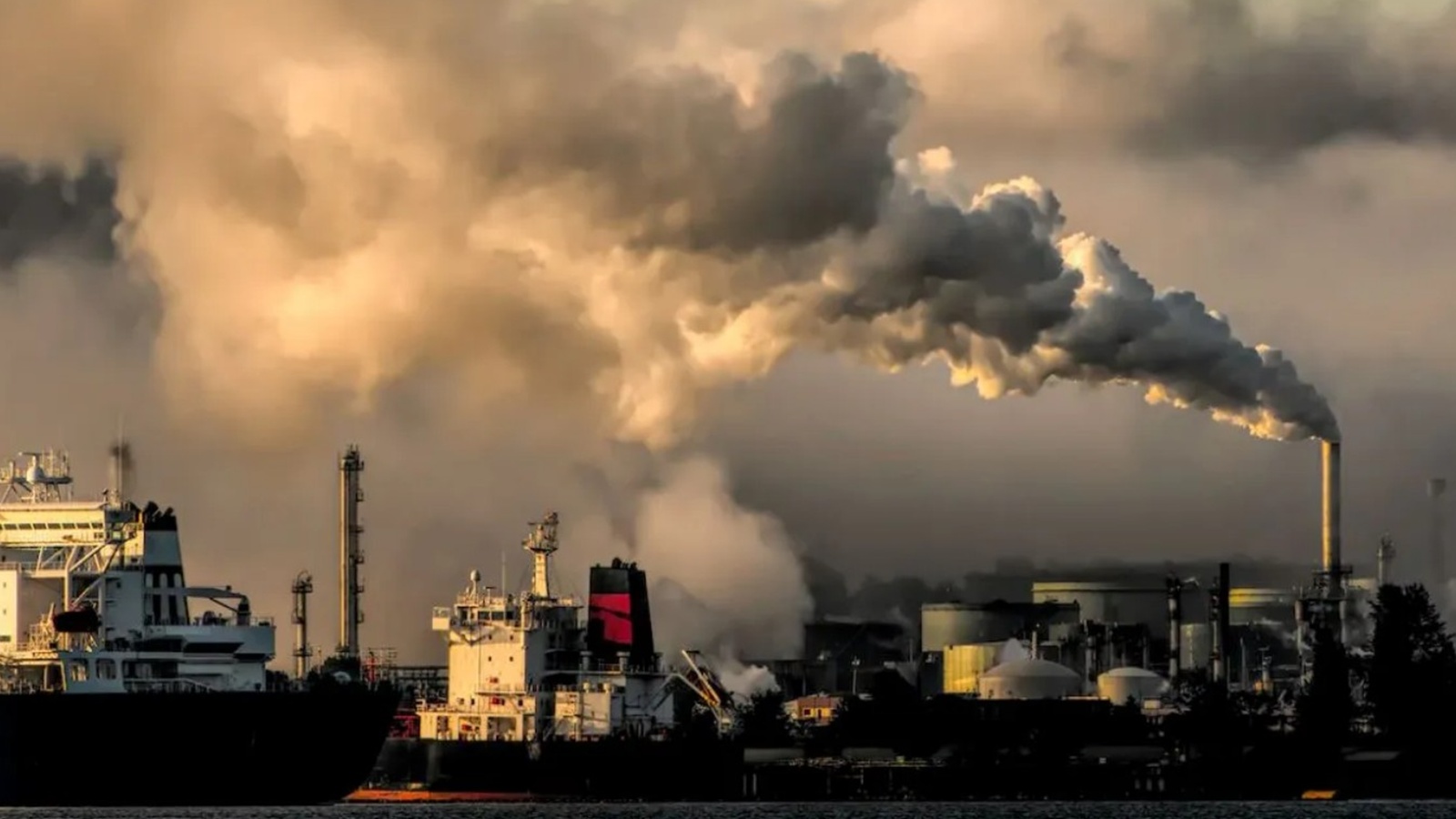
UNEP Report Says 1.5°C Breach Is Now Inevitable
UN Warns of Rising Sea Levels Threatening India

Musk Warns Climate Action Alone May Not Save Humanity

Musk Warns Sustainable Energy Alone Cannot Save Humanity

UPSC Weekly Current Affairs: Environment, Diplomacy, Defence and Economy
IIM-Born CEO Says Australia’s Everyday Life Runs on Trust

Uday Kotak Warns Global Bond Markets Face Roller-Coaster Volatility

Countrywide Visas Services, Reviews, and Complaints Explained

Mitsubishi Unveils Fifth-Generation Pajero as New Seven-Seat Off-Roader