2 hrs ago
Nepal’s Climate Compensation Call Tests UN Loss Fund
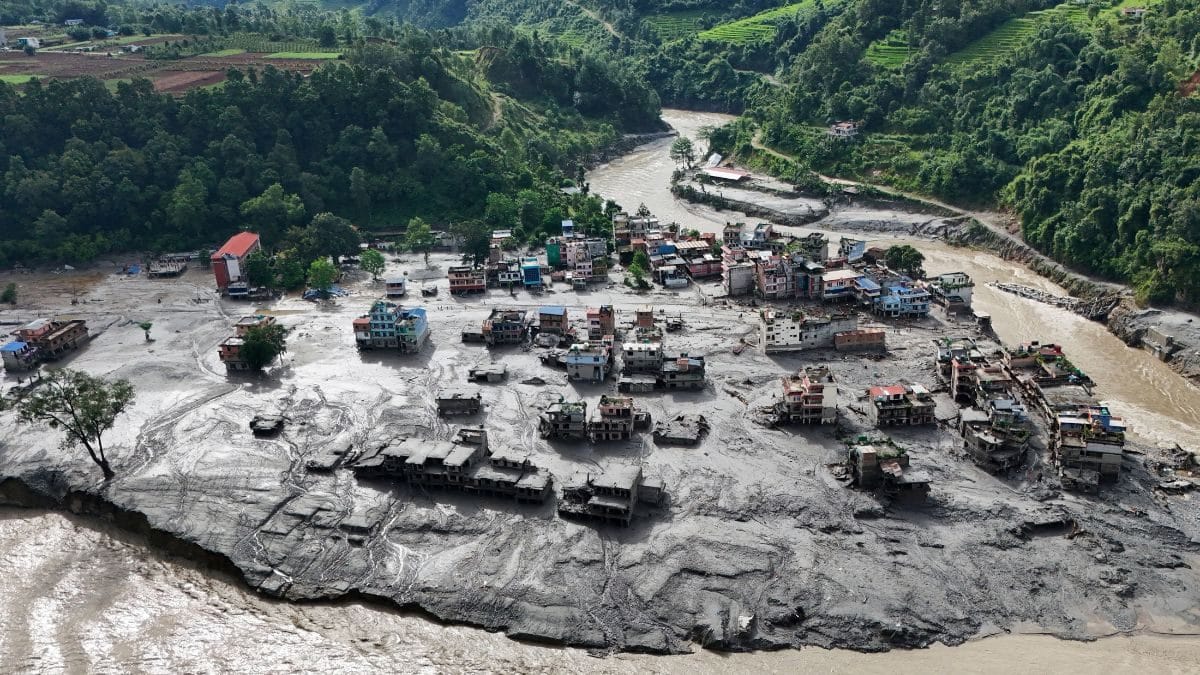
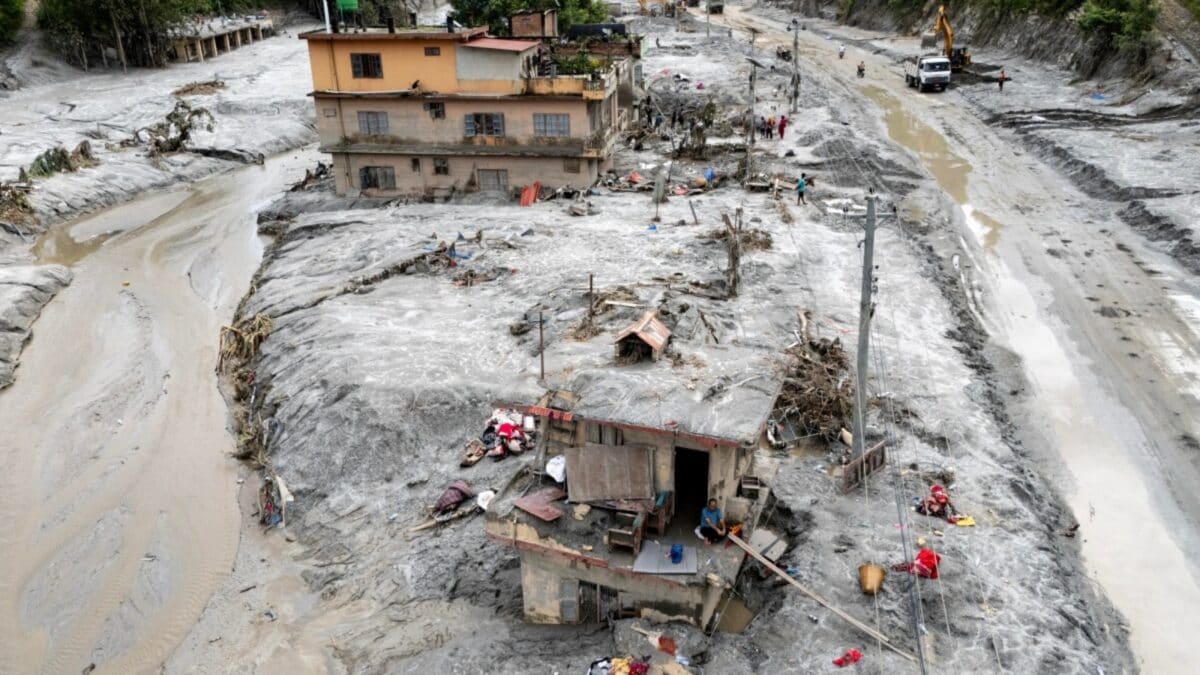
Nepal has suffered a major disaster involving floods and an ice-rock avalanche.
More than 1,000 people have reportedly died, and others are missing.
Nepal says rebuilding could cost between $4 billion and $5 billion.
It wants the disaster viewed in the context of climate change and has described the issue as one of justice and compensation.
Some members of a United Nations climate fund want to meet sooner to discuss helping Nepal.
The fund has promised much less money than Nepal needs, and only about one-third of its pledged money has arrived.
The fund is designed to help countries with climate-related losses, but it is not officially a system for forcing countries to pay compensation.
Experts disagree about how quickly the fund should respond and which countries should bear responsibility.

Nepal estimates it needs nearly $4 billion to $5 billion to rebuild after an ice-rock avalanche and floods.
Some Loss and Damage Fund board members have urged an extraordinary meeting to consider immediate support for Nepal.
The fund has received pledges of $822.06 million from 27 countries, but only about one-third has been delivered.
Nepal’s foreign minister initially cited historical responsibility by China, the United States and India, then said Nepal had not sought compensation from those countries.
Experts say the fund could potentially provide about $20 million, but it is not legally structured as a compensation mechanism.
- Who
- Nepal, the United Nations Fund for Responding to Loss and Damage board, and countries contributing to or affected by climate-related disasters.
- What
- Nepal is seeking international support after a devastating disaster and has framed its request as climate justice and compensation, while fund board members consider an emergency response.
- Where
- The disaster occurred in Nepal, including Rasuwa district and areas along the Bhote Koshi River.
- When
- The Loss and Damage Fund was established on November 20, 2022; board members are considering meeting before the planned December 2026 discussions, and Nepal’s revised foreign-minister statement was issued on September 4.
- Why
- Nepal says it faces severe climate-related impacts despite contributing about 0.1% of global emissions, while experts say the existing fund is underfunded and not legally designed as a compensation mechanism.
Compensation and Rapid Response Advocates
Institutional and Legal Caution
Whether Nepal’s request represents compensation
Compensation and Rapid Response Advocates
Harjeet Singh said Nepal’s very low emissions and disproportionate climate impacts make the request a matter of compensation and reparations, even if United Nations terminology avoids the word compensation.
Institutional and Legal Caution
Arabinda Misra said the fund is explicitly not a compensation mechanism: it does not establish fault, link payments to emissions, or create an enforceable claim.
How quickly the fund should respond
Compensation and Rapid Response Advocates
Several board members called for an extraordinary meeting, and Singh said the disaster could be a catalyst for turning the fund into a rapid-response mechanism.
Institutional and Legal Caution
The fund currently works through country-led requests, has limited money, and faces difficult choices over which disasters and countries to prioritize.
Responsibility of major emitters
Compensation and Rapid Response Advocates
Nepal’s initial foreign-minister statement identified China, the United States and India as historically responsible for compensating vulnerable countries; India said developed countries with historical responsibility should lead on emissions reductions and technology sharing.
Institutional and Legal Caution
Nepal’s foreign minister later denied that Nepal had asked those countries for compensation, while Singh said blaming current emitters such as India for historical warming is not fair and noted India’s previous assistance to Nepal.
Key facts
- Estimated reconstruction cost
- Nearly $4 billion to $5 billion
- Reported death toll
- More than 1,000 people, with several others missing
- Fund pledges
- $822.06 million pledged by 27 partner countries
- Money received
- About one-third of pledged funds has been delivered
- Potential immediate grant
- Former FRLD co-chair Richard Sherman said the fund might set aside about $20 million
- Nepal’s emissions share
- About 0.1% of global emissions
- Fund proposals
- The fund has received 175 proposals since opening to applications
Quotes

Randhir Jaiswal
Spokesperson for India’s Ministry of External Affairs
“India has consistently maintained that climate change is a common challenge. India believes in common but differentiated responsibilities. Developed countries who are historically responsible for emissions must take the lead in meeting this challenge”
 theprint.in
“Neither I nor anyone in the Ministry of Foreign Affairs or Government of Nepal has claimed or asked for compensation from India or any other country, including China or the United States”
theprint.in

Richard Sherman
South African climate negotiator and former co-chair of the FRLD
“Even if the board agrees, it will be a symbolic action. We might be able to set aside $20 million. It can’t be $5 billion, but it could provide some immediate relief for reconstructive work”
theprint.in
Sources
Related news
Nepal Seeks Climate Justice as Reconstruction Costs Reach $5 Billion
Nepal's Climate Grievance Is Valid, But India's Liability Isn't

Nepal Seeks Climate Compensation After Deadly Floods
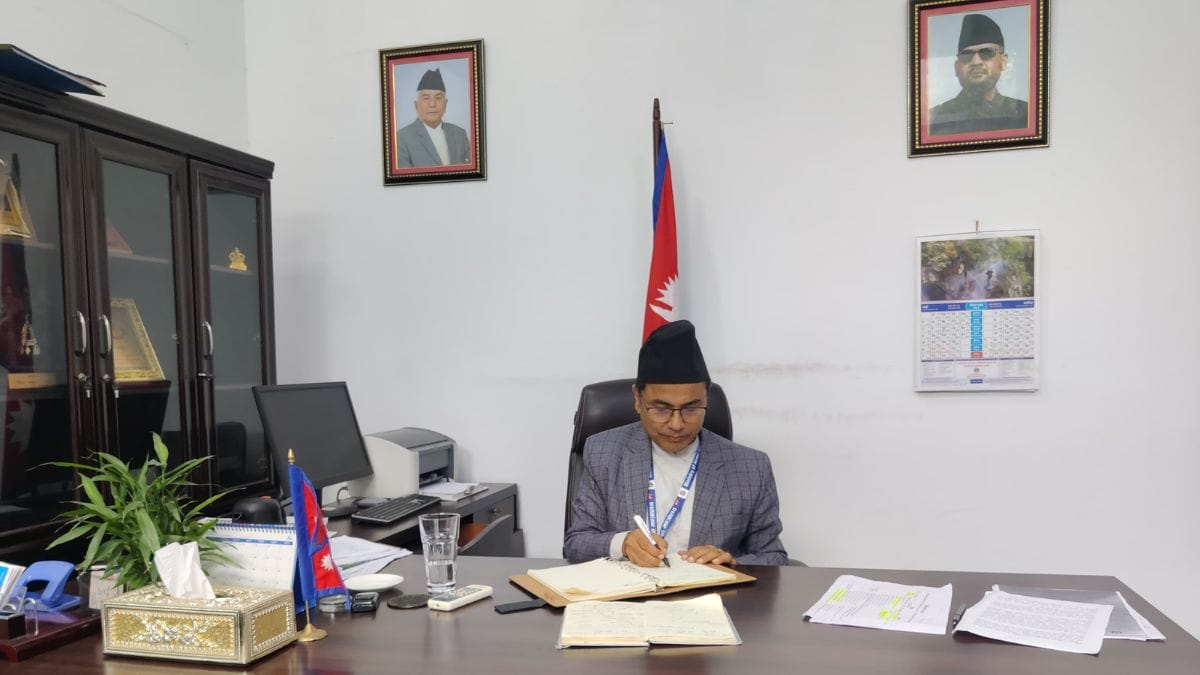
Nepal Seeks Climate Compensation as Flood Rescue Operations Continue
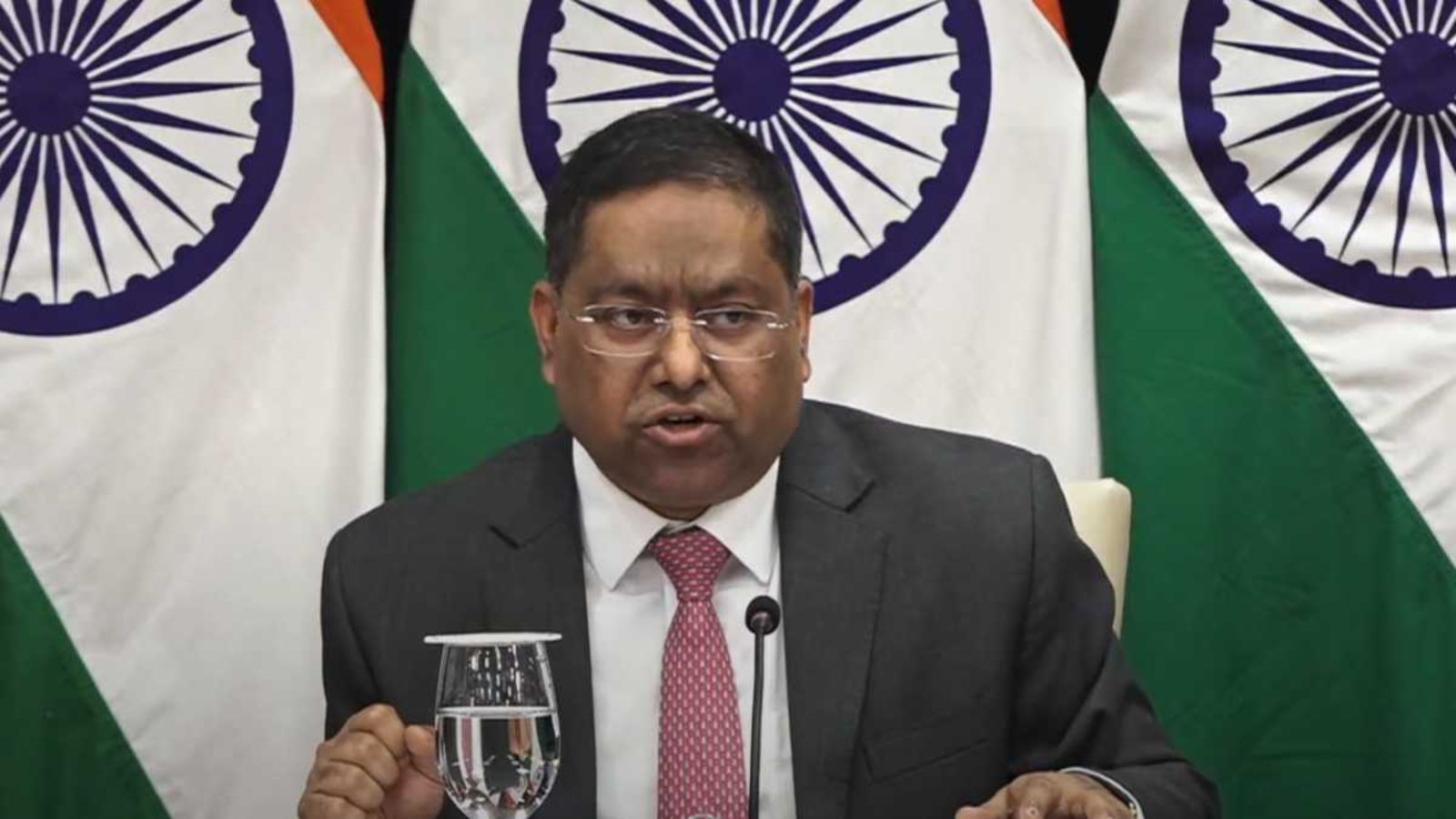
India responds to Nepal’s climate compensation demand after floods
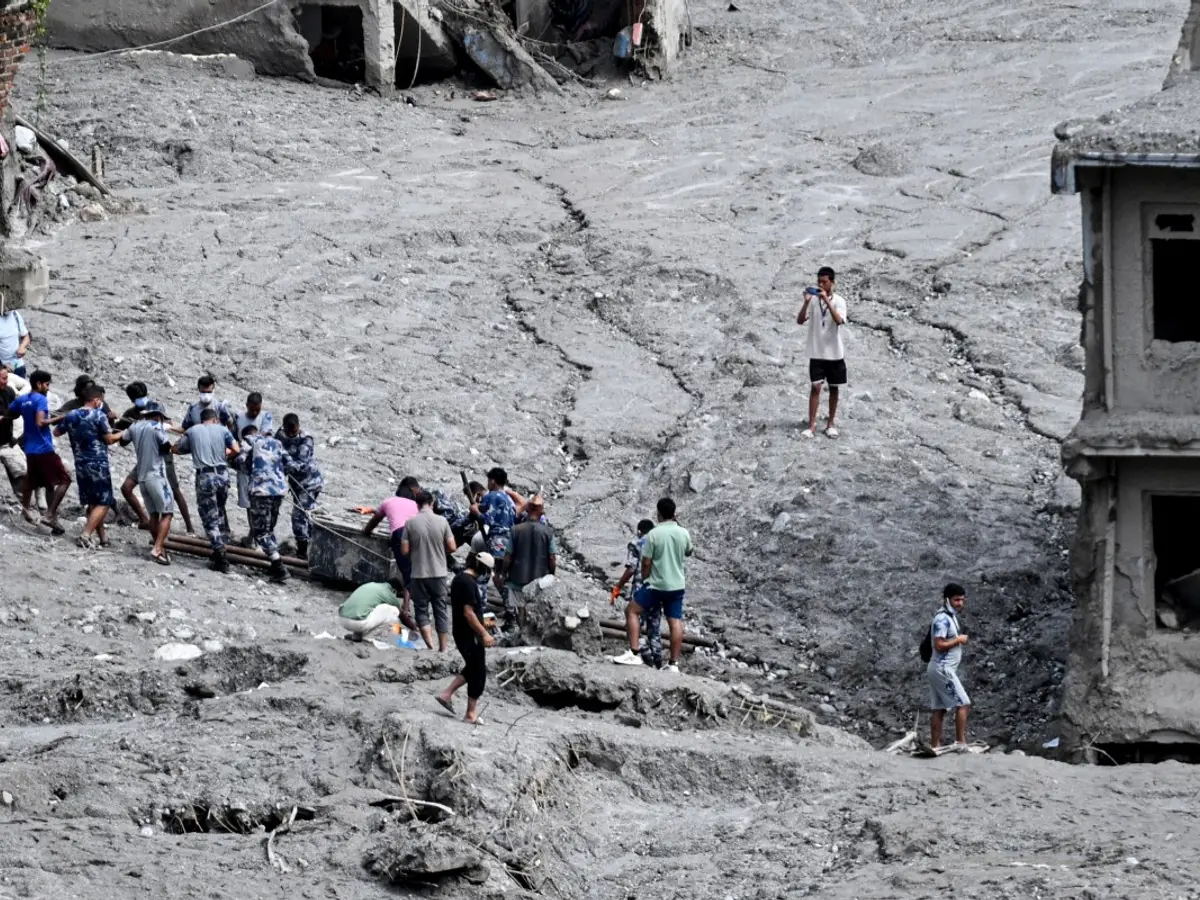
Nepal Floods Kill 1,010 as 4,000 Remain Missing