1 day ago
Nepal Seeks Climate Compensation After Deadly Floods

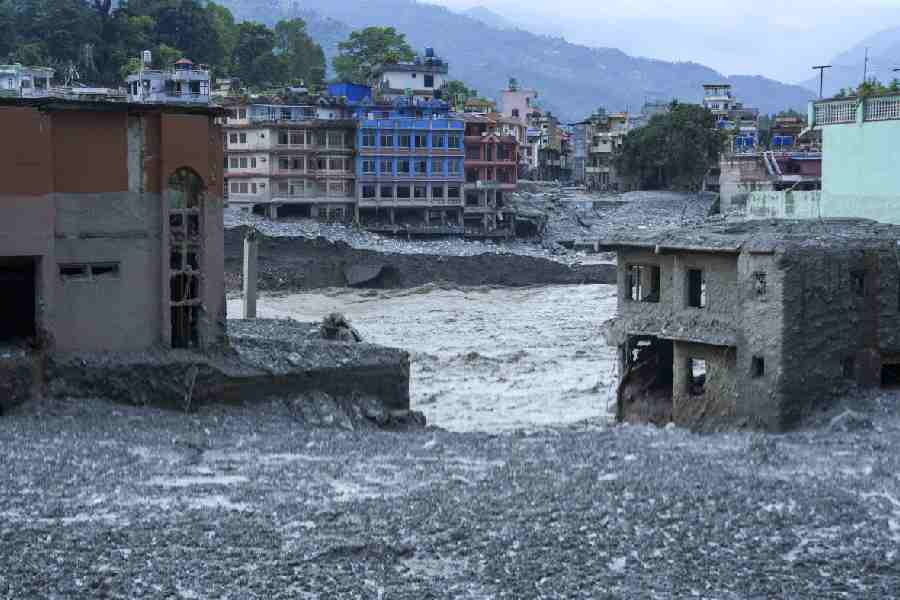
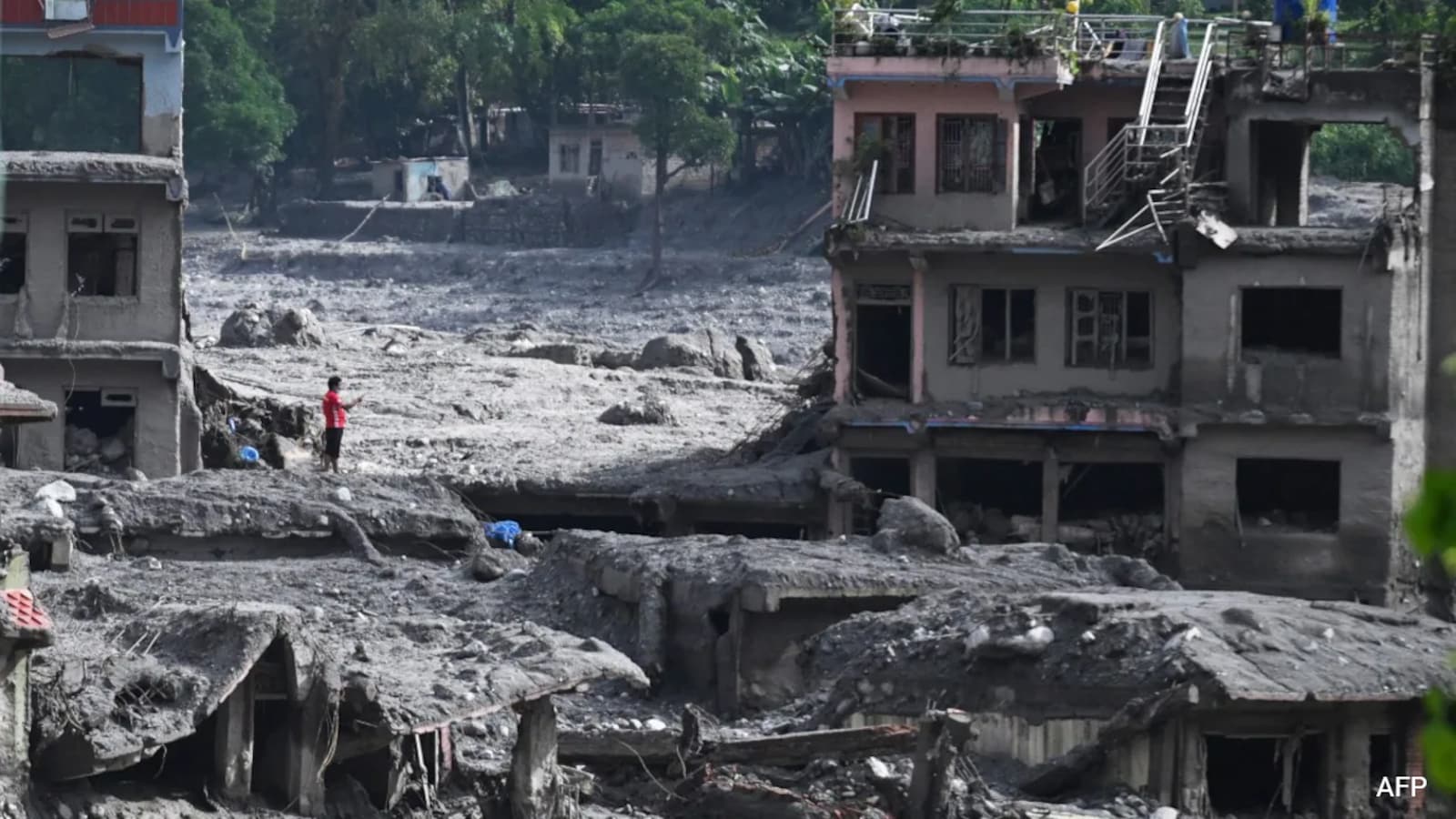
A huge flood swept through parts of Nepal on August 26.
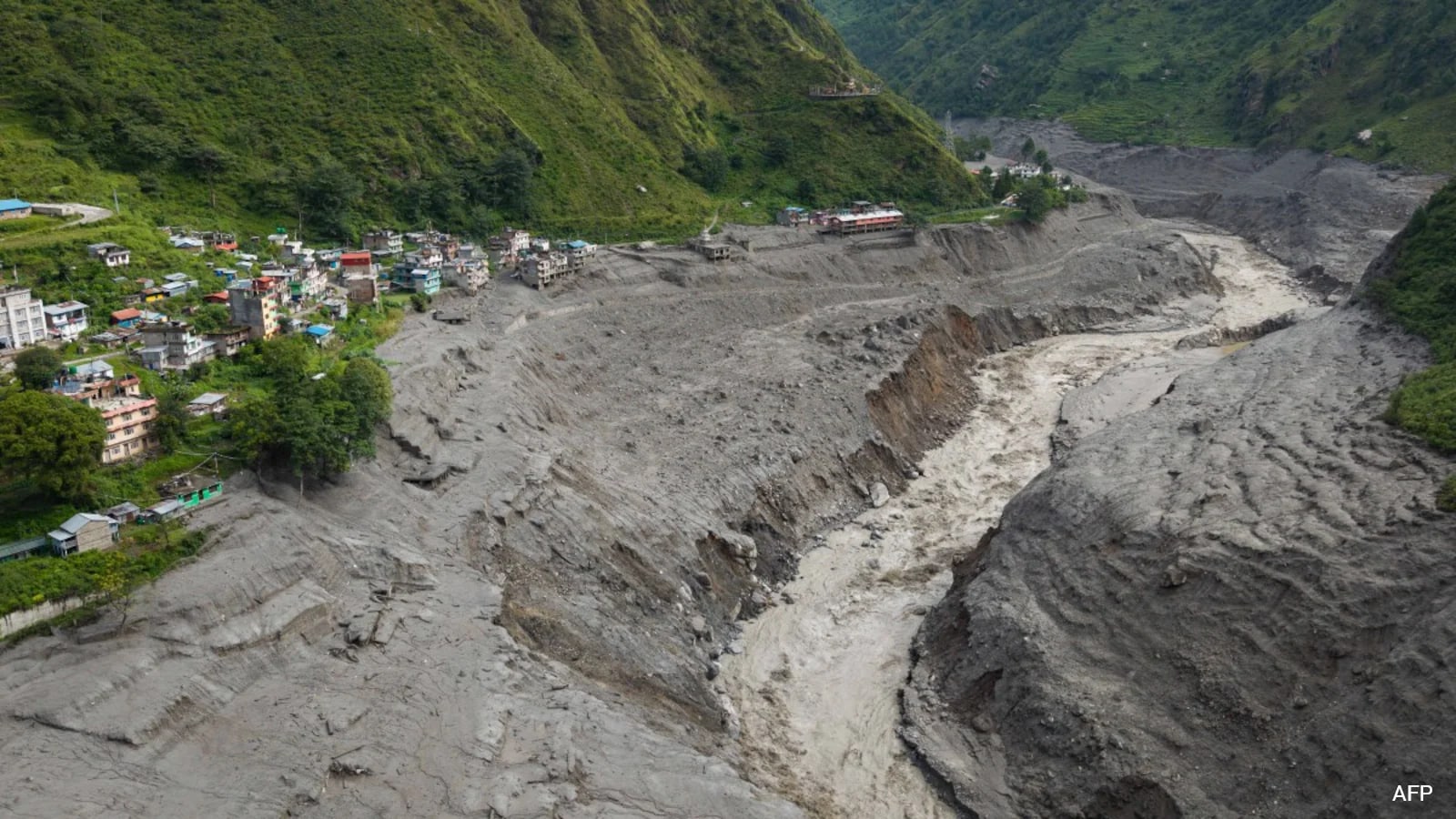
It carried water, rocks and ice through rivers near the Nepal-Tibet border.
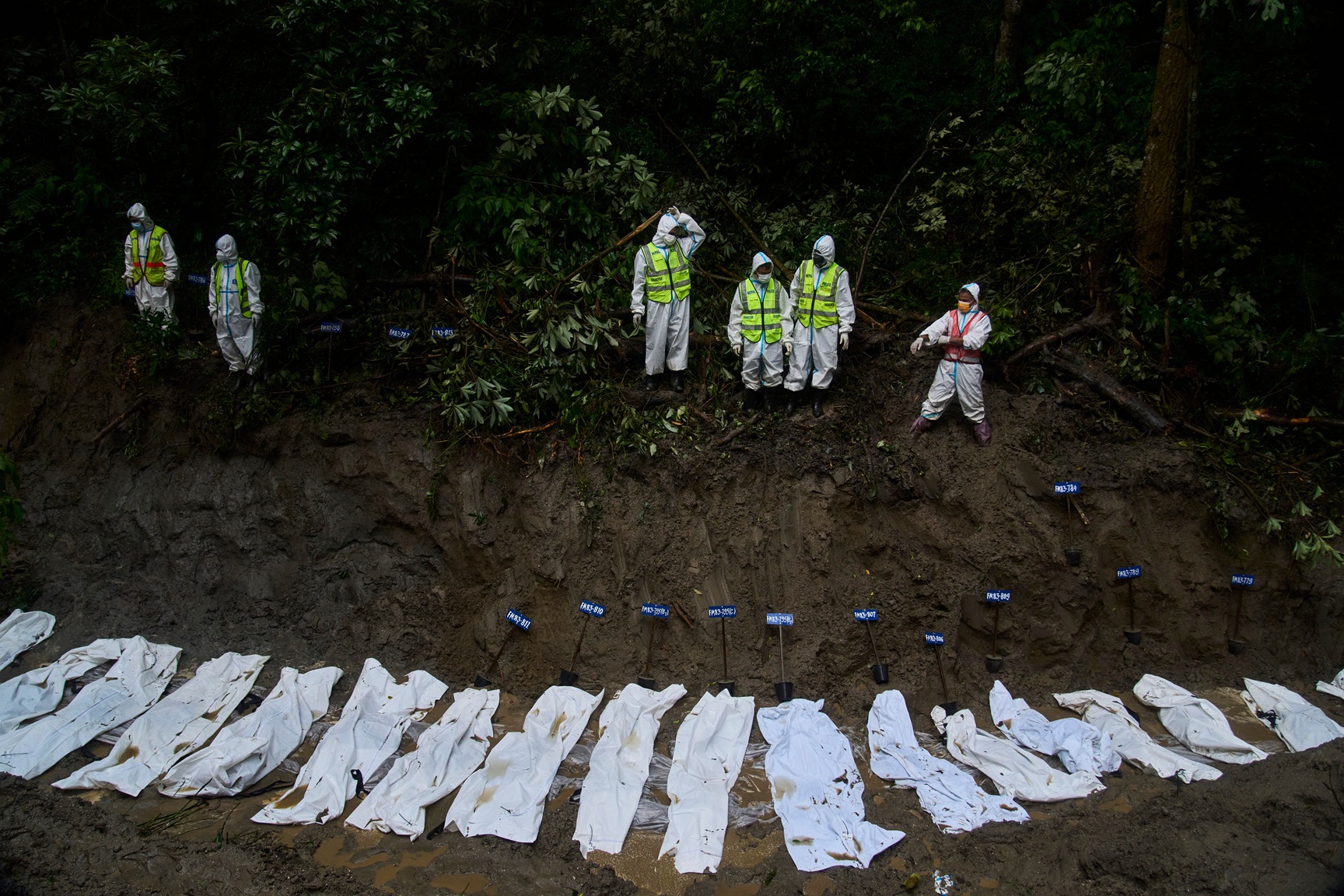
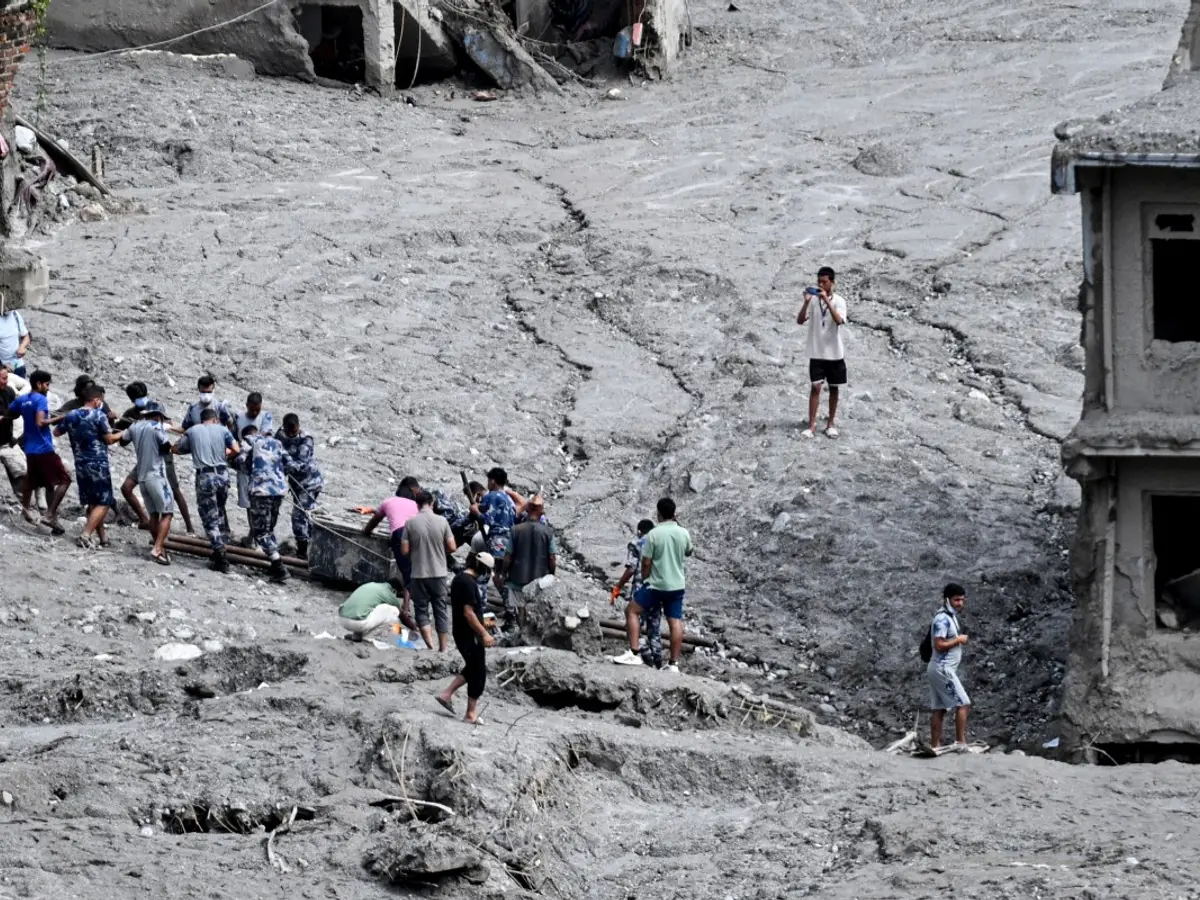
More than 1,000 people were reported killed, and thousands more were still missing.
Different reports gave different death and missing-person totals.
Nepal says the disaster is connected to climate change and melting glaciers.
Its foreign minister says Nepal produces very little pollution but is suffering serious damage.
He wants China, the United States and India to treat support as responsibility rather than charity.
Nepal has also asked an international loss-and-damage fund for urgent help.
India sent rescue experts, medicine and bridge equipment, while the reports did not describe final responses from China or the United States.

Nepal is seeking climate-related compensation from China, the United States and India after August 26 floods.
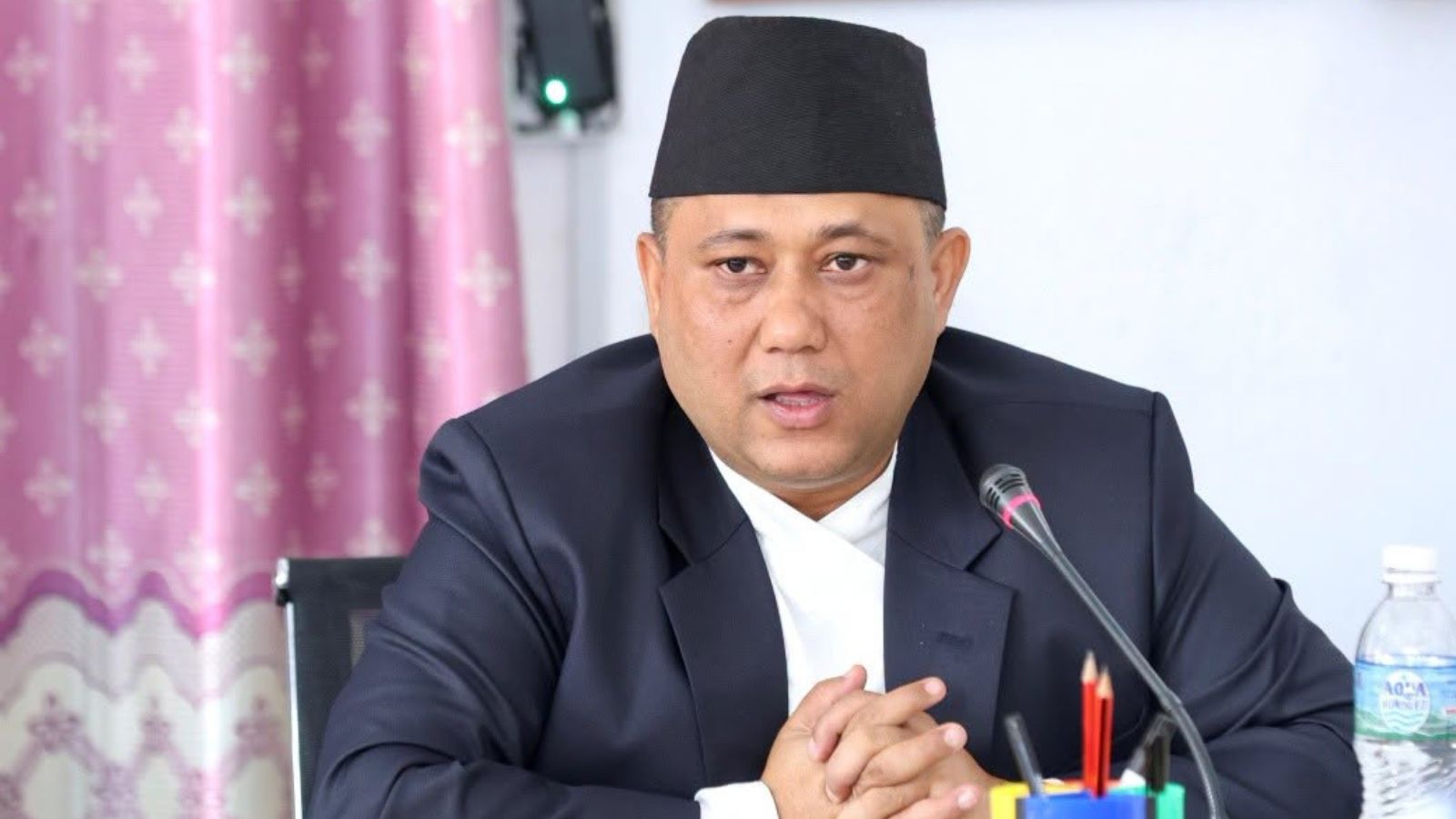
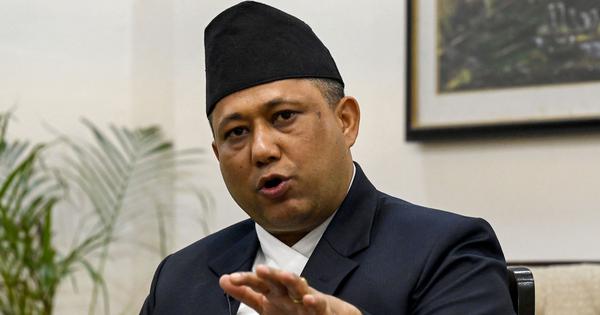
Foreign Minister Shisir Khanal said Nepal is shifting from seeking aid to pursuing “justice and compensation.”
Reports place the death toll between 1,003 and 1,127, with roughly 4,000 to 4,500 people still missing.
Accounts attributed the disaster to a glacial or rock-and-ice collapse, while another described an upstream avalanche as the likely cause.
Nepal has requested urgent assistance from the Fund for Responding to Loss and Damage, saying recovery needs exceed its resources.
- Who
- Nepal, represented by Foreign Minister Shisir Khanal, is seeking compensation from China, the United States and India.
- What
- Nepal is pursuing climate compensation and urgent loss-and-damage assistance after a deadly flash flood.
- Where
- The disaster affected the Bhotekoshi River basin and surrounding districts, including Rasuwa, near the Nepal-Tibet border.
- When
- The flood occurred on August 26; reports described the response and compensation campaign around September 2.
- Why
- Nepal says it contributes negligibly to global emissions but faces disproportionate climate-related losses that exceed its domestic response capacity.
Nepal’s Compensation Claim
Climate-Equity and Aid Position
Responsibility for losses
Nepal’s Compensation Claim
Nepal says China, the United States and India are major industrial emitters with historical responsibility to compensate vulnerable countries for climate-related losses.
Climate-Equity and Aid Position
India emphasizes climate equity, arguing that obligations should reflect historical emissions, development needs and national capacity. It says Western countries that industrialized first occupy most of the global carbon budget.
Aid versus compensation
Nepal’s Compensation Claim
Nepal says post-disaster assistance should be treated as legal and moral liability, not charity, and is shifting its diplomatic framework from aid to justice and compensation.
Climate-Equity and Aid Position
India has supported efforts to address loss and damage and says developed countries should provide financial resources to vulnerable developing nations, but the reports do not say India accepted Nepal’s specific compensation claim.
Urgency of international funding
Nepal’s Compensation Claim
Nepal has asked the loss-and-damage fund to act immediately, warning that waiting for its scheduled December board meeting could be too late.
Climate-Equity and Aid Position
The fund’s reported process includes a board meeting scheduled for December, and the articles report no final decision by the fund or formal compensation response from China or the United States.
Key facts
- Reported death toll
- Reports cited totals ranging from 1,003 to 1,127; one report said authorities had recorded 1,114 deaths.
- Missing people
- Reports said approximately 4,000 to 4,500 people remained missing.
- Reported cause
- Accounts attributed the flood to a glacial collapse, a massive rock-and-ice collapse, or most likely an upstream avalanche; one report said there was no rainfall in the area.
- Affected infrastructure
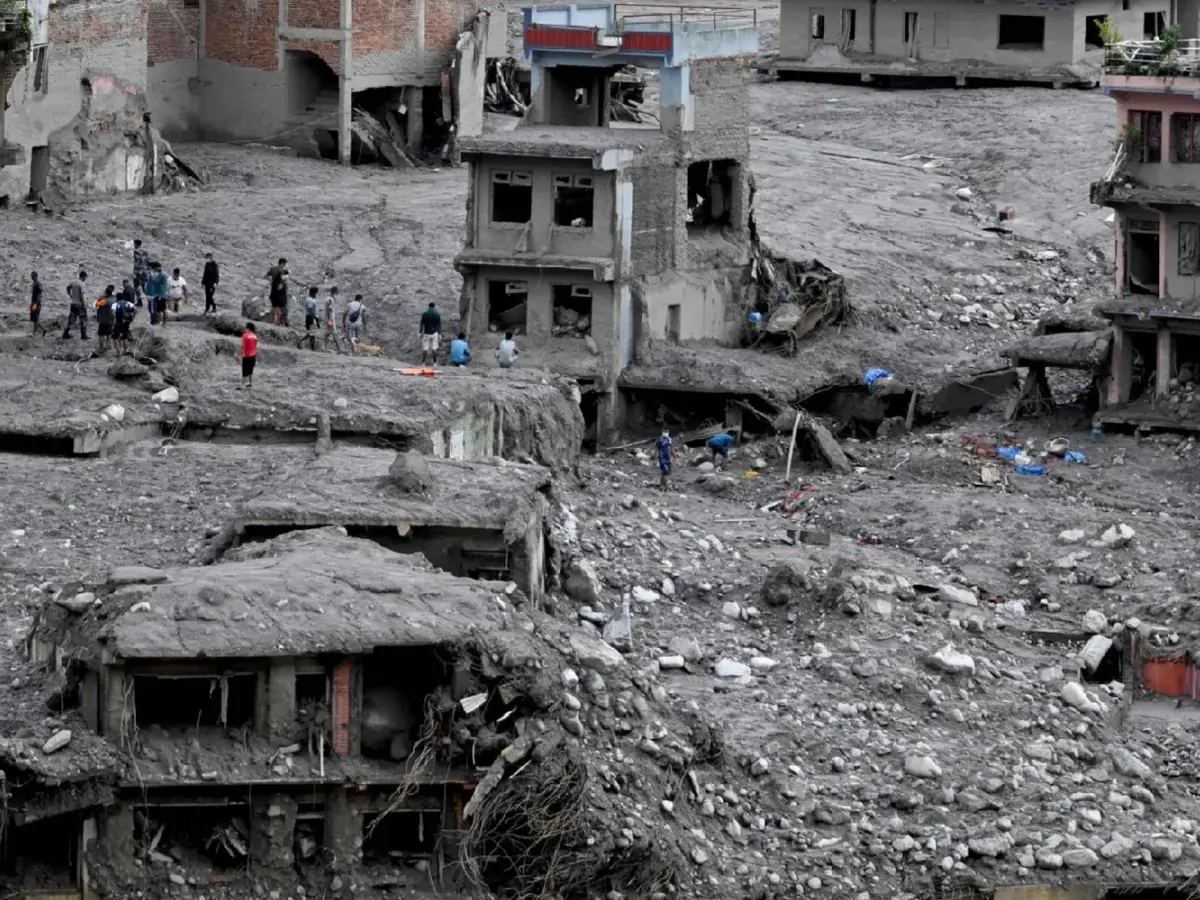
- Floodwaters destroyed homes, villages, roads, bridges and hydropower infrastructure across affected areas.
- Nepal’s emissions
- Reports described Nepal’s emissions as virtually negligible; one cited a 0.04% share of global emissions.
- Nepal’s request
- Nepal formally approached the Fund for Responding to Loss and Damage for rapid, direct assistance, saying the damage exceeded its response capacity.
- Indian assistance
- By September 2, India had sent five aid shipments, more than five tonnes of medicines, rescue experts and 16 trucks carrying modular steel bridge equipment.
Quotes
Swarnim Wagle and Geeta Chaudhary
Nepal’s finance minister and forests and agriculture minister
“The major industrial emitters — such as China, which is the world’s top emitter, the United States at number two, and India at number three — have a historical responsibility to compensate vulnerable nations like Nepal.”
 thestatesman.com
“The full scale of economic and non-economic loss and damage has yet to be determined; however, preliminary information indicates that the consequences are extensive and exceed Nepal's immediate response capacity.”
 NDTV
NDTV
Global Campaign to Demand Climate Justice
A civil society coalition of 200 international groups
“Nepal cannot reduce the world’s emissions on behalf of the polluters. It cannot protect the Himalayas through adaptation alone while the world continues to burn more fossil fuels. And it should not have to take on more debt to protect its people from a crisis overwhelmingly created elsewhere.”
 deccanchronicle.com
Sources

Nepal Demands Climate Compensation From India, China, US, Calls It ‘Moral Liability, Not Charity’
Nepal Seeks Climate Compensation From India, China, US
‘Justice, not aid; India, China, US have responsibility’: Nepal minister on floods
Why Nepal wants China, US and India to pay compensation for catastrophic floods
‘Want climate compensation, not aid’: Nepal blames India, US, China for deadly flash floods
China, US and India should compensate Nepal for climate change, says Kathmandu days after floods
Nepal Seeks 'Climate Compensation' From India, China, And US For Deadly Floods
Related news
Nepal Floods Kill 1,010 as 4,000 Remain Missing

Nepal PM Thanks India, China Amid Climate Compensation Demand
Nepal Floods Expose Climate Inequality and Himalayan Vulnerability

Nepal Calls Climate Justice A Top National Priority
Nepal Seeks Climate Reparations While Facing Its Own Responsibility

Nepal Thanks India as Glacial Disaster Rescue Efforts Continue
US Withdraws from Climate Treaties