

3 weeks ago
Mecca Defence Pact: Would Saudi and Turkey Fight for Pakistan?
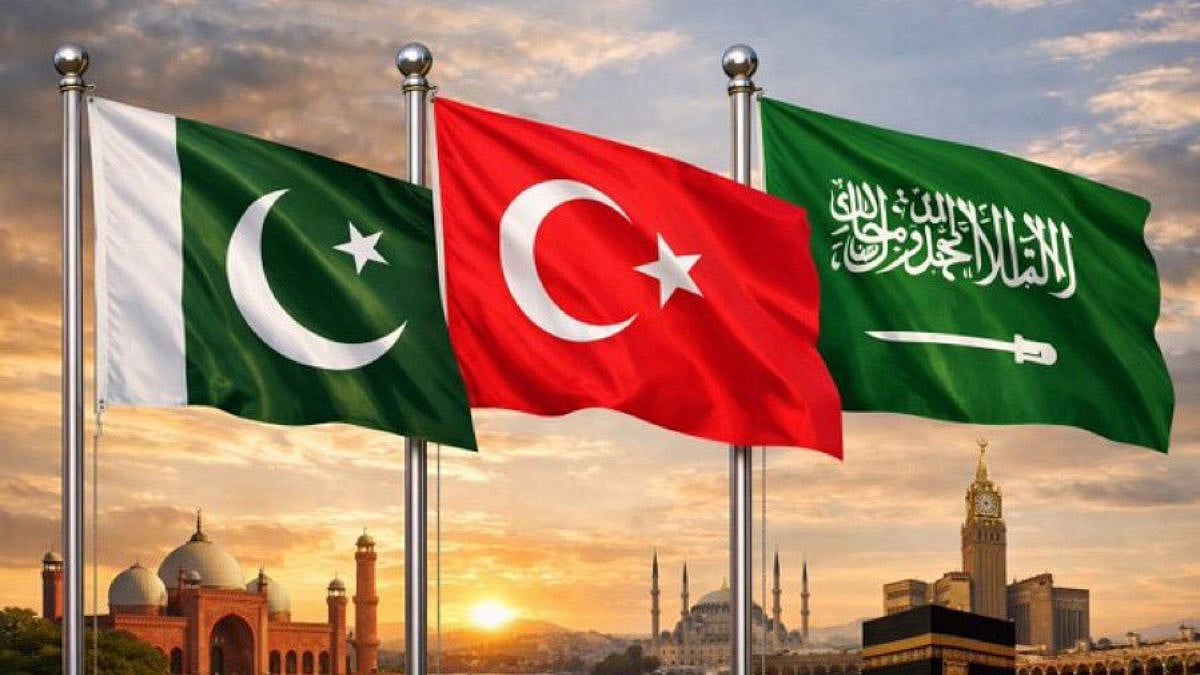
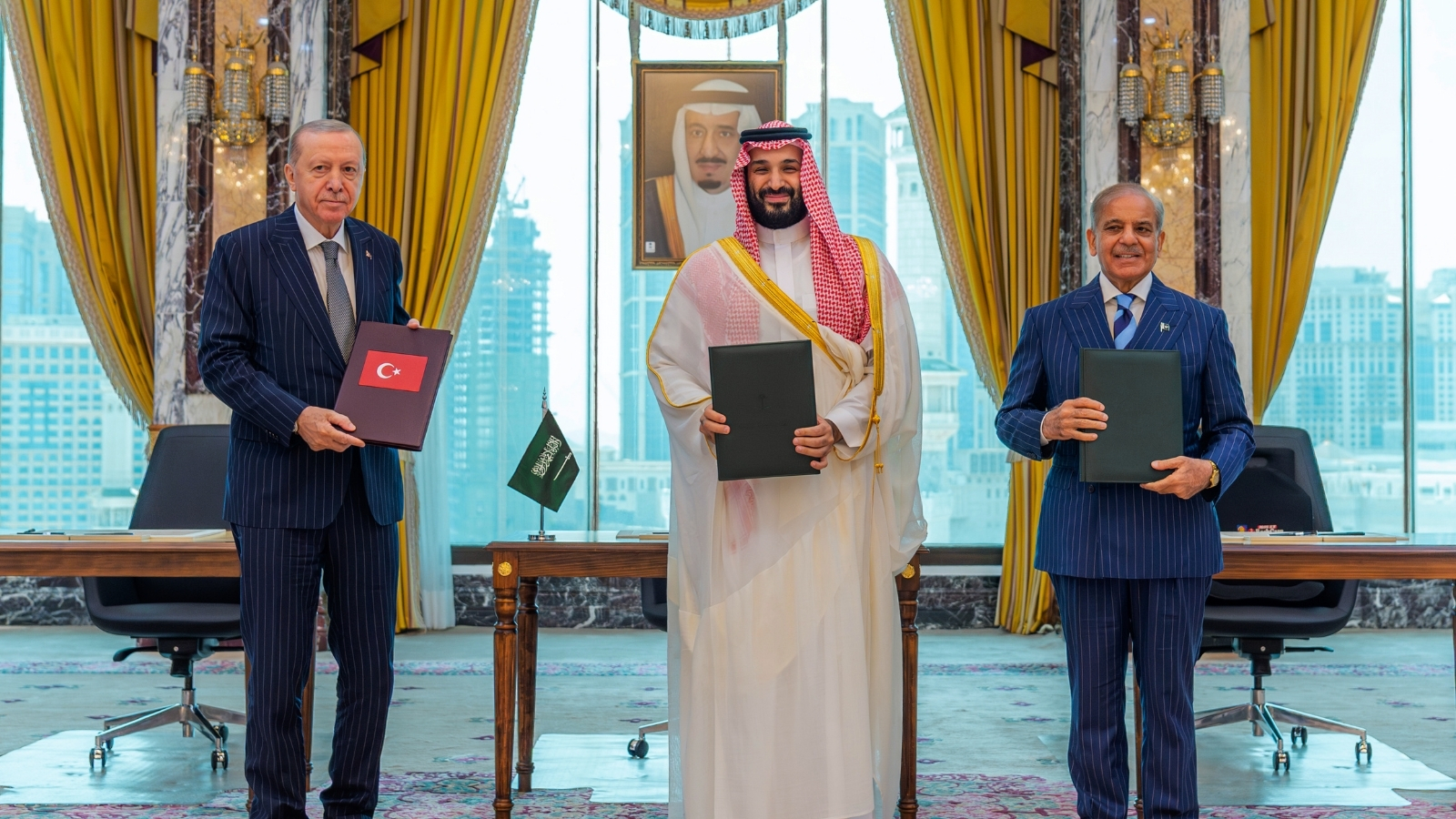
Three countries — Saudi Arabia, Turkey, and Pakistan — made a new promise together.
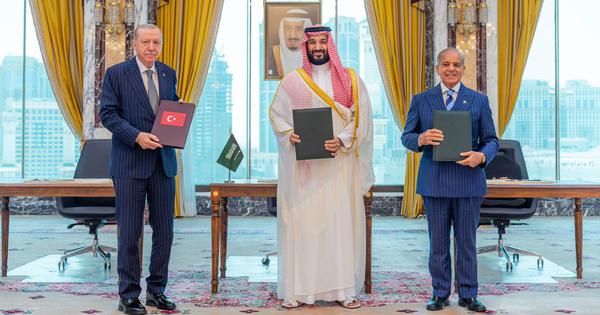
They signed a paper in the city of Mecca.
The promise says that if someone attacks one of them, it is like attacking all three.
This agreement is called the Mecca Joint Defence Agreement.
But the paper does not clearly say what kind of help the countries must give or who decides what to do.
Pakistan's defence minister said it is too early to talk about weapons and other details.
One Turkish official said the promise is only for defence and is not aimed at any particular country.
Some experts think the promise mostly makes enemies think twice rather than starting big wars.
Saudi Arabia also has lots of trade and friendship with India, so it may not want to fight India.

Saudi Arabia, Turkey and Pakistan signed the Mecca Joint Defence Agreement in Mecca on Friday, declaring an armed attack on any one member an attack on all three.
The pact's exact military obligations, including what assistance would be provided, who decides the response and whether intervention would be automatic, have not been publicly detailed.
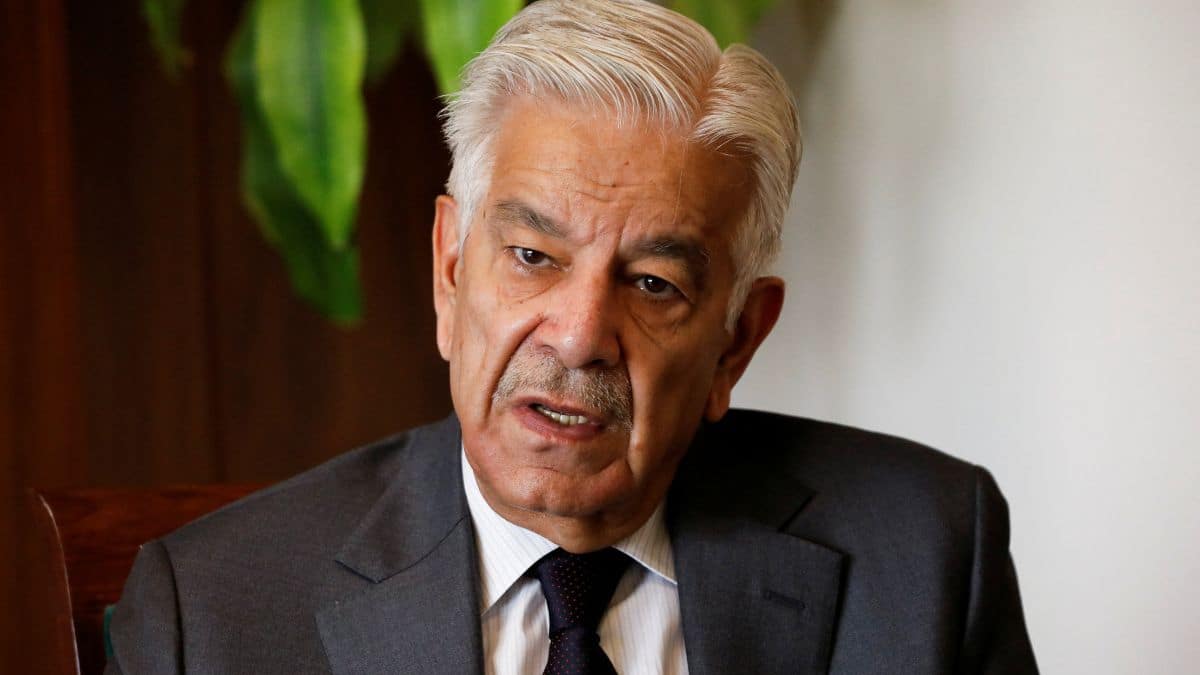
Pakistan Defence Minister Khawaja Asif declined to say whether Riyadh and Ankara would supply weapons in a future India-Pakistan conflict, saying it was too early to discuss the pact's details.
Asif called for a wider 'Islamic NATO' alliance of Muslim-majority nations, warning of terrorism and urging unified Muslim-country responses on West Asia, and alleged Indian-backed elements in Afghanistan drive terrorism against Pakistan.
During Operation Sindoor in May 2025 Pakistan received support from China and Turkey; analysts say the pact strengthens deterrence but does not automatically oblige Saudi Arabia or Turkey to fight India.
- Who
- Saudi Arabia, Turkey and Pakistan, which signed the pact; Pakistan Defence Minister Khawaja Asif, who discussed it; analysts Asli Aydintasbas of the Brookings Institution and Brahma Chellaney, who offered contrasting views.
- What
- The signing of the Mecca Joint Defence Agreement, a collective-defence pact treating an armed attack on one member as an attack on all three, with its military obligations yet to be detailed.
- Where
- Mecca, with implications for India-Pakistan relations and West Asia.
- When
- On Friday, when the agreement was signed in Mecca.
- Why
- To strengthen defence cooperation and collective deterrence among the three states and enable a coordinated Muslim-country response; analysts say it does not automatically oblige Saudi Arabia or Turkey to enter a war with India.
Deterrence View
Escalation View
Purpose of the agreement
Deterrence View
A Turkish official said the pact is purely defensive and not aimed at any country, and Asli Aydintasbas of Brookings argued it mainly strengthens regional deterrence rather than expanding wars, noting Turkey and Pakistan see themselves as promoters of regional stability.
Escalation View
Brahma Chellaney argued Islamabad could portray Indian punitive action as an act of war and invoke the collective-defence provisions, institutionalising security cooperation with Pakistan and complicating New Delhi's calculations for another limited operation.
Would Saudi Arabia or Turkey go to war with India?
Deterrence View
Support does not automatically mean sending troops or aircraft; Turkey's NATO membership and economic and diplomatic interests, plus Saudi Arabia's extensive trade, investment, energy and people-to-people ties with India, make direct war a far more consequential step.
Escalation View
Turkey openly supported Pakistan during the May 2025 conflict, and Pakistan has deployed troops, fighters and air defences to Saudi Arabia under existing defence ties, so the treaty could make Ankara's and Riyadh's backing more structured and formal.
Key facts
- Agreement
- Mecca Joint Defence Agreement
- Signatories
- Saudi Arabia, Turkey, Pakistan
- Signed
- In Mecca on Friday
- Key provision
- Armed attack against one member treated as attack against all three
- Compared with
- NATO's Article 5
- Official description
- Purely defensive, not directed against any country (Turkish official)
- Pakistan DM's stance
- Too early to discuss details of future military assistance (Khawaja Asif)
- Asif's proposal
- A wider collective defence alliance of Muslim-majority nations ('Islamic NATO')
Quotes
A Turkish official
Government spokesperson representing Turkey
“The establishment of Israel and its ongoing policies require a unified response from Islamic nations.”
 firstpost.com
“The pact has only been signed today. It would not be appropriate for me to discuss details.”
firstpost.com
Sources

Related news
Saudi-Turkey-Pakistan Defence Pact Raises Security Concerns For India

Saudi Arabia, Turkey, Pakistan Sign Mecca Defence Agreement
Pakistan seeks Mecca pact front against Israel and India
India assessing security implications of Pakistan-Saudi-Turkiye pact
Mecca Pact Offers Pakistan No Blank Security Cheque
How Far Will Saudi Arabia Go for Pakistan's Mecca Pact?
Pentagon Turmoil Deepens as Hegseth Tightens Grip on Military

Germany Blames Russia for Leipzig Drone Attack, Europe Vows Response
Erdogan Says Turkey Would Consider Full Shanghai Cooperation Organisation Membership
Augsburg Train Station Closed After Explosion, Suspicious Object Found

Taliban Offers Afghan Mineral Wealth as Washington Weighs Engagement
