

2 weeks ago
Saudi Arabia Launches Multinational Maritime Defense Coalition for Red Sea
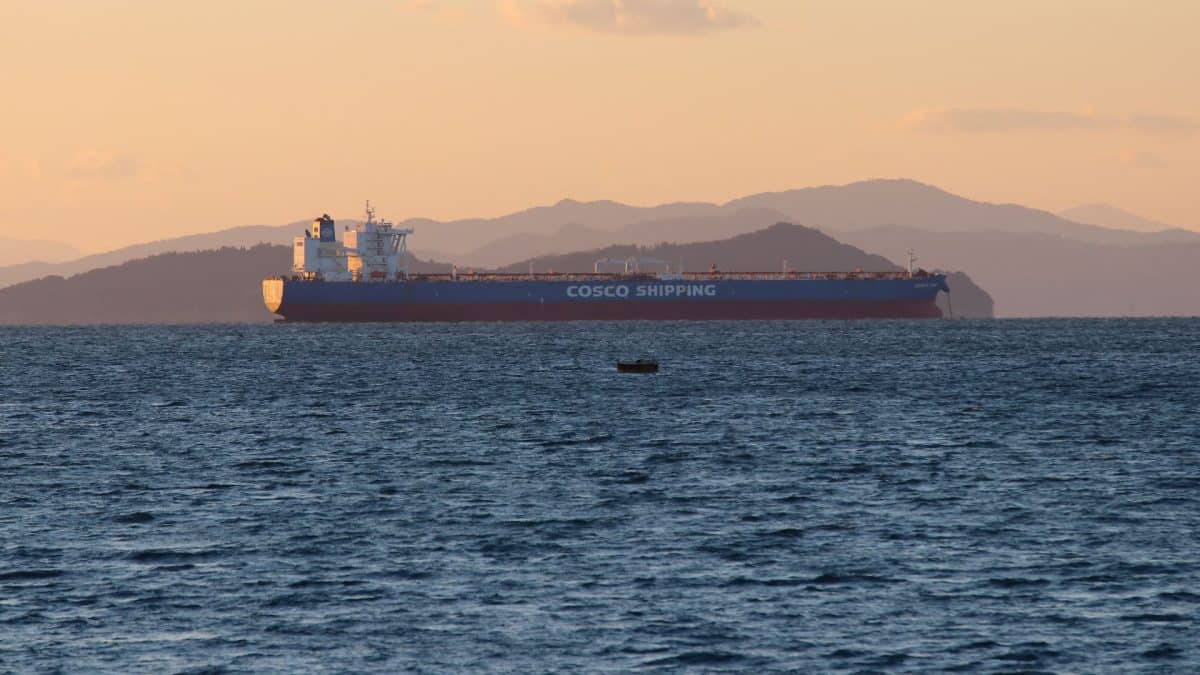
Many countries that live near a big ocean highway have decided to team up to keep ships safe.
Saudi Arabia is leading this new team, which is called the Multinational Maritime Defense Coalition.
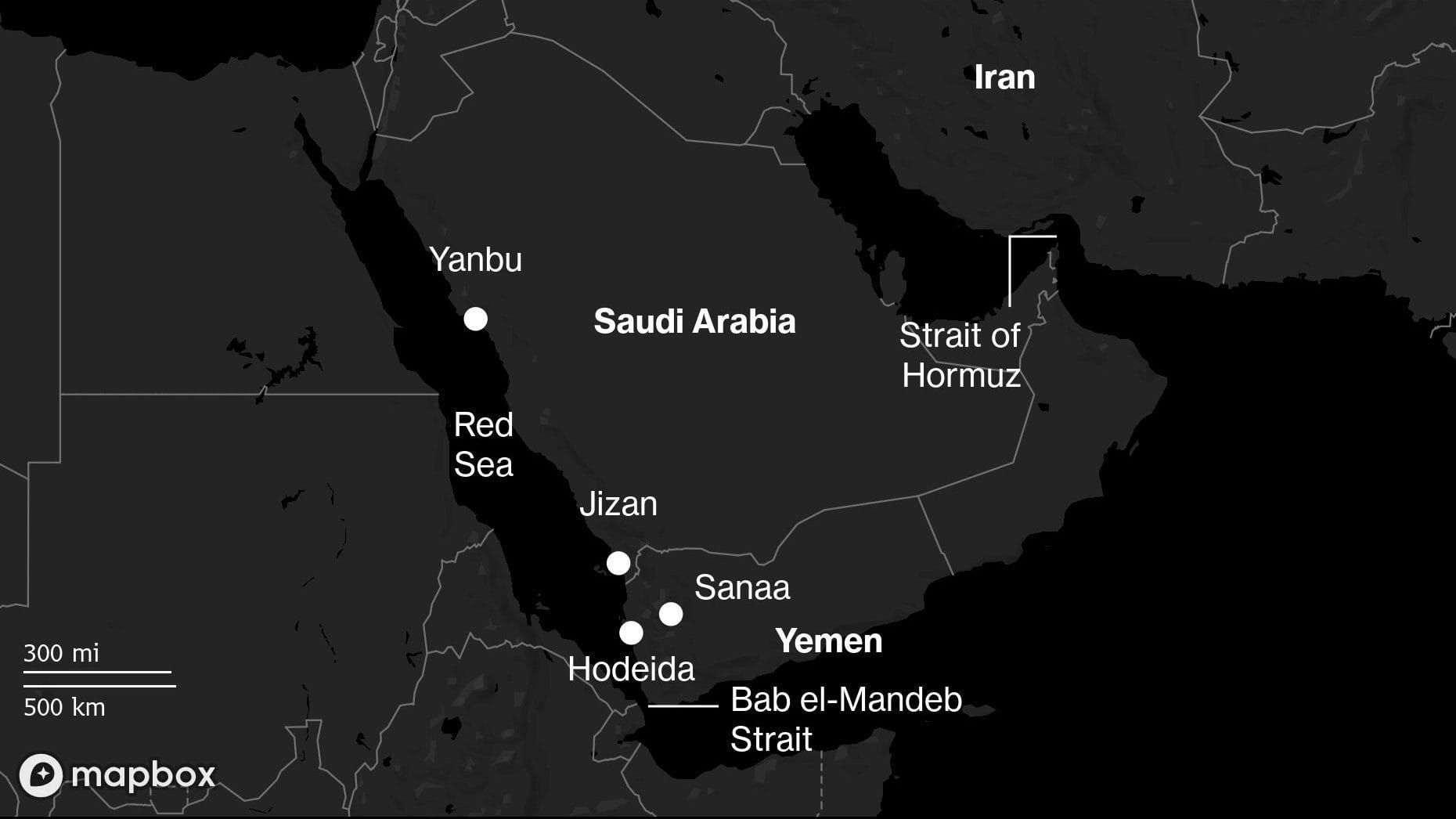
The team will guard three important water routes: the Red Sea, the Bab al-Mandeb Strait, and the Gulf of Aden.
These routes are very busy — almost a third of the world's container ships travel through them.
Lately, some attackers have been using drones, missiles, and explosive boats to scare or stop ships.
So fifteen countries signed an agreement to work together, and thirteen are now fully active members.
The team will have its main headquarters in the city of Jeddah in Saudi Arabia, and a Saudi admiral will lead it.
The countries want to protect trade and energy shipments and take charge of safety in their own seas.
Some neighbours, like the United Arab Emirates and Oman, decided not to join because they have their own plans.

Saudi Arabia has formally launched the Multinational Maritime Defense Coalition (MMDC) to protect the Red Sea, Bab al-Mandeb Strait, and Gulf of Aden.
Fifteen nations signed the coalition's founding declaration, with 13 completing constitutional procedures to become full active military partners.
The coalition is headquartered in Jeddah under commander Rear Admiral Abdullah bin Salem Al-Shehri, with a senior Pakistan Navy flag officer as deputy.
The MMDC builds on the tripartite 'Mecca Pact' mutual defence agreement between Saudi Arabia, Turkey, and Pakistan.
The United Arab Emirates and Oman are notably absent, citing independent maritime operations and unaligned mediation as their differing regional priorities.
- Who
- Saudi Arabia and its coalition partners, commanded by Rear Admiral Abdullah bin Salem Al-Shehri of the Royal Saudi Naval Forces, with a senior Pakistan Navy flag officer as deputy commander.
- What
- Formal operational launch of the Multinational Maritime Defense Coalition (MMDC), a regional military alliance to secure the Red Sea, Bab al-Mandeb Strait, and Gulf of Aden against Houthi threats.
- Where
- Western Fleet Command, Jeddah, Saudi Arabia, which hosts the coalition's Joint Command, Command and Control Centre, Combined Maritime Operations Center, and General Secretariat.
- When
- Announced at the conclusion of the coalition's third major planners' meeting at the Western Fleet Command; the article does not specify a date.
- Why
- To counter Houthi attacks on commercial shipping and energy routes, secure global trade, and reduce reliance on Western-led maritime security operations.
Regional Self-Reliance Proponents
Cautious Neighbours and Risk Skeptics
Who should secure the waterway?
Regional Self-Reliance Proponents
Red Sea coastal states should lead security operations over their own waters and exclusive economic zones rather than rely on Western-led task forces such as Operation Prosperity Guardian and the EU's Operation Aspides.
Cautious Neighbours and Risk Skeptics
The UAE and Oman opted out, preferring independent maritime operations and unaligned mediation, and Western-led international coalitions have been sustaining the naval response so far.
Defensive mandate vs. escalation risk
Regional Self-Reliance Proponents
The alliance is purely defensive, compliant with international law and UN Charter principles, and necessary to counter Houthi drone, missile, and uncrewed vessel attacks.
Cautious Neighbours and Risk Skeptics
Active naval interdiction risks direct armed clashes with hostile coastal batteries and proxy forces, and countering $10,000-$20,000 drones with multi-million-dollar interceptors is economically imbalanced.
Broad membership vs. burden sharing
Regional Self-Reliance Proponents
A broad bloc including Egypt, Turkey, and Pakistan brings heavyweight naval assets, geographic proximity, and integrated intelligence across the Red Sea littoral.
Cautious Neighbours and Risk Skeptics
Several members, notably Sudan, Somalia, and Yemen's internationally recognised government, face internal instability, shifting the operational and financial burden onto Saudi Arabia, Egypt, and Turkey.
Key facts
- Alliance name
- Multinational Maritime Defense Coalition (MMDC)
- Headquarters
- Western Fleet Command, Jeddah, Saudi Arabia
- Founding signatories
- 15 nations signed the founding declaration; 13 acceded as full active military partners
- Commander
- Rear Admiral Abdullah bin Salem Al-Shehri; deputy from the Pakistan Navy
- Route protected
- Red Sea, Bab al-Mandeb Strait, and Gulf of Aden
- Trade at stake
- Approximately 10-12% of global seaborne trade and nearly 30% of global container traffic
- Narrowest point
- Bab al-Mandeb Strait, 18 miles (29 km) wide
- Absent nations
- United Arab Emirates and Oman
Sources
Related news
Saudi-Led Naval Coalition Forms to Protect Red Sea Shipping
Pakistan weighs response after Houthi attack kills nationals
Pakistan inks defence pact with Somalia amid Houthi threat

Saudi Arabia, Turkey, Pakistan Sign Mecca Joint Defence Agreement
Saudi Arabia braces for multiple coordinated attacks, officials report
Mecca Defence Pact Raises Questions Over Its Intended Threat

Indian Seafarers Face Risks Sailing Through Strait of Hormuz
US Launches Strikes on Iran After Attacks on Bases

Bessent Predicts Pipelines Will Bypass Strait of Hormuz
Qatar Urges United States and Iran to Resume Talks

Iran Signals Ceasefire Return If US Honors Commitments
