0 months ago
Saudi-Led Naval Coalition Forms to Protect Red Sea Shipping
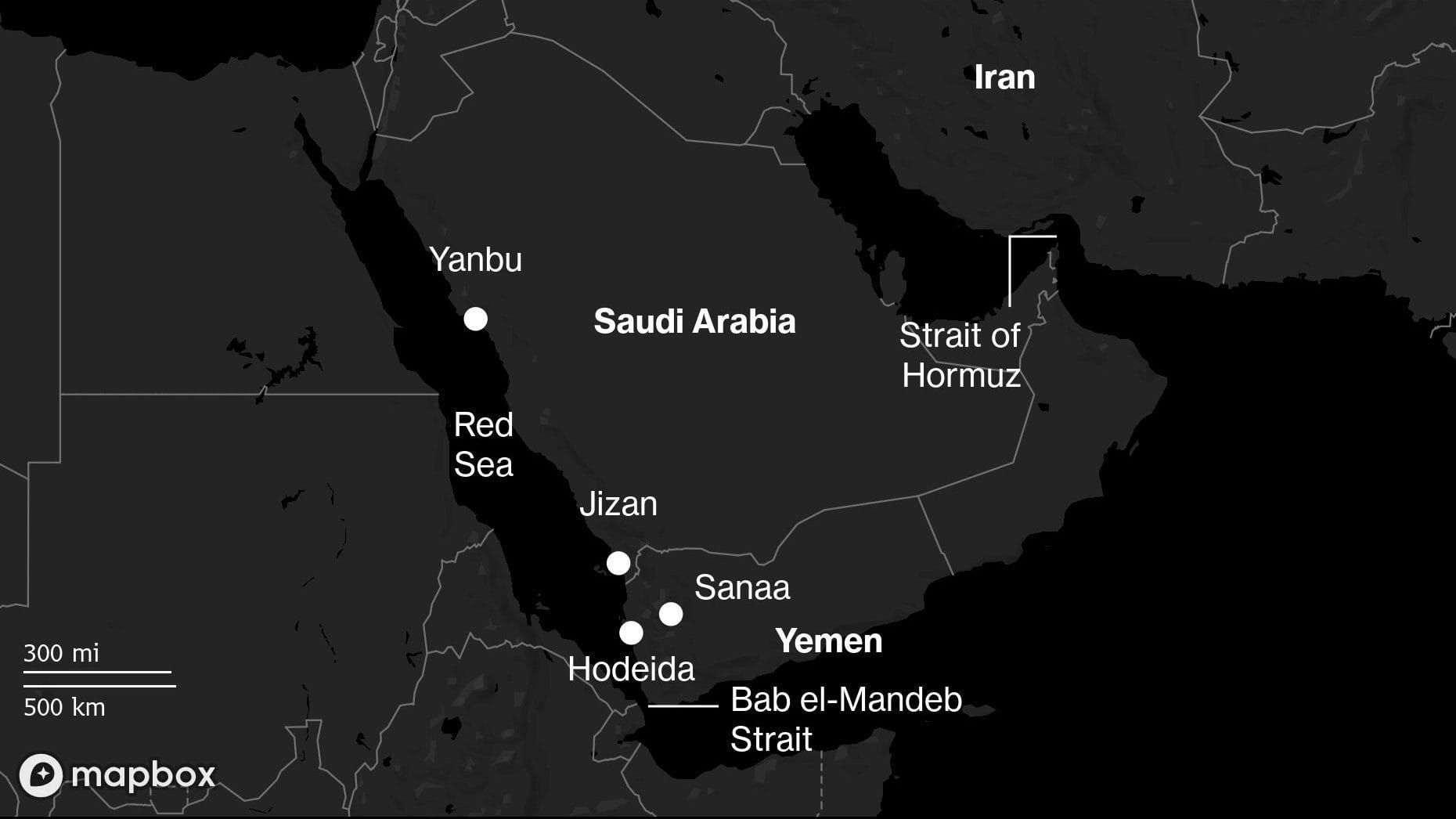
There has been a big war in Yemen for more than ten years.
A group called the Houthis, backed by Iran, is trying to stop ships from sailing through the Red Sea.
The Red Sea is a very important waterway for ships carrying oil and other goods.
Saudi Arabia is worried because its big oil tankers are being threatened.
So Saudi Arabia is teaming up with other countries, like Egypt, Turkey and Pakistan, to form a navy coalition.
They want to patrol the water and protect ships by sailing them in groups called convoys.
They could also use special ships like Turkey's drone carrier, the TCG Anadolu.
The countries will gather information about the Houthis and set up a control center to plan their moves.
If protecting the ships does not work, they might attack the Houthis from the air, which could make the fighting worse.
Everyone hopes the Red Sea can be made safe again so ships can pass without danger.

Saudi Arabia is forming a naval coalition of 14 countries, agreed at a meeting in Riyadh, to protect Red Sea shipping from Houthi attacks.
Iran has encouraged Yemen's Houthi rebels to threaten Saudi supertankers on a route carrying up to 15% of the world's petroleum products.
Coalition members include Egypt, Turkey, Pakistan, Kuwait, Bahrain, Qatar and Jordan, while the UAE and Oman have not signed on.
The plan involves intelligence collection, a centralized operations center, and convoys guarded by patrol craft and guided-missile frigates.
If maritime operations fail to deter the Houthis, the coalition could launch air attacks on Houthi bases ashore, risking escalation.
- Who
- Saudi Arabia and a coalition of 14 countries, including Egypt, Turkey, Pakistan, Kuwait, Bahrain, Qatar and Jordan, opposing Yemen's Houthi rebels backed by Iran.
- What
- Formation of a naval coalition to protect Red Sea shipping from Houthi missile, drone and boarding threats.
- Where
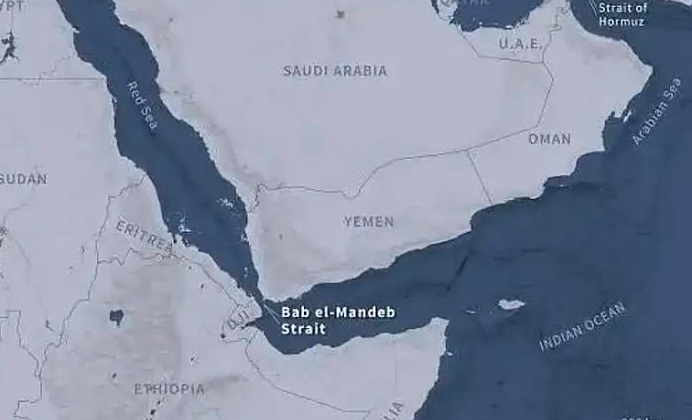
- The Red Sea, particularly the Bab el-Mandeb Strait and the route toward the Suez Canal; the founding meeting took place in Riyadh.
- When
- Announced following a meeting held last week in Riyadh.
- Why
- Iran has encouraged the Houthis to blockade and threaten Saudi supertankers to pressure Saudi Arabia, the US and Israel, disrupting vital global shipping lanes.
Maritime approach is enough
Air strikes may be needed
How to deter the Houthis
Maritime approach is enough
A Saudi-led maritime coalition using patrol craft, convoys and guided-missile frigate escorts can restore order and keep the Red Sea open without major escalation.
Air strikes may be needed
The maritime approach alone may not sufficiently deter the Houthis; air attacks on their bases ashore would be the next step, but they risk retaliation and escalation.
Role of outside powers
Maritime approach is enough
The regional coalition, well led by the Saudis with some US and EU liaison help, can handle the mission itself.
Air strikes may be needed
America and its European allies will inevitably have to play a direct role to keep the Red Sea open.
Key facts
- Coalition signatories
- 14 of nearly 50 countries and organizations at the Riyadh meeting
- Named coalition partners
- Egypt, Turkey, Pakistan, Kuwait, Bahrain, Qatar, Jordan
- World's petroleum products affected
- Up to 15%
- Containerized shipping on the route
- Up to 30%
- Saudi naval strength
- More than 30 modern warships
- Potential flagship
- TCG Anadolu, world's first operational drone carrier (Turkey)
- Notable absentees
- United Arab Emirates and Oman
- Saudi Red Sea base
- Western fleet based in Jeddah
Sources
Related news
Saudi Arabia Launches Multinational Maritime Defense Coalition for Red Sea
Houthi attacks in Red Sea kill crew, target Saudi-linked ships
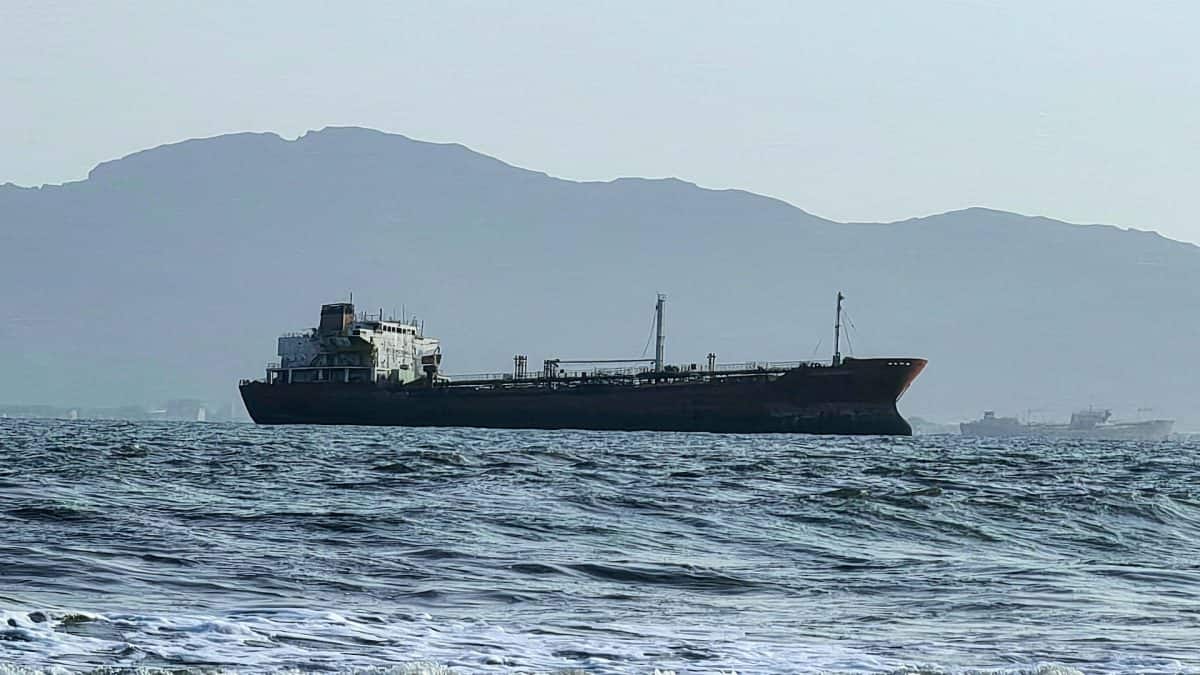
Houthis strike Saudi ship in Bab al-Mandeb, three crew killed
Six Killed in Houthi Attack as Middle East Conflict Escalates

Houthis Claim Attack on Vessel Off Saudi Arabia’s Yanbu

Houthis claim missile attacks on two Saudi oil tankers

Iran Seizes Fuel-Smuggling Vessel in Gulf, Arrests 11 Crew
Trump Floats Renaming Strait of Hormuz as “Trump Strait”

Chevron Plans $7 Billion Venezuela Expansion Amid U.S. Oil Push
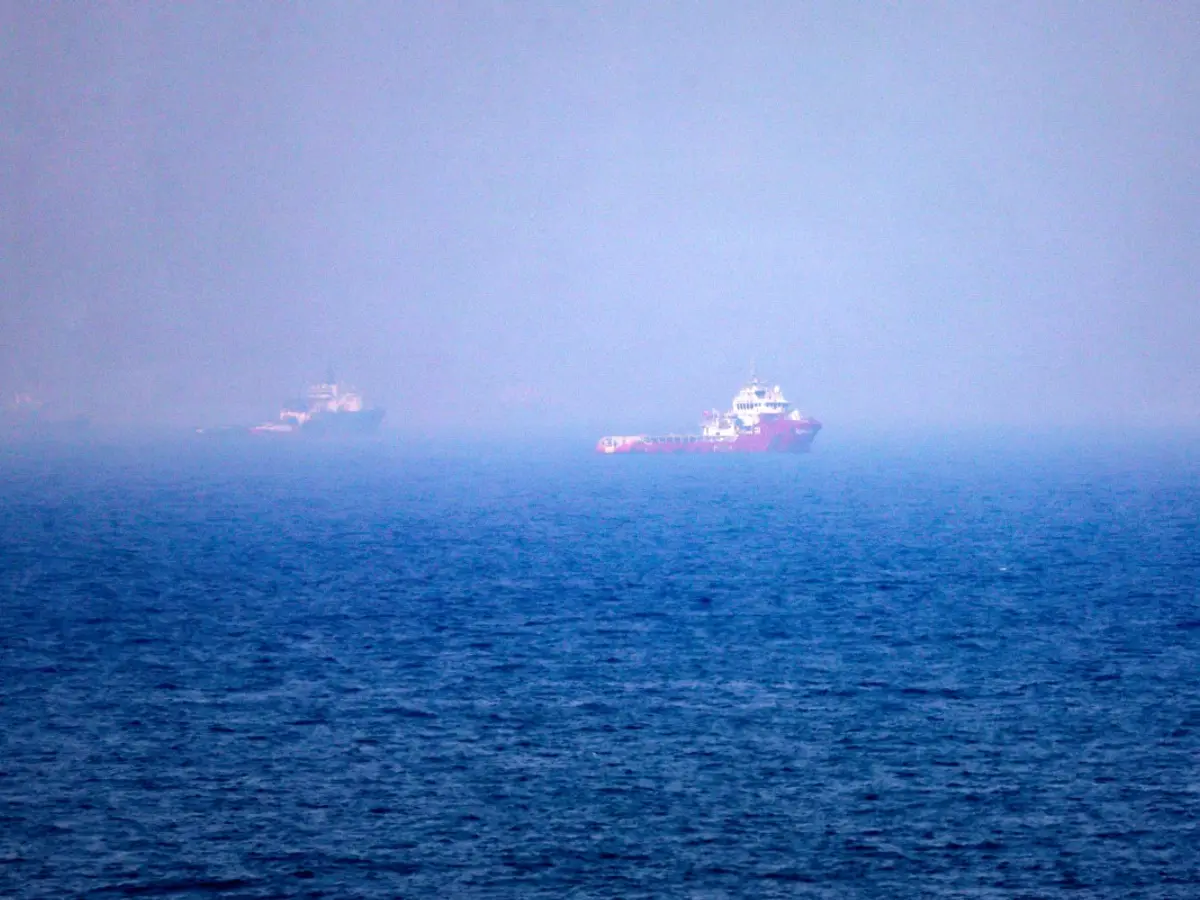
Saudi Tanker Hit in Hormuz, Killing Two Filipino Sailors
U.S.-Iran Exchange Escalates Across Middle East, Markets Slide