

1 week ago
Ladakh Diverts Glacier Water to Revive 1,000 Acres

Ladakh is using glacier water to help its farms.
Much of this water used to flow unused into the Indus River.
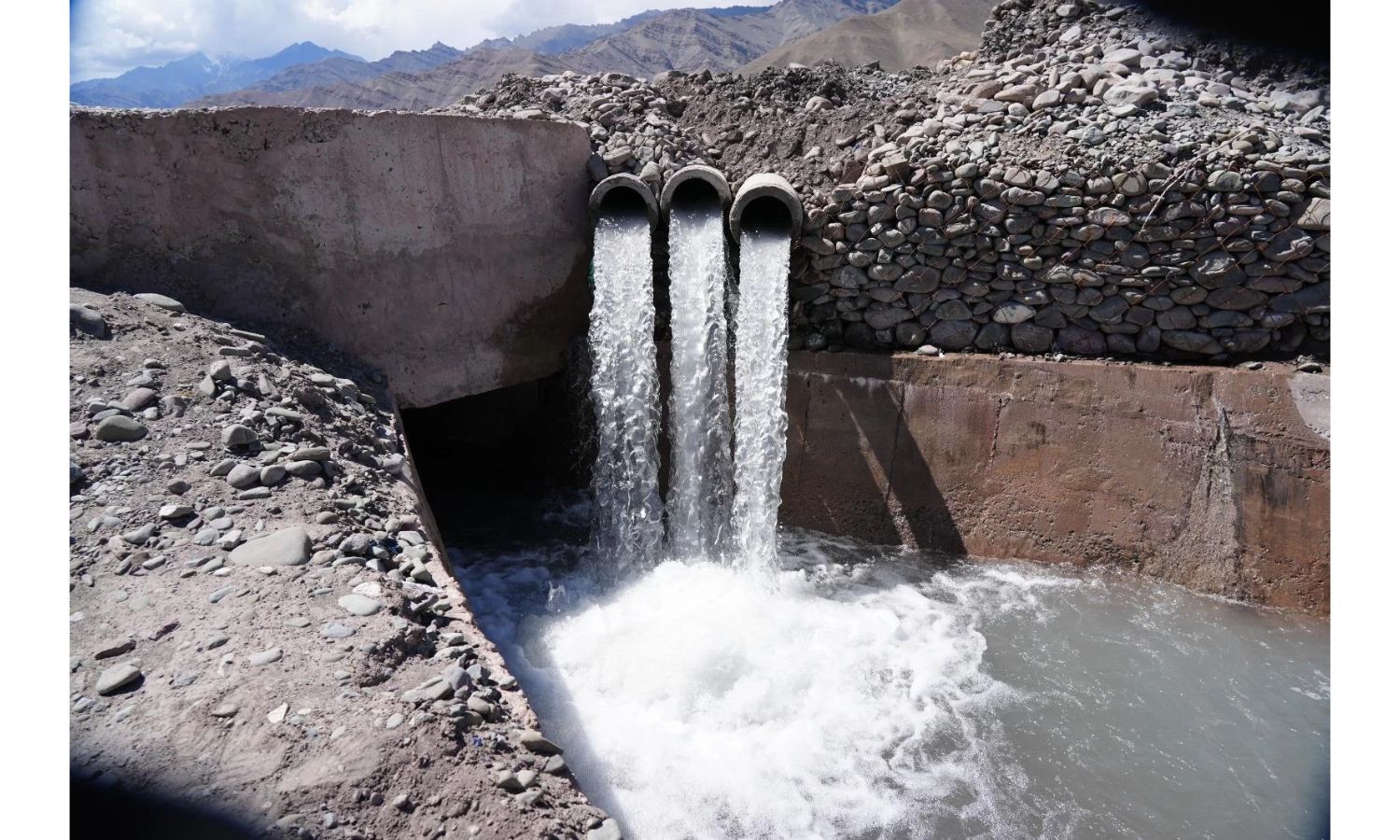
Workers made two simple trenches to guide water from Stok Nallah into an irrigation canal.
The project sends 26 cusecs of water toward the villages of Igoo and Phey.
This adds nearly 90 million litres of water to the system each day.
The canal can now carry nearly 80 cusecs instead of about 50 cusecs.
Farmers in nearly 12 villages are expected to receive water every day instead of following a strict schedule.
Officials want to use the same low-cost method in other parts of Ladakh.

Ladakh has diverted nearly 90 million litres of glacier water daily from Stok Nallah for irrigation.
Two gravity-based diversions channel 26 cusecs into the Igoo-Phey Canal: 19 cusecs for Igoo and 7 cusecs for Phey.
The canal’s available discharge has increased from about 50 cusecs to nearly 80 cusecs, ending roster-based distribution for nearly 12 villages.
The project used two JCB-built trenches and required no capital expenditure, while plans call for using the remaining 10 cusecs.
Officials plan similar diversions from Matho, Tuchik Chenmo, Tuchik Chon and Stakna nallahs.
- Who
- The Ladakh administration and its Irrigation and Flood Control Department, acting on directions from Lieutenant Governor Vinai Kumar Saxena.
- What
- Officials diverted glacier runoff from Stok Nallah into the Igoo-Phey Irrigation Canal for agricultural use.
- Where
- From Stok Nallah, fed by the Stok Kangri Glacier near Leh, into the canal serving villages including Igoo and Phey in Ladakh.
- When
- The diversion was completed on August 14; the administration’s statement was issued on Thursday.
- Why
- To use water previously flowing into the Indus, address irrigation shortages and support cultivation on more than 1,000 acres.
Key facts
- Daily water harnessed
- Nearly 90 million litres
- Stok Nallah discharge
- Approximately 36.60 cusecs
- Water diverted
- 26 cusecs: 19 cusecs toward Igoo and 7 cusecs toward Phey
- Remaining water
- Plans are underway to utilise the remaining 10 cusecs
- Canal discharge
- Increased from about 50 cusecs to nearly 80 cusecs
- Beneficiaries
- Nearly 12 villages and more than 1,000 acres of farmland
- Construction
- Two JCB-built trenches using gravity-based diversion, with no capital expenditure
- Project detail
- The Igoo-Phey Canal is 43 kilometres long and was completed in 2005 after construction began in 1979
Quotes
Statement issued by Ladakh administration
Official statement released by the Ladakh administration
“By successfully saving 90 million litres of glacier water daily and diverting this huge volume of water from the Stok Nallah into the Igoo Phey and Yokyur canals, we have proven that large‑scale, sustainable water management is entirely feasible in our cold desert. This is a monumental step towards our vision of a green, water‑secure, and self‑sustaining Ladakh. This successful model is just a blueprint. We will expand these cost‑effective interventions across Ladakh, transforming scattered gl”
 thestatesman.com
“By integrating Ladakh’s abundant glacier water into a decentralised irrigation network, this initiative lays the foundation for a water‑secure, agriculturally prosperous, and climate‑resilient future, it promises expanded cultivation, increased crop intensity, enhanced livelihoods, and a revitalised rural economy—turning Ladakh’s natural glacial wealth into a transformative force for its people.”
 deccanchronicle.com
Sources
Related news

Ladakh Diverts Glacier Water to Revive 1,000 Acres
Devadula Supplies Irrigation Water as Dry Spell Hits Crops

Jagadish Reddy Demands Immediate Nagarjuna Sagar Water Release for Farmers
India’s River-Linking Ambitions Face Engineering and Ecological Challenges
Pattiseema Water Lifeline for Crops Amid El Niño, Says Naidu

Kargil Opens Second Passport Seva Kendra for Easier Access
Kargil Alliance Backs March Marking Leh Protest Deaths
Kargil Leaders Back Ladakh Statehood and Justice March

Population Enumeration Begins in Snow-Bound Jammu and Kashmir, Ladakh

Saxena Flags Off Inaugural Ladakh Bike Week 2026
