

2 weeks ago
India’s River-Linking Ambitions Face Engineering and Ecological Challenges
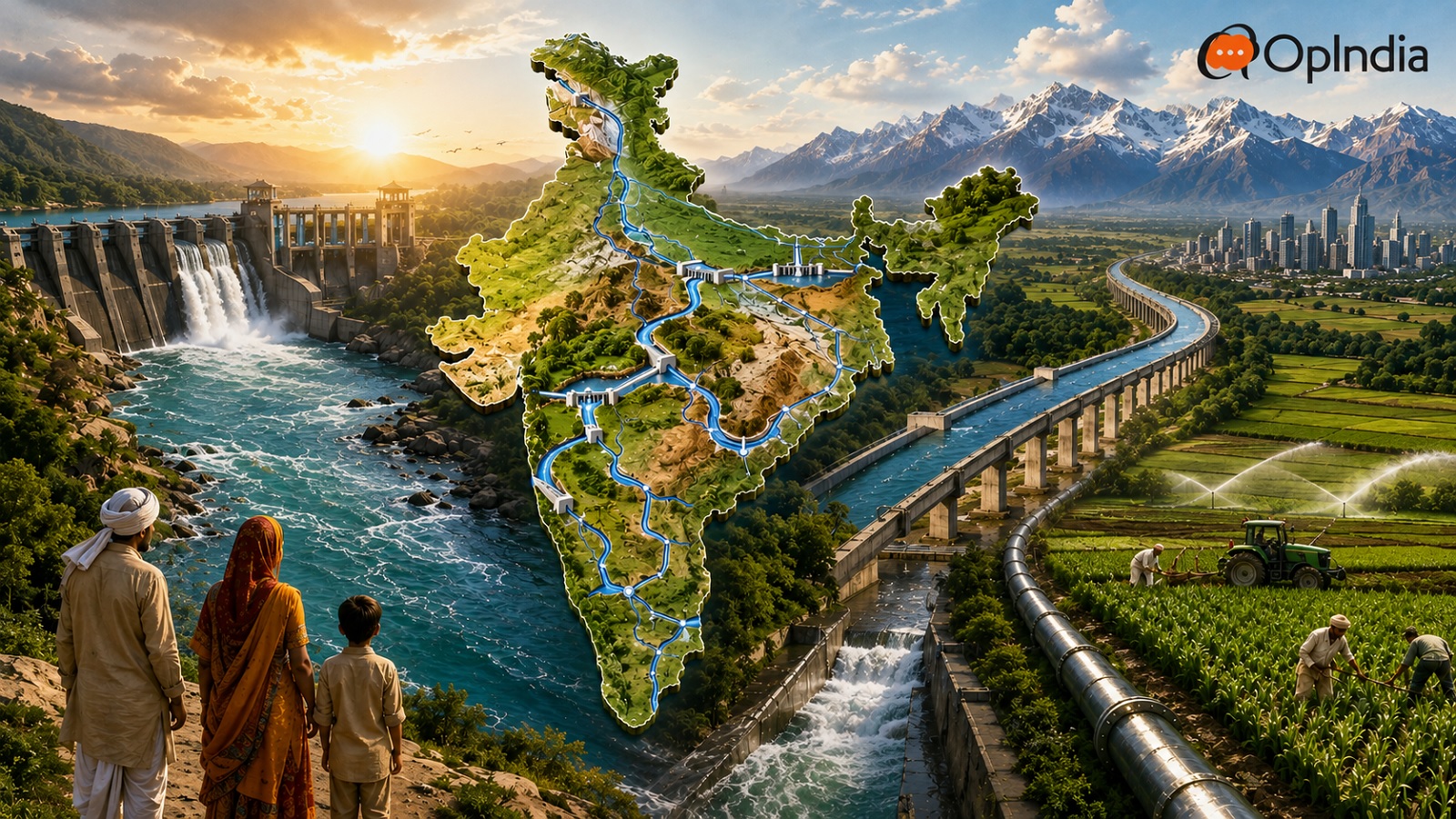
India wants to connect many rivers with dams, canals and tunnels.
The National Water Development Agency has proposed 30 links across the country.
The idea is to move some water from places that receive heavy monsoon flows to places that often face drought.
Some projects would connect rivers in southern India, while others would involve Himalayan and northeastern rivers.
The plan could provide more irrigation, drinking water, electricity and waterways.
Supporters say it could help reduce floods and water shortages.
Critics say dams and canals could destroy forests, harm river ecosystems and displace people.
They also worry that climate change could make water supplies less predictable.
The report recommends building projects gradually while protecting nature and improving local water conservation.

The National Water Development Agency proposes 30 inter-basin links under a nationwide water grid, divided into 16 peninsular and 14 Himalayan projects.
The plan aims to divert monsoon water from flood-prone or water-rich basins toward drought-prone regions, including parts of central, western and southern India.
Proposed projects include links involving the Mahanadi, Godavari, Krishna, Pennar, Cauvery, Yamuna, Kosi, Manas and other rivers.
India is also pursuing projects to use more water from rivers covered by its rights under the 1960 Indus Waters Treaty, including the Shahpurkandi Dam and Ujh Multipurpose Project.
Supporters cite irrigation, flood control, hydropower and navigation benefits, while critics warn of ecological damage, displacement, disputes and climate-related uncertainty.
- Who
- The National Water Development Agency, the Government of India, state governments, supporters, scientists and environmental critics are involved in the debate.
- What
- A proposed national system of 30 inter-basin river links, alongside related water-utilisation projects in northwestern India.
- Where
- Across India, including the Himalayan, peninsular, central, southern and northwestern regions; the report also examines projects in China, the United States, Pakistan, Spain and Australia.
- When
- The proposal covers future phased projects; the report also references the Indus Waters Treaty signed in 1960 and international projects built over several decades.
- Why
- To transfer water from basins described as monsoon-surplus or water-rich to drought-prone areas, while supporting irrigation, drinking water, flood management, hydropower and navigation.
Supporters and policymakers
Critics and environmentalists
Water and food security
Supporters and policymakers
Supporters argue that transferring water could expand irrigation, supply drought-prone regions and help meet future food-grain needs.
Critics and environmentalists
Critics argue that large infrastructure may not be reliable if climate change alters monsoon patterns and turns currently surplus basins into deficit basins.
Flood control and development
Supporters and policymakers
Supporters say the links could reduce flood losses in areas such as Assam, Bihar and eastern Uttar Pradesh while providing water, hydropower and cheaper inland navigation.
Critics and environmentalists
Critics warn that diverting too much water could damage downstream ecosystems, increase salinity near estuaries and undermine the natural character of rivers.
Social and ecological costs
Supporters and policymakers
Government supporters say phased construction, scientific assessments and rehabilitation measures can address project impacts.
Critics and environmentalists
Environmentalists and critics point to forest submergence, biodiversity loss and the estimated displacement of 1.5 to 2 million people, particularly from tribal communities.
Key facts
- National plan
- 30 proposed inter-basin water-transfer links form the National Water Development Agency’s wider National Water Grid concept.
- Project components
- The plan is divided into 16 peninsular links and 14 Himalayan links.
- Proposed benefits
- The report attributes potential gains of 35 million hectares of additional irrigation and approximately 34,000 megawatts of hydropower to the 30 links.
- Ujh Multipurpose Project
- The project in Jammu and Kashmir is described as storing about 781 million cubic metres, costing ₹9,167 crore, irrigating 31,380 hectares and generating 186 megawatts.
- Shahpurkandi Dam
- The Ravi project is described as supplying irrigation to 32,000 hectares in Punjab and 1,150 hectares in Kathua and Samba districts of Jammu and Kashmir.
- Environmental concern
- The report states that 5,803 hectares of forest in Panna Tiger Reserve would be submerged by the Ken-Betwa Link Project.
- International comparison
- The report examines China’s South-North Water Transfer Project, the California State Water Project, Pakistan’s Indus Basin Irrigation System, Spain’s Tagus-Segura transfer and Australia’s Snowy Mountains Scheme.
Sources
Related news
India's Ken-Betwa River Link Project Brings Water Hope to Bundelkhand

Telangana River-Linking Projects Remain Stuck at DPR Stage

Ken-Betwa River Link Faces Development and Displacement Concerns

CM Vijay urges Modi to expedite Godavari-Cauvery-Gundar river link

Centre returns Polavaram-Banakacherla link project for fresh scrutiny

Nar–Par–Girna River Link Project Gets Preliminary Environmental Clearance
Punjab MLA Dhaliwal Inspects Ujh River Barrage
