

1 week ago
Former SC Judge to Lead Probe Into Protest Police Excesses
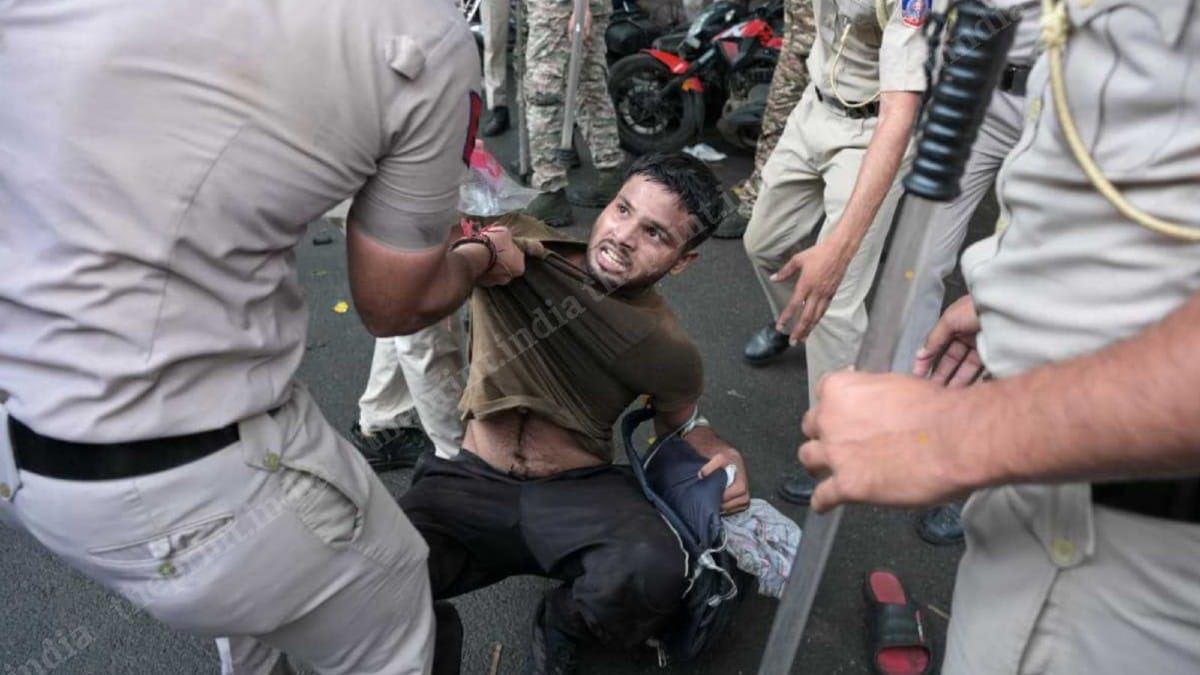
The Supreme Court has created a group to investigate what happened during a protest march on 20 July.
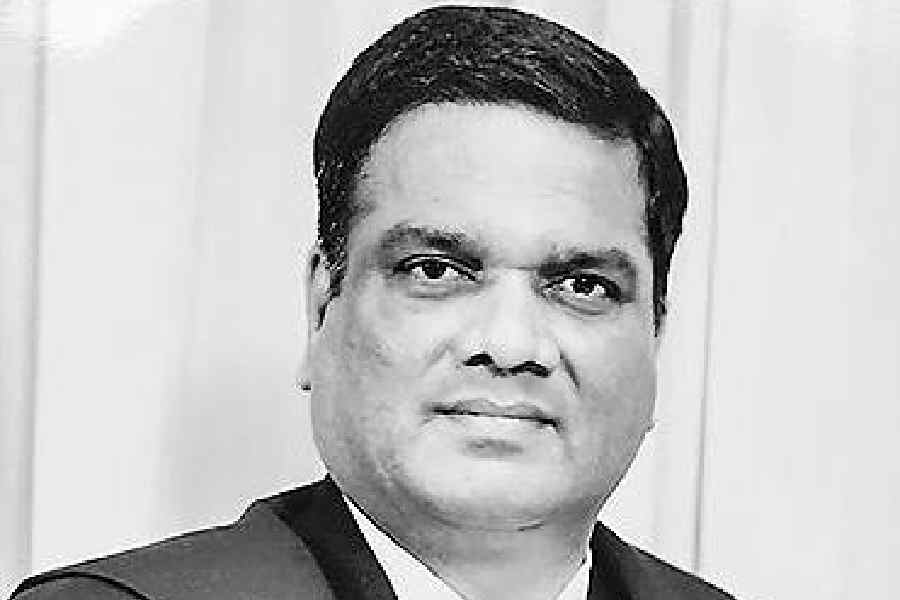
Former judge Justice R. Subhash Reddy will lead the five-person group.
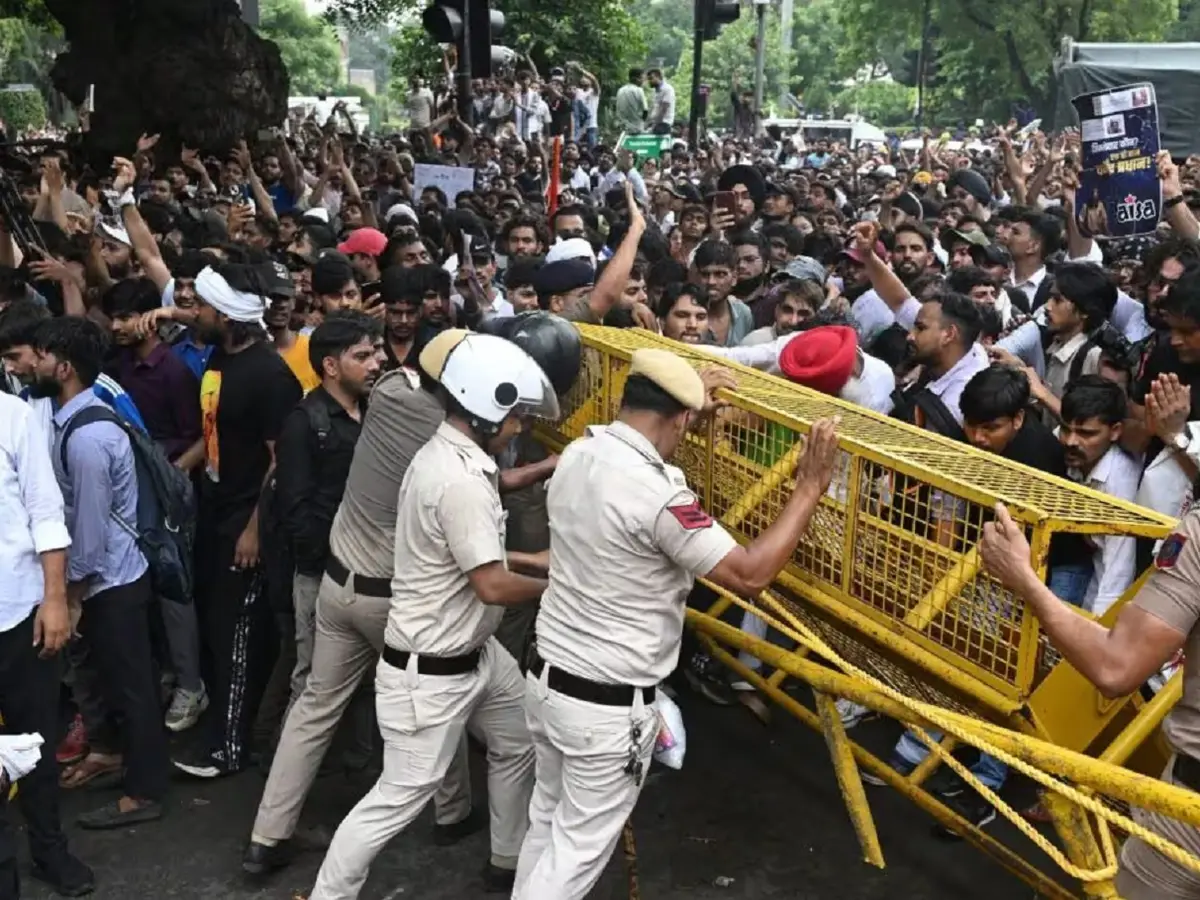
Some protesters say police used too much force and hurt people.
Police say some protesters injured officers and damaged public property.
The group will listen to both sides.
It will study the use of pellets, batons, lathis, tear gas and surveillance technology.
It will also examine whether anyone broke rules and who should be held responsible.
The group will give the Supreme Court regular updates and suggest help or compensation for victims.

Former Supreme Court judge Justice R. Subhash Reddy will chair a five-member committee investigating alleged police excesses during the 20 July ‘Sansad Chalo’ march.
The committee will examine allegations involving pellets, electric batons, lathi charges, tear gas, plainclothes violence, surveillance and treatment of women and children.
It will also investigate claims that protesters injured police personnel, damaged public property and caused mental trauma to officers’ families.
The Supreme Court directed authorities to preserve CCTV, drone, body-camera, videography, wireless and PCR records for the inquiry.
The committee will conduct continuing assessments and submit interim findings, including recommendations on accountability, medical assistance and compensation.
- Who
- The Supreme Court, chaired in this matter by Chief Justice of India Surya Kant, constituted a committee led by former Supreme Court judge Justice R. Subhash Reddy; protesters, police and security forces are among the parties involved.
- What
- A five-member High-Powered Enquiry Committee will independently investigate alleged police excesses and related allegations of protester violence during the ‘Sansad Chalo’ march.
- Where
- The inquiry concerns protests at Jantar Mantar and other locations across the country, with hearings to be held in Delhi.
- When
- The protest march took place on 20 July; the Supreme Court’s official order was released Thursday.
- Why
- The court said an independent, continuing fact-finding mechanism was needed to examine allegations of excessive force, injuries, surveillance, public-property damage and violence against police.
Protesters’ allegations
Authorities’ claims and concerns
Use of force
Protesters’ allegations
Petitioners allege disproportionate police action, including pellet guns, electric batons, lathi charges and tear gas without adequate warning.
Authorities’ claims and concerns
Authorities’ response and related submissions will be examined, including whether police action was proportionate and consistent with crowd-control rules.
Violence and injuries
Protesters’ allegations
Petitioners allege that peaceful protesters, including students, women and children, faced violence, harassment, threats and serious injuries.
Authorities’ claims and concerns
Delhi Police claims that protesters caused grievous injuries to police personnel and that public property was damaged; the committee will examine these allegations as well.
Surveillance and protest restrictions
Protesters’ allegations
Concerns have been raised that facial-recognition monitoring and blanket prohibitory orders could undermine privacy, peaceful assembly and political dissent.
Authorities’ claims and concerns
The committee will assess whether surveillance was compatible with privacy and assembly rights and whether restrictions were genuine and proportionate responses to public-order threats.
Key facts
- Committee chair
- Justice R. Subhash Reddy, former Supreme Court judge
- Committee size
- Five members
- Other members
- Justice Ravi Shankar Jha, Justice Shalinder Kaur, Rishi Kumar Shukla and L.R. Bishnoi
- Priority issues
- Alleged grievous injuries, targeted violence, harassment and molestation of women protesters
- Evidence to preserve
- CCTV, drone footage, body-camera recordings, videography, wireless records and PCR call logs
- Reporting process
- The committee will conduct continuous and periodic assessments and submit interim findings
- Legal questions
- The committee may study safeguards concerning BNS Section 152 and blanket prohibitory orders
Quotes
Supreme Court Order
Official statement from the Supreme Court regarding the establishment of the High‑Powered Enquiry Committee
“The HPEC has been constituted bearing in mind a wide variety of considerations, including the individual expertise and experience of each of its members, as well as the diversity of the committee, among other factors. We are confident that the recommendation of the HPEC will be of invaluable assistance to this court.”
 theprint.in
Sources
Related news
Supreme Court Panel to Probe Force During NEET Protests

Supreme Court Forms Panel to Probe Police Action During Protests

Supreme Court Forms Panel to Probe Jantar Mantar Police Excesses
Supreme Court Panel to Probe Police Excesses Against NEET Protesters
Pleas Seek Reconstitution of Panel Probing Police Excesses Against Protesters

Supreme Court Panel to Probe Delhi NEET Protest Police Excesses
Shinde Sena Challenges Shiv Sena’s 2018 Power Shift

Supreme Court Questions BCI Chairman’s Proposed Five-Year Tenure

BJP MPs Seek National Commission for General Category Interests
PUCL Urges CJI Action Over Rajasthan High Court Allegations

Supreme Court Questions IPS Deputation for CAPF Leadership Positions
