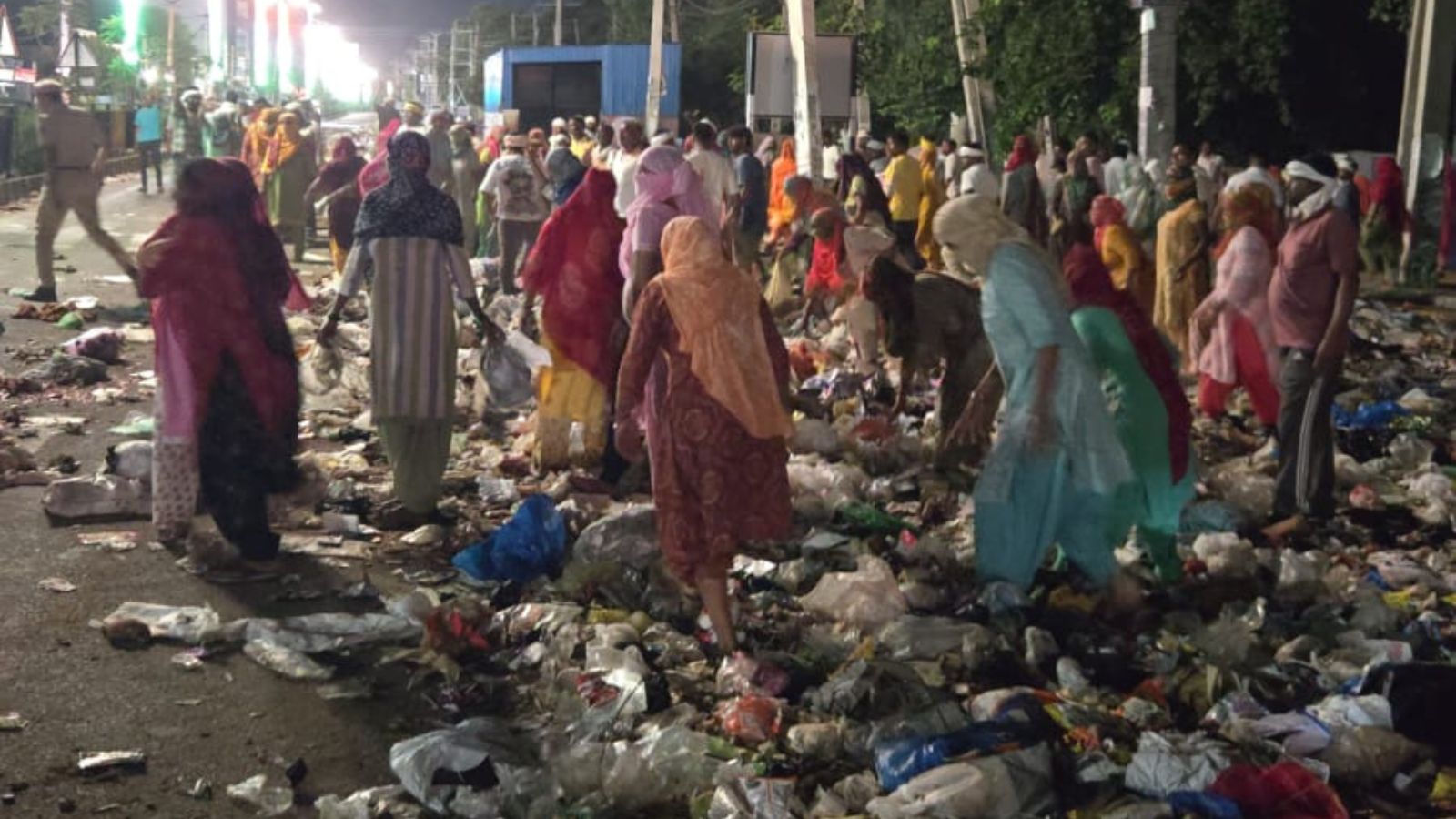
1 week ago
Supreme Court Forms Panel to Probe Police Action During Protests

The Supreme Court created a committee to find out what happened during student protests in Delhi.
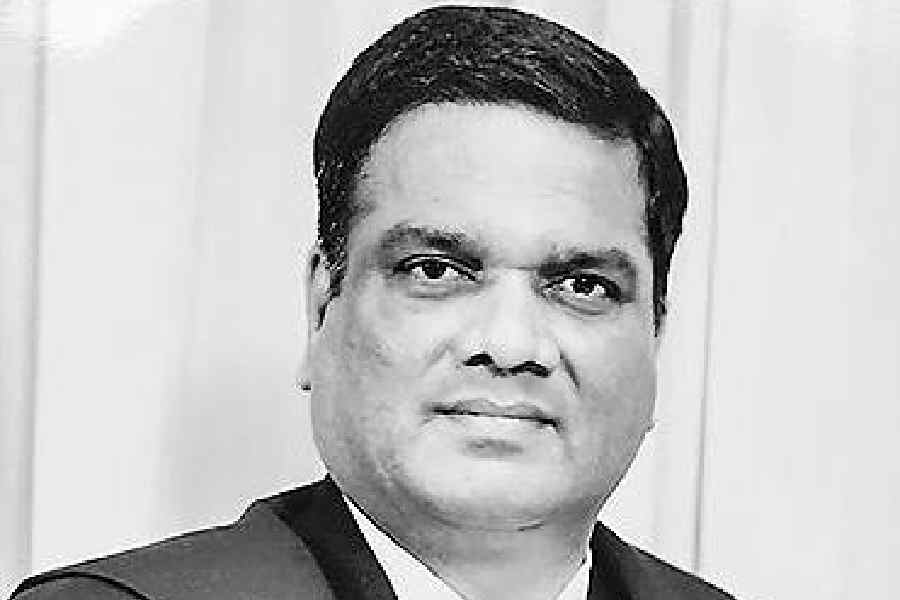
Former judge Justice R. Subhash Reddy will lead the five-member group.
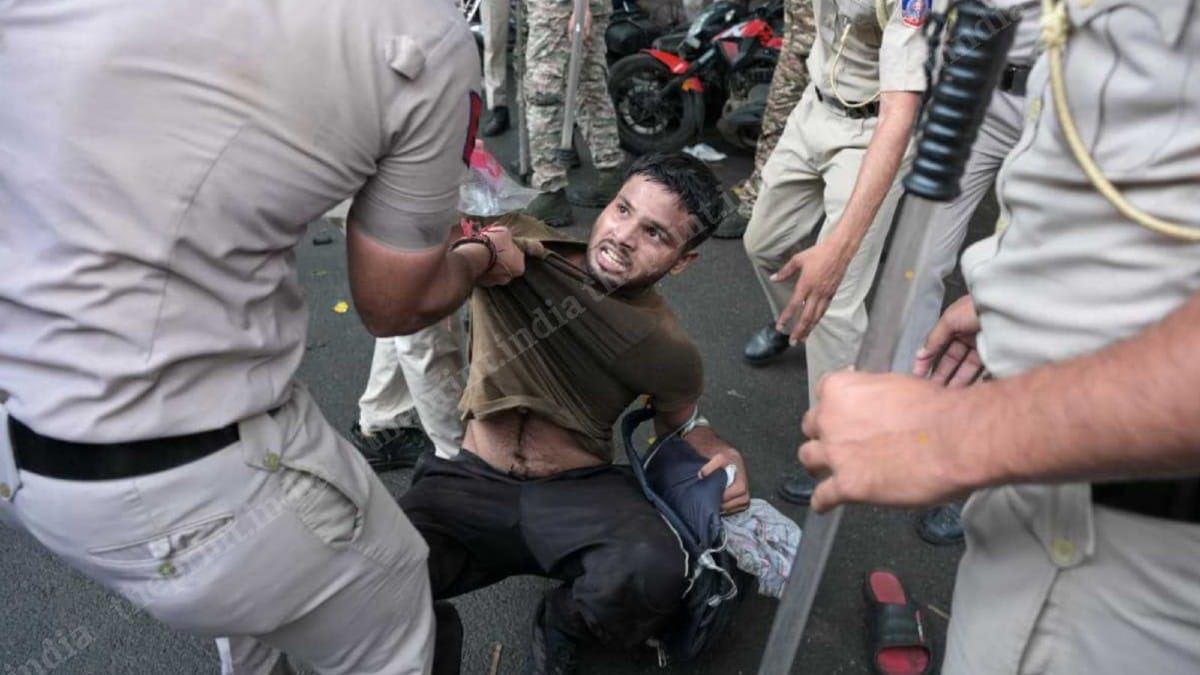
The committee will investigate claims that police used too much force, including pellet guns.
It will also examine claims that some protesters hurt police officers or other security workers.
The group will look especially at allegations involving violence and harassment of female protesters.
It may consider temporary compensation for people injured on either side.
Officials must save videos, camera recordings and other records that could provide evidence.
The committee must keep reviewing the matter and send interim reports to the court.

The Supreme Court formed a five-member committee led by former Justice R. Subhash Reddy to investigate the protests.
The inquiry will examine alleged police excesses, including pellet-gun use, and alleged violence by protesters against security personnel.
It will prioritize allegations of targeted violence, harassment and molestation involving female protesters, as well as injuries on both sides.
Authorities must preserve CCTV, drone, body-camera, videography, wireless-communication and PCR-call records for the inquiry.
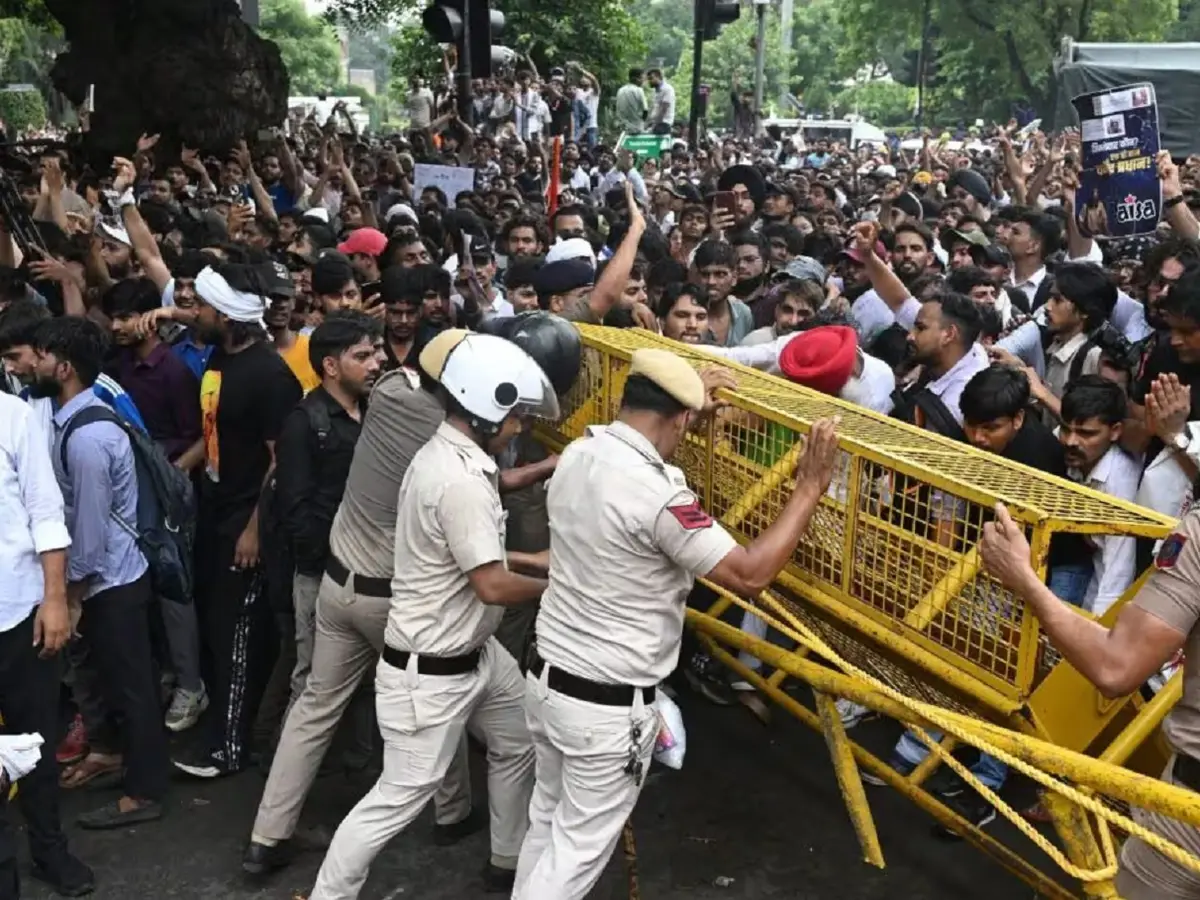
The CJP-led protests included a July 20 march toward Parliament that ended in clashes involving tear gas and lathi-charge.
- Who
- The Supreme Court of India, student protesters, police and other security personnel are involved; Justice R. Subhash Reddy heads the committee.
- What
- A five-member High-Powered Enquiry Committee was formed to investigate alleged police excesses and alleged violence by protesters.
- Where
- The demonstrations began at Jantar Mantar in New Delhi and spread to several cities, including a major march toward Parliament.
- When
- The protests began on June 20, included a Parliament march on July 20 and were called off on July 25; the Supreme Court’s order was dated August 18.
- Why
- The petitions cited alleged NEET examination paper leaks, examination-system concerns and demands including the resignation of Union Education Minister Dharmendra Pradhan.
Protesters’ Allegations
Police and Authorities’ Response
Use of force
Protesters’ Allegations
Petitioners allege that police and other agencies used excessive force against student protesters, including alleged pellet-gun deployment and the manhandling of protesters.
Police and Authorities’ Response
The Delhi Police said force was used only after sections of the crowd allegedly became violent and engaged in stone-pelting while attempting to breach barricades.
Violence during demonstrations
Protesters’ Allegations
The petitions focus on alleged police violence, including claims of targeted violence, harassment and molestation involving female protesters.
Police and Authorities’ Response
The committee will also examine allegations that protesters used force against police and other security personnel and caused injuries.
Damage and accountability
Protesters’ Allegations
Protesters and other injured people may submit evidence, including anonymously, and may seek interim compensation for injuries.
Police and Authorities’ Response
The inquiry will assess damage to public and private property and consider injuries and mental and emotional trauma experienced by police personnel and their families.
Key facts
- Committee chair
- Former Supreme Court judge Justice R. Subhash Reddy
- Committee members
- Former Punjab and Haryana High Court Chief Justice Ravi Shankar Jha, former Delhi High Court judge Justice Shalinder Kaur, former CBI Director Rishi Kumar Shukla and retired Meghalaya DGP L. R. Bishnoi
- Inquiry scope
- Alleged excessive force by police, including pellet-gun use, and alleged violence by protesters against police and other security personnel
- Priority concerns
- Alleged targeted violence, harassment and molestation of female protesters, injuries on both sides, and trauma experienced by police personnel and their families
- Evidence preservation
- Police, paramilitary forces and other agencies must preserve CCTV, drone, body-worn-camera, videography, wireless-communication and PCR-call records
- Major confrontation
- A July 20 march toward Parliament involved clashes, tear gas and lathi-charge as protesters attempted to move through barricades
- Reporting requirement
- The committee must conduct continuing periodic assessments and submit its first interim report at the earliest
Quotes
Bench of Chief Justice Surya Kant and Justices Joymalya Bagchi and V Mohana
Supreme Court judges overseeing the enquiry
““This HPEC (High-Powered Enquiry Committee) has been constituted bearing in mind a wide variety of considerations, including the individual expertise and experience of each of its members, as well as the diversity of the committee, among other factors. We are confident that the recommendations of the HPEC will be of invaluable assistance to this Court, and the committee will be able to undertake a comprehensive assessment of all such issues as merit due contemplation.””
 thehansindia.com
 rediff.com
Sources

Related news
Supreme Court Panel to Probe Force During NEET Protests

Supreme Court Panel to Probe Delhi NEET Protest Police Excesses
Pleas Seek Reconstitution of Panel Probing Police Excesses Against Protesters

Supreme Court Forms Panel to Probe Jantar Mantar Police Excesses
Former SC Judge to Lead Probe Into Protest Police Excesses
Supreme Court Panel to Probe Police Excesses Against NEET Protesters

Supreme Court Questions IPS Deputation for CAPF Leadership Positions

Supreme Court Quashes 20-Year Conviction, Reaffirms Juvenile Legal Protections
Two Years After RG Kar Doctor's Rape-Murder, Case Remains Unresolved

ED widens Chhattisgarh probes with two arrests and searches
Delhi High Court Orders Madhya Pradesh to Pay Advocate Dues