1 week ago
Supreme Court Panel to Probe Police Excesses Against NEET Protesters
The Supreme Court has created a committee to investigate what happened during protests about an alleged NEET exam leak.
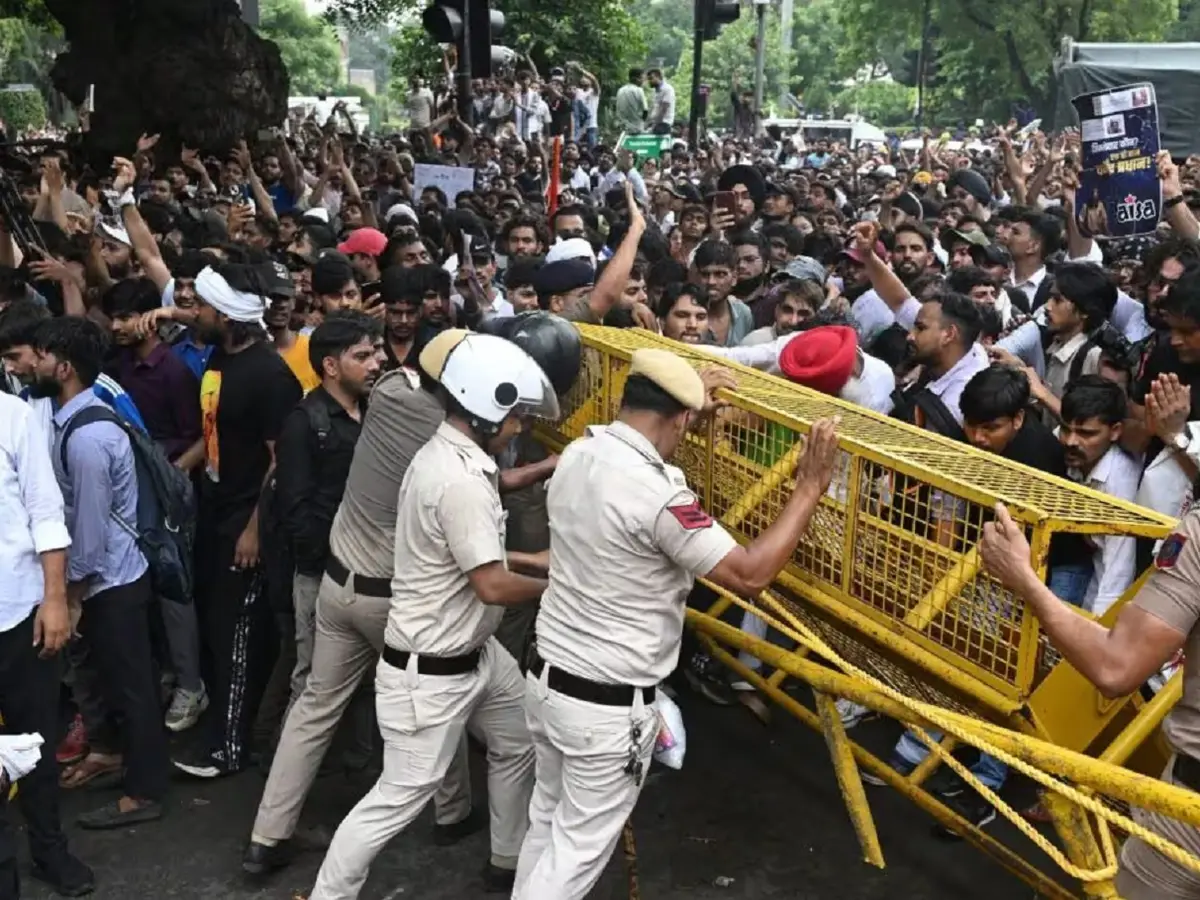
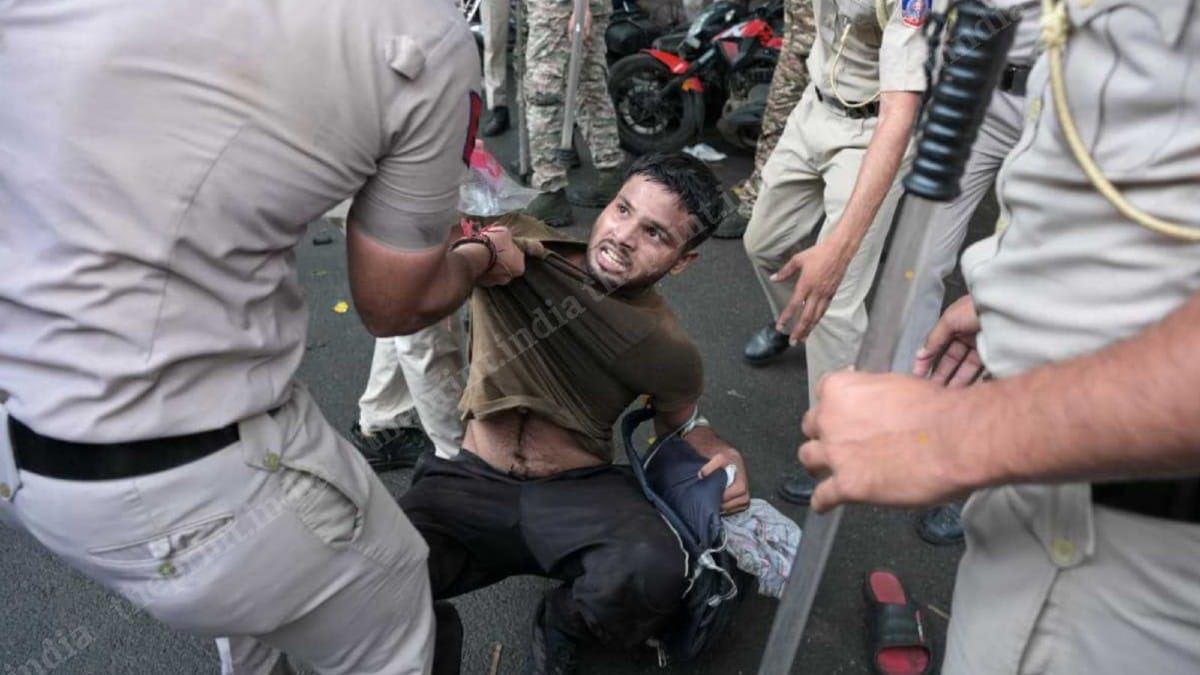
Some protesters say police used too much force, including pellet guns and tear gas.
They also allege that some women protesters were harassed or attacked.
The committee will examine whether police actions followed the law.
It will also study whether protesters harmed police officers or damaged public and private property.
The committee will look at laws used to restrict protests and political speech.
It can ask technical and forensic experts for help.
The court wants regular reports, including an early first interim report.
The court did not set a deadline for the first report.

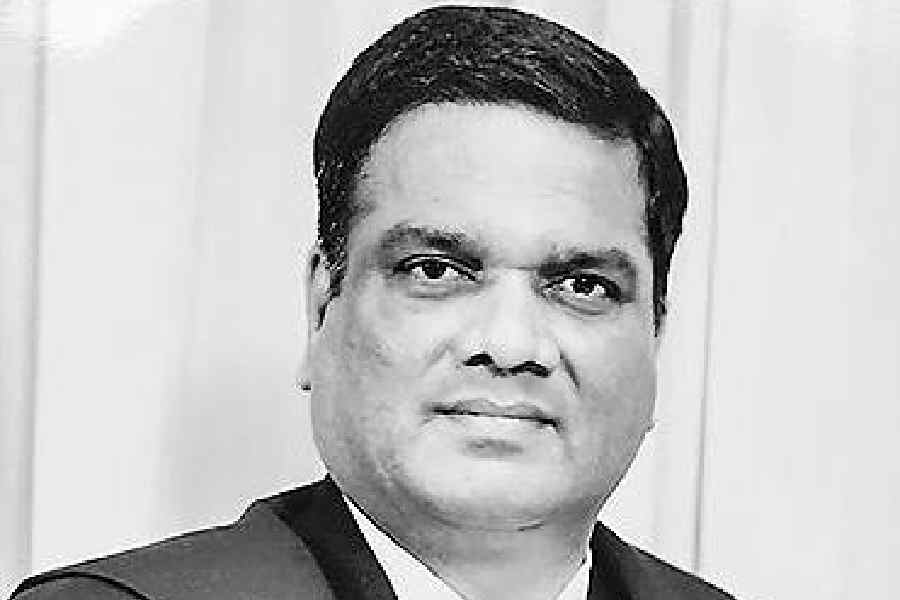
The Supreme Court formed a five-member committee led by former judge R. Subhash Reddy to investigate the police crackdown on NEET-leak protesters.
The inquiry will examine alleged excessive force, including pellet guns, electric batons, lathis and tear gas, as well as injuries to protesters.
It will assess allegations involving surveillance, violence against female protesters, medical support, compensation and the use of prohibitory orders.
The committee will examine whether Bharatiya Nyaya Sanhita Section 152 was used to suppress political dissent and peaceful assembly.
The court also directed the committee to consider allegations that protesters attacked police, damaged property and injured officers and their families.
- Who
- The Supreme Court, a committee led by former Supreme Court judge R. Subhash Reddy, NEET-leak protesters and police personnel are involved.
- What
- A five-member High-Powered Enquiry Committee will investigate alleged police excesses and related allegations against protesters.
- Where
- The events and allegations concern the NEET-leak protest movement, but the article does not specify a location.
- When
- The order was passed on August 18 and made public on Thursday evening; no year or inquiry deadline was stated.
- Why
- The court wants to assess alleged unlawful or excessive force, protect peaceful assembly and dissent, and consider counter-allegations involving attacks and property damage.
Protesters’ Rights and Police Accountability
Police Safety and Public Order
Use of force
Protesters’ Rights and Police Accountability
Petitions allege that police and other agencies used disproportionate force, including pellet guns, batons, lathis and tear gas, causing serious injuries.
Police Safety and Public Order
Families of police personnel allege that protesters used force and violence against officers and security personnel.
Damage and injuries
Protesters’ Rights and Police Accountability
Protesters seek investigation, medical support and compensation for alleged police abuse and injuries.
Police Safety and Public Order
Police families point to injuries suffered by officers, emotional trauma among their families and damage to government and private property.
Restrictions on protest
Protesters’ Rights and Police Accountability
Petitioners argue that Section 152 of the Bharatiya Nyaya Sanhita and blanket prohibitory orders could suppress political dissent and peaceful assembly.
Police Safety and Public Order
Authorities’ public-order concerns are reflected in allegations of attacks, property destruction and the need to regulate protests, though the court directed that any restrictions be examined for legality and proportionality.
Key facts
- Committee chair
- Former Supreme Court judge R. Subhash Reddy
- Committee size
- Five members
- Reports
- The committee must submit periodic findings and an early first interim report.
- Police tactics under review
- Pellet guns, electric batons, lathis and tear gas
- Protest-related law
- The inquiry will examine the use of Section 152 of the Bharatiya Nyaya Sanhita.
- Assembly restrictions
- The committee will assess blanket prohibitory orders under Section 163 of the Bharatiya Nagarik Suraksha Sanhita.
- Priority issue
- Alleged targeted violence, harassment and molestation of female protesters.
Quotes
Chief Justice Surya Kant, Justice Joymalya Bagchi and Justice V. Mohana (Supreme Court bench)
Supreme Court judges who issued the order
“"In our opinion, all of the issues enumerated hereinabove merit analysis by the HPEC, upon due consideration of the material and submissions placed before it by the parties."”
 telegraphindia.com
Sources
Related news
Supreme Court Panel to Probe Force During NEET Protests
Former SC Judge to Lead Probe Into Protest Police Excesses

Supreme Court Forms Panel to Probe Police Action During Protests

Supreme Court Forms Panel to Probe Jantar Mantar Police Excesses

Supreme Court Panel to Probe Delhi NEET Protest Police Excesses
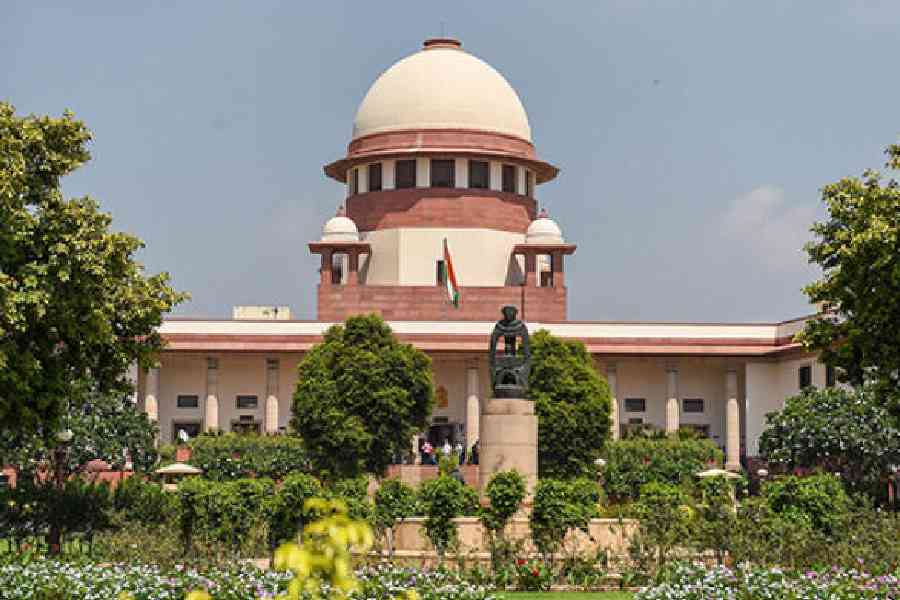
Pleas Seek Reconstitution of Panel Probing Police Excesses Against Protesters
PUCL Urges CJI Action Over Rajasthan High Court Allegations

Supreme Court Questions IPS Deputation for CAPF Leadership Positions

Supreme Court Quashes 20-Year Conviction, Reaffirms Juvenile Legal Protections
Two Years After RG Kar Doctor's Rape-Murder, Case Remains Unresolved

ED widens Chhattisgarh probes with two arrests and searches