1 week ago
Supreme Court Forms Panel to Probe Jantar Mantar Police Excesses

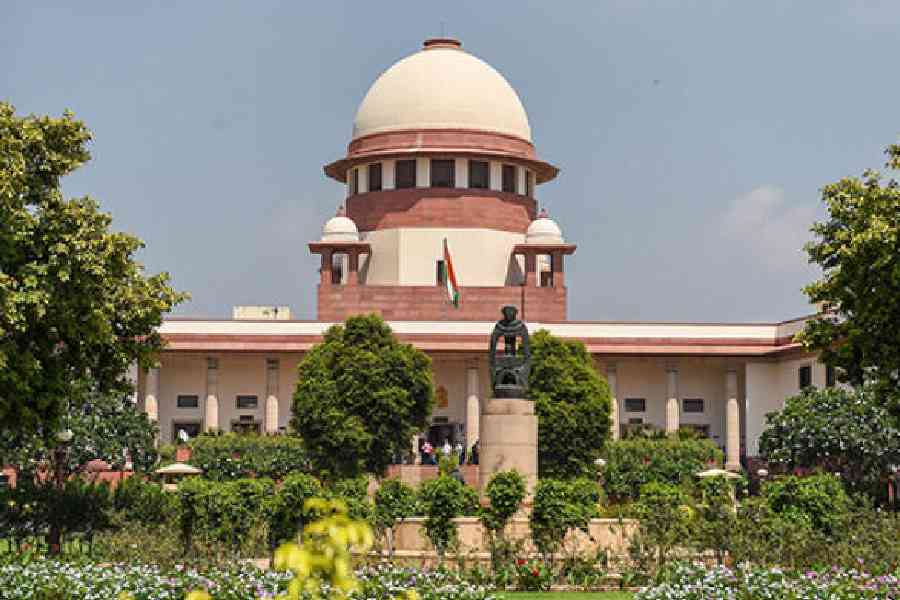
The Supreme Court has created a five-member group to find out what happened during protests at Jantar Mantar.
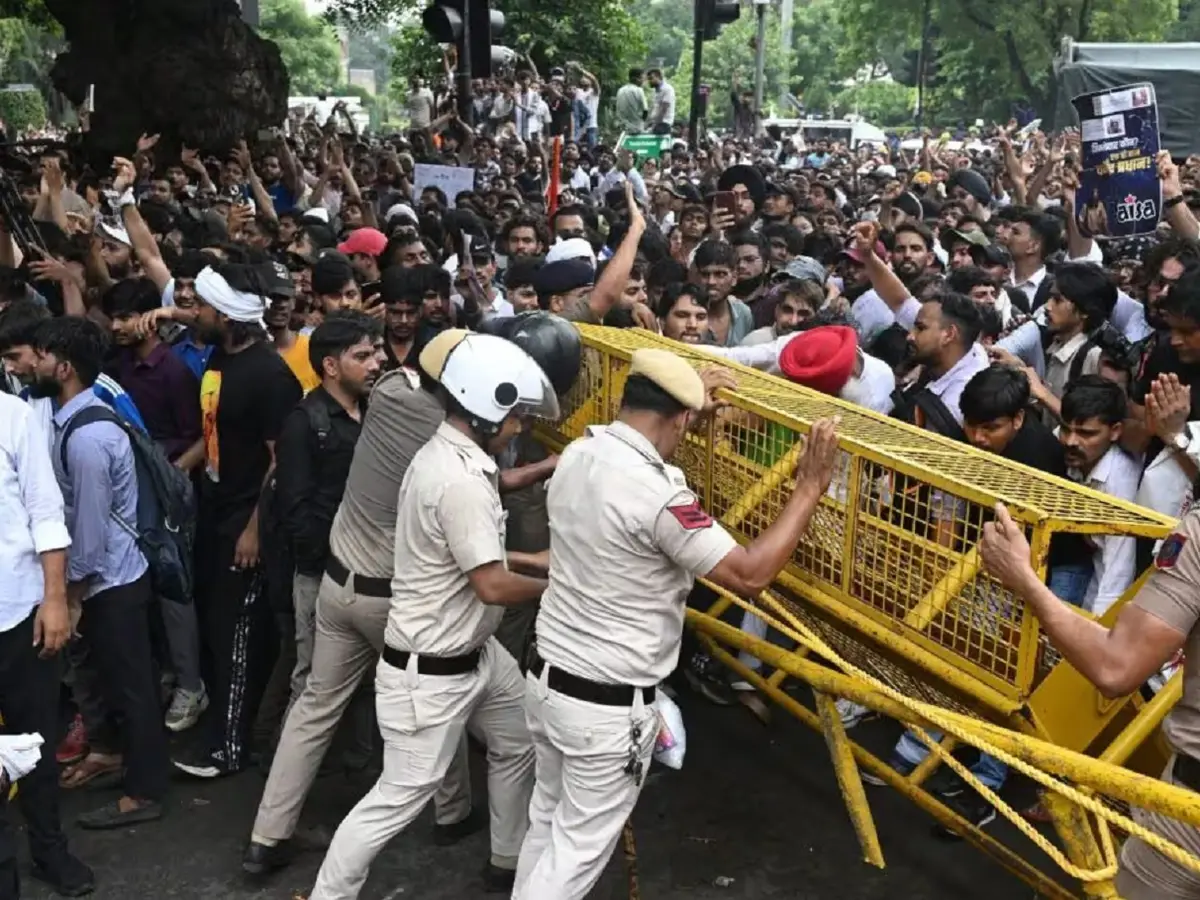
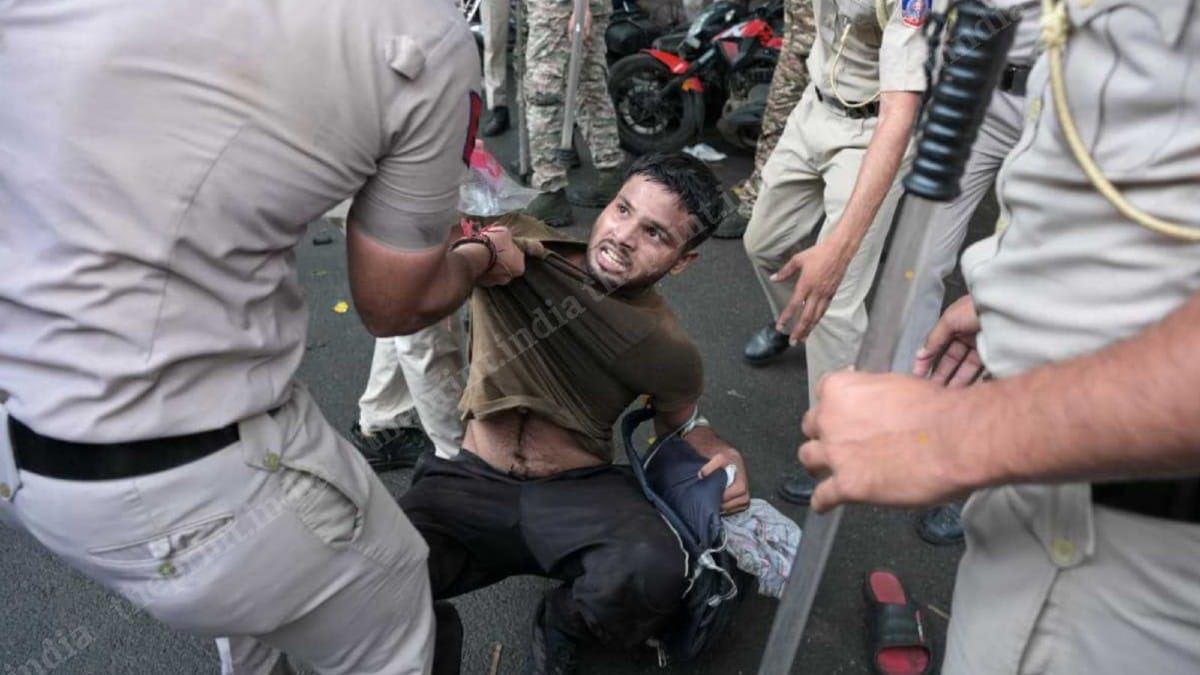
Protesters say police used too much force against them.
They have alleged the use of pellet guns, batons, sticks and tear gas.
The group will also examine claims involving women protesters and online harassment.
It will check whether injured people received medical help and compensation.
The group will preserve records such as CCTV, drone and body-camera footage.
Officials have also accused some protesters of attacking police and damaging public property.
The Delhi Police says it used force only after some protesters allegedly became violent and threw stones.

The Supreme Court has formed a five-member committee led by retired Justice R. Subhash Reddy.
The panel will examine alleged police and paramilitary use of pellets, electric batons, lathis and tear gas.
It will investigate allegations involving women protesters, online harassment, surveillance, injuries, medical aid and compensation.
The committee will also consider claims of protester violence against police and damage to public property.
The Delhi Police said force was used after parts of the crowd allegedly became violent and pelted stones.
- Who
- The Supreme Court-appointed committee, led by retired Justice R. Subhash Reddy, will examine allegations involving Cockroach Janta Party protesters, police and paramilitary personnel.
- What
- A five-member fact-finding committee has been established to investigate alleged police excesses and protester violence.
- Where
- The allegations concern protests at Jantar Mantar and related demonstrations in Delhi, Bihar and other parts of the country.
- When
- The committee was constituted on Thursday; the protests occurred during the previous month, with demonstrations beginning in June and a march reported on July 20.
- Why
- The Supreme Court is examining petitions alleging police brutality and seeking safeguards for peaceful protests, while also considering claims of violence against police and damage to public property.
Protesters and Petitioners
Police and Authorities
Use of force
Protesters and Petitioners
Protesters and petitioners allege that police and paramilitary personnel used disproportionate force, including pellet guns, lathis, batons and tear gas.
Police and Authorities
The Delhi Police says force was used only after parts of the crowd allegedly became violent and engaged in stone-pelting.
Conduct toward women protesters
Protesters and Petitioners
Petitions and circulated videos prompted allegations of violence, sexual assault, molestation and online harassment involving women protesters.
Police and Authorities
Authorities have raised counter-allegations about violence and public-property damage, while the committee is expected to establish the facts.
Accountability
Protesters and Petitioners
The CJP and petitioners have sought action against personnel accused of violating norms and broader safeguards for peaceful protests.
Police and Authorities
The Court said departmental action against police can proceed independently of the committee’s findings, while broader constitutional questions will be considered separately.
Key facts
- Committee chairperson
- Justice R. Subhash Reddy, a retired Supreme Court judge
- Other members
- Ravi Shankar Jha, Shalinder Kaur, Rishi Kumar Shukla and Dr. L.R. Bishnoi
- Appointing bench
- Chief Justice of India Surya Kant, Justice Joymalya Bagchi and Justice V. Mohana
- Alleged police actions
- Use of pellet guns, electric batons, lathi charges and tear gas
- Additional issues
- Treatment of women protesters, sexual assault allegations, online harassment, surveillance and social-media victimisation
- Records to preserve
- CCTV, drone, body-camera and PCR call records
- Other allegations
- Protester violence against police personnel and damage to public property
Sources

Related news

Supreme Court Forms Panel to Probe Police Action During Protests
Supreme Court Panel to Probe Force During NEET Protests

Supreme Court Panel to Probe Delhi NEET Protest Police Excesses
Pleas Seek Reconstitution of Panel Probing Police Excesses Against Protesters
Former SC Judge to Lead Probe Into Protest Police Excesses
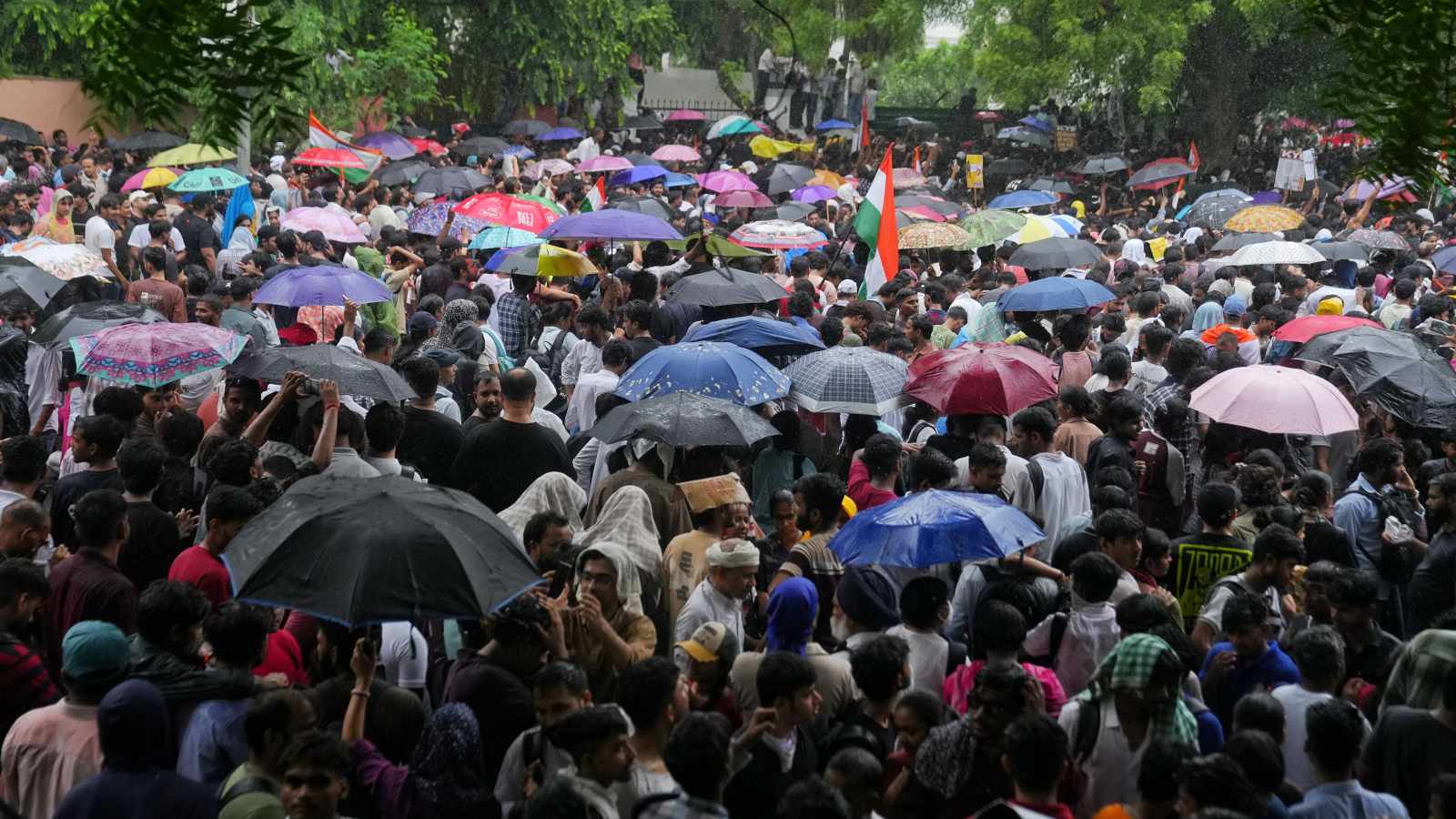
Former Supreme Court Judge to Lead Jantar Mantar Protest Inquiry
Two Years After RG Kar Doctor's Rape-Murder, Case Remains Unresolved

ED widens Chhattisgarh probes with two arrests and searches
Delhi High Court Orders Madhya Pradesh to Pay Advocate Dues
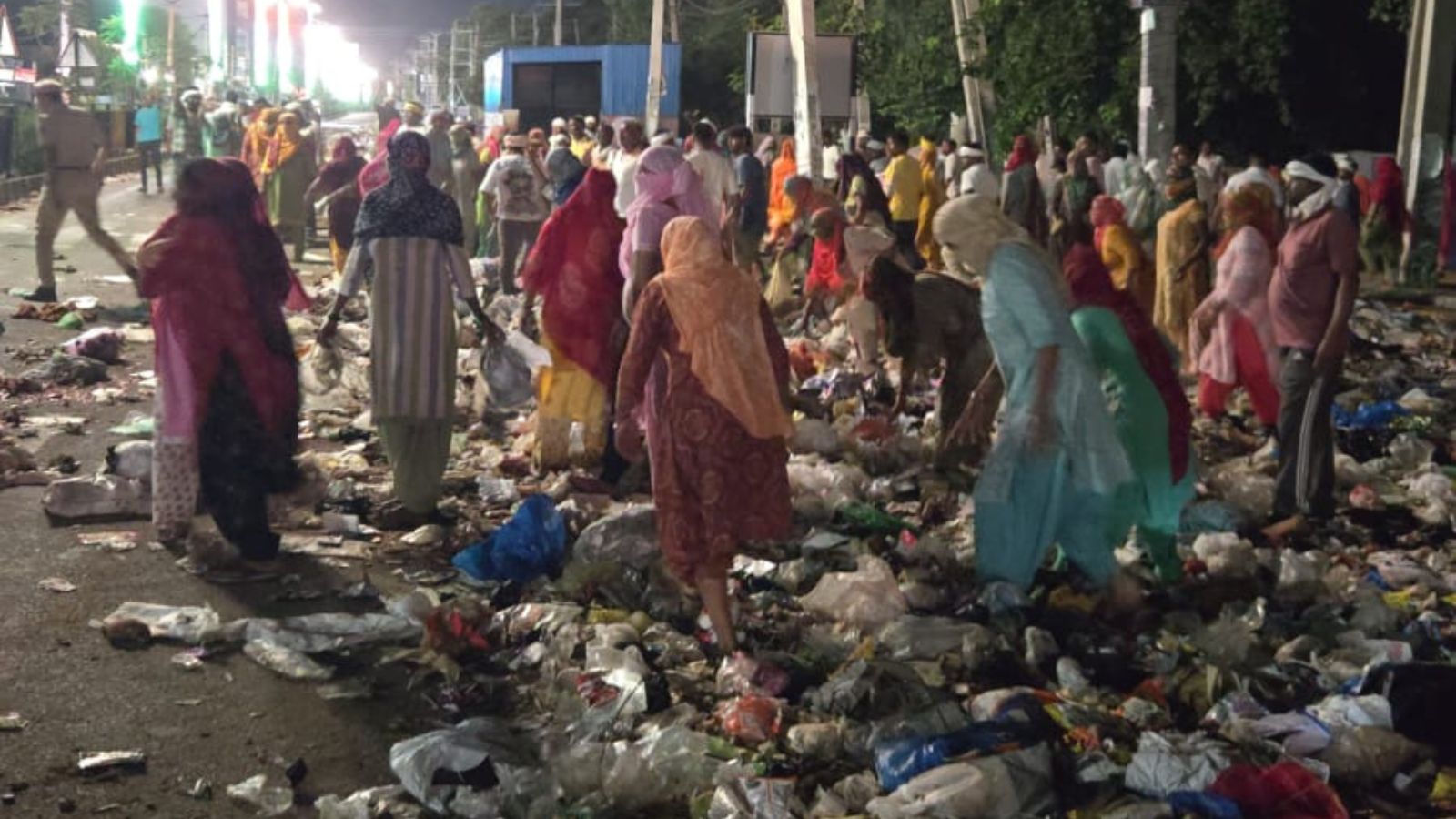
Haryana sanitation workers’ strike puts BJP government under pressure
Orissa High Court Says Brothel Customers Cannot Face Trafficking Charges