1 week ago
Supreme Court Panel to Probe Force During NEET Protests
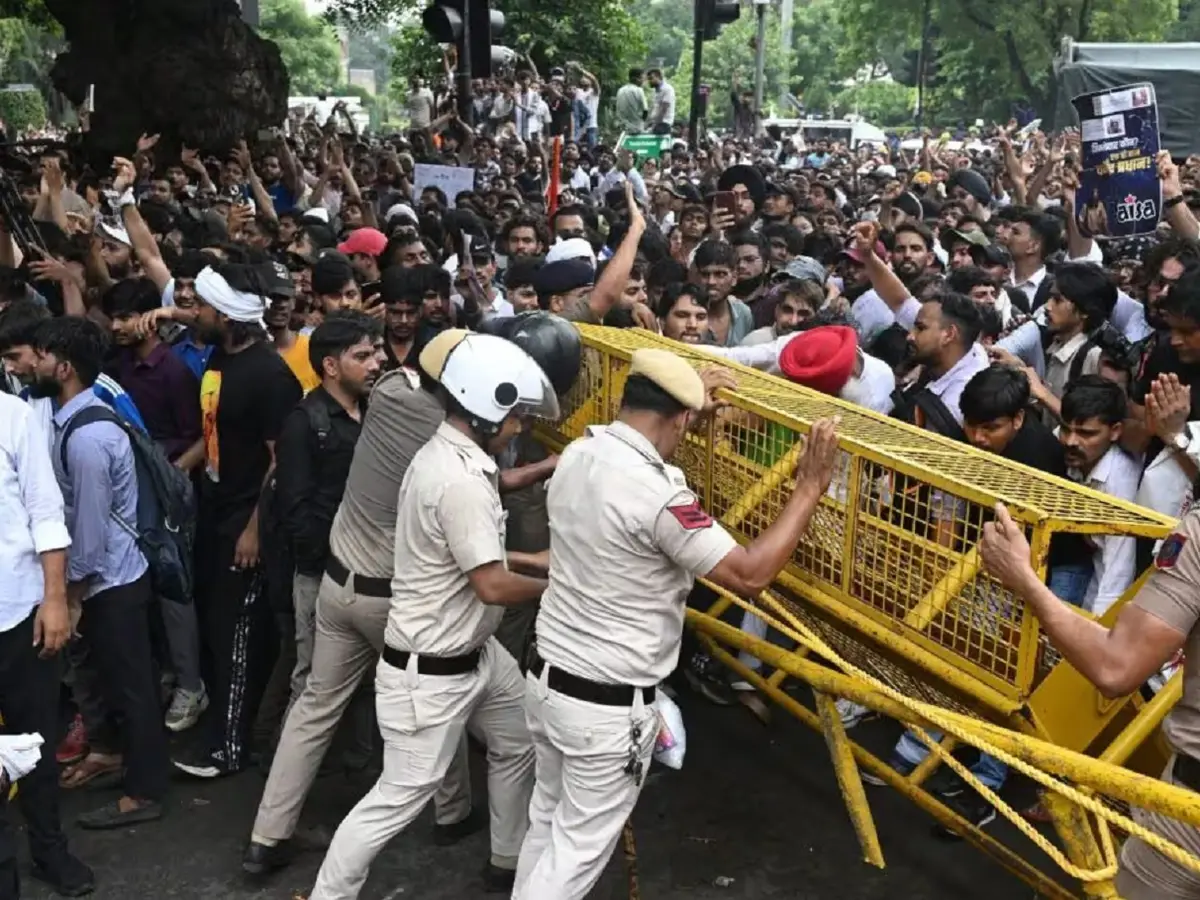
India’s Supreme Court has created a five-person team to investigate clashes during protests about an alleged NEET paper leak.
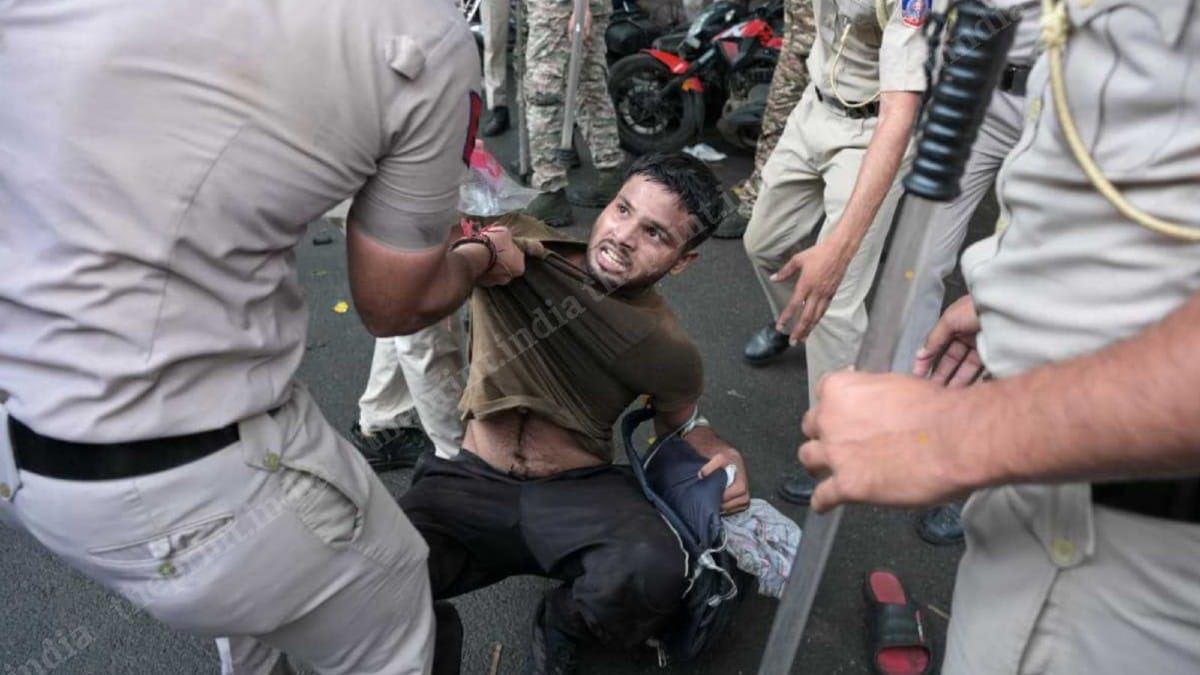
Protesters say police and other security forces may have used too much force.
The allegations include batons, tear gas, pellet guns and electric batons.
The team will pay special attention to claims involving harassment or molestation of women protesters.
It will also examine claims that protesters hurt police officers or damaged public property.
The team will check recordings and other evidence to understand what happened.
It will study whether police actions followed the law and whether officers could be identified.
The team will keep reporting its findings to the Supreme Court instead of investigating only once.

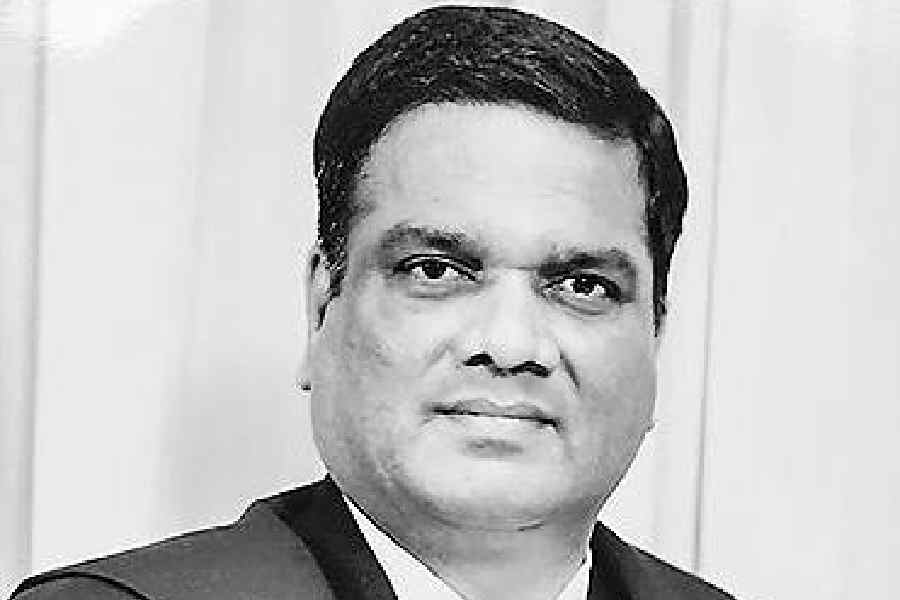
The Supreme Court established a five-member High-Powered Enquiry Committee led by former judge Justice R. Subhash Reddy.
The panel will investigate alleged excessive force, including pellet guns, electric batons, lathi charges and tear gas, against protesters.
It will prioritise allegations of targeted violence, harassment and molestation involving female protesters, as well as serious injuries.
The inquiry will also examine alleged violence against police, property damage, surveillance, officer identification and whether force was lawful and proportionate.
CCTV, drone, body-camera and PCR records must be preserved, while the committee conducts periodic assessments and considers compensation for injured people.
- Who
- The Supreme Court, its three-judge bench, the five-member committee, student protesters, police, paramilitary forces and other security personnel.
- What
- A continuing inquiry into alleged police excesses, violence and related conduct during protests over an alleged NEET paper leak.
- Where
- Jantar Mantar and other locations in Delhi, with some articles also referring to protests in other states.
- When
- The committee was constituted on a Thursday; the articles identify a major march as taking place on July 20 and refer to protests held the previous month.
- Why
- To determine whether force and surveillance were lawful and proportionate, investigate alleged abuses and injuries, preserve evidence, and assess competing claims involving protesters and authorities.
Protesters’ Rights and Accountability
Public Order and Security
Use of force
Protesters’ Rights and Accountability
Protesters allege that police, paramilitary forces and other security personnel used excessive or disproportionate measures, including lathi charges, tear gas, pellet guns and electric batons.
Public Order and Security
The Delhi Police said force was used only after parts of the crowd allegedly became violent and engaged in stone-pelting.
Conduct during demonstrations
Protesters’ Rights and Accountability
The inquiry will examine allegations of targeted violence, harassment, molestation, serious injuries and surveillance of protesters, particularly women.
Public Order and Security
Authorities’ allegations that protesters used violence against police and damaged public property will also be investigated.
Balancing rights and order
Protesters’ Rights and Accountability
The panel will assess privacy, peaceful assembly, officer identification and whether crowd-control actions complied with constitutional and legal protections.
Public Order and Security
The committee will consider how authorities can maintain law and order during protests while determining whether their measures were lawful and proportionate.
Key facts
- Committee size
- Five members
- Chair
- Former Supreme Court judge Justice R. Subhash Reddy
- Other members
- Ravi Shankar Jha, Justice Shalinder Kaur, former CBI Director Rishi Kumar Shukla and retired Meghalaya DGP L. R. Bishnoi
- Priority issues
- Targeted violence, harassment and molestation of female protesters, and serious injuries
- Evidence to preserve
- CCTV footage, drone recordings, body-camera footage and PCR call records
- Inquiry process
- Continuous and periodic assessments, with interim findings submitted to the Supreme Court
- Additional measures
- The panel may consider interim compensation for injured protesters and police personnel; the court also directed that detained minors be released except those facing serious or heinous charges
Quotes
Bench of Chief Justice Surya Kant and Justices Joymalya Bagchi and V Mohana
Supreme Court judges hearing the case
“The bench said, “This HPEC has been constituted bearing in mind a wide variety of considerations, including the individual expertise and experience of each of its members. “I am confident that the recommendations of the HPEC will be of invaluable assistance to this Court,””
 telegraphindia.com
 NDTV
NDTV
““This HPEC (High-Powered Enquiry Committee) has been constituted bearing in mind a wide variety of considerations, including the individual expertise and experience of each of its members, as well as the diversity of the Committee, among other factors.””
 wionews.com
NDTV
wionews.com
NDTV
Sources

Supreme Court Sets Up 5 Member Panel To Probe Police Excesses During Student Protests

NEET protest: Supreme Court sets up five-member panel to probe police excess allegations, violence

Supreme Court Forms Panel To Probe Police Action, Violence During NEET Protests
Supreme Court sets up 5-member committee to probe cops’ use of force, violence at NEET protests
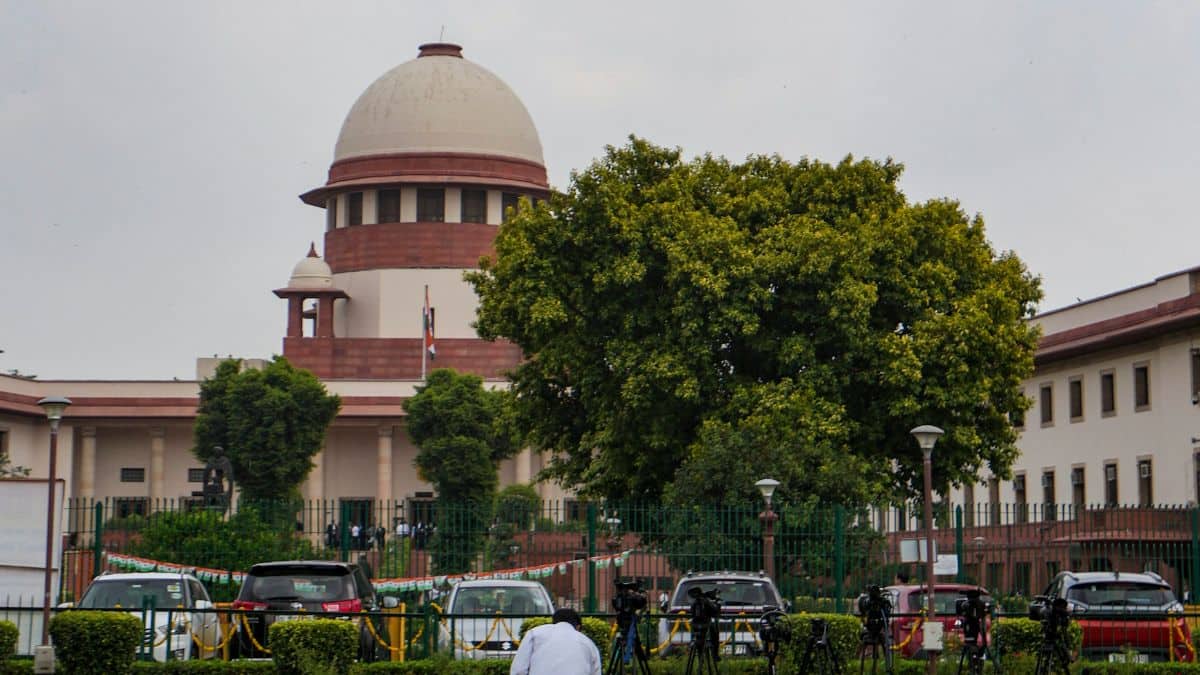
Supreme Court forms 5-member panel to probe police action against student protesters
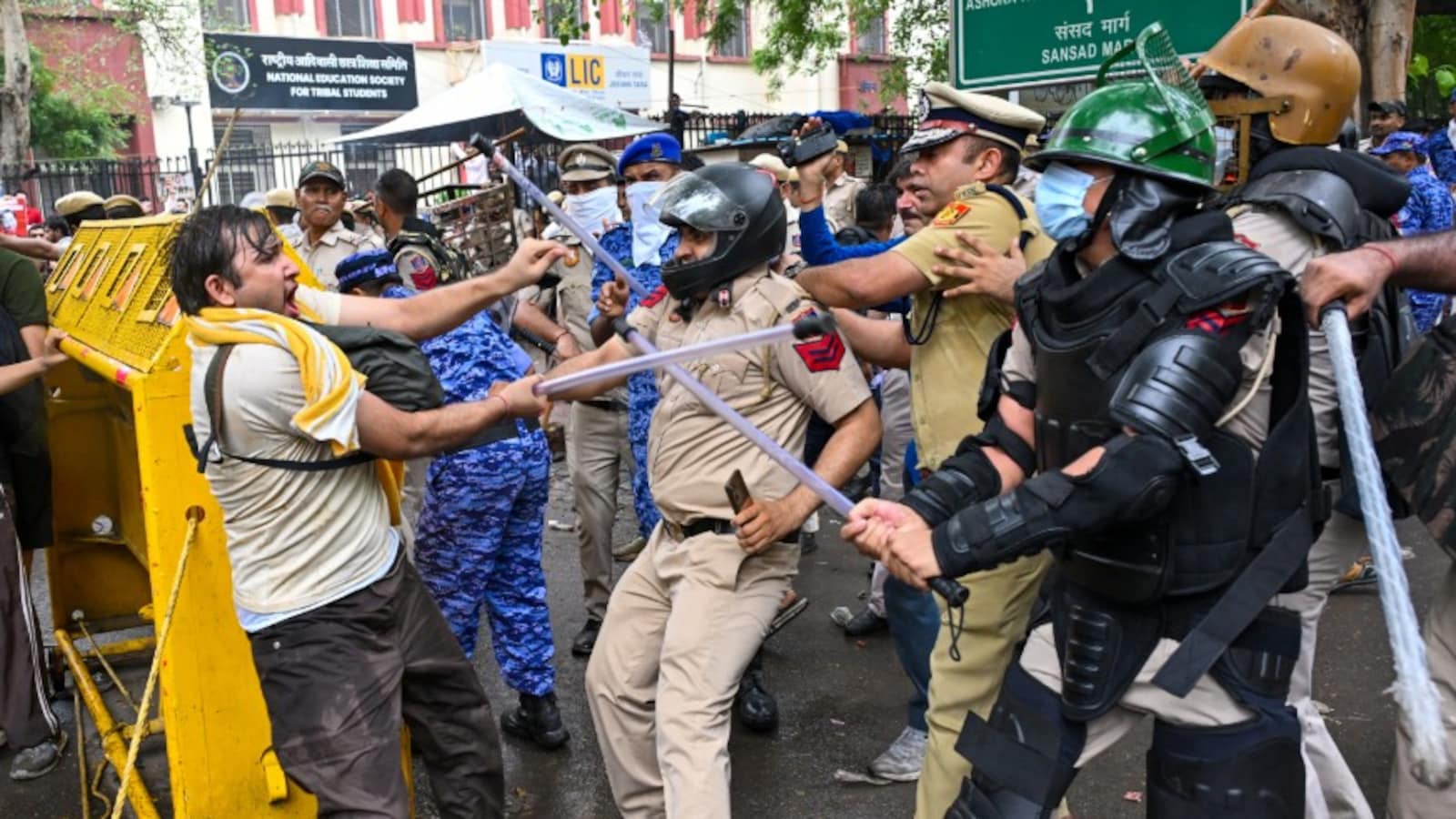
Supreme Court Sets Up Panel To Probe Cop Action, Violence During NEET Protests
Related news

Supreme Court Forms Panel to Probe Police Action During Protests

Supreme Court Panel to Probe Delhi NEET Protest Police Excesses

Supreme Court Forms Panel to Probe Jantar Mantar Police Excesses
Supreme Court Panel to Probe Police Excesses Against NEET Protesters
Former SC Judge to Lead Probe Into Protest Police Excesses
Pleas Seek Reconstitution of Panel Probing Police Excesses Against Protesters

Supreme Court Questions IPS Deputation for CAPF Leadership Positions

Supreme Court Quashes 20-Year Conviction, Reaffirms Juvenile Legal Protections
Two Years After RG Kar Doctor's Rape-Murder, Case Remains Unresolved

ED widens Chhattisgarh probes with two arrests and searches
Delhi High Court Orders Madhya Pradesh to Pay Advocate Dues