2 weeks ago
Supreme Court Panel to Probe Delhi NEET Protest Police Excesses

Students protested over allegations involving a NEET examination paper leak.
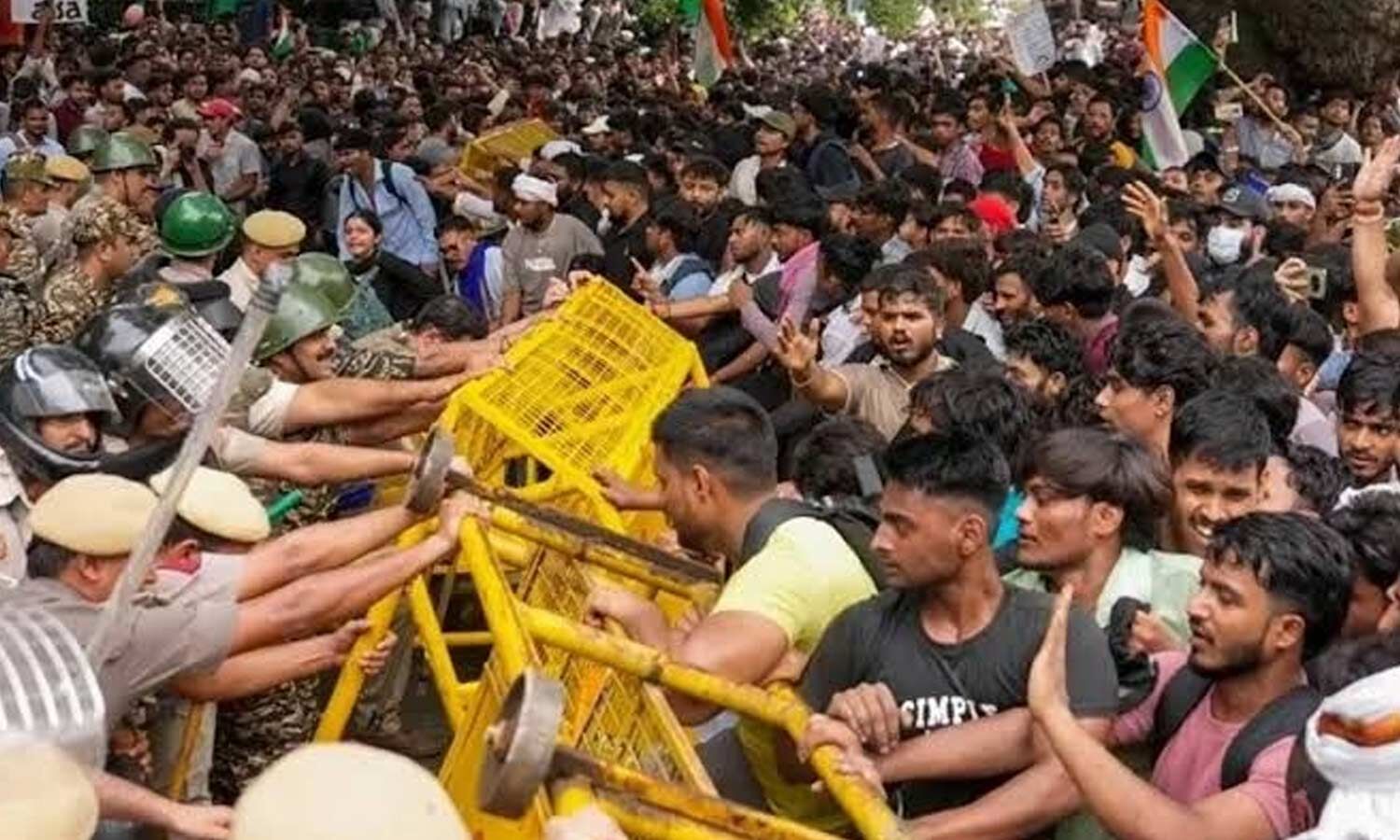
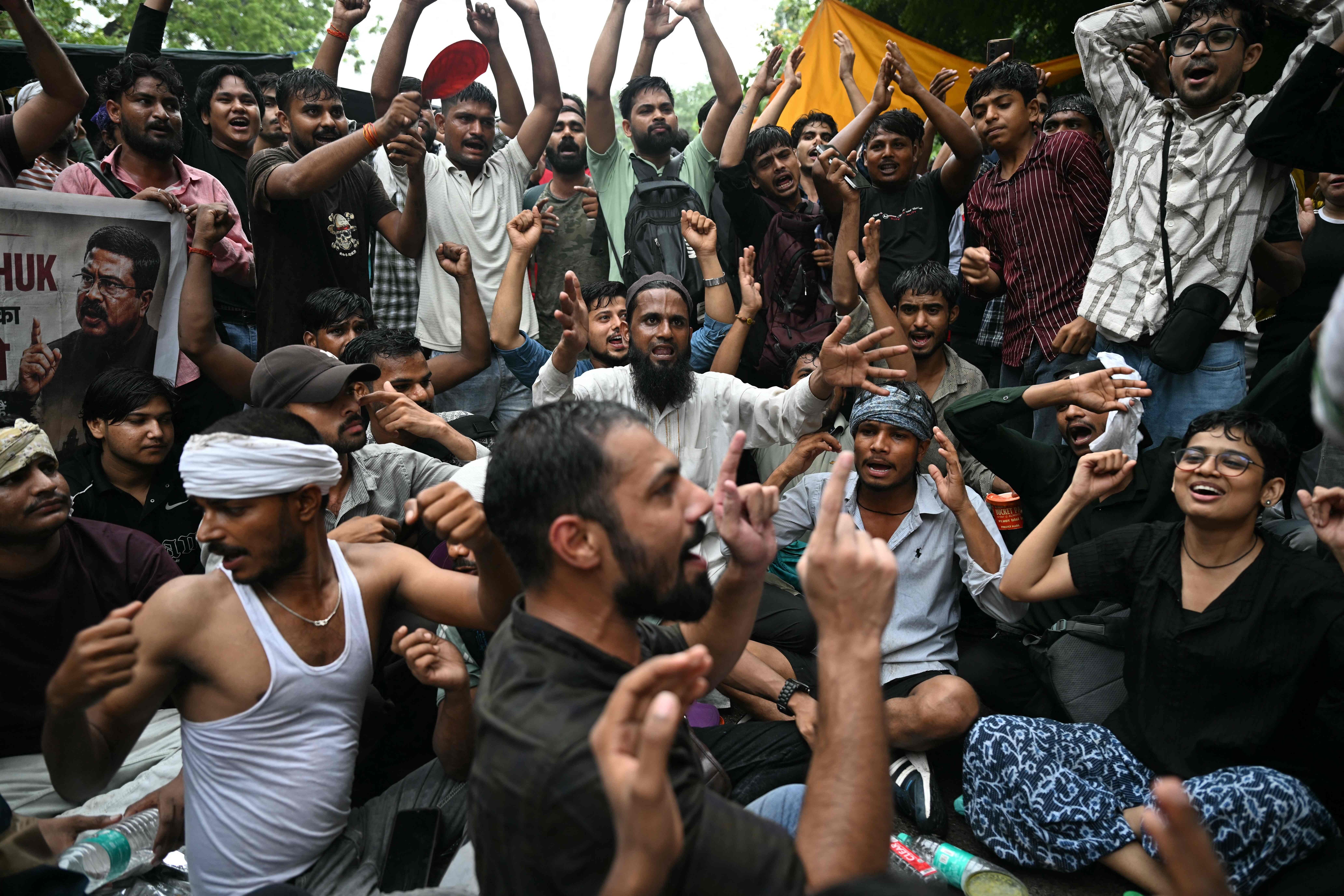
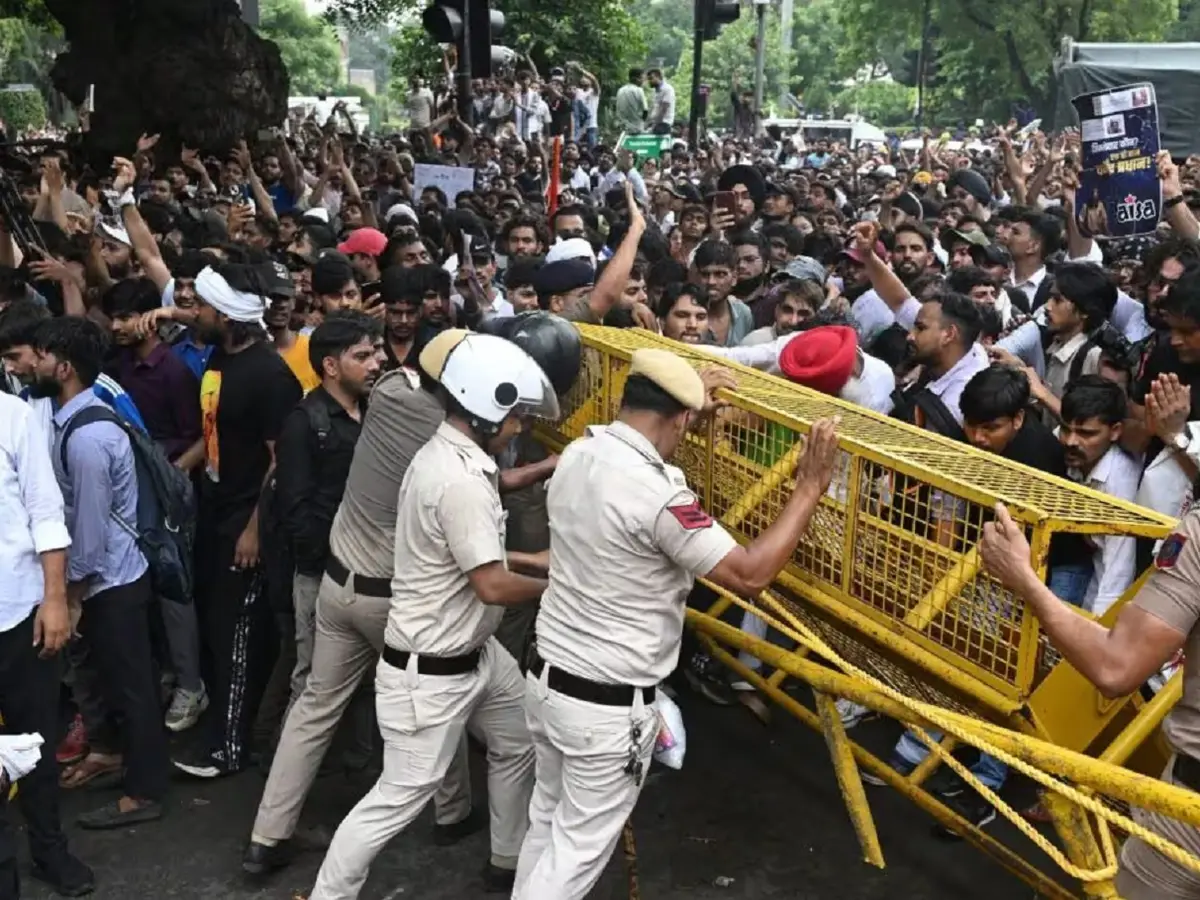
On July 20, a march toward Parliament in Delhi ended in clashes between protesters and security personnel.
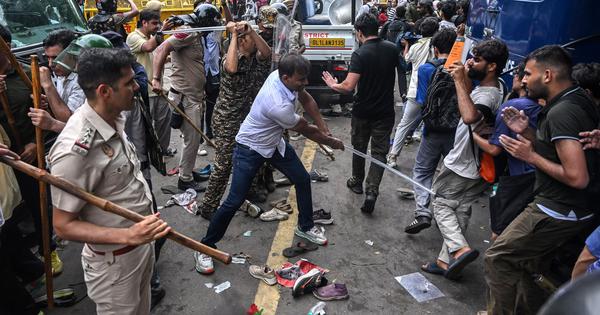
Petitioners said police used excessive force, including lathis, tear gas and pellet guns.
Some female protesters also made allegations involving sexual assault and online harassment.
The Supreme Court said it would create a committee to investigate what happened.
The committee will study videos, CCTV recordings and complaints.
The court is considering cancelling some cases filed against students.
It said cases involving people accused of grave and heinous offences could be treated separately.
Delhi Police denied using facial recognition to watch everyone at the protest site.

The Supreme Court will establish a high-powered committee to examine alleged police excesses during student protests in Delhi.
The panel will review videos, CCTV footage and allegations involving female protesters, including claims of sexual assault and online harassment.
The court is considering using Article 142 to quash some FIRs against student protesters, while treating grave and heinous offences separately.
The July 20 march toward Parliament involved clashes, with security personnel using lathis, tear gas and, according to petitioners, pellet guns.
The Union government cited more than 2,800 alleged anti-social elements, while Delhi Police denied conducting mass facial-recognition surveillance at Jantar Mantar.
- Who
- The Supreme Court bench led by Chief Justice Surya Kant, student protesters, the Union government, Delhi Police and petitioners.
- What
- The Supreme Court will form a committee to investigate alleged police excesses and violence during the Delhi protests, and may quash some FIRs against students.
- Where
- The main protest and march occurred in Delhi, including the route toward Parliament and the Jantar Mantar protest site. Alleged excessive force was also reported in Bihar during solidarity protests.
- When
- The committee was announced on Tuesday; the main Parliament march took place on July 20. Related court directions or clarifications were issued on July 28 and August 3.
- Why
- The court is examining allegations of excessive force, violence against security personnel, mistreatment of female protesters and the status of criminal cases against students.
Protesters and Petitioners
Government and Police
Use of force
Protesters and Petitioners
Petitioners allege that police used excessive force against protesters, including lathis, tear gas and pellet guns, causing injuries.
Government and Police
The government said more than 2,800 alleged anti-social elements with histories of heinous offences had been involved in or infiltrated the protests and violence against security personnel.
FIRs against students
Protesters and Petitioners
The court is considering quashing some FIRs because students have a constitutional right to peaceful protest and their futures may be affected.
Government and Police
The Centre indicated that cases against students without relevant criminal antecedents need not be pursued, while cases involving grave and heinous offences could be handled separately.
Facial-recognition technology
Protesters and Petitioners
Petitioners raised concerns that facial recognition may have been used for mass surveillance at Jantar Mantar.
Government and Police
Delhi Police denied mass surveillance, saying the system only identifies people with prior criminal records and that officers conduct field verification before taking action.
Key facts
- Proposed committee
- Reports describe a panel involving retired judges and senior retired police officials; one report also mentions a former DGP and an ex-CBI director.
- Bench
- Chief Justice Surya Kant and Justices Joymalya Bagchi and V Mohana.
- Protest date
- July 20
- Evidence
- Videos and CCTV or security-camera footage from the Parliament march will be handed to the committee.
- Possible court power
- The court is considering using its extraordinary powers under Article 142 to quash FIRs.
- Government account
- Solicitor General Tushar Mehta said police identified more than 2,800 alleged anti-social elements linked to the violence.
- Facial-recognition dispute
- Delhi Police said its system identifies people with prior criminal records, followed by field verification, and does not independently trigger action.
- Earlier directions
- The court directed on July 28 that detained minors be released and clarified on August 3 that criminal antecedents meant grave and heinous offences.
Quotes
Bench of Chief Justice Surya Kant, Justice Joymalya Bagchi and Justice V Mohana
Supreme Court judges hearing the case
“Police had identified more than 2,800 ‘anti‑social elements’, who had been involved in heinous offences in the past, as responsible for the violence during the July 20 protest.”
 thehansindia.com
“"No actions are taken solely based upon the result of the facial recognition system, which is only the first step to identify a person in the crowd who has a criminal record."”
 scroll.in
Sources

Related news

Supreme Court Forms Panel to Probe Police Action During Protests
Supreme Court Panel to Probe Force During NEET Protests

Supreme Court Forms Panel to Probe Jantar Mantar Police Excesses
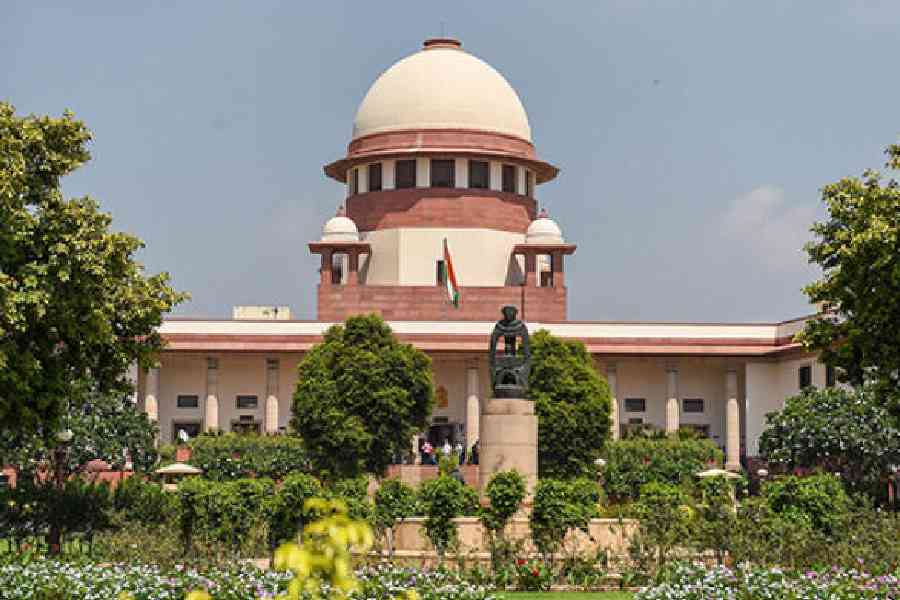
Pleas Seek Reconstitution of Panel Probing Police Excesses Against Protesters

Supreme Court Probe Examines Police Force Against NEET Protesters

Supreme Court Likely to Detail Jantar Mantar Protest Panel
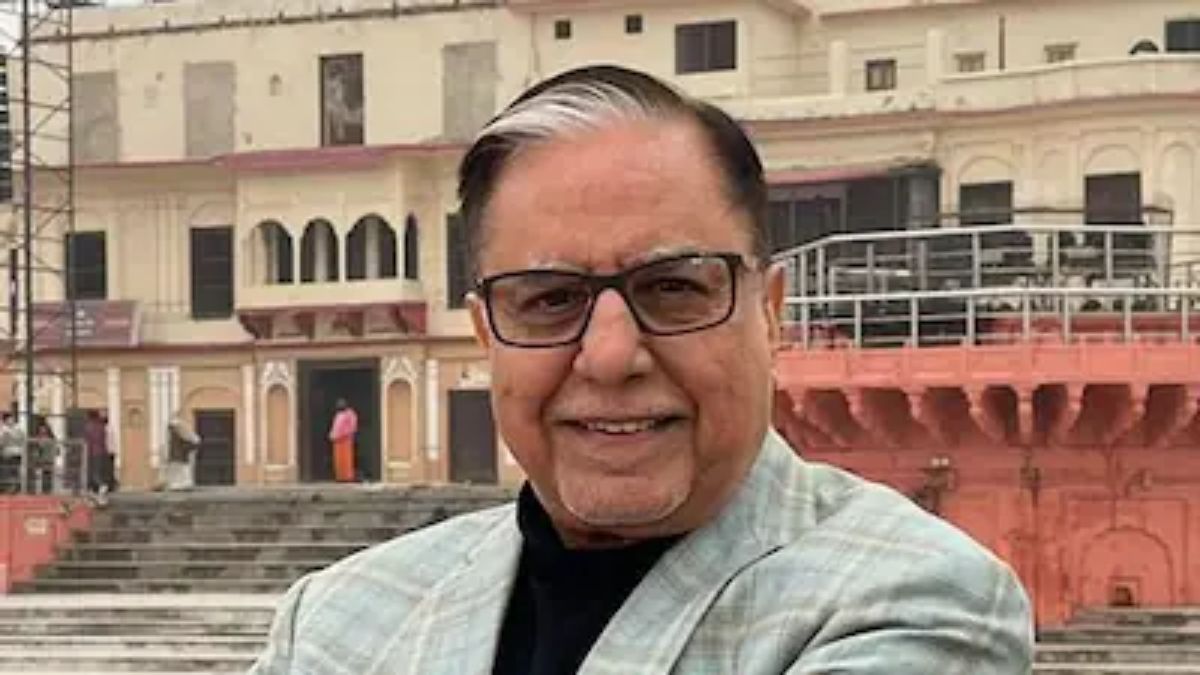
Subhash Chandra Challenges Five-Member NCLT Bench in Insolvency Case
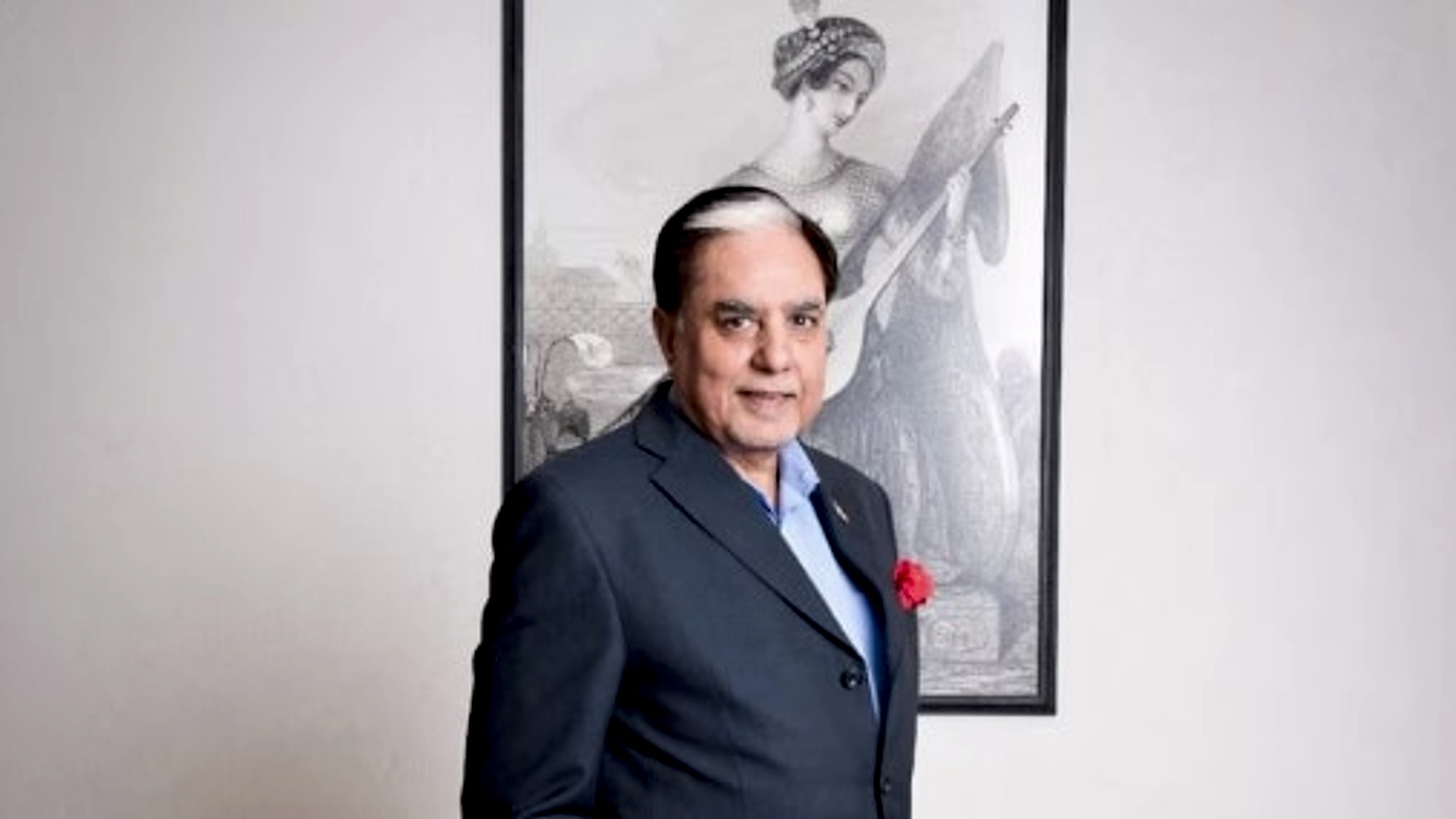
Subhash Chandra Challenges Five-Member Bench in Insolvency Case

Subhash Chandra Challenges NCLT Bench as NCLAT Appeal Waits
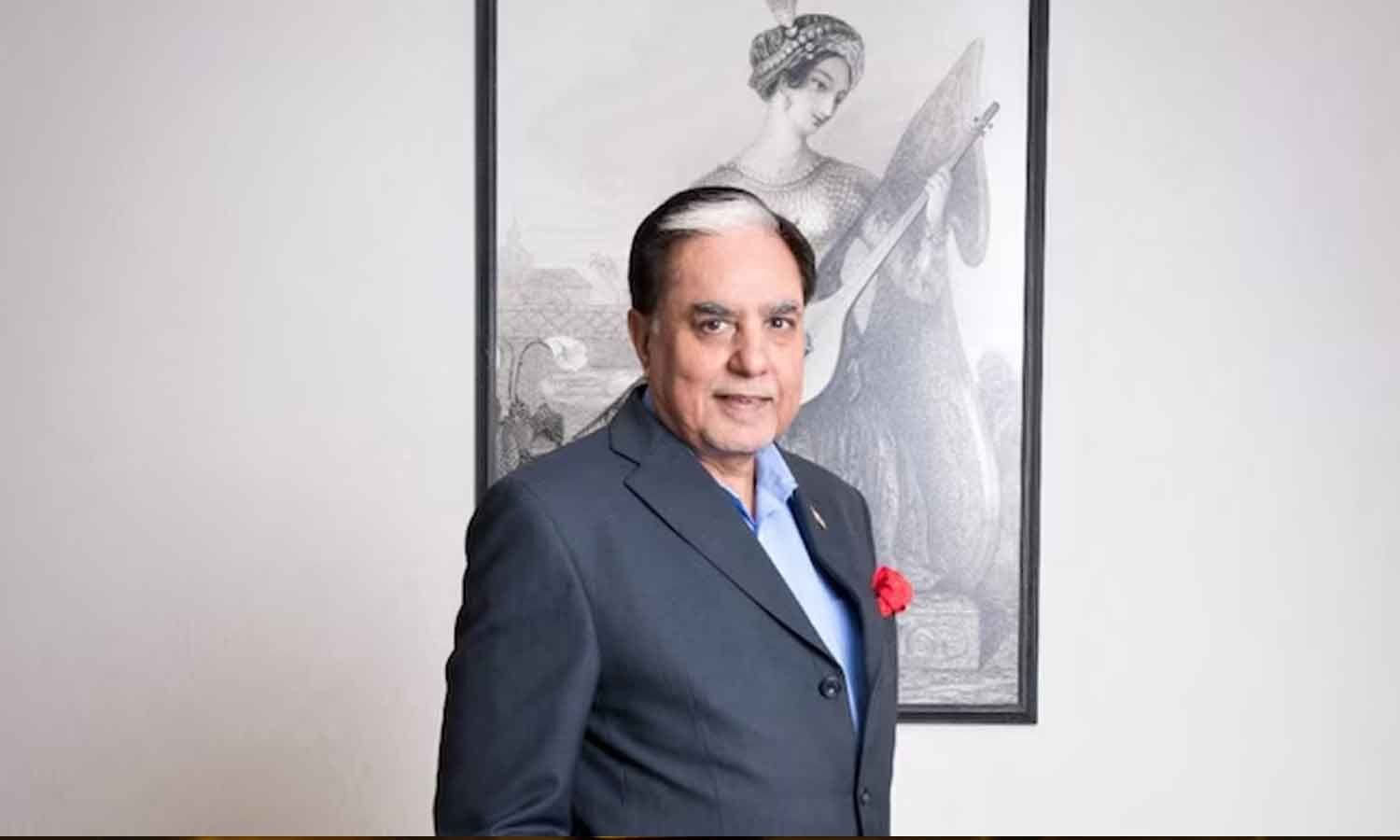
NCLT halts Subhash Chandra asset sale amid lender challenge
Supreme Court Closes Case After NCERT Withdraws Judiciary Chapter