

1 hr ago
Shinde Sena Challenges Shiv Sena’s 2018 Power Shift
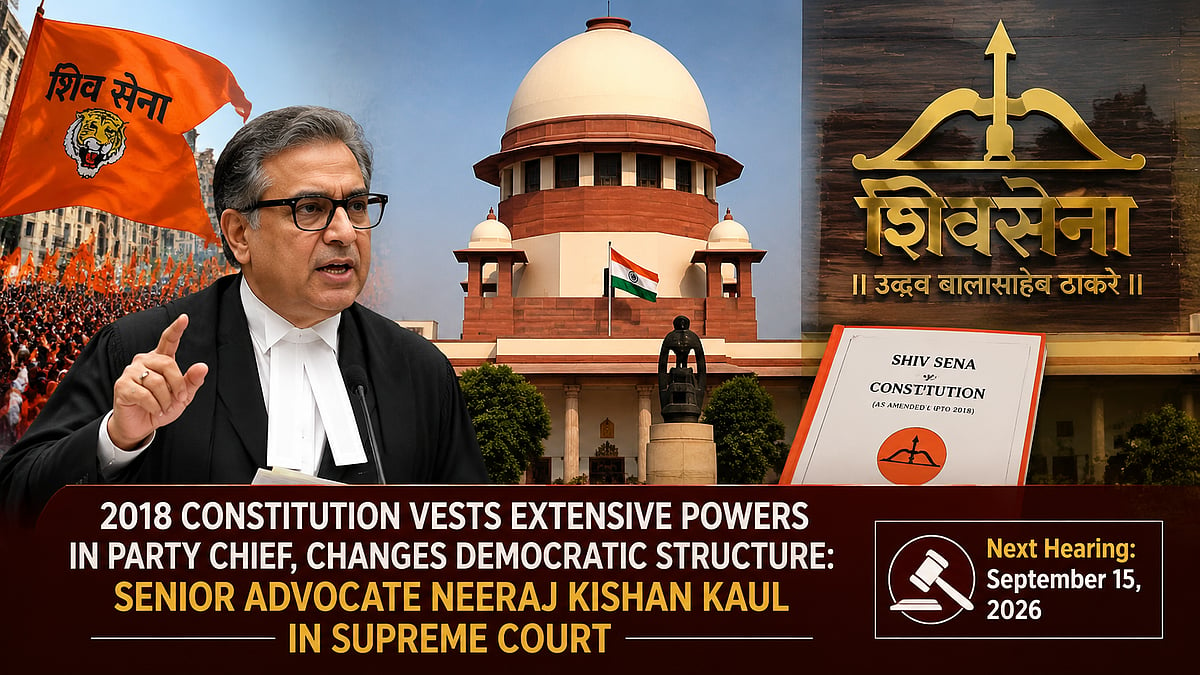
A lawyer for Eknath Shinde’s Shiv Sena spoke to the Supreme Court about the party’s rules.
He said the rules adopted in 2018 gave the party chief too much power.
He compared them with older rules that included elections inside the party.
In 1997, the Election Commission told recognised parties that they should elect their office-bearers.
Shiv Sena then held internal elections and adopted a more structured constitution in 1999.
The lawyer said the 2018 changes moved the party back toward one-person control.
The court is examining who had the authority to define the party’s structure and leadership.
The next hearing is set for September 15, 2026.

Senior advocate Neeraj Kishan Kaul said Shiv Sena’s 2018 constitution concentrated extensive powers in the party chief.
Kaul told the Supreme Court that the Election Commission had demanded internal democracy from recognised parties in 1997.
Shiv Sena subsequently held organisational elections in December 1997 and adopted a more structured constitution in 1999.
The Shinde faction argued that the 2018 amendments reversed those democratic changes and created a power centre around the party chief.
The Supreme Court’s next hearing in the matter is scheduled for September 15, 2026.
- Who
- Eknath Shinde’s Shiv Sena, represented by senior advocate Neeraj Kishan Kaul, and the Supreme Court.
- What
- The Shinde faction argued that Shiv Sena’s 2018 constitution shifted power to the party chief and weakened internal democracy.
- Where
- Before the Supreme Court; the article identifies the dispute as involving Shiv Sena in Mumbai.
- When
- The arguments were presented on Wednesday; the next hearing is scheduled for September 15, 2026. The article does not specify the date of Wednesday’s hearing.
- Why
- The argument concerns which constitution, organisational structure and office-bearers should define Shiv Sena, and whether the 2018 amendments complied with internal-democracy requirements.
Key facts
- Advocate
- Neeraj Kishan Kaul represented Eknath Shinde’s Shiv Sena.
- 1997 Election Commission position
- Recognised political parties were expected to have elected office-bearers and hold periodic organisational elections.
- 1997 Shiv Sena elections
- Shiv Sena informed the Election Commission that it had held organisational elections in December 1997.
- National Executive
- A 14-member National Executive was elected for five years.
- 1999 constitution
- The subsequent constitution introduced a more structured organisational framework with elected elements.
- 2018 amendments
- The Shinde faction said the amendments gave extensive powers to the party chief and created a power centre around that office.
- Next hearing
- September 15, 2026
Sources
Related news

Supreme Court questions Shiv Sena constitution, calls it 'one-person structure'

Supreme Court: Majority Legislators Cannot Overrule Party's Will
Uddhav faction tells Supreme Court disqualification pleas must come first
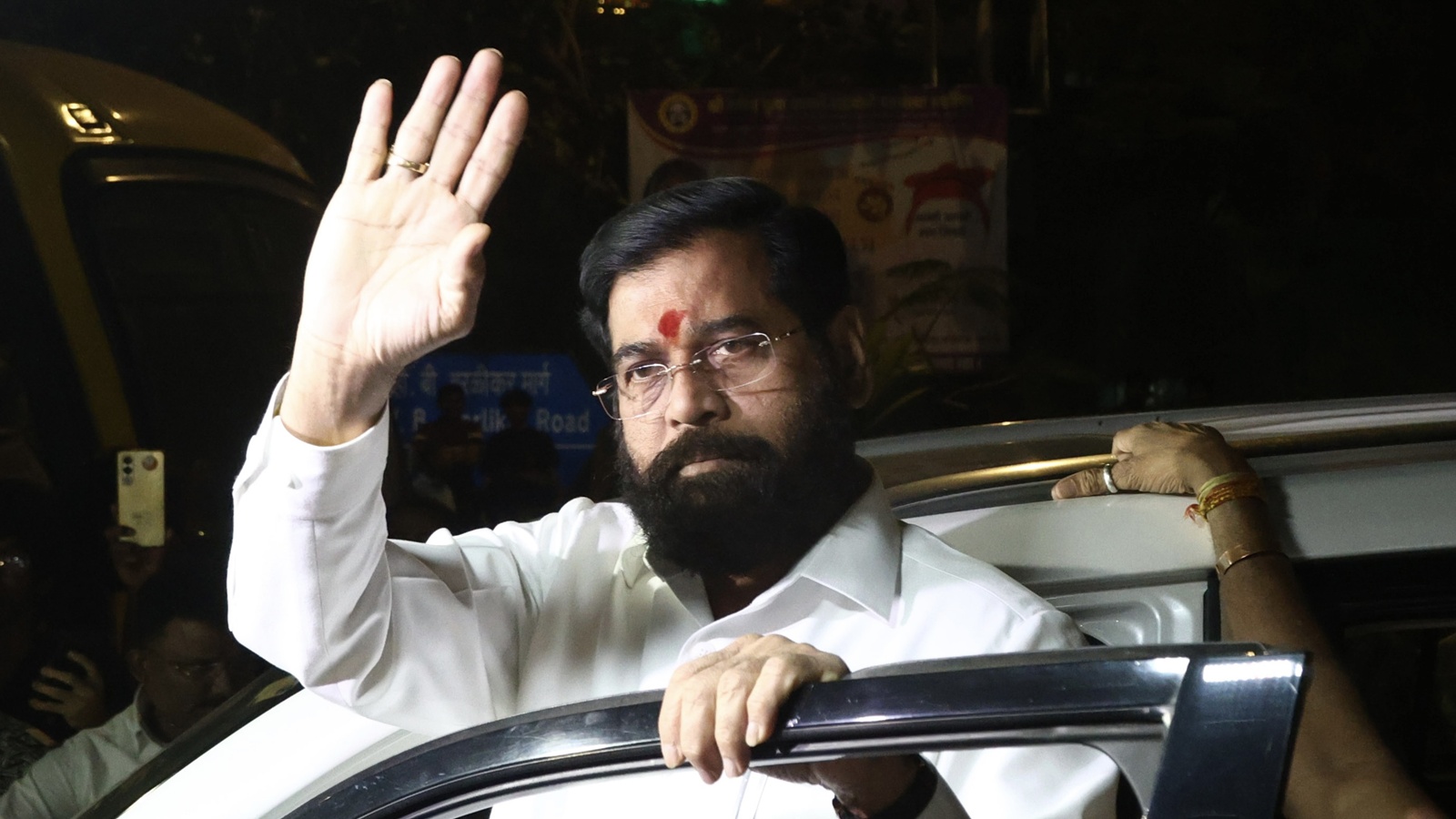
Supreme Court Seeks Clarity on Majority Amid Shiv Sena Split
Thackeray Faction Tells Supreme Court Shinde Camp Reaps Defection Benefits

Duniya Vijay's Son Accused in Bengaluru Student Assault Case

How Bal Thackeray Helped Save Khal Nayak’s Release
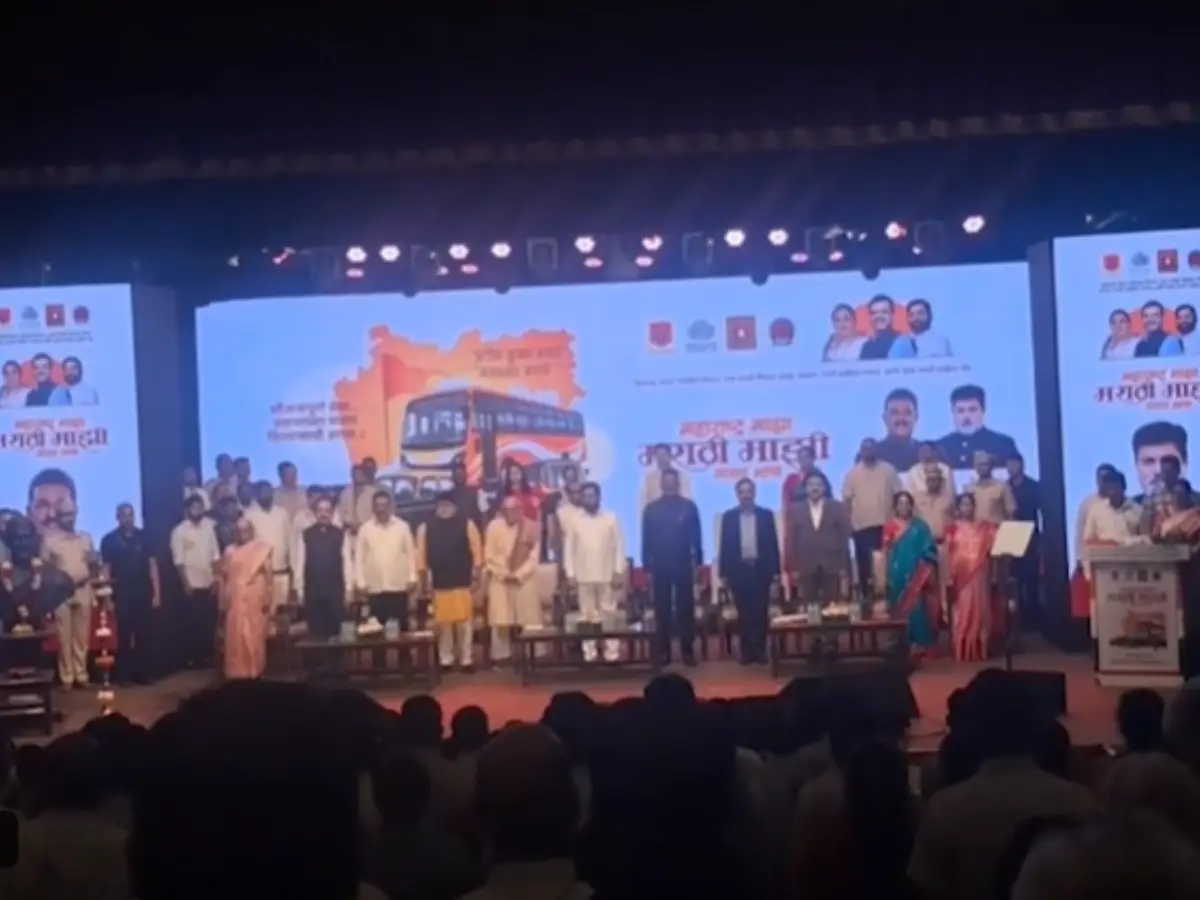
Lata Mangeshkar's Vande Mataram accidentally played at Shinde event
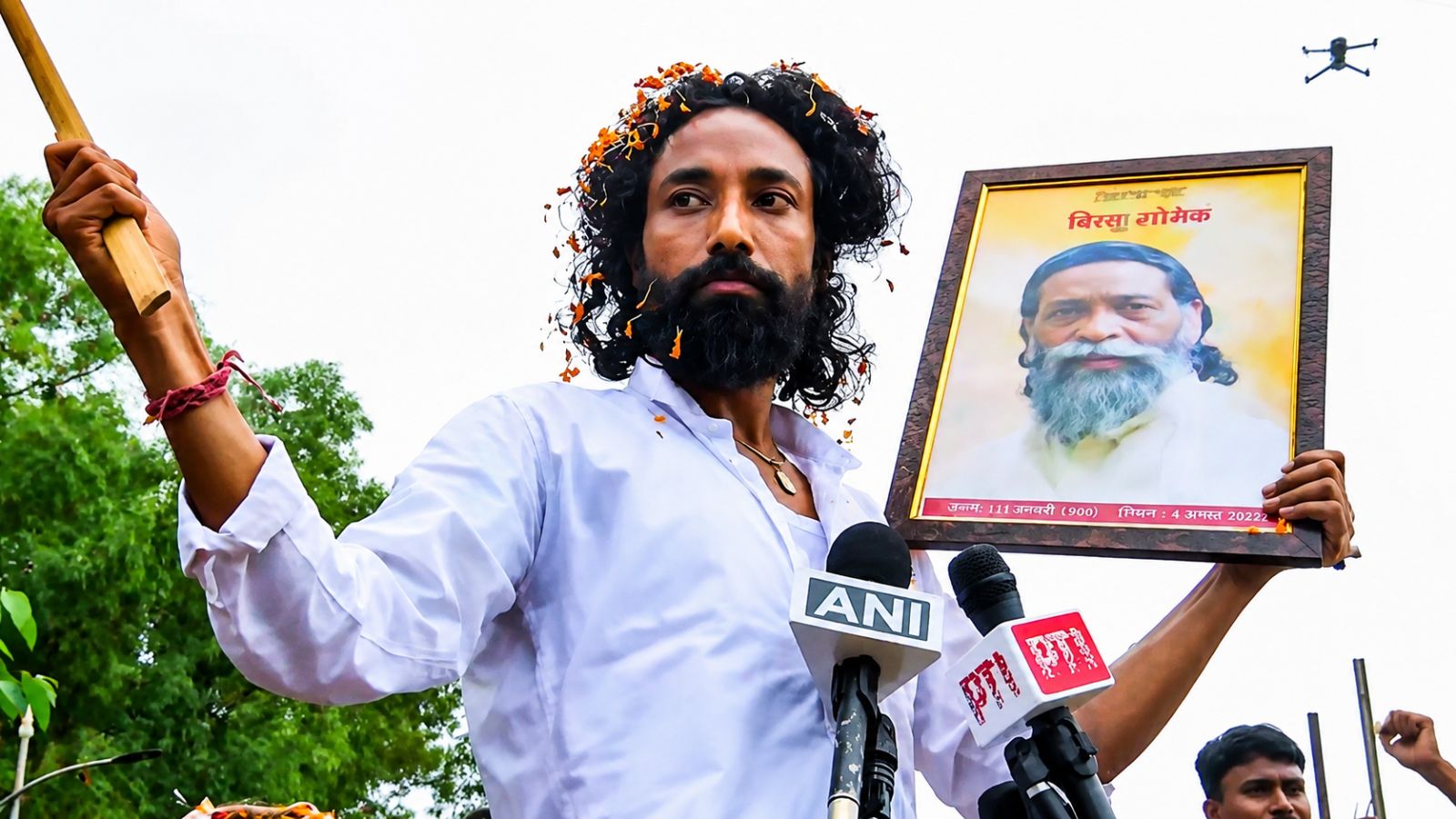
Why Jharkhand protesters invoke Shibu Soren against son Hemant
