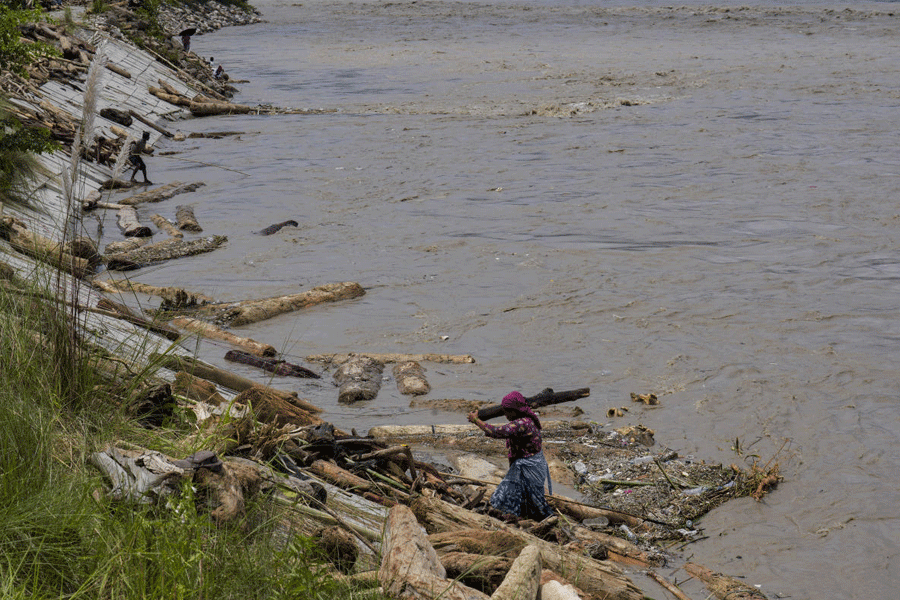
6 days ago
Nepal Flash Floods: How Ice-Rock Avalanches Become Destructive Slurries
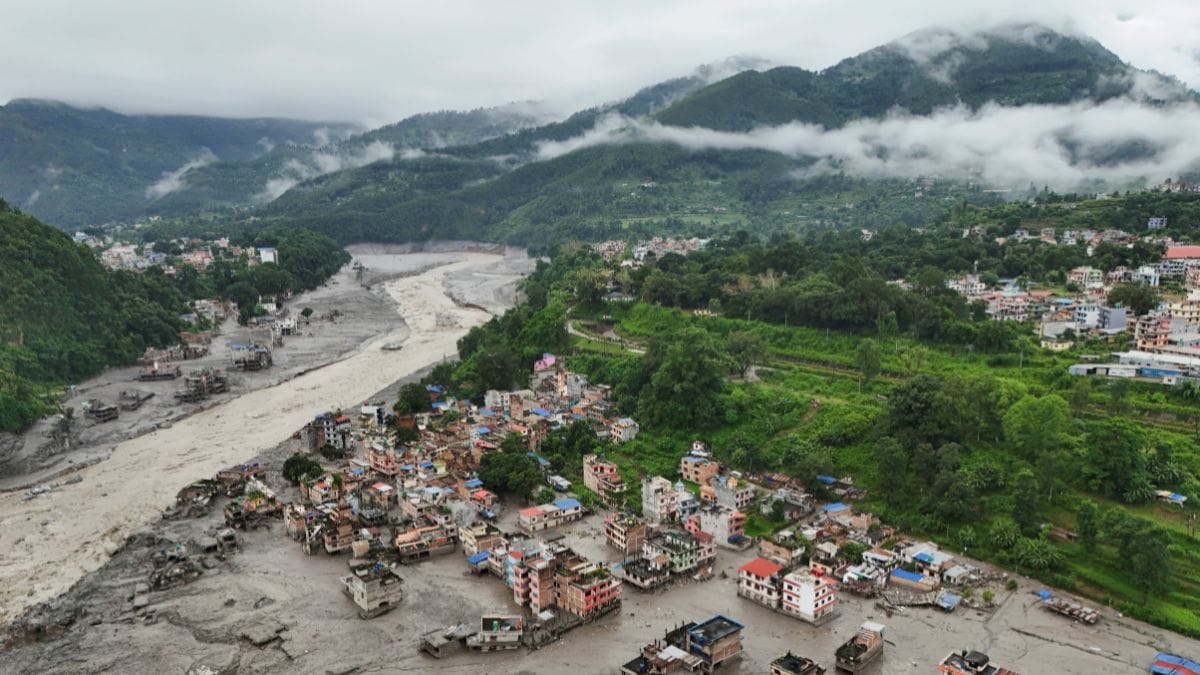
An ice-rock avalanche is a fast-moving mixture of ice, rocks, soil and water.
It can begin as a solid mass sliding down a mountain.
As the rocks and ice crash together, some ice can melt because of the heat from friction.
Water from streams can also join the moving mass.
The water works like a lubricant, helping the rocks slide more easily.
The avalanche can pick up more dirt, rocks and other material along the way.
This makes it bigger, heavier and more powerful.
It can then flow like thick wet concrete and damage things in its path.
Nepali authorities said such an avalanche may have helped cause the flash floods along the Bhote Koshi River.

Nepali authorities said an ice-rock avalanche may have triggered devastating flooding along the Bhote Koshi River.
The avalanche can gain fluid-like behavior as frictional heat partly melts ice and creates water within the moving mass.
Water from streams and the valley floor reduces friction, while the avalanche collects rocks, soil, ice and sediment.
Erosion can increase an avalanche’s volume, mobility and impact force, according to cited researchers.
Floods in Nepal’s Rasuwa district left hundreds missing, including foreign and Indian nationals, while India prepared for downstream effects.
- Who
- Nepali authorities reported a possible ice-rock avalanche; hundreds of people, including foreign and Indian nationals, were reported missing.
- What
- Devastating flash floods occurred after what authorities described as a possible glacial collapse or ice-rock avalanche.
- Where
- Nepal’s Rasuwa district and areas along the Bhote Koshi River; downstream effects may extend through Nepal’s Kosi River network toward northern Bihar in India.
- When
- Wednesday; the article does not provide a specific date.
- Why
- Authorities said a glacial collapse may have triggered the flooding, though the article presents the cause as possible rather than confirmed.
Key facts
- Affected river
- Bhote Koshi River
- Reported location
- Rasuwa district, Nepal
- Possible trigger
- A glacial collapse producing an ice-rock avalanche
- Missing people
- Hundreds, including foreign and Indian nationals
- Avalanche behavior
- Friction can partly melt ice, while added water reduces friction and increases fluidity
- Material collected
- Rock, soil, ice, loose sediment and valley-floor debris
- Downstream concern
- The Bhote Koshi joins the Sun Kosi and the wider Kosi River network before entering India near Bhimnagar in northern Bihar
Quotes
The cited study
Researchers whose study examines the dynamics of ice-rock avalanches.
“The dynamics that distinguish these types of flows from other geophysical flows are the ice melting. This process is responsible for mass and momentum transfers between the solid and liquid components of the mixture and for the effects of lubrication and fluidisation that reduce the mixture strength.”
 theprint.in
Shiva P Pudasaini and Michael Krautblatter
Researchers cited for their work on landslide mobility and erosion.
“Erosion can significantly increase the destructive power of a landslide by amplifying its volume, mobility and impact force.”
theprint.in
Sources
Related news
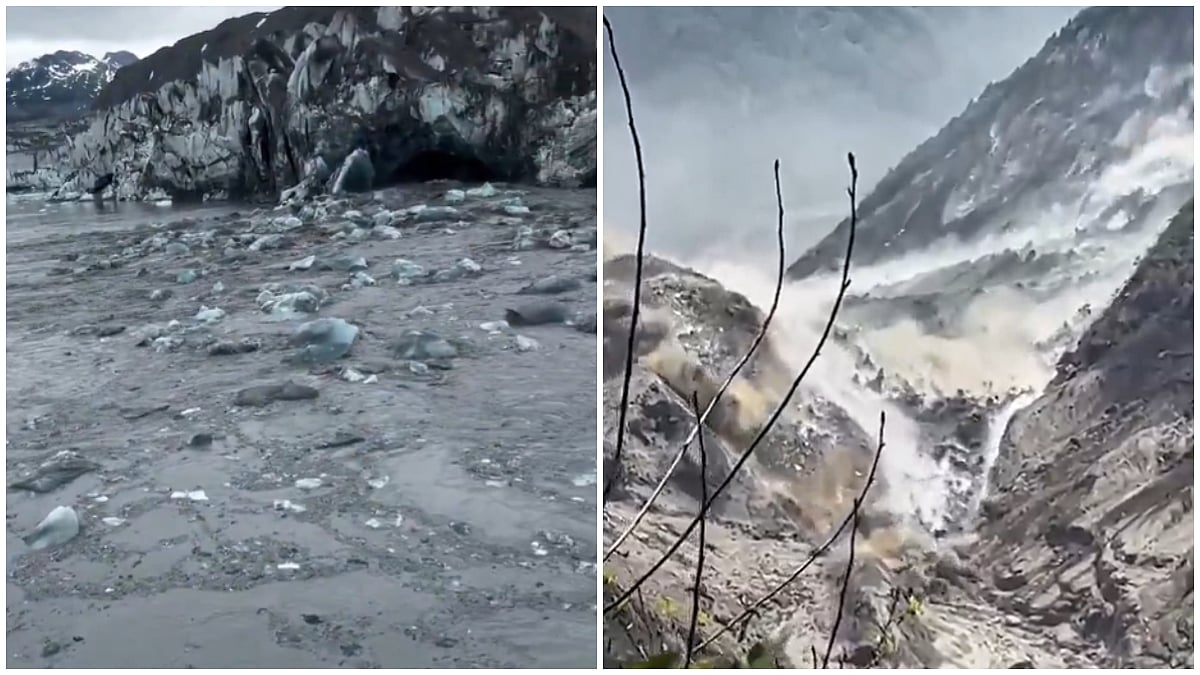
Scientists Link Nepal's Deadly Floods to 5,200-Metre Ice-Rock Avalanche
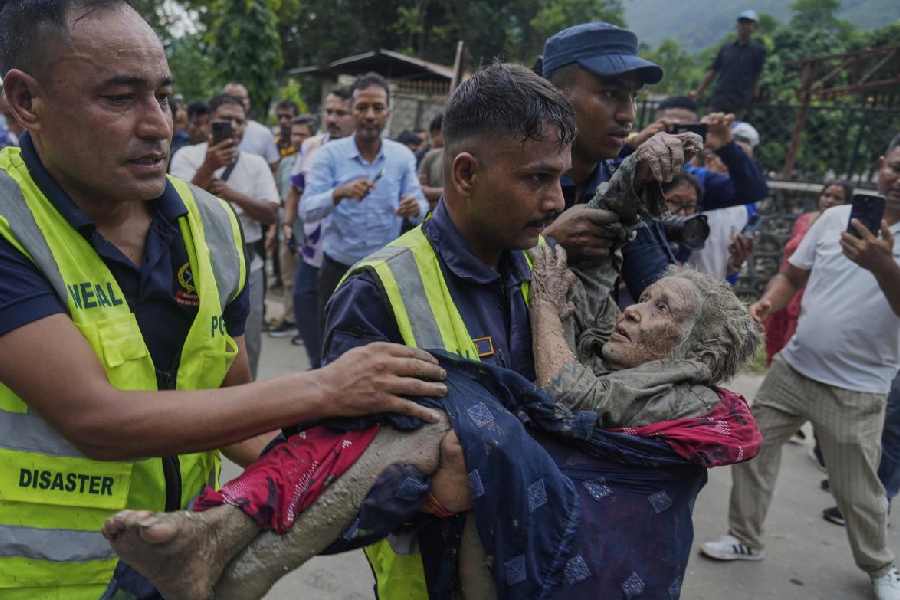
Nepal Avalanche Floods Echo Chamoli With Greater Downstream Impact

Scientists Link Nepal Floods to Possible Ice-Rock Avalanche
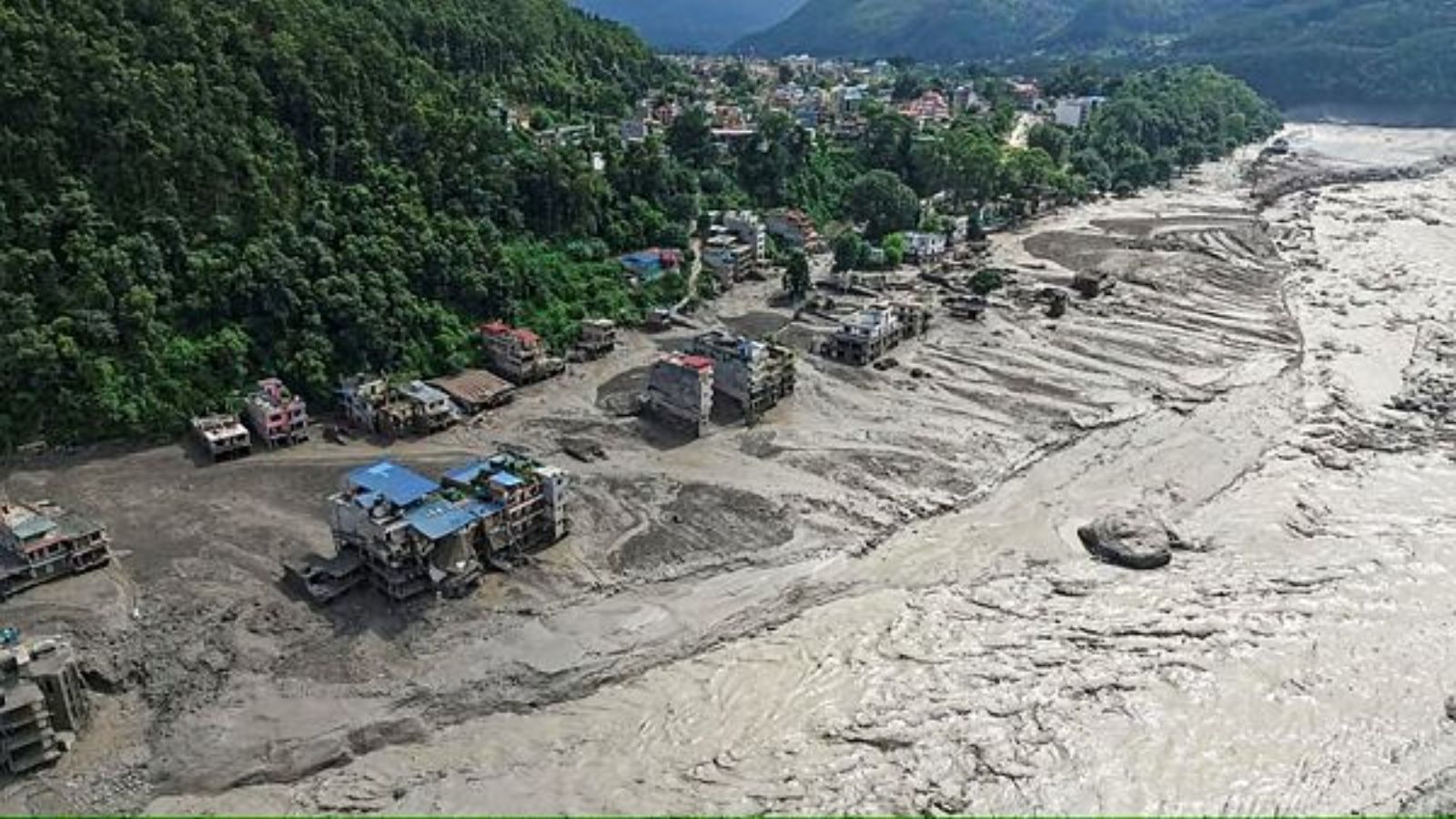
Scientists Suspect Ice-Rock Avalanche Triggered Deadly Nepal Floods

Nepal Flood May Have Begun With Border Ice Avalanche
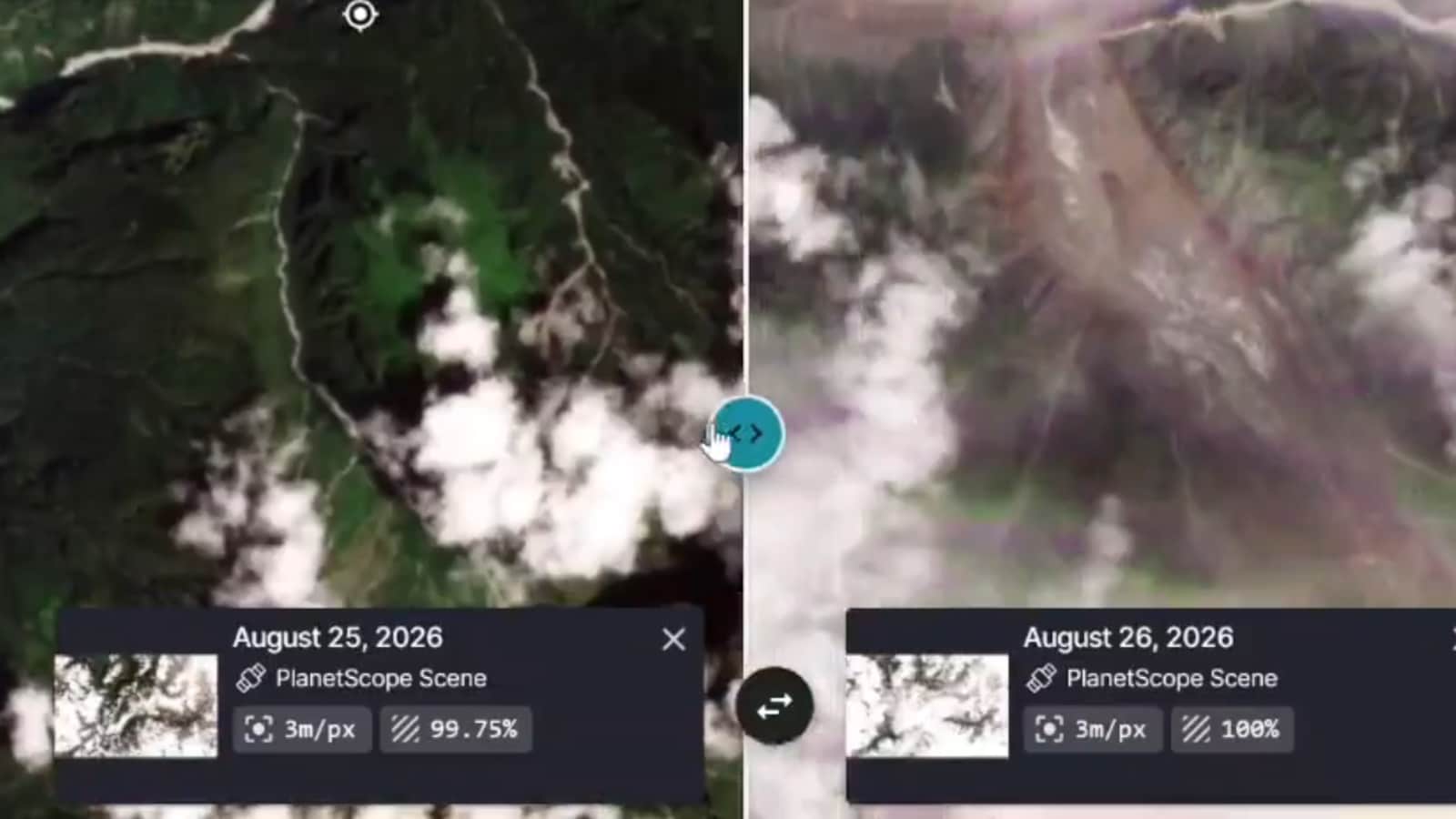
Satellite Images Reveal Possible Cause of Devastating Nepal Floods