3 weeks ago
Gen Z Protest: Harbinger of Political Transition in South Asia

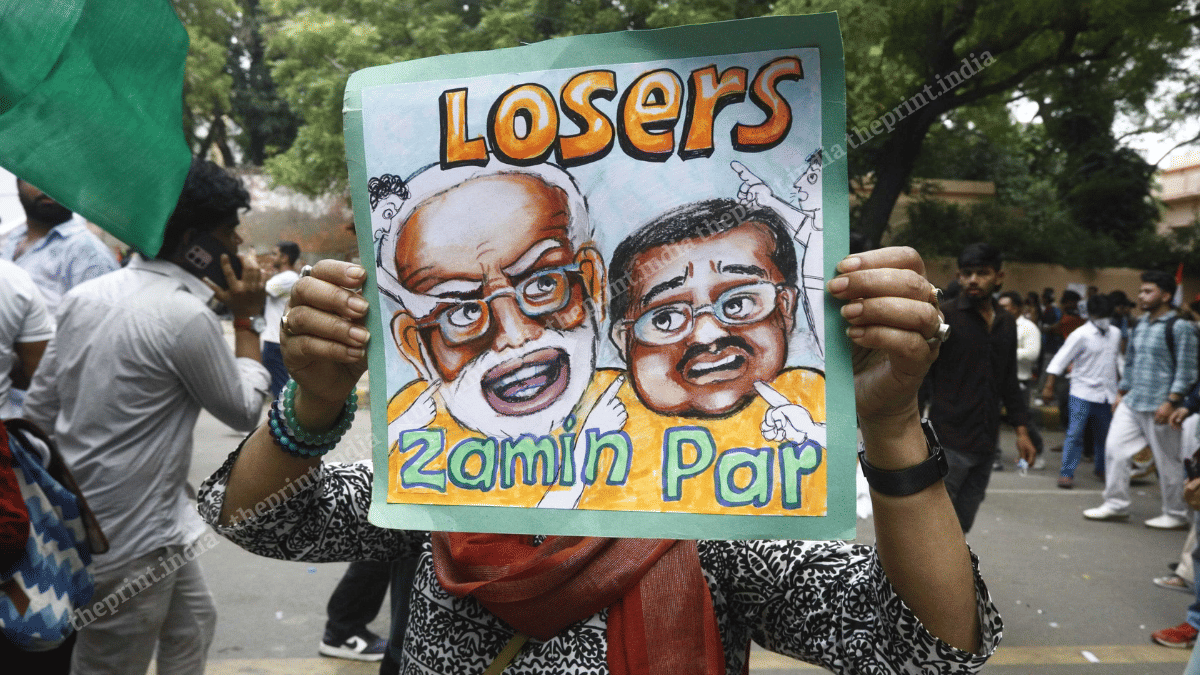
Young people called Generation Z have started big protests in South Asia.
These protests are different from older ones.
In the past, protests were organized by groups like unions or political parties.
Now, young people organize using phones and social media.
There is no single boss or leader of the movement.
That makes it hard for governments to stop it.
The young people care about things like jobs, fairness, and honesty from leaders.
Some people worry that protests alone cannot build better governments.
It is not clear yet what will happen next.

A Gen Z-led protest movement has emerged in South Asia without a singular ideological headquarters, supreme leader, or conventional organizational structures.
The movement is organized through horizontal digital networks, with social media serving as its organizational infrastructure rather than just a publicity tool.
Unlike earlier movements led by trade unions, student federations, and political parties, Gen Z's politics are issue-driven rather than party-driven.
The absence of identifiable leadership makes the movement difficult for states to suppress or negotiate with, complicating both repression and accommodation.
Analysts warn that spontaneous digital mobilization may struggle to transition from protest to governance, with possible outcomes including institutional reform, political realignment, cyclical mobilization, or fragmentation.
- Who
- Generation Z protesters across South Asia
- What
- A decentralized, leaderless protest movement organized through horizontal digital networks and social media that is challenging traditional political structures
- Where
- South Asia
- When
- Not specified in the article; described as a contemporary political development in South Asia
- Why
- To demand transparency, accountability, employment, dignity, and institutional fairness from political establishments
Key facts
- Movement
- Gen Z-led protest mobilization in South Asia
- Organizational structure
- Horizontal digital networks; social media as organizational infrastructure
- Leadership
- Distributed, with no singular supreme leader or ideological headquarters
- Demands
- Transparency, accountability, employment, dignity, and institutional fairness
- Political orientation
- Issue-driven rather than party-driven
- State challenge
- Lack of identifiable leadership complicates both repression and accommodation
- Possible outcomes
- Institutional reform, political realignment, cyclical mobilization, or fragmentation
- Source
- SubscriberWrites opinion piece by Partha Debnath, published by ThePrint (not fact-checked)
Sources
Related news
Bangladesh’s Revolution Exposed the Challenge of Rebuilding the State
After 36 Days, Cockroach Movement Leaves Government Facing Youth Discontent
Gen Z Is Reshaping Workplace Authority Through Legitimacy
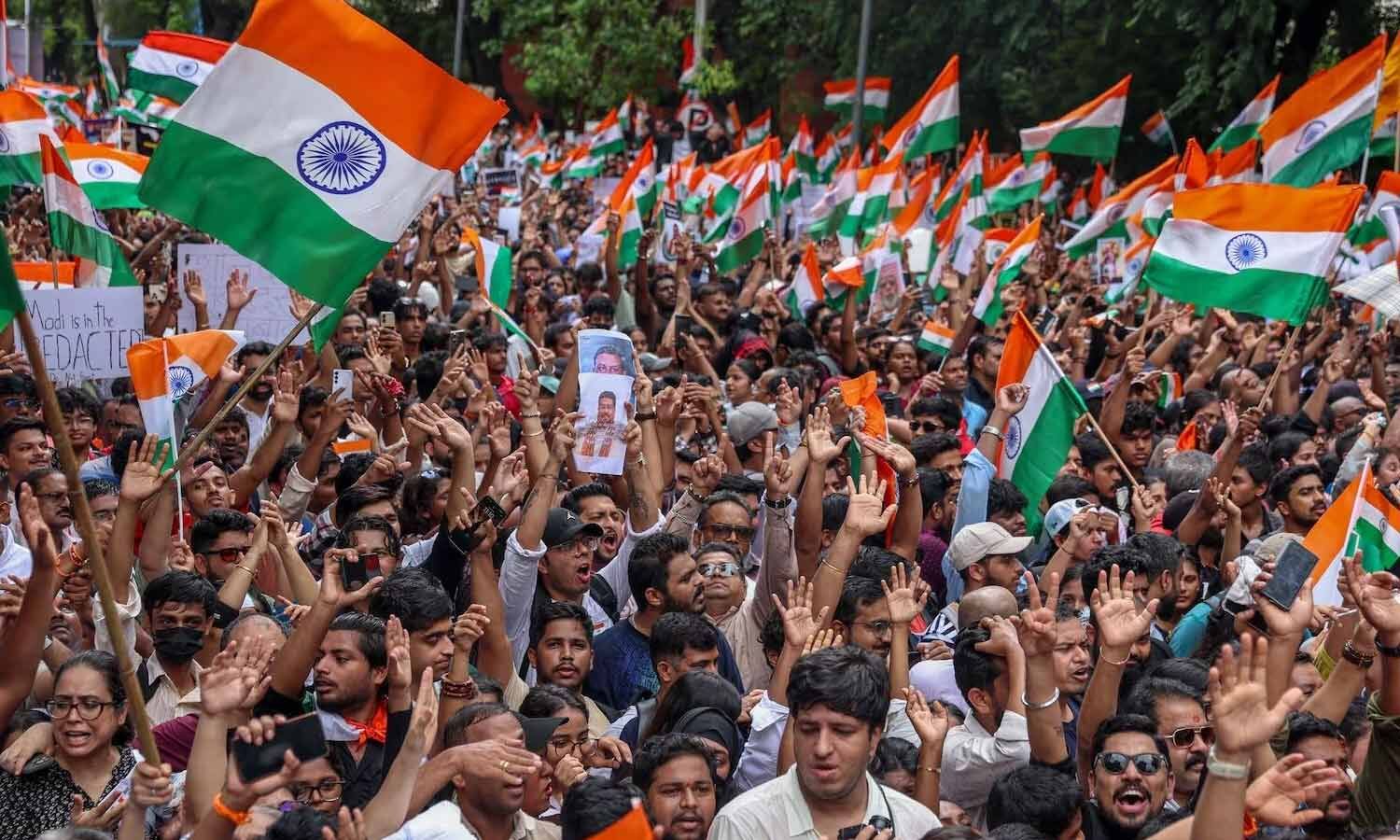
New political mood takes shape in India amid calls for accountability

Tharoor Says India's Democracy Bent, Didn't Break After Protests
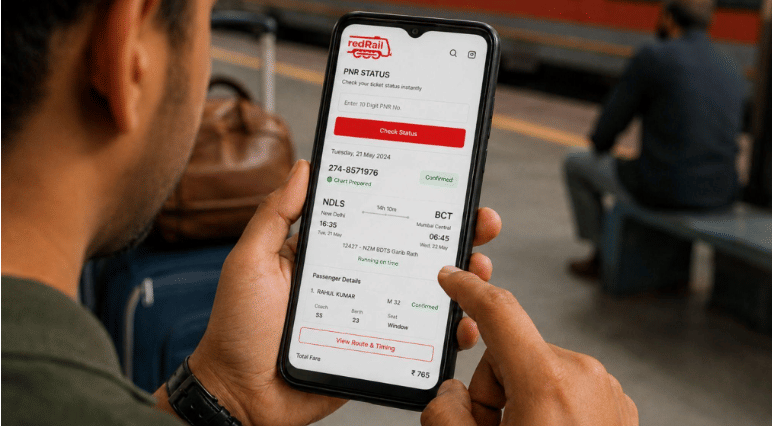
What Railway PNR Details Reveal Before Your Journey

Jyoti Yadav’s Covid Book Challenges India’s Forced Forgetting

Single-Income Families With Home Loans Should Prioritize Term Insurance

Why Indian Work Permit Seekers Face Costly Misinformation
Punjab Faces Calls for Verification Amid Crime and Migration Concerns