6 days ago
Tharoor Says India's Democracy Bent, Didn't Break After Protests

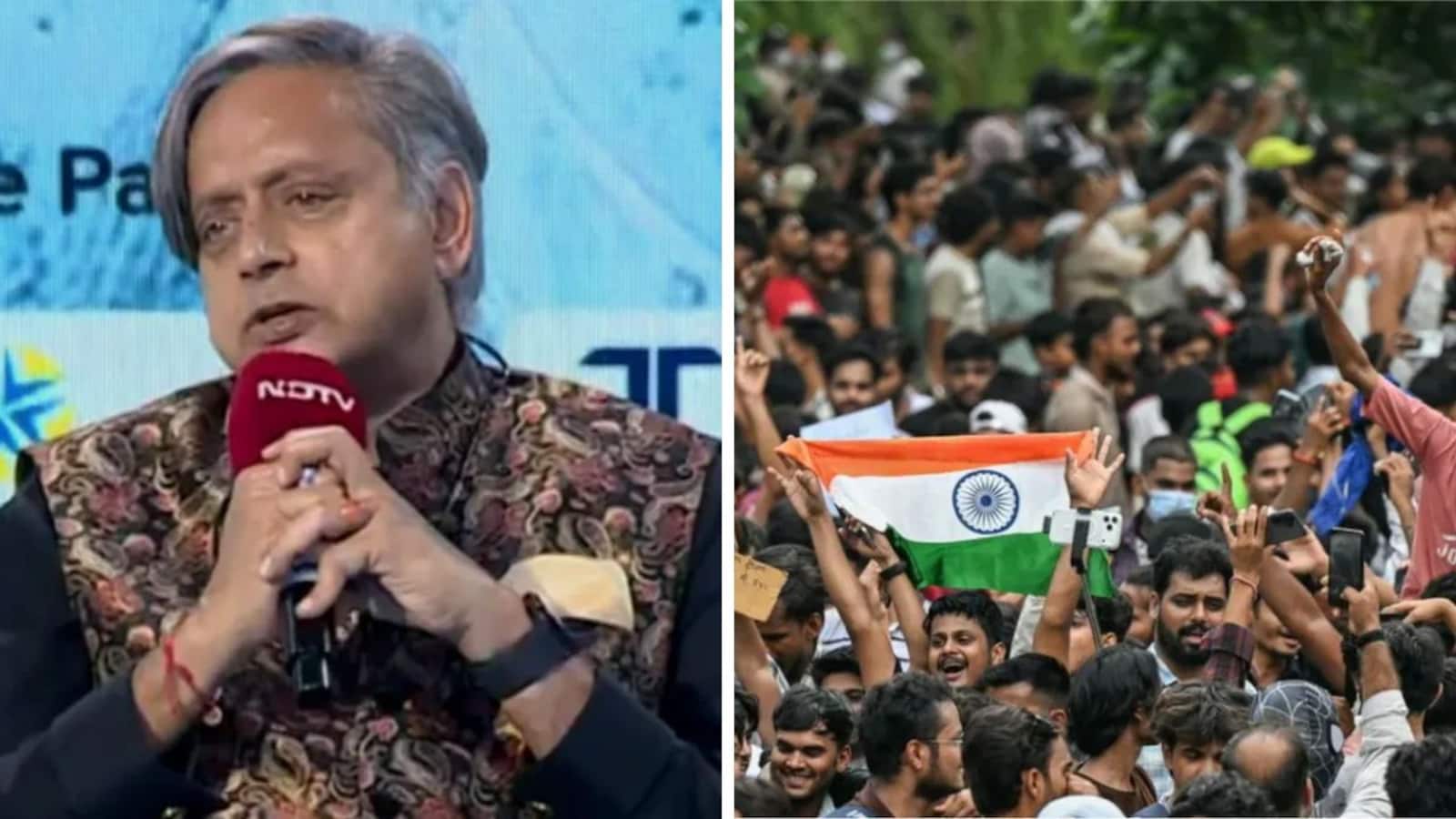
Shashi Tharoor talked about young people protesting in several South Asian countries.
He said these protests showed that many young people were unhappy with their governments.
Different countries handled the protests in different ways.
In Bangladesh and Sri Lanka, leaders left power, according to Tharoor.
Nepal changed its government through elections.
He said the military took control in Pakistan and Myanmar.
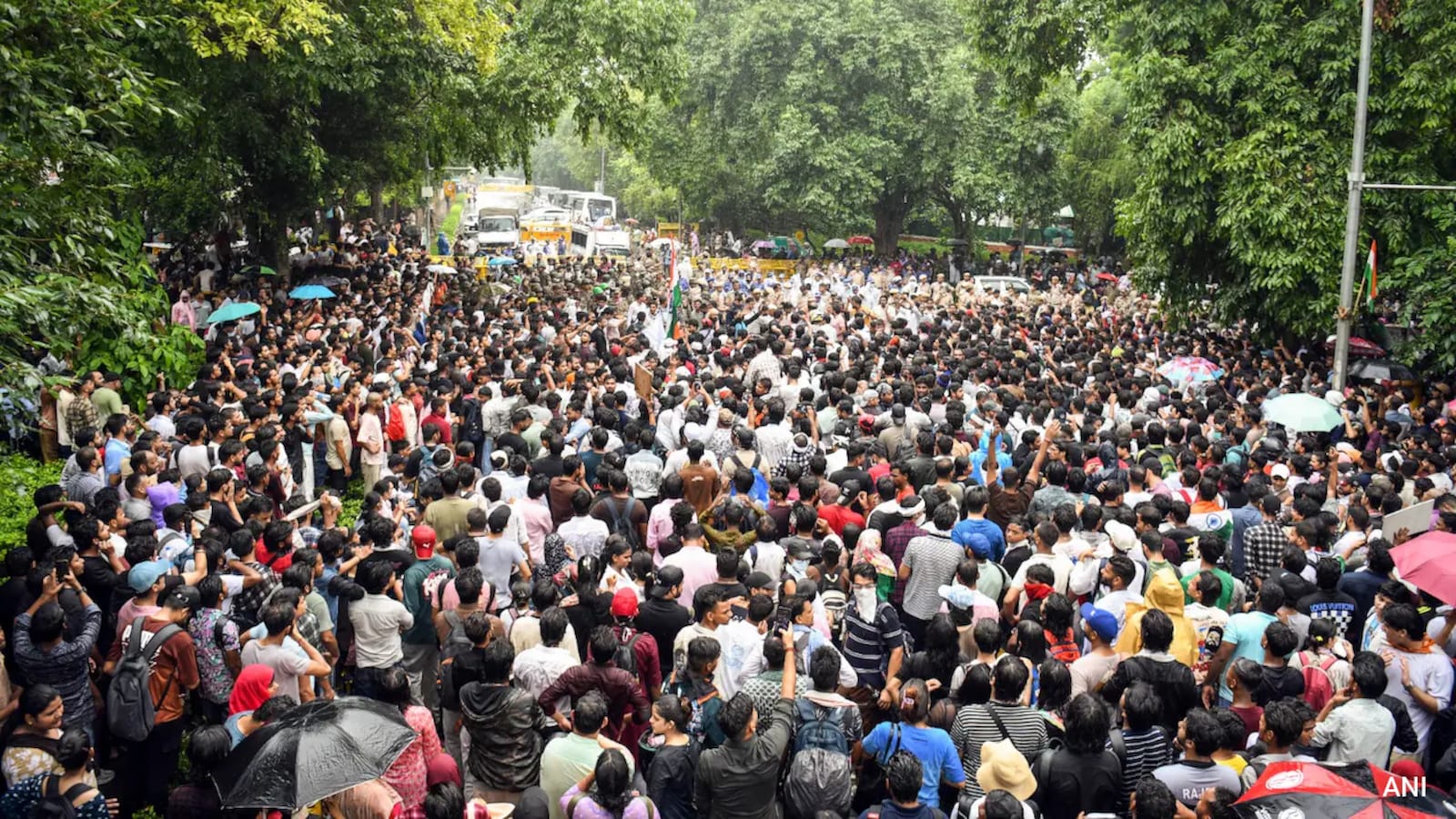
In India, students protested over the NEET-UG paper leak.
The article says Education Minister Dharmendra Pradhan resigned after the protests.
Tharoor believes this showed that India’s democracy can change under pressure without breaking.

Shashi Tharoor said India’s democratic system adapted quickly to recent Gen Z-led student protests.
He linked the Indian protests to youth demonstrations in Myanmar, Pakistan, Sri Lanka, Bangladesh and Nepal over roughly the past decade.
Tharoor said outcomes differed across the region because of political systems and government responses.
He said rulers fled in Bangladesh and Sri Lanka, Nepal held fresh elections, and militaries took control in Pakistan and Myanmar.
Tharoor cited the resignation of Education Minister Dharmendra Pradhan after protests over the NEET-UG paper leak as evidence that India’s system can respond to public pressure.
- Who
- Congress MP and former diplomat Shashi Tharoor discussed Gen Z protests and political systems in South Asia.
- What
- Tharoor said India’s democratic system was flexible, self-correcting and able to respond to recent student protests.
- Where
- The discussion took place at an NDTV event, while the protests discussed occurred in India, Myanmar, Pakistan, Sri Lanka, Bangladesh and Nepal; Indian protests were held at Delhi’s Jantar Mantar.
- When
- The regional protests discussed occurred over roughly the past decade; the Indian protests were described as recent, with the article dated August 27, 2026.
- Why
- Tharoor said young people’s anger and differing government responses demonstrated the strengths and weaknesses of the region’s political systems.
Democratic Adaptability
Political and Outreach Criticism
India’s response to protests
Democratic Adaptability
Tharoor said the resignation of a minister after student protests showed that India’s democratic system could recognize public pressure and adapt without political collapse.
Political and Outreach Criticism
The articles do not present a direct opposing government view, but they note that Tharoor had previously said the BJP government had generally been impervious to opposition demands for resignations.
Congress and Gen Z engagement
Democratic Adaptability
Tharoor said India’s response gave him hope that democracy could respond to popular currents.
Political and Outreach Criticism
Tharoor also questioned whether Congress had failed to listen to Gen Z, noting that the party’s earlier student outreach on paper leaks did not produce the same connection as the independent youth-led movement.
Key facts
- Speaker
- Shashi Tharoor, Congress MP and former diplomat
- Event
- NDTV World Anviksha Summit, described in the second article as an NDTV event
- Main issue in India
- Student protests over the NEET-UG paper leak
- Indian political response
- The articles say a minister resigned after public pressure; the second article identifies him as Education Minister Dharmendra Pradhan
- Regional comparison
- Tharoor discussed protests in India, Myanmar, Pakistan, Sri Lanka, Bangladesh and Nepal
- Outcomes cited
- Tharoor said rulers fled in Bangladesh and Sri Lanka, Nepal held fresh elections, and military rule followed protests in Pakistan and Myanmar
- Tharoor’s assessment
- He called India’s democracy flexible, receptive, nimble and self-correcting
Quotes

Shashi Tharoor
Congress member of Parliament commenting on India’s democratic response to the student protest.
“That is an encouraging way for us to go forward. The Indian example gives me encouragement as an opposition leader that our democracy has flexibility and receptivity to respond to popular currents.”
 freepressjournal.in
 NDTV
NDTV
“The difference among them is of the political systems in these countries and how the political establishment responded and dealt with them.”
NDTV
Sources
Related news
BJP Leader Calls Youth Protests Democratic, Champions India-Nepal Ties
Nepal's Gen Z Protests Offer India Lessons, Journalist Argues

Tharoor: Rahul Gandhi's Student Campaign Didn't Resonate Like CJP
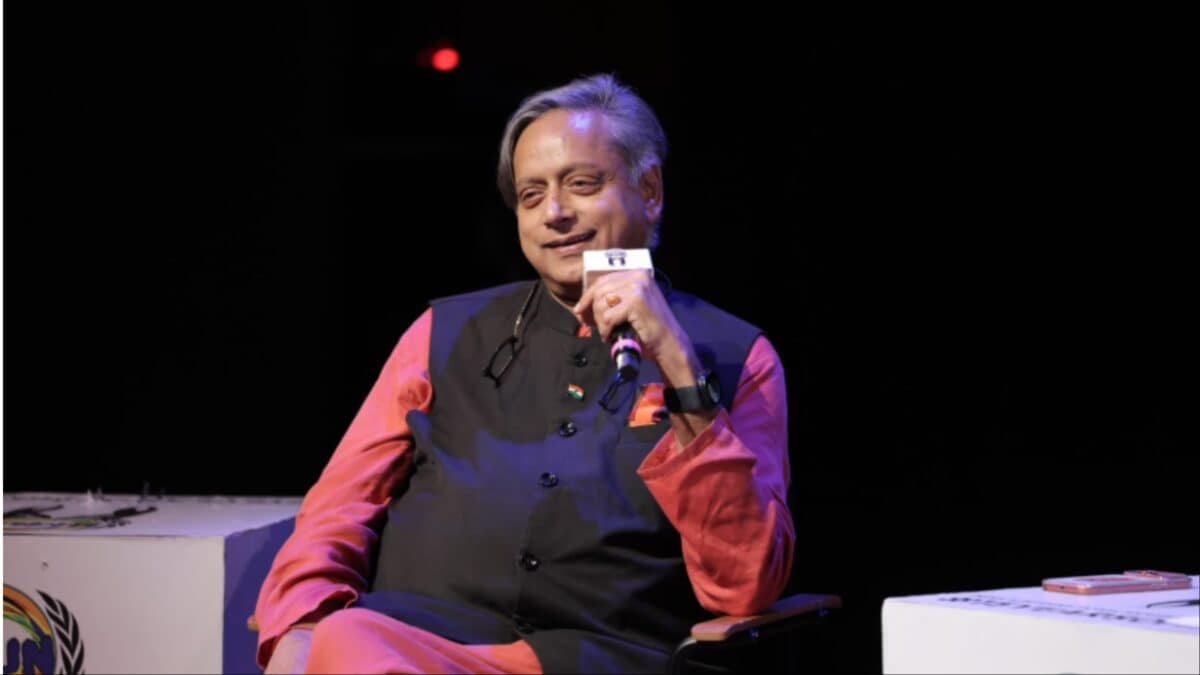
Shashi Tharoor clarifies Rahul Gandhi remark, says media misrepresented him

Tharoor Questions Whether Parties Failed to Hear Gen Z
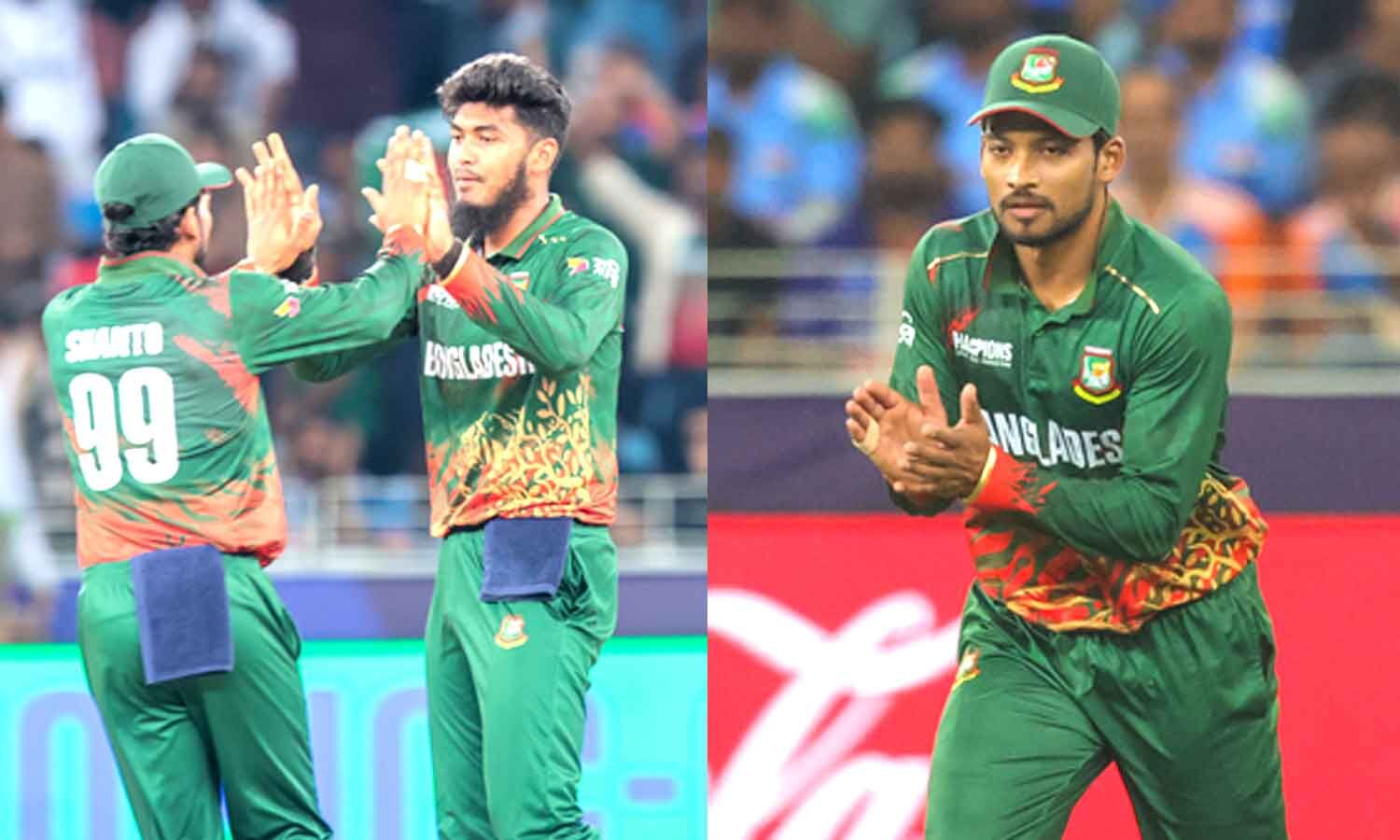
Bangladesh Recall Shanto, Mahmud for Asian Games T20 Squad

Sharma and Malik share halfway lead at Telangana Golconda Masters
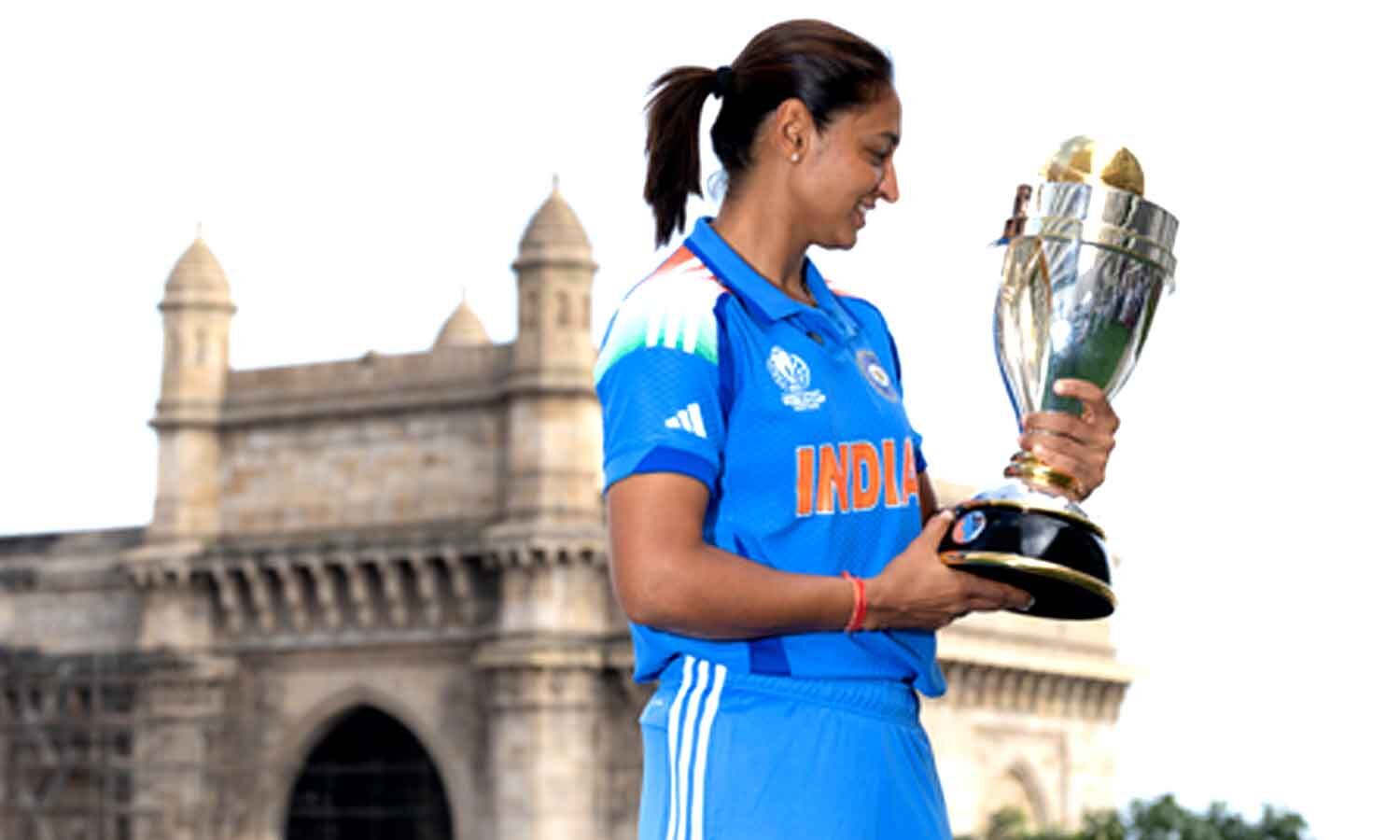
India Replaces Sri Lanka as 2027 Women’s Champions Trophy Host
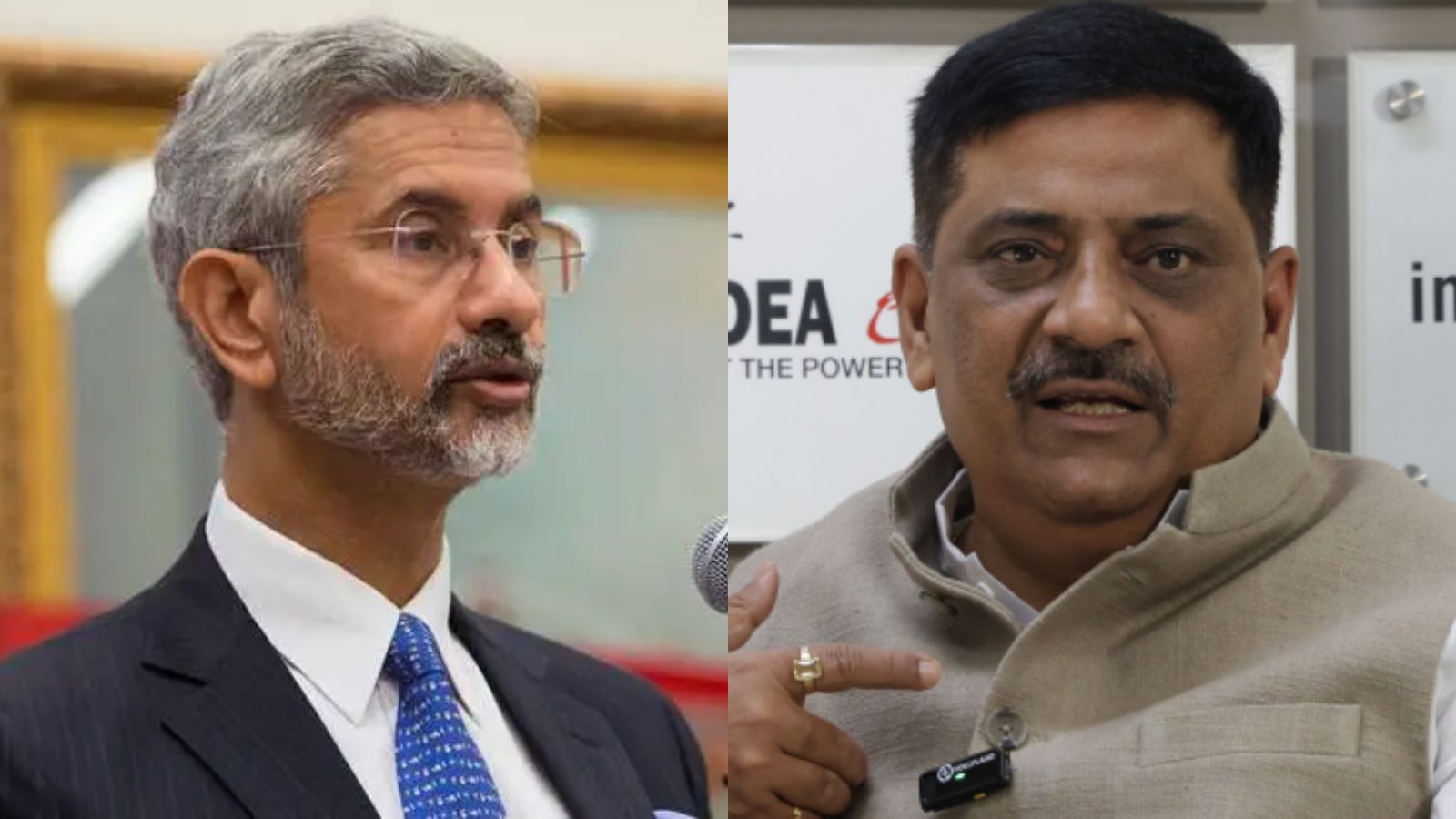
Centre Assures JDU Bihar’s Interests In Farakka Treaty Decision
India’s Record Wheat Harvest Opens $1.5 Billion Export Window