1 week ago
After 36 Days, Cockroach Movement Leaves Government Facing Youth Discontent
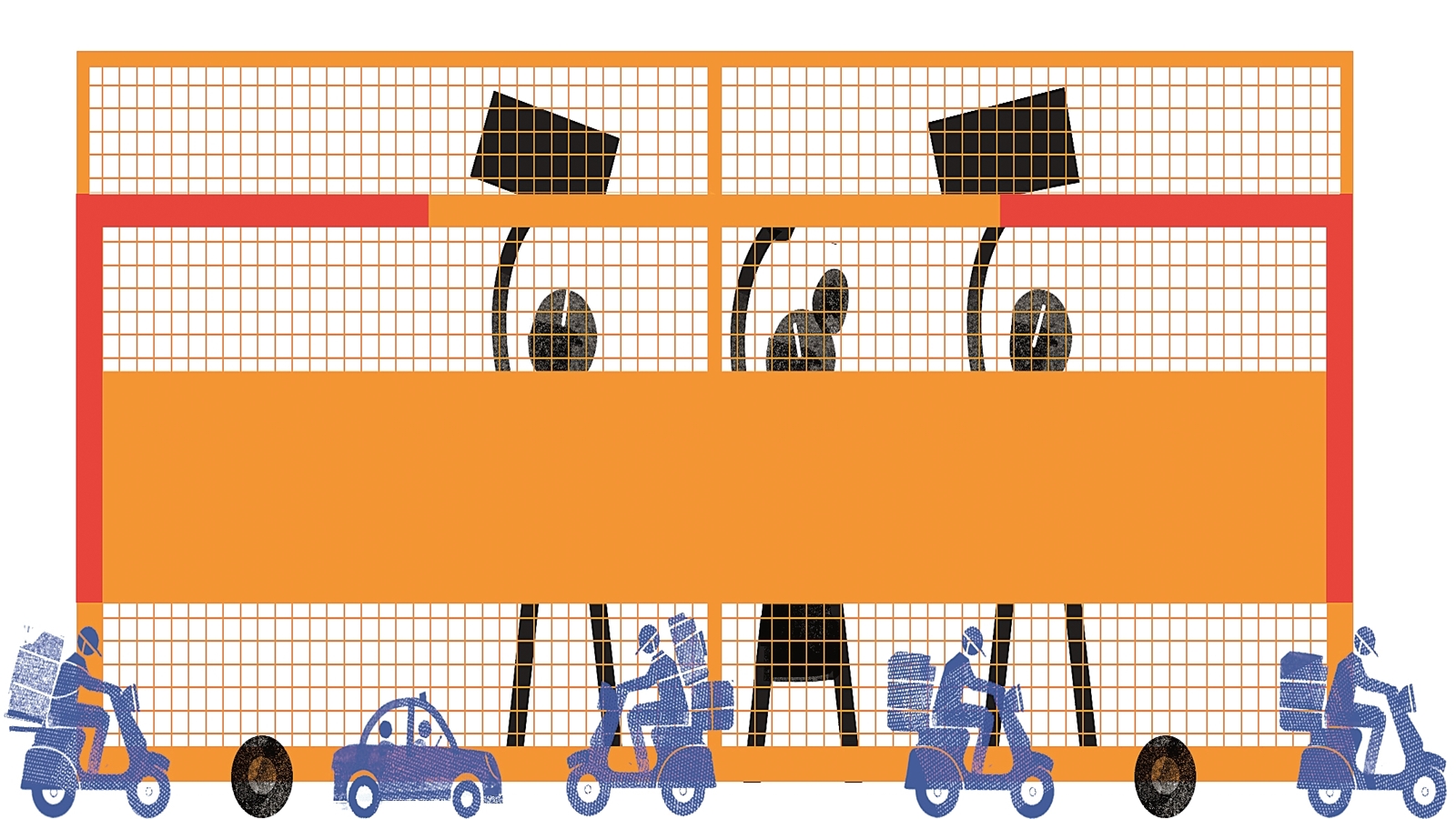
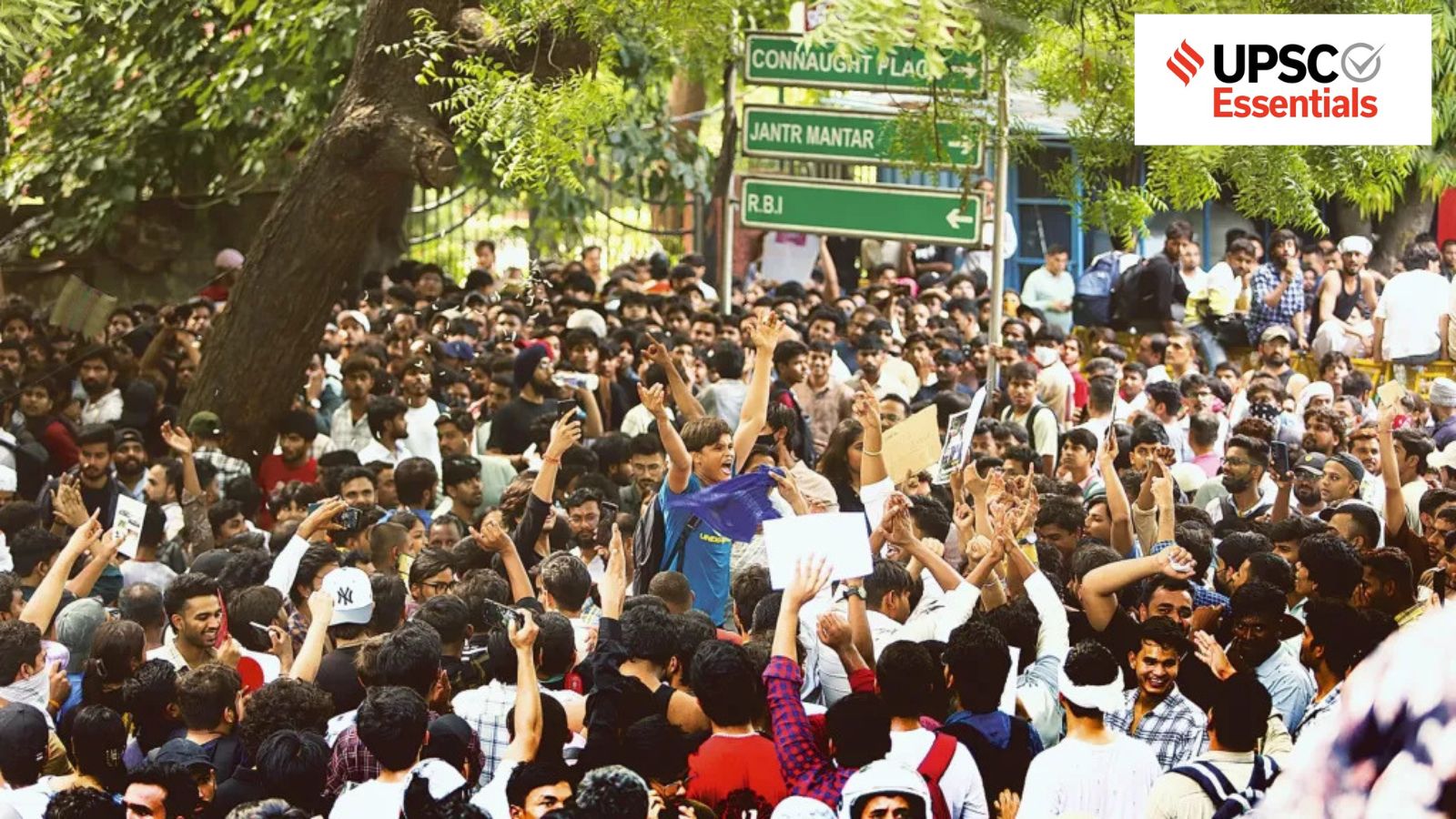
Students protested for 36 days at Jantar Mantar about problems with exams, jobs and fairness.
They eventually packed up and left the protest site.
The writer says they may return because their larger concerns were not solved.
The movement did not have one main leader.
Instead, many student groups and online networks worked together.
Police reportedly injured more than 100 protesters and arrested dozens during a march toward Parliament.
The government gave in to the main demand, but the writer says this did not fix the bigger problems.
These problems include too few jobs and worries that exams can be influenced by powerful people.
The article says the government needs a better response than relying mainly on force.

Students ended their 36-day protest at Jantar Mantar, but the article says their resolve remains strong.
The movement relied on social media, campus unions and Left student federations rather than a single leader.
Police action during a march toward Parliament reportedly left more than 100 people injured and dozens arrested.
The government conceded the movement’s central demand, though the article calls the concession relatively low-cost.
The article argues that exam concerns reflect deeper problems involving jobs, recruitment integrity and rural unemployment.
- Who
- Students and youth groups involved in the Cockroach movement, the government and police, with Sonam Wangchuk serving as an ally during a hunger strike.
- What
- A 36-day student protest ended at Jantar Mantar after the government conceded the movement’s central demand.
- Where
- At Jantar Mantar in Delhi, with protesters also attempting to march toward Parliament.
- When
- After 36 days at Jantar Mantar; the article does not specify calendar dates.
- Why
- The NEET leak triggered the protest, while broader concerns included perceived examination corruption, limited job opportunities and rural unemployment.
Student Movement’s Concerns
Government’s Apparent Response
How to address the crisis
Student Movement’s Concerns
Students and allied groups are portrayed as seeking fairer examinations, systemic reform, more employment and accountability for the crackdown.
Government’s Apparent Response
The government is portrayed as relying mainly on police force, a concession on the central demand and a committee that protesters found unacceptable.
Meaning of the protest
Student Movement’s Concerns
The article presents the movement as an expression of deeper, continuing generational concerns rather than only a reaction to the NEET leak.
Government’s Apparent Response
The government’s concession addressed the immediate central demand, but the article argues that this did not resolve the structural problems behind the protest.
Effect of coercion
Student Movement’s Concerns
The article says police action did not prevent the movement from securing a concession and may have exposed the limits of repression.
Government’s Apparent Response
The state has police, paramilitary and financial resources, but the article says it appeared to hope that overwhelming pressure would deter the youth.
Key facts
- Protest duration
- 36 days
- Protest location
- Jantar Mantar, Delhi
- Police action
- More than 100 people were reportedly injured and dozens arrested during a march toward Parliament.
- Government response
- The government conceded the movement’s central demand.
- Movement structure
- Social-media accounts, campus unions and Left student federations coordinated in a loose, non-hierarchical structure.
- Immediate trigger
- The NEET leak
- Broader concerns
- The article identifies job shortages, examination and recruitment integrity, and rural unemployment as underlying issues.
Sources
Related news
Cockroach Janata Party Chooses Pressure Group Over Political Party
Shashi Tharoor Urges Opposition to Learn From Youth Revolt
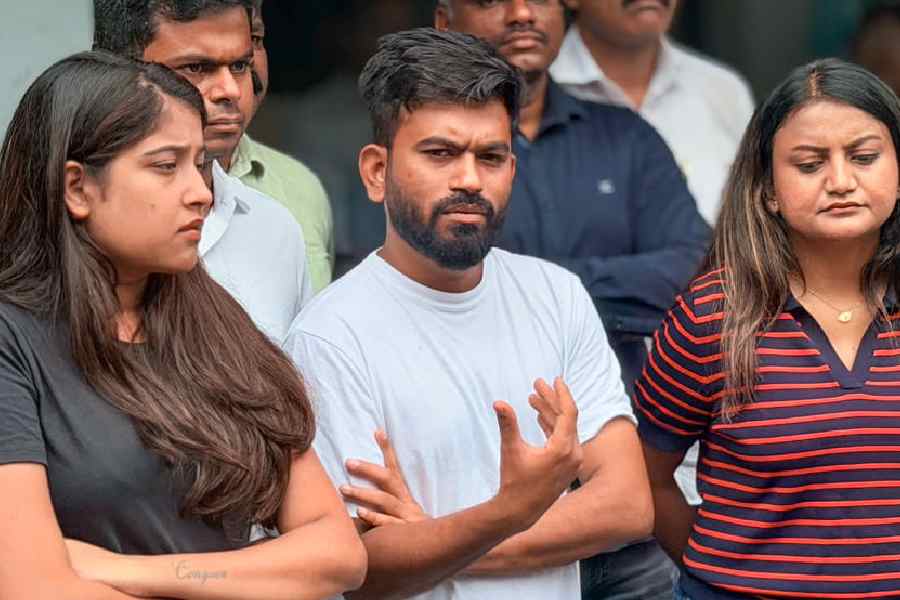
Cockroach Janta Party to Operate as Pressure Group, Says Dipke

Gen Z Protest: Harbinger of Political Transition in South Asia
BJP Keeps Its Eye on the Ball After Pradhan's Resignation
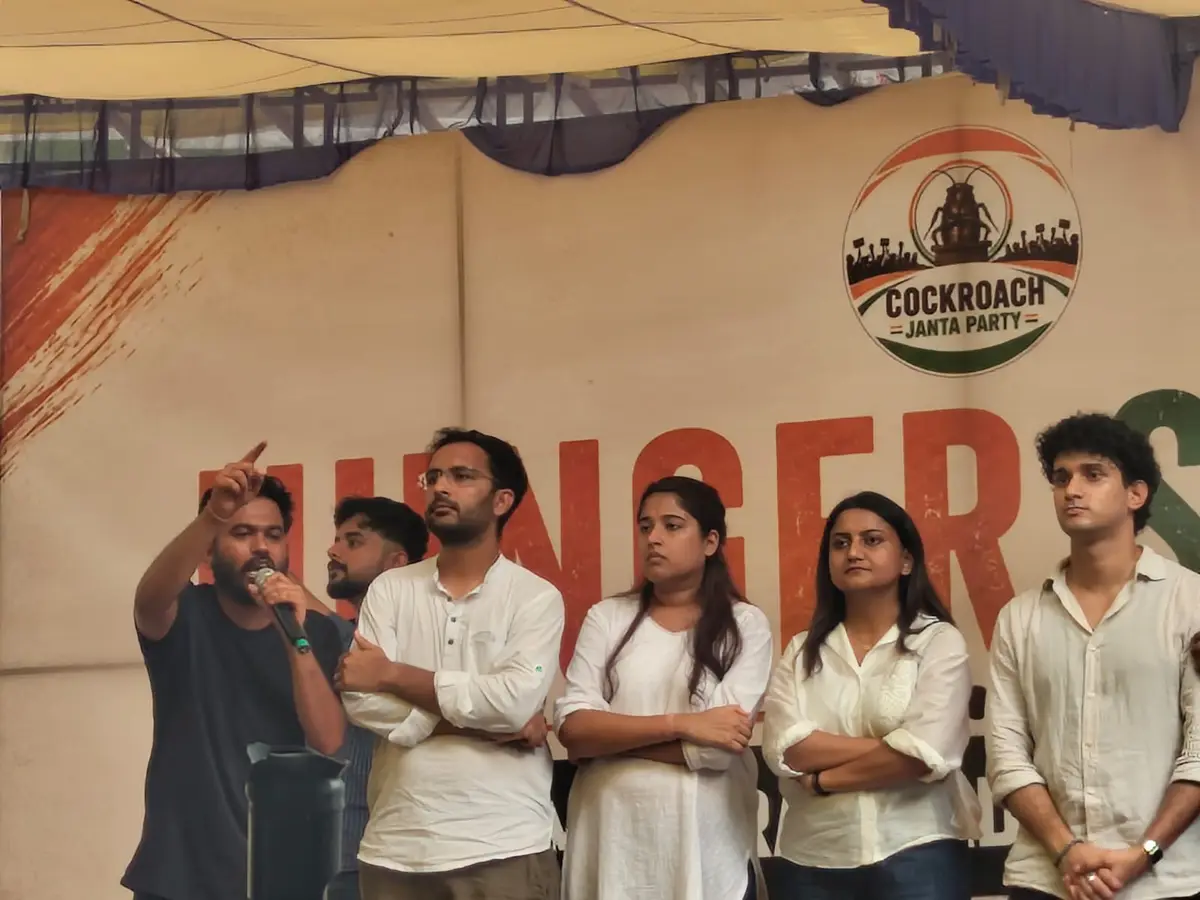
Cockroach Janta Party Holds Strategy Meet to Chart Post-NEET Future
Congress demands apology from PM Modi after SC clears Manmohan Singh in coal case
Pressure Groups Vital in Democracy