6 days ago
Gen Z Is Reshaping Workplace Authority Through Legitimacy

Gen Z is entering workplaces with different ideas about who should have authority.
Older workplace leaders often learned to respect a person’s title and experience automatically.
Many Gen Z workers grew up online, where people gain influence by persuading others rather than simply holding a formal position.
Because of this, they may ask more questions about workplace decisions.
Some managers see this as impatience or a lack of discipline.
The article says it can instead show that employees are engaged and want meaningful explanations.
Gen Z also tends to care strongly about whether an organization’s values match its own.
Workplaces will still need leaders and clear decision-making.
However, managers may gain more trust by explaining their choices and showing competence instead of relying only on seniority.

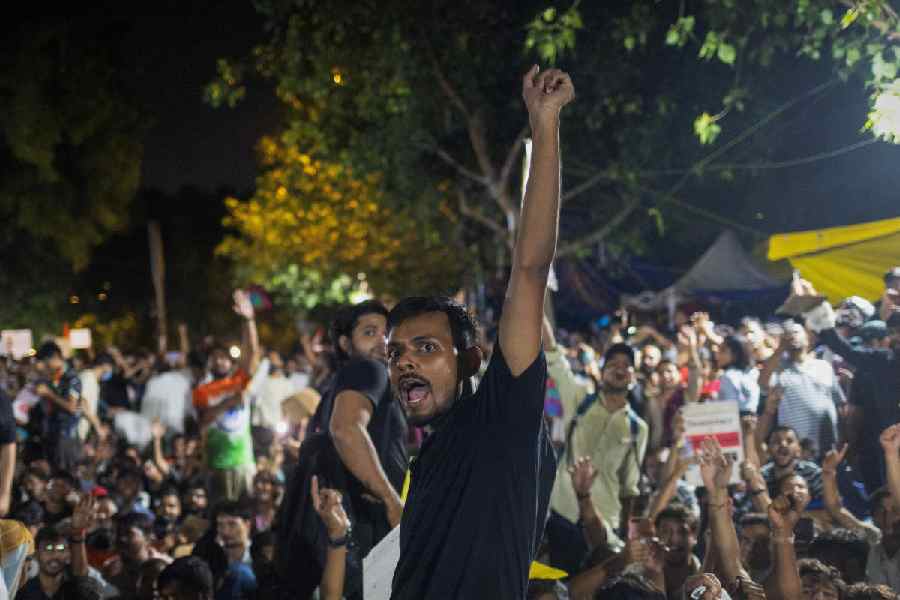
New Delhi protests highlighted Gen Z’s willingness to question authority and challenge traditional political hierarchies.
The article links Gen Z’s views of authority to formative experiences in digital networks rather than institutional hierarchies.
Gen Z employees increasingly expect authority to be based on competence, transparency, consistency and credibility.
Deloitte’s 2025 survey found that 86% of Gen Z employees considered purpose essential to job satisfaction.
The article argues that managers should preserve hierarchy while explaining decisions and demonstrating institutional legitimacy.
- Who
- Gen Z employees, alongside the older managers and institutional leaders adapting to them.
- What
- A generational shift is changing how workplace authority, loyalty and decision-making are understood.
- Where
- The trend is discussed in relation to India, including workplaces, universities, public institutions and protests in New Delhi.
- When
- The article says these differences will increasingly shape workplaces, universities and public institutions over the coming decade; it cites a 2025 Deloitte survey.
- Why
- Gen Z’s formative experiences in digital networks have encouraged it to evaluate authority through persuasion, competence and values rather than position alone.
Institutional Hierarchy
Gen Z Expectations
Basis of authority
Institutional Hierarchy
Managers and institutions have traditionally relied on formal position, experience and seniority to establish authority.
Gen Z Expectations
Gen Z is more likely to accept authority when it demonstrates competence, transparency, consistency and credibility.
Workplace questioning
Institutional Hierarchy
Frequent questioning can be interpreted as indiscipline, impatience or reduced organizational loyalty.
Gen Z Expectations
Questioning and requests for continuous feedback can represent engagement with decisions that employees expect to be explained.
Role of hierarchy
Institutional Hierarchy
Clear hierarchies and decision rights are needed to preserve accountability, speed and institutional coherence.
Gen Z Expectations
Hierarchy should remain, but managers must justify decisions rather than rely on designation or seniority alone.
Key facts
- Survey
- Deloitte’s 2025 Gen Z and Millennial Survey
- Purpose and job satisfaction
- 86% of Gen Z employees identified purpose as essential to job satisfaction.
- Employer values
- Nearly 66% of Gen Z respondents reported rejecting prospective employers whose values conflicted with their own.
- Traditional authority
- Older workplace models generally treated authority as positional and information as flowing from senior leaders downward.
- Gen Z expectations
- Gen Z increasingly expects authority to be justified through competence, transparency, consistency and intellectual credibility.
- Institutional requirement
- The article says hierarchy and recognized decision rights remain necessary for accountability, speed and coherence.
Sources
Related news

Ladakh Incident Sparks Debate Over Gen Z And Authority

Gen Z Protest: Harbinger of Political Transition in South Asia
Amish Tripathi Says Gen Z Tamer Than Older Generations
Why Every Generation Complains About the One After It

Anna Hazare Hospitalised in Mumbai After Renal Infection, Stable
JS Deepak’s Memoir Offers A Candid, Humorous View Of Governance
Pradhan Resigns Amid NEET-UG Exam Leak Protests
Ministerial Accountability Fades in India Amid Exam Scandals