3 hrs ago
Jaishankar Says Middle Powers Seek Greater Influence Amid US-China Rivalry
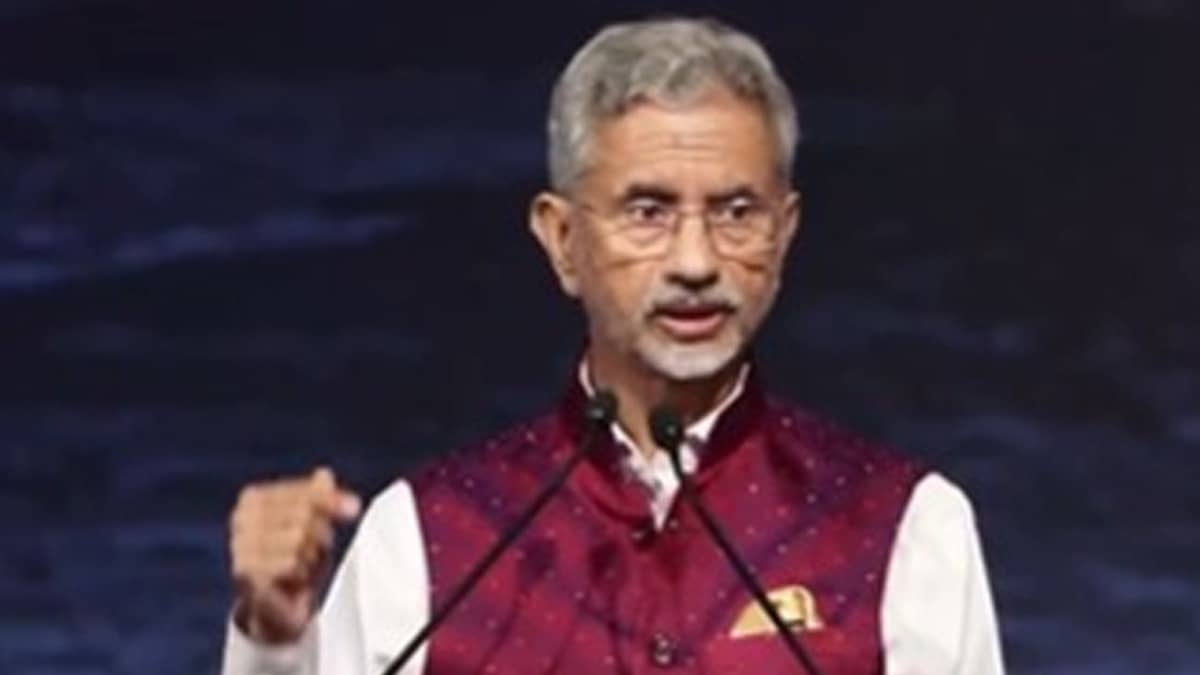
S. Jaishankar spoke at a security conference in Munich about how countries are working together in a changing world.
He said many countries want more influence, even if they are not among the biggest powers.
The United States is changing how it engages with other countries, while China’s economic strength is growing into political influence.
Countries are trying to avoid depending too much on one partner or supply chain.
They are forming partnerships around particular goals, even when they do not agree on everything.
Examples include groups and projects focused on security, trade, transport and climate.
Jaishankar said this kind of cooperation is helping create a world with several centres of influence.
He also said countries should work together on peace, trade, resilient supplies, climate, defence and space.

At the 62nd Munich Security Conference, S. Jaishankar said emerging and middle powers share a desire for greater relevance and influence.
He described emerging powers as including countries rising after colonisation and those adjusting from established alliance structures.
Jaishankar said US repositioning and China’s growing economic and political influence are reshaping the international landscape.
Countries are responding through diversification, de-risking, resilient supply chains and partnerships focused on shared interests.
He said multi-alignment and issue-based cooperation are advancing multipolarity, while putting pressure on traditional multilateral institutions.
- Who
- External Affairs Minister S. Jaishankar and emerging and middle powers.
- What
- Jaishankar discussed their shared drive for greater influence and cooperation amid US-China competition.
- Where
- Munich.
- When
- At the 62nd Munich Security Conference; the article does not give a date.
- Why
- Countries are adapting to shifts in US engagement, China’s rising influence and the resulting competition and interdependence.
Flexible cooperation
Traditional multilateralism
How countries should cooperate
Flexible cooperation
Jaishankar said countries can work together through agenda-based partnerships when they share enough interests, without needing to agree on everything.
Traditional multilateralism
The article says this trend is placing pressure on traditional multilateralism, particularly the gridlocked United Nations.
Navigating US-China competition
Flexible cooperation
Countries are hedging, diversifying and maintaining relationships with both powers while pursuing their own interests.
Traditional multilateralism
The article describes a sharper US-China contest in which leverage is being weaponised, making the balance between partners harder to manage.
Key facts
- Speaker
- S. Jaishankar, India's External Affairs Minister
- Event
- 62nd Munich Security Conference
- China's manufacturing share
- Roughly one-third of global manufacturing, according to Jaishankar
- Approach described
- Diversification, de-risking, resilient supply chains and agenda-based partnerships
- Examples of cooperation
- Quad, India-Middle East-Europe Economic Corridor, International North-South Transport Corridor, BRICS, International Solar Alliance and Coalition for Disaster Resilient Infrastructure
- Cooperation areas
- Peace and security, trade and investment, supply chains, connectivity, climate, defence and space
Quotes

S. Jaishankar
India’s External Affairs Minister
“Both are emerging in different ways, and what is common between them is the desire to be more relevant, to make a greater impact, and that really is a point of convergence.”
 republicworld.com
“If you have enough touch points, that is good enough for countries to work together.”
republicworld.com
Sources
Related news

Jaishankar Seeks “Goldilocks” Balance in US-China Rivalry and Global Order
Jaishankar Says US Chose a Lonelier Role Amid Global Shift
Jaishankar Warns of Uncertain World Amid Rising Global Interdependence

India’s Expanding Global Footprint Across BRICS, Quad and G20
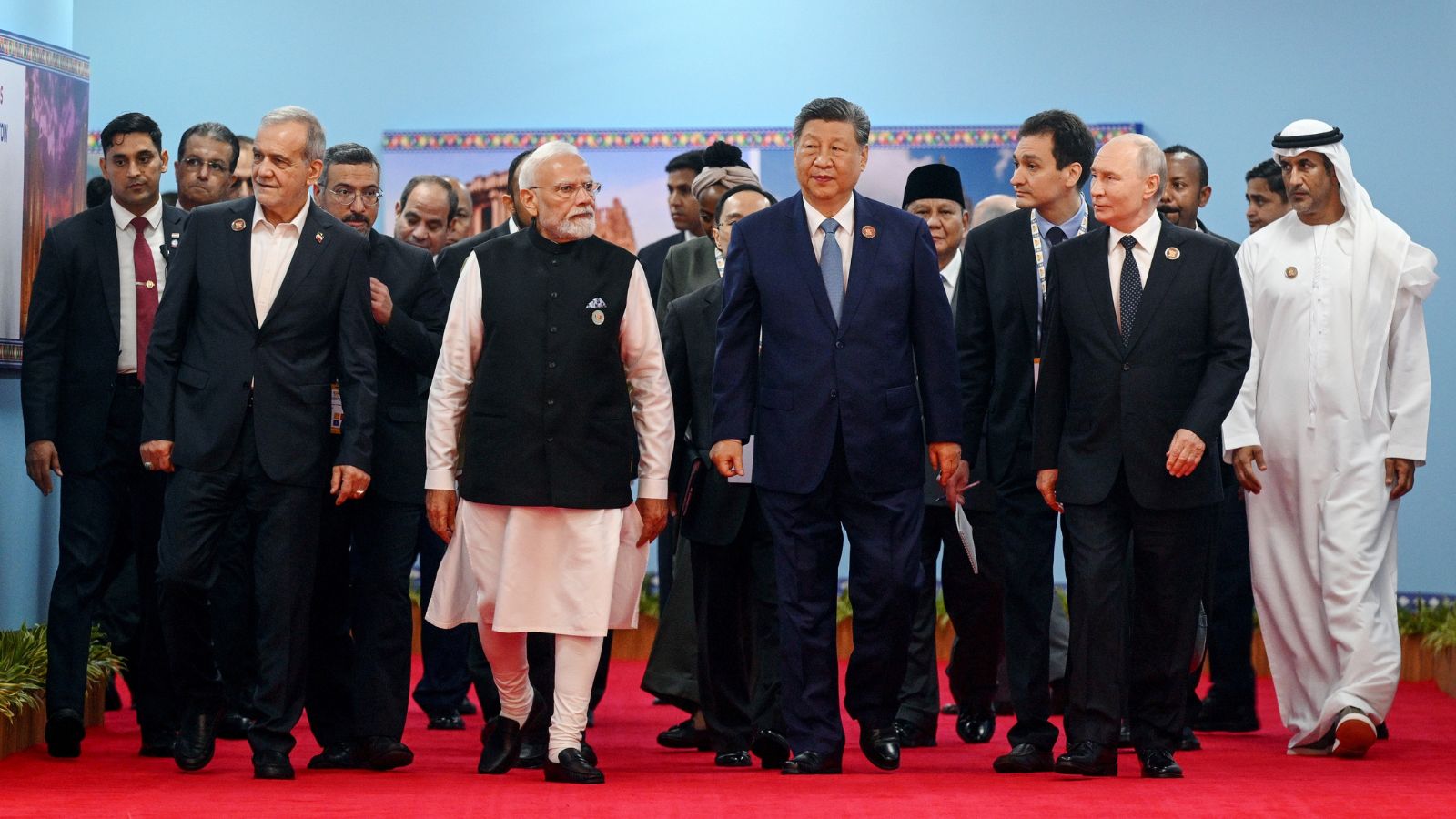
Why US-China Power Is Challenging the Multipolar World
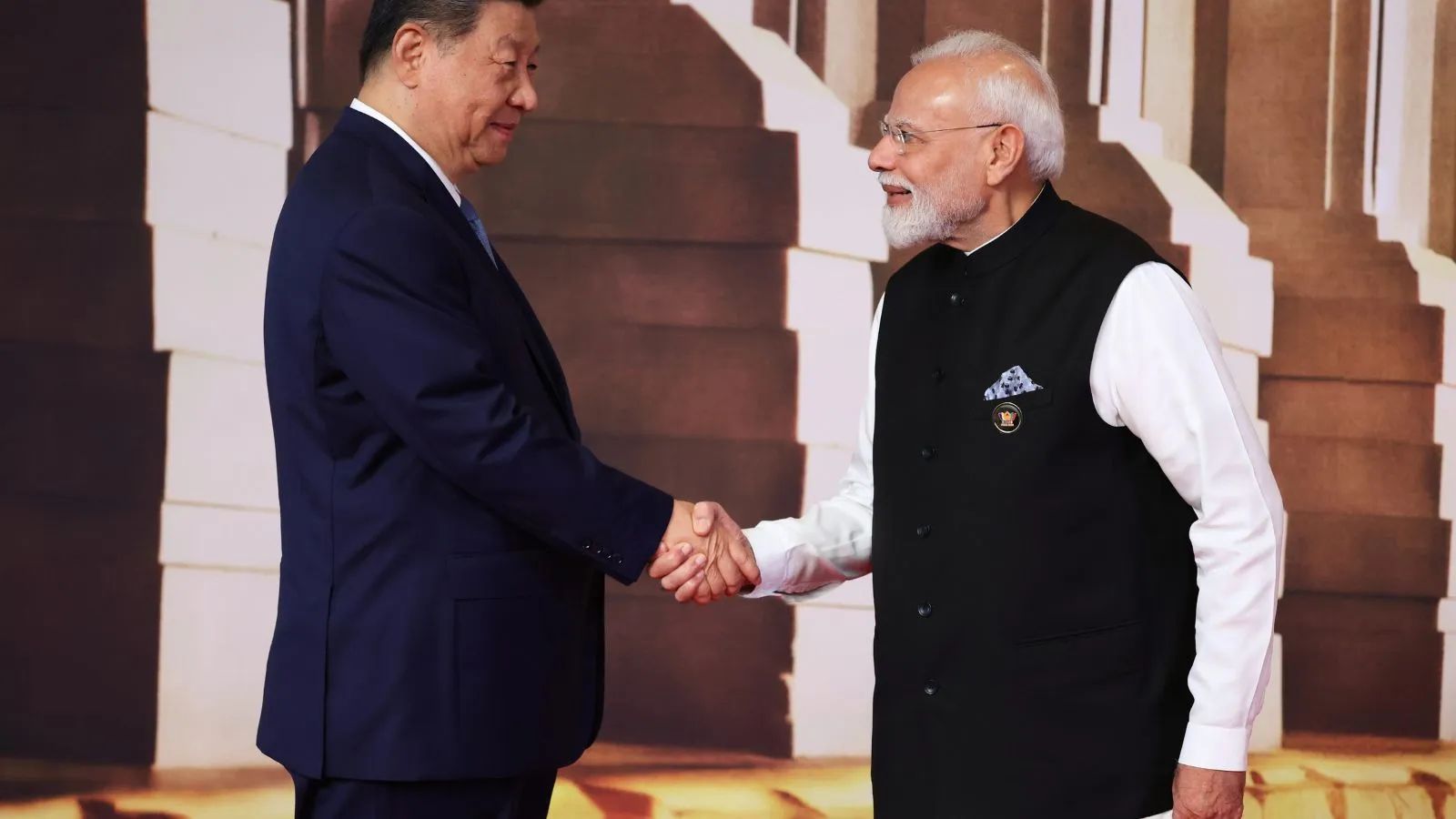
Modi-Xi Meeting Signals Managed Rivalry Amid Asia’s Return

Cuba Offers Land to Indian Firms for Food Production
India’s Renewable Energy Push Reshapes Its Clean Energy Future

Jaishankar Calls for Global South Role in Global Decision-Making

South Asian Countries Plan Regional Cross-Border Electricity Trade