

6 hrs ago
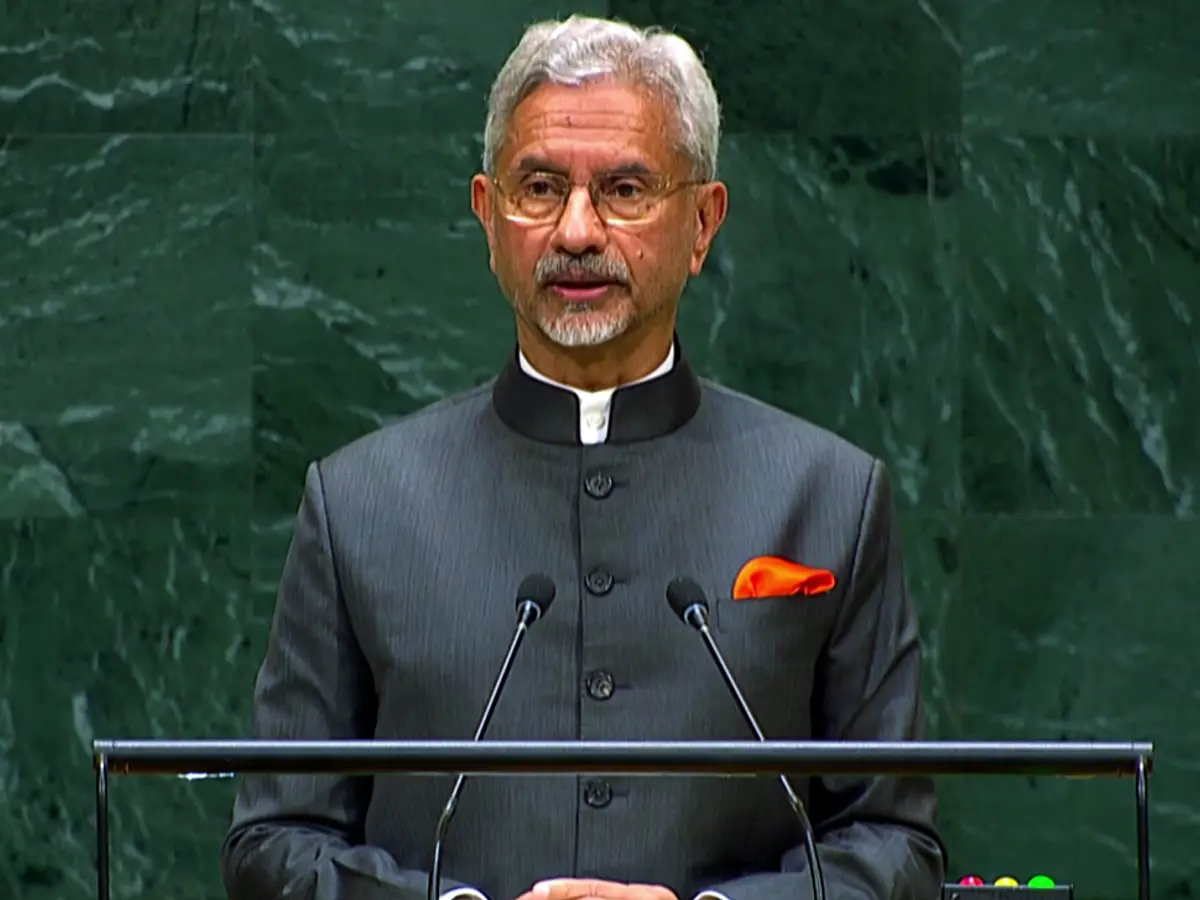
Jaishankar Warns of Uncertain World Amid Rising Global Interdependence
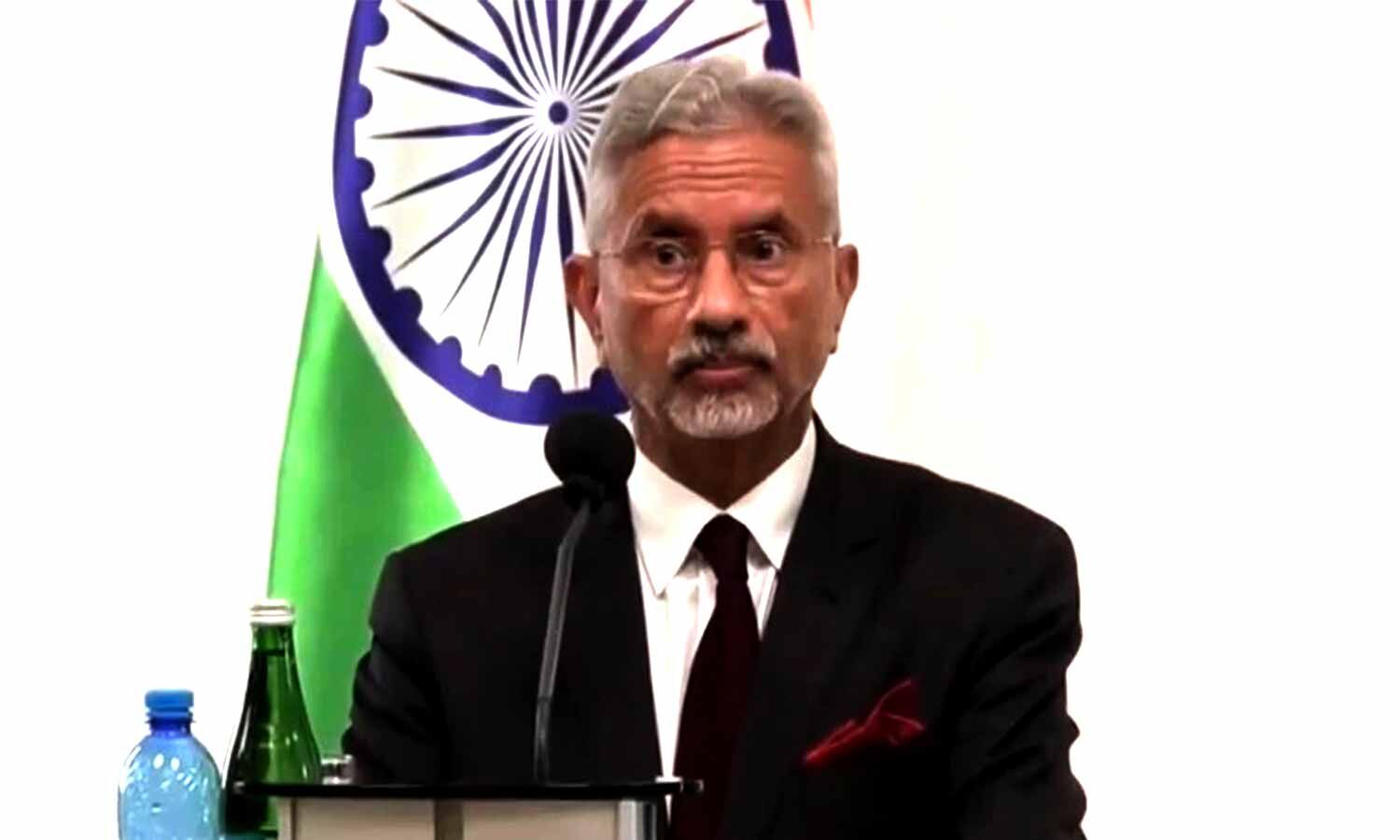
S. Jaishankar said the world is becoming harder for countries to manage.
Wars and fighting in several regions are creating danger.
Food, fuel, fertilisers and money are also under pressure.
Countries depend on one another, but they can use that dependence to pressure rivals.
He called this problem “the paradox of our times.”
He said diplomats must handle very risky decisions while continuing to negotiate.
Countries are trying to find new partners and safer supply routes.
Jaishankar said he was not pessimistic and believed countries still wanted stable arrangements.

S. Jaishankar said wars, economic pressure and weaponized dependence are making the global order more uncertain.
He described the tension between countries’ connectedness and their competition as “the paradox of our times.”
He identified trade routes, sanctions, travel restrictions and market access as potential pressure points.
Energy disruptions, vulnerable supply chains and advances in military technology are increasing risks for governments.
Jaishankar said countries are seeking new partners and more diversified relationships while international institutions face pressure to adapt.
- Who
- S. Jaishankar, India’s External Affairs Minister, addressed the issue.
- What
- He warned that wars, economic pressure, weaponized dependence and changing power balances are making global diplomacy more hazardous.
- Where
- At an event in New York.
- When
- Why
- Because countries are using economic, geographic, technological and political dependencies as leverage amid intensifying competition.
Growing Global Risk
Cooperation Remains Possible
Direction of the global order
Growing Global Risk
Wars, economic pressure, vulnerable supply chains and the use of dependence as leverage are making diplomacy increasingly dangerous.
Cooperation Remains Possible
Countries remain interconnected and have an interest in finding stable, reliable arrangements despite stronger competition.
International institutions
Growing Global Risk
Institutions created under an earlier balance of power may not adequately reflect present-day realities, raising questions about their future relevance.
Cooperation Remains Possible
Institutions can remain relevant if they adapt to changing power balances and give greater voice to developing countries.
Key facts
- Speaker
- S. Jaishankar, External Affairs Minister of India
- Main concern
- A more uncertain and hazardous global order
- Pressure points
- Geographical routes, sanctions, travel restrictions and market access
- Strained areas
- Food, fuel, fertilisers, finance and supply chains
- Institution discussed
- The United Nations, established in 1945 with 51 members
- India’s approach
- Seeking institutional reform, stronger developing-country representation and diversified partnerships
- Outlook
- Jaishankar said he was not pessimistic and expected countries to seek stable arrangements
Quotes

S. Jaishankar
India’s External Affairs Minister
“The interdependence is the reality, the competition is the sentiment.”
 thehansindia.com
“Diplomacy has become an extreme sport.”
thehansindia.com
Sources
Related news

Jaishankar Says India Will Rise Amid Global Turbulence
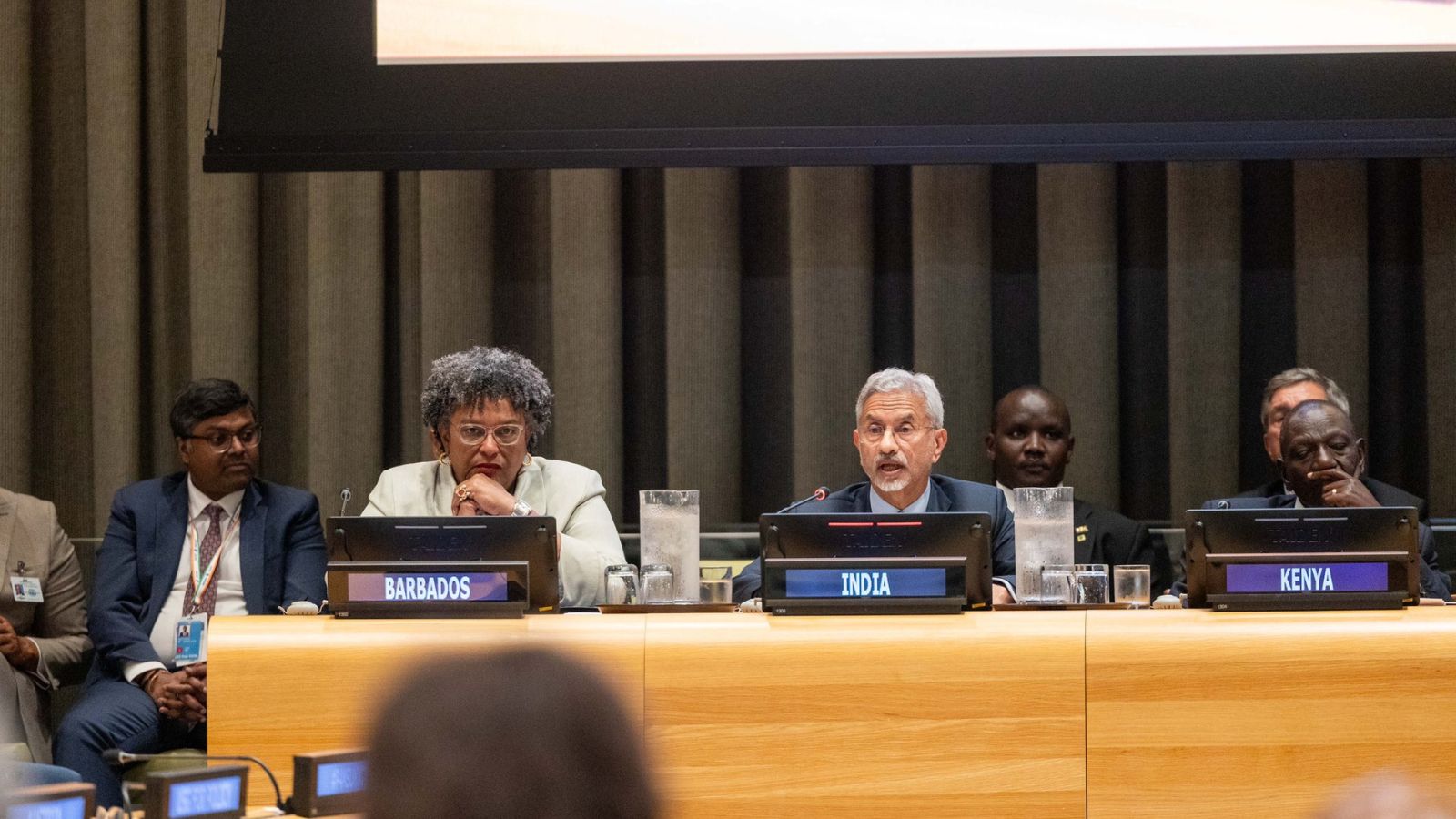
Jaishankar Urges Cooperation and Guardrails Amid Global Order Stress
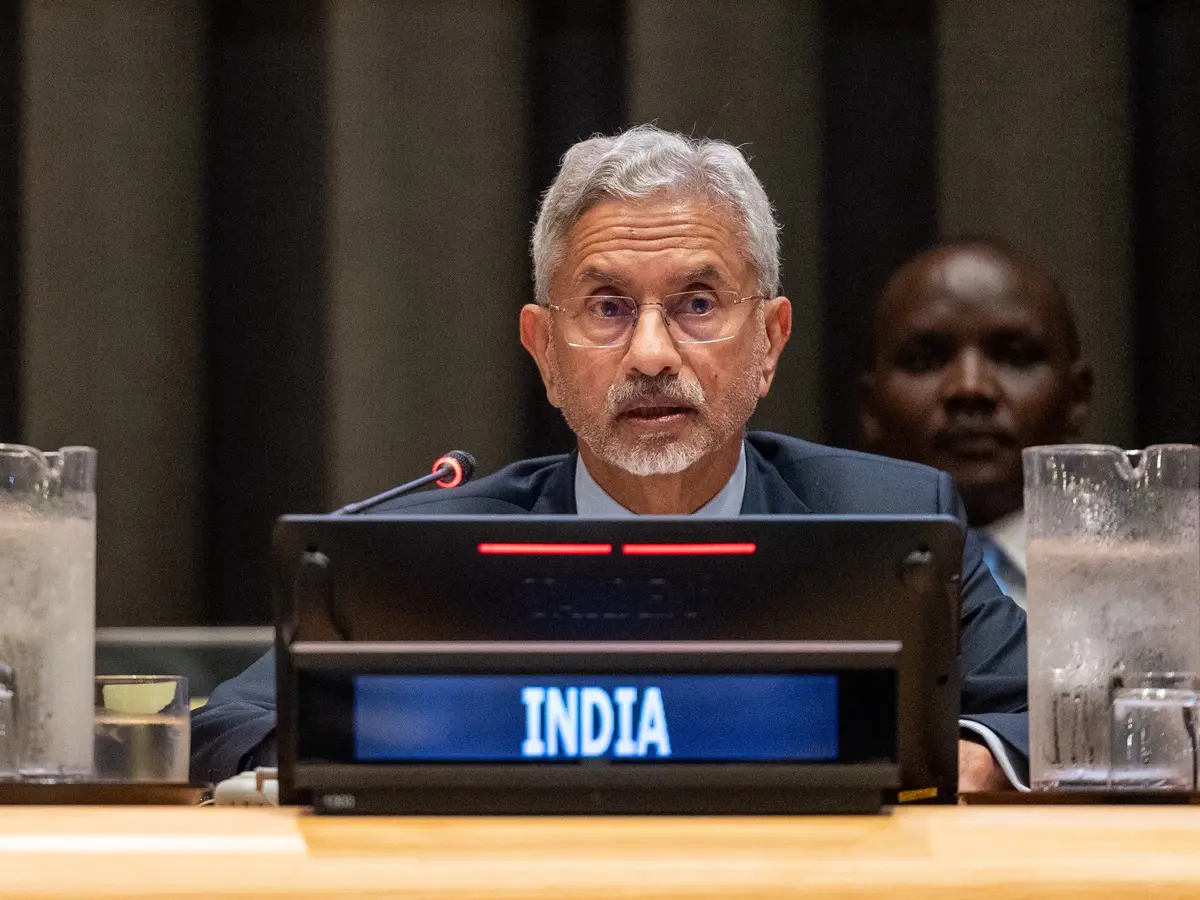
Jaishankar Calls for Reformed Multilateralism at UN General Assembly
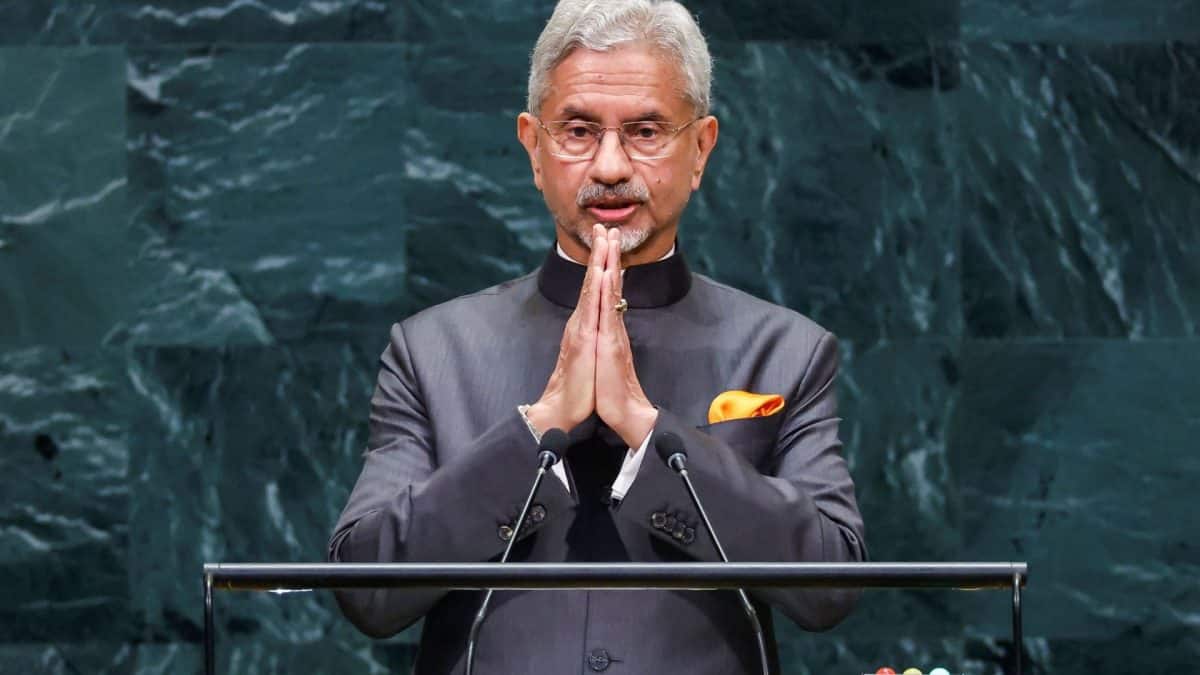
Jaishankar Presents Bharat’s Independent Diplomacy in a Fractured World

Jaishankar Says Global Order Faces Churn at BRICS Forum

Jaishankar Flags Four-F Crisis at UN, Urges Stronger Multilateralism
Jaishankar Warns US Misunderstanding India’s Security Concerns Hurts Ties

Washington, Tehran Pursue Mediated Talks as War Enters Seventh Month

New York Reopens Cornell Fraternity Gang-Rape Investigation Into Allegations

New York Reopens Investigation Into Cornell Fraternity Assault Allegations
