3 days ago
Bessent Faces G20 Test Over Tariffs, Iran War, Debt

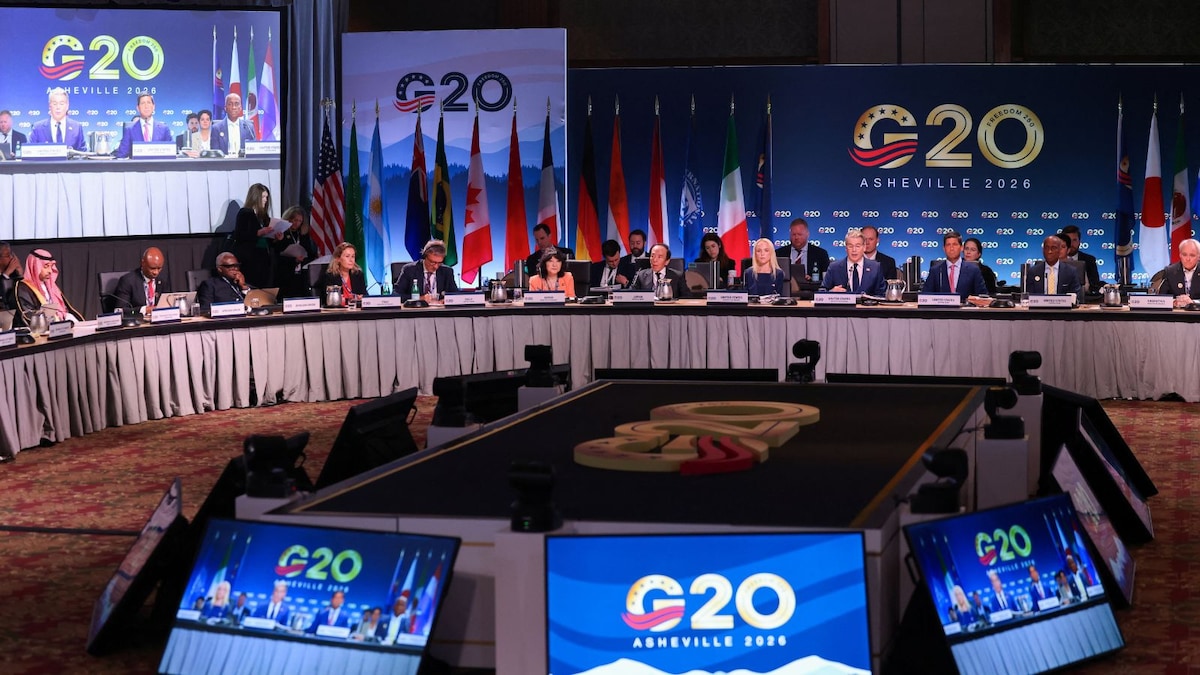
Scott Bessent is meeting with money officials from the world’s largest economies.
He wants them to help reduce trade imbalances and put more pressure on Iran.
The meeting is happening while the United States is changing its tariffs on imported goods.
Other countries want to discuss those tariffs, especially because they affect their businesses.
European officials are also worried about many Chinese products entering their markets.
Economists say the United States should reduce its large budget deficits too.
U.S. government debt has passed $40 trillion, and interest rates on long-term bonds have risen.
The war involving Iran has also pushed up energy and commodity prices.
Because countries disagree on these issues, reaching a joint decision may be difficult.

U.S. Treasury Secretary Scott Bessent will press G20 finance leaders to address trade imbalances, boost growth and tighten economic pressure on Iran.
The meeting comes amid uncertainty over U.S. tariffs, a trade dispute with Canada, high energy prices and disruption linked to the Iran war.
Many G20 members are expected to prioritize tariff concerns over Bessent’s push to place Iran sanctions at the center of discussions.
European officials want to address rising Chinese exports, while economists say the United States must also reduce its fiscal deficits.
U.S. public debt exceeded $40 trillion on August 19, while high long-term Treasury yields have raised concerns about debt-market intervention.
- Who
- U.S. Treasury Secretary Scott Bessent and finance ministers and central bank governors from the G20 economies.
- What
- A G20 meeting focused on trade imbalances, growth, tariffs, Iran sanctions, energy pressures and financial-market concerns.
- Where
- Asheville, North Carolina, in the Blue Ridge Mountains.
- When
- The meeting is scheduled for Monday and Tuesday; the report is dated August 30.
- Why
- Bessent is seeking U.S.-led agreement on trade and growth while urging countries to sever business ties with Iran and addressing concerns about U.S. debt and bond yields.
U.S. administration’s position
Critics and other G20 members’ concerns
Trade imbalances
U.S. administration’s position
The U.S. administration says distortive government policies and excess industrial capacity prevent fair competition, and it presents tariffs as part of the response.
Critics and other G20 members’ concerns
Economists say the United States must also reduce its fiscal deficits, while European officials want to address the effects of Chinese exports on their industries.
Iran sanctions
U.S. administration’s position
Bessent wants G20 countries to tighten sanctions and sever business ties with Iran, warning of secondary U.S. sanctions for continued transactions.
Critics and other G20 members’ concerns
Many countries would rather discuss tariffs, and Mark Sobel said their economies are being hurt by the U.S. war on Iran, which they do not support.
U.S. debt-market policy
U.S. administration’s position
The Treasury says long-term bond yields have risen above what it considers fair value and is committed to bringing them lower.
Critics and other G20 members’ concerns
Critics and central bankers have expressed concern that Treasury buybacks and other actions could represent intervention in a market traditionally governed by regular and predictable debt issuance.
Key facts
- Meeting participants
- Finance ministers and central bank governors from the G20 economies.
- U.S. priorities
- Reducing global trade imbalances, boosting growth and tightening sanctions on Iran.
- Tariff exposure
- All G20 countries and the European Union were among 60 economies hit with 10% or 12.5% U.S. tariffs in July.
- U.S. public debt
- Total U.S. public debt crossed $40 trillion on August 19.
- Treasury yields
- Yields on 30-year U.S. debt reached their highest level in 19 years during the month covered by the report.
- Treasury buybacks
- Bessent doubled scheduled buybacks of longer-dated Treasuries to $4 billion per operation.
- China’s exports
- China’s total exports rose 23.9% year over year in July, according to the report.
Quotes
Josh Lipsky
International economics chair at the Atlantic Council
“Secretary Bessent will want to put Iran front and center and talk about tightening sanctions on Iran, and many countries around the G20 table will want to talk about anything else. They’ll want to talk about tariffs.”
 theprint.in
“Further, their economies are being adversely hit by Trump’s war on Iran, which their countries don’t support. No amount of US diplomacy can change those realities.”
theprint.in
Sources
Related news
G20 Finance Meeting to Address Growth, Imbalances and Iran Sanctions
US Seeks G20 Support for Economic Pressure on Iran
Bessent Presses G20 on China Trade and Iran Sanctions

G20 Finance Talks Put Global Growth Amid Debt, Trade Disputes
Iran, Trade and Energy Security Lead India’s G20 Agenda
G20 Finance Chiefs Back Action on Trade Distortions, Except China
Saudi Arabia Says Iranian Tanker Attack Killed Two Sailors
U.S.-Iran Exchange Escalates Across Middle East, Markets Slide
Trump Aides Seek Quiet Iran War Before Midterm Elections
US Warns Middle East Travelers Amid Escalating Iran-Linked Tensions
Indian Stocks Slide as Oil, Conflict and Yields Rise