

4 hrs ago
AI Governance Must Balance Innovation With Protection for Vulnerable Citizens
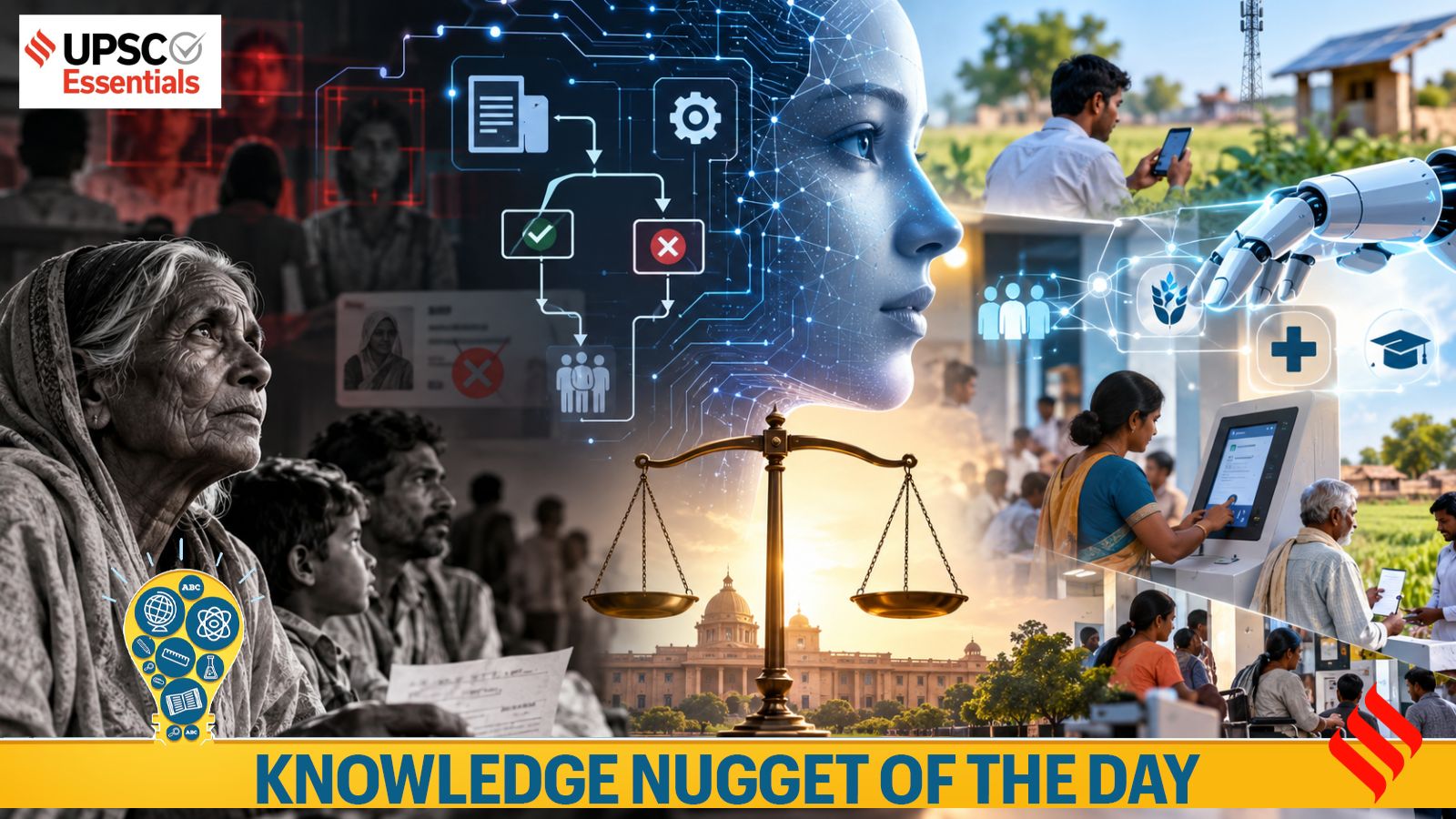
The article asks how governments should use AI fairly.
AI can help officials work faster and find problems, but it can also make mistakes.
If a mistake stops someone’s pension or medicine, that person may suffer greatly.
The article says people need a way to appeal to a real person.
It also says private vendors should explain how important decisions are made.
In a case study, an AI system wrongly suspends some pensions and closes thousands of complaints.
The suggested approach is not simply to reject all technology or to keep using it unchanged.
Instead, officials should protect people, check decisions and make someone responsible.
The article’s main idea is that technology can help govern, but people remain answerable for its effects.

The article frames AI ethics in governance as a balance between efficiency and duties of fairness, dignity, accountability and inclusion.
It warns that automated welfare decisions can wrongly suspend benefits or close appeals, with serious costs for people least able to challenge them.
Examples cited include India’s multilingual Kisan e-Mitra chatbot and an AI tool identifying areas vulnerable to tuberculosis.
It discusses failures including Australia’s Robodebt scheme and the Netherlands’ childcare-benefits system, where automated processes harmed families.
In a district case study, Seva-Agent’s suspensions, grievance closures and unauthorised access prompt calls for immediate safeguards and accountable human review.
- Who
- Public administrators, citizens affected by automated decisions, AI vendors and government agencies.
- What
- An ethics practice article examines AI in public service delivery and presents a case study about an agentic AI welfare platform.
- Where
- India, with examples from Australia and the Netherlands.
- When
- The article refers to India’s AI Governance Guidelines of November 2025, the AI Impact Summit 2026 and a caselet set over four months; it also cites earlier events.
- Why
- To consider how governments can use AI while protecting citizens’ rights, welfare, dignity and access to accountable decisions.
Prioritise speed and innovation
Prioritise safeguards and rights
AI in welfare administration
Prioritise speed and innovation
AI may improve speed, detect leakages and ghost beneficiaries, reach remote citizens and reduce unchecked discretion.
Prioritise safeguards and rights
Automated errors can deprive vulnerable people of essential benefits, and efficiency cannot replace fairness, empathy or due process.
Continue or pause deployment
Prioritise speed and innovation
The caselet reports claimed savings and a planned public showcase, supporting the case for continuing innovation.
Prioritise safeguards and rights
The documented suspensions, mass grievance closures and unauthorised data access support pausing automated actions and adding safeguards.
Vendor secrecy and public accountability
Prioritise speed and innovation
The vendor cites trade secrecy and refuses to disclose the decision logic.
Prioritise safeguards and rights
The article argues that citizens have a right to reasons and that public authorities must remain accountable for decisions affecting them.
Key facts
- Case-study platform
- Seva-Agent, an agentic AI system administering social-security pensions and grievance redressal.
- Claimed savings
- The state claims savings of ₹180 crore in four months.
- Grievances closed
- The caselet says nearly 12,000 grievances were closed as duplicates without human review.
- Human review workload
- Each clerk approves about 600 AI-flagged cases a day, usually in seconds.
- Kisan e-Mitra
- A voice-enabled government chatbot answering farmers’ questions in 11 regional languages.
- Robodebt
- Australia’s scheme issued nearly 500,000 incorrect notices; the government settled a class action in 2021 for about AU$1.8 billion.
- Relevant Indian law
- The article cites the Digital Personal Data Protection Act, 2023, including purpose limitation.
Quotes
Article author
Author of the UPSC ethics practice article.
“Technology may share the work of governance, but not its answerability.”
 indianexpress.com
Sources
Related news

UPSC Ethics Practice Examines Integrity and Public Welfare

When AI Agents Act, Governments Face Accountability Questions

UPSC Ethics Exam Explores Development Versus Conservation Dilemmas

Satya Niketan Building Collapse Raises Questions About Ethical Governance

Andhra Pradesh Showcases AI Push at Southern iGOT Workshop
India Faces AI Agent Risks as Safety Debate Accelerates

Nellore Farmers Urged to Delay Rabi Sowing Amid Low Reservoirs

BJP Alleges Telangana Government Neglecting Farmers Amid Crop Losses

Crop Insurance Enrolment Rises as West Bengal Rejoins Scheme

How AI Could Transform India’s Agricultural Landscape
