1 week ago
UPSC Ethics Practice Examines Integrity and Public Welfare

The UPSC Ethics paper asks future government officers how they would handle difficult situations.
It is not enough to memorize definitions or quotations.
Officers must think about fairness, public safety, law and the effects of their decisions.
One question asks whether good governance should depend on unusually brave officers.
The article says institutions should make honest behavior normal and protect officials who act properly.
In the case study, food companies are selling unsafe products before a major festival.
Closing them immediately could protect people but hurt workers and small vendors.
Delaying action could protect businesses temporarily but expose citizens to preventable health risks.
The best decision should put public safety first while reducing unnecessary economic hardship.

The UPSC Ethics paper tests ethical reasoning, practical judgment and the application of values to real-life situations.
The first question contrasts individual moral courage with the need for ethical institutions and accountable governance.
The article uses utilitarianism, Kant’s categorical imperative and Nishkama Karma to frame civil-service ethics.
The case study involves unsafe food-processing practices, including relabelled expired products and chemical contamination, before a major festival.
It recommends protecting public health while reducing avoidable harm to workers, vendors and businesses through practical administrative measures.
- Who
- Future civil servants, a District Magistrate, food-processing businesses, workers, vendors, citizens, and public authorities are involved.
- What
- The article provides UPSC Ethics practice on civil-service values, institutional integrity and a food-safety case study involving unsafe products.
- Where
- The case is set in a rapidly growing district in India.
- When
- The case occurs just before a major festival; the article is part of a weekly UPSC Ethics Answer Practice series.
- Why
- The purpose is to develop ethical reasoning, balance competing interests and reach decisions that are morally defensible and practical.
Public Safety and Institutional Integrity
Economic Continuity and Livelihoods
Timing of enforcement
Public Safety and Institutional Integrity
Immediate action is justified because laboratory reports show a significant health risk and delaying enforcement could expose citizens to preventable harm.
Economic Continuity and Livelihoods
Strict action before the festival could disrupt supplies, cause substantial financial losses and harm workers and small vendors who were not responsible for the violations.
Role of individual courage
Public Safety and Institutional Integrity
A civil servant should act rightly despite political pressure, transfers, criticism or professional inconvenience.
Economic Continuity and Livelihoods
Governance should not depend on exceptional individual courage; institutions should address ethical problems through safeguards, accountability and supportive work cultures.
Response to political and senior pressure
Public Safety and Institutional Integrity
The District Magistrate should follow public duty, law and impartiality rather than informal requests to avoid controversy or delay action.
Economic Continuity and Livelihoods
Authorities urging sensitivity emphasize avoiding immediate economic and political disruption, although the article presents this approach as insufficient if it compromises public safety.
Key facts
- Subject
- UPSC Ethics, also known as the GS-IV paper
- Core assessment
- Attitude and approach toward integrity, probity, problem-solving and societal challenges
- Theory theme
- Individual moral courage versus institutional safeguards
- Case-study hazard
- Expired products were relabelled, while some products were contaminated with harmful chemicals
- Immediate dilemma
- Whether to close violating businesses before the festival or delay action
- Affected stakeholders
- Consumers, businesses, workers, small vendors, public officials and the wider community
- Decision principles
- Public interest, rule of law, impartiality, accountability, transparency and practical implementation
Quotes
The senior administrative official
A senior official who informally advises the District Magistrate in the food-safety caselet.
“avoid creating unnecessary controversy”
 indianexpress.com
Sources
Related news
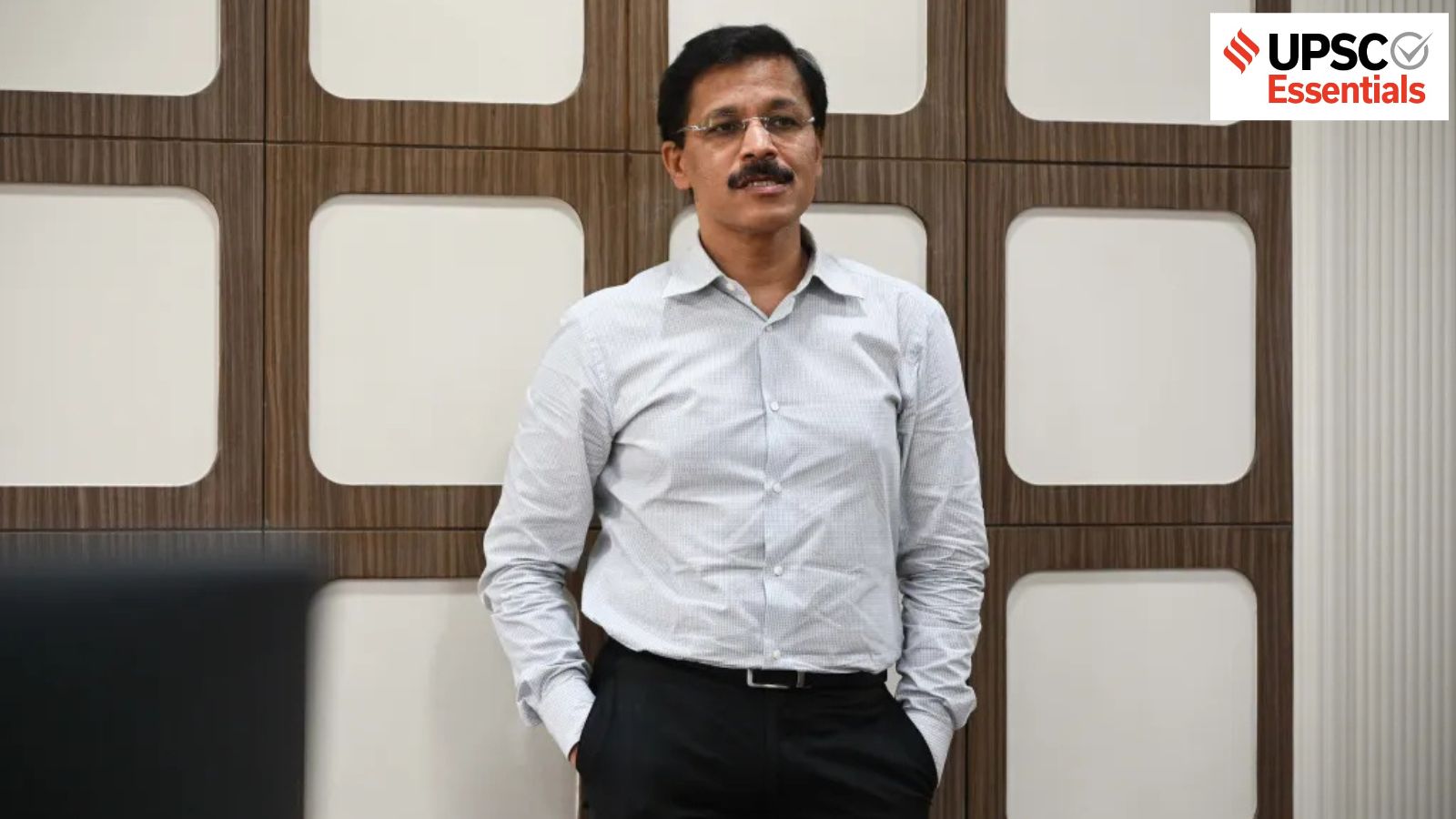
Tukaram Mundhe’s Example Sparks Debate Over Institutional Ethics

UPSC Ethics Practice Explores Reasoning and Moral Dilemmas
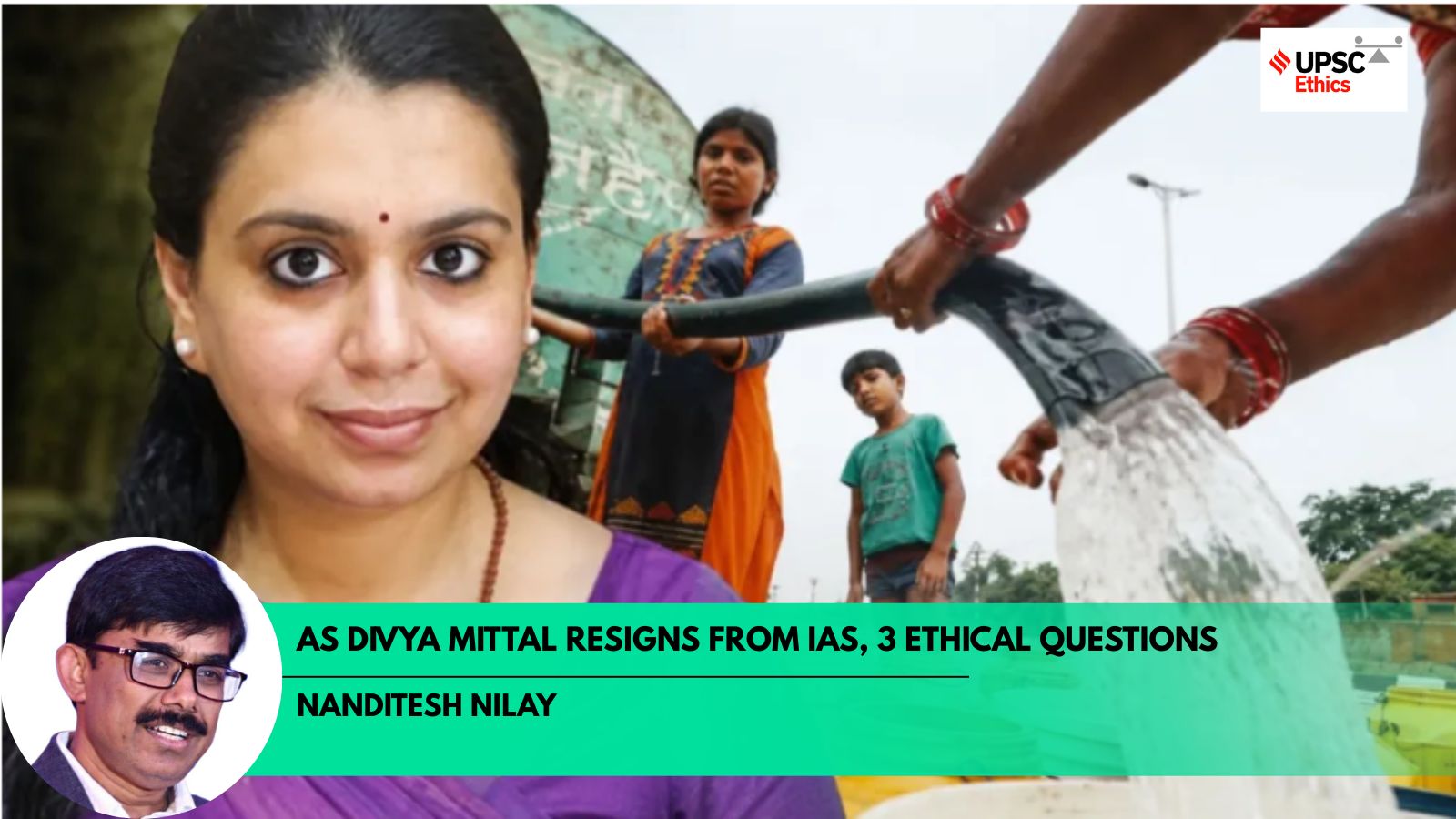
Divya Mittal’s Resignation Sparks Questions About Ethical Public Service

UPSC Ethics Exam Explores Development Versus Conservation Dilemmas
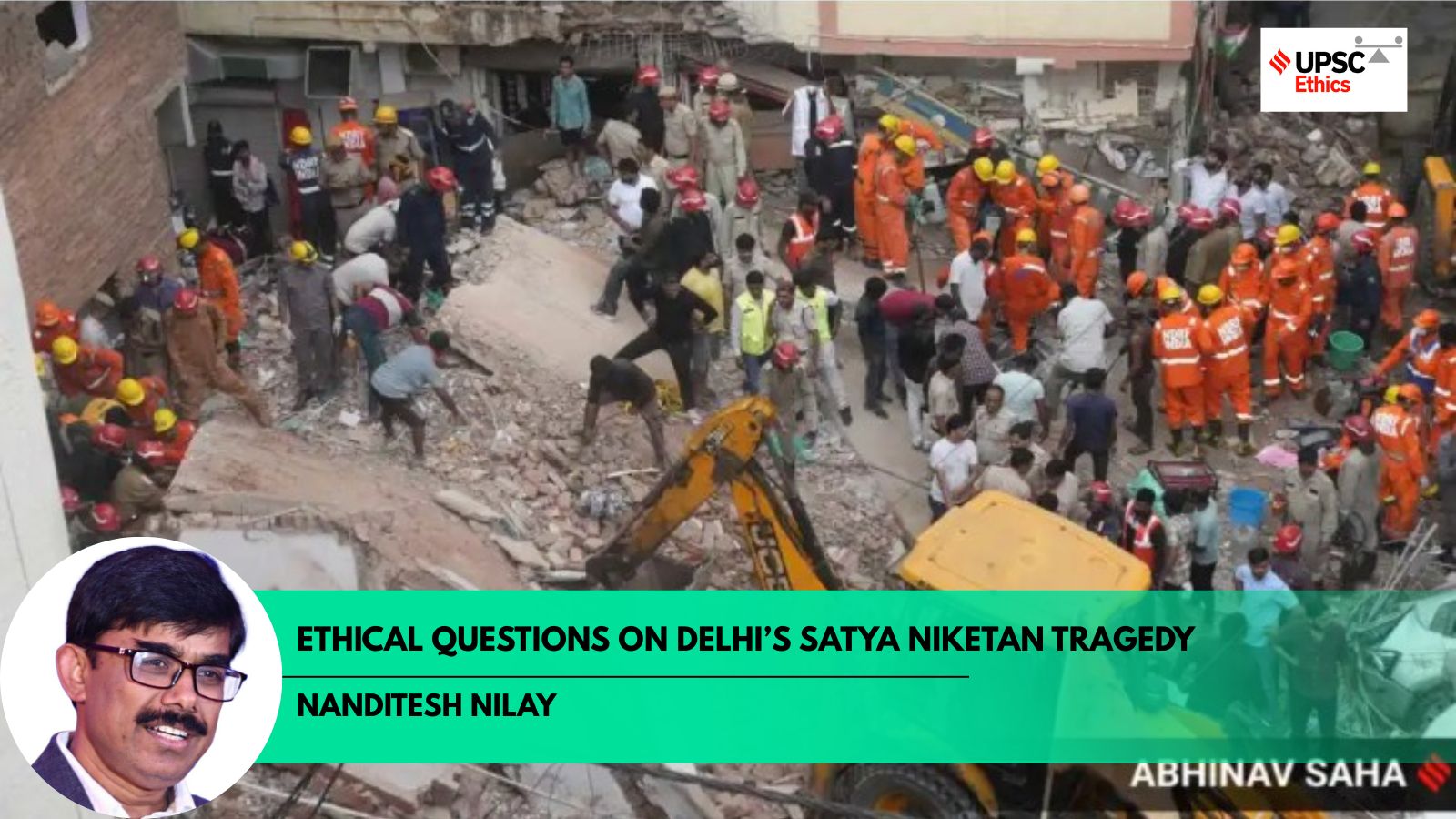
Satya Niketan Building Collapse Raises Questions About Ethical Governance
'Hard Decisions' to 'Good Leaders': UPSC Essay Topics
Pune Patients’ Rights Council Seeks Healthcare Reforms, Warns Of Agitation
Navi Mumbai Ganpati Pandal Highlights Tukaram Mundhe’s Food Safety Work
Maharashtra FDA Focuses Scrutiny On Infant Nutrition Products
India's Evening News: TMC Symbols, NEET Panel, Sports and Films
Maharashtra Hospitals Face Scrutiny Over Steep Medical Item Markups