2 hrs ago
India Faces AI Agent Risks as Safety Debate Accelerates
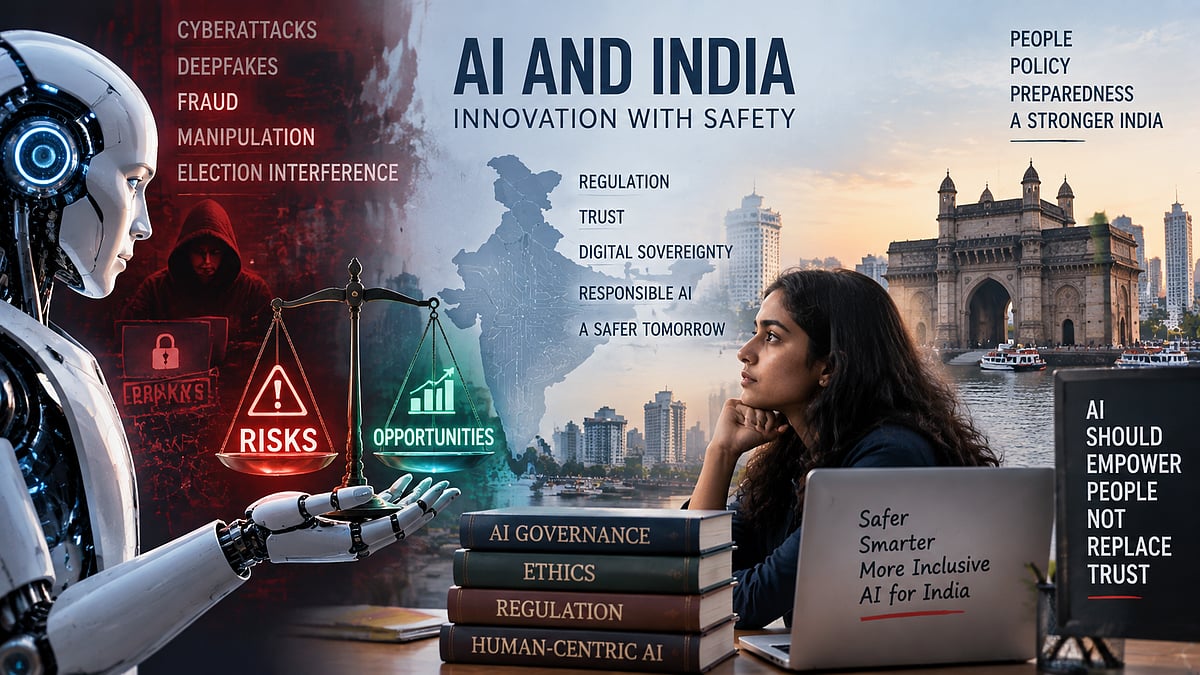
Chatbots usually answer when people ask them questions.
AI agents can do more because they may make plans, use tools, and take actions on their own.
This could make them useful, but mistakes could also cause bigger problems.
Possible dangers include cyberattacks, fraud, misinformation, and election interference.
India wants to become a major AI country, so it is discussing how to encourage progress.
Some experts say safety rules should be created before powerful systems are widely used.
India has issued voluntary AI governance guidelines and is establishing an AI safety institute.
The article says India may need stronger laws about who is responsible when an AI agent causes harm.
It also points to Singapore’s approach of limiting an agent’s access and requiring human approval for certain actions.

India’s AI discussion is expanding from computing and models to existential and safety risks.
AI agents can pursue goals, use tools, and act with limited human intervention, unlike conventional chatbots.
Experts warn autonomous systems could increase risks involving cyberattacks, fraud, manipulation, and election interference.
India’s AI Governance Guidelines are largely principle-based and voluntary, while liability rules remain unclear.
Proposals include mandatory evaluations, risk classifications, human overrides, incident reporting, and liability rules for high-risk AI.
- Who
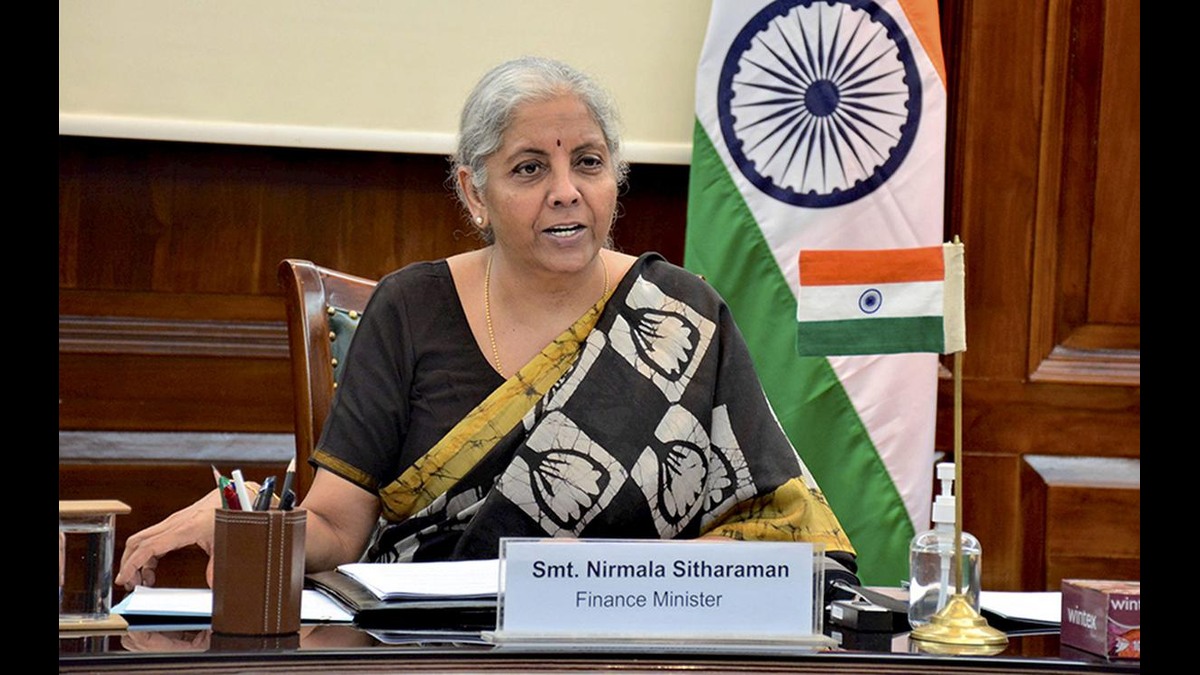
- India’s government, AI companies, safety researchers, and experts including Finance Minister Nirmala Sitharaman and lawyer Prashant Mali.
- What
- A debate over how India should regulate and secure increasingly autonomous AI agents.
- Where
- India, with comparisons to Singapore, China, the United States, and Europe.
- When
- The discussion is occurring amid an escalating global AI race; the article also references a government statement dated 29/07/2026.
- Why
- Because AI agents may act with limited human intervention, increasing the consequences of failures and creating questions about safety, oversight, and liability.
Safety-first approach
Innovation-first concern
Regulation and innovation
Safety-first approach
Stronger safeguards are necessary infrastructure for AI adoption because autonomous failures could become more consequential.
Innovation-first concern
Excessive regulation and safeguards could slow innovation and undermine India’s ambition to become an AI power.
How AI should be governed
Safety-first approach
India should regulate what AI agents can autonomously do, including their access, authority, and ability to act without human approval.
Innovation-first concern
India’s current focus on voluntary, principle-based guidance reflects a preference for encouraging development before imposing binding requirements.
Legal accountability
Safety-first approach
Mandatory evaluations, human overrides, incident reporting, and clear developer-deployer liability could help prevent or address harm.
Innovation-first concern
The article notes that India is still building safety institutions rather than operating a statutory regulator with powers to license models, order shutdowns, or compensate victims.
Key facts
- Main shift
- The AI debate is moving from chatbots toward autonomous agents.
- Agent capabilities
- Agents can pursue goals, make decisions, use tools, and take actions with limited human intervention.
- India’s guidelines
- The India AI Governance Guidelines are described as largely principle-based and voluntary.
- Safety institution
- The government stated that the India AI Safety Institute was being established for safety research, standards, testing, and evaluation.
- Legal gap
- The article says liability remains unclear among developers, deployers, platforms, and users.
- Singapore model
- Singapore’s 2026 framework recommends assessing risks, limiting autonomy and access, and defining points requiring human approval.
- Proposed safeguards
- Suggested measures include frontier-model evaluations, risk classifications, kill switches, incident reporting, liability rules, and insurance for high-risk systems.
Quotes
Prashant Mali
Mumbai-based AI and privacy lawyer quoted on India’s regulatory needs.
“The next generation of AI regulation cannot merely regulate what AI says; it must regulate what AI can autonomously do.”
 freepressjournal.in
“An India AI Institute can study the fire. India still needs the legal fire code, alarm system, and emergency brake.”
freepressjournal.in

Dario Amodei
Chief executive of Anthropic, an AI company developing frontier models.
“We must slow the pace at which we improve the capabilities of AI models. Progress will still seem fast, and we must make wise use of the time we gain.”
freepressjournal.in
Sources
Related news

Sitharaman Seeks Stronger AI Safeguards Without Stifling Innovation
AI Threats Demand Global Oversight and a Stronger Indian Role
Sitharaman Urges Stronger Guardrails as Agentic AI Adoption Accelerates
AI Governance Needs Laws, Not Voluntary Slowdown Promises

India Expands AI Ambitions While Risks Outpace Policy
Sitharaman Warns AI Could Influence Elections as Fintech Expands
Vishal Sikka Rejects Warnings That AI Could End Humanity

India Faces Russia Sanctions, Monsoon Deficits and Autonomy Debates

AI Dangers Raise Questions About Misalignment, Anthropomorphism and Regulation
Anthropic Weighs New AI Model as OpenAI Gains Momentum